Bimal K. Matilal – författare
Visar alla böcker från författaren Bimal K. Matilal. Handla med fri frakt och snabb leverans.
12 produkter
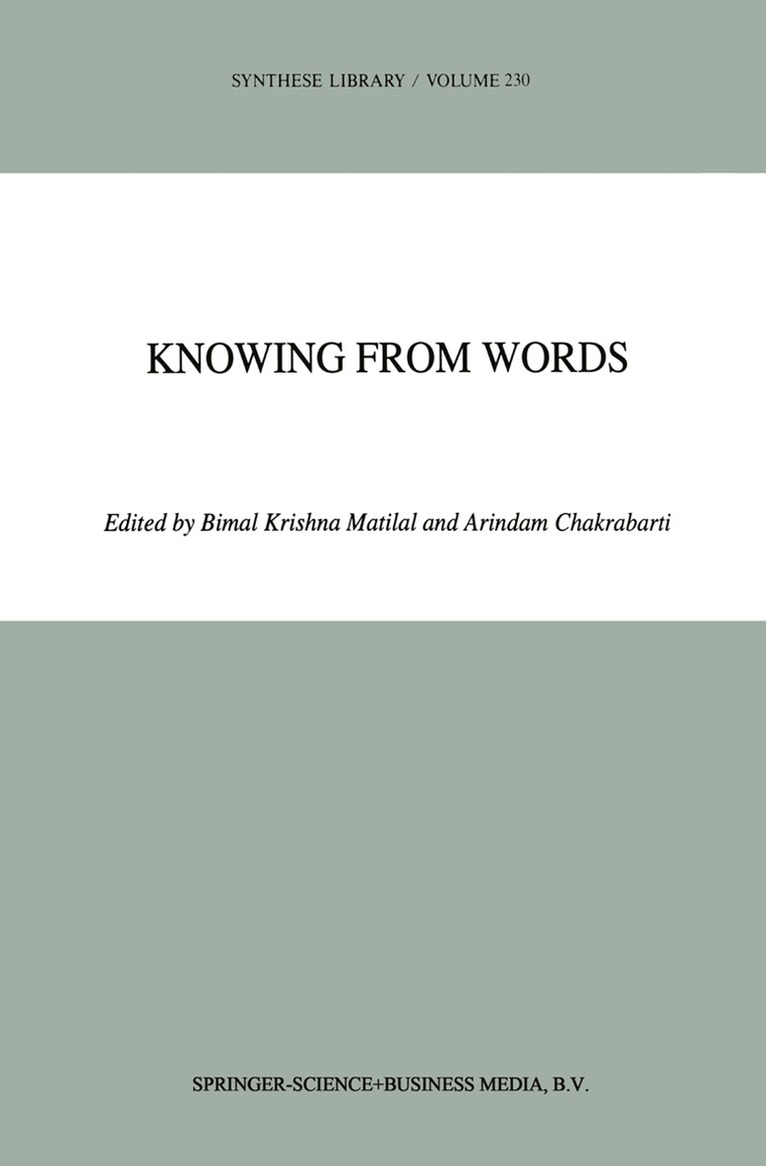
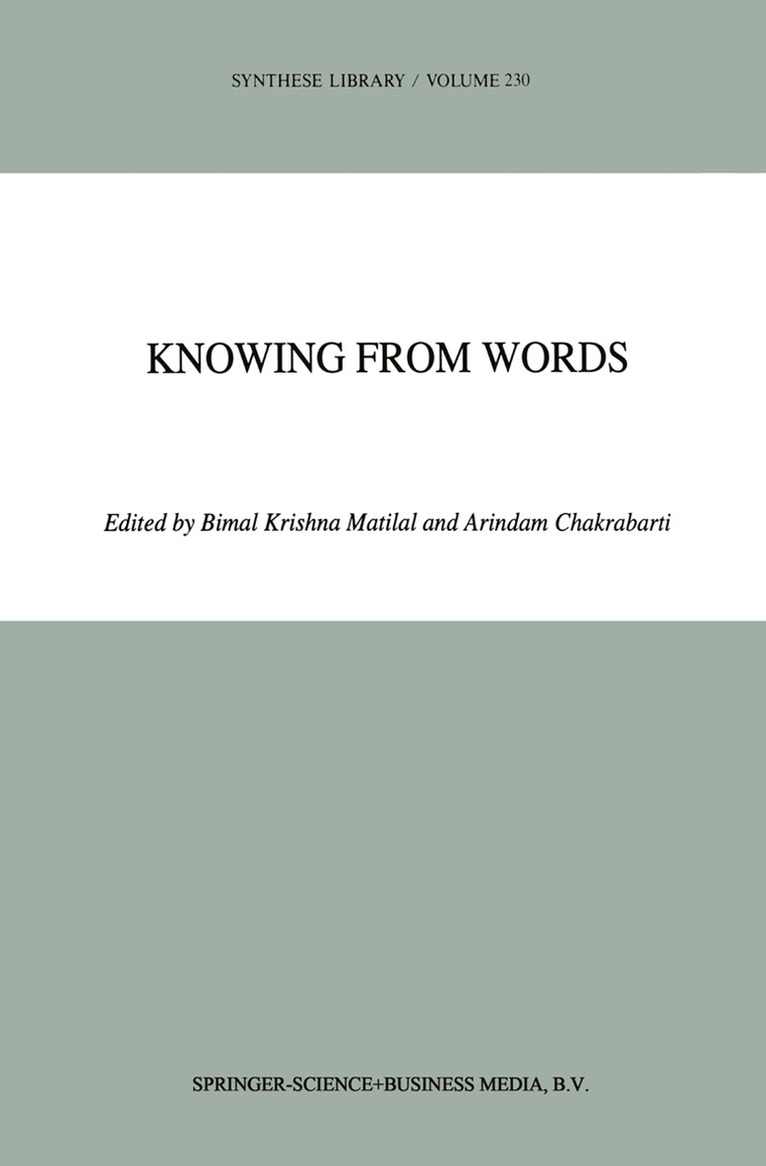
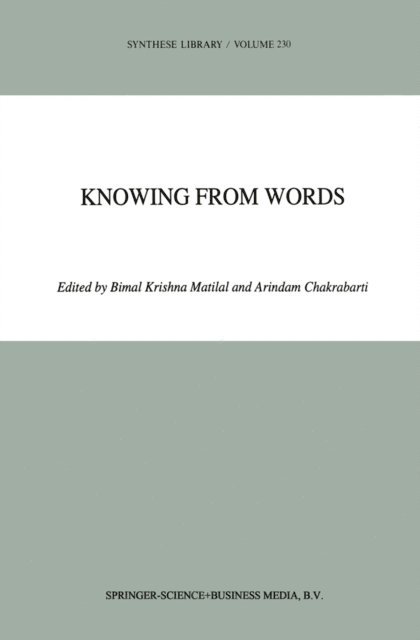
Knowing from Words
Western and Indian Philosophical Analysis of Understanding and Testimony
Av Bimal K. Matilal, A. Chakrabarti
Inbunden, 1993
2183 kr
Lägg i varukorg
Never before, in any anthology, have contemporary epistemologists and philosophers of language come together to address the single most neglected important issue at the confluence of these two branches of philosophy, namely: Can we know facts from reliable reports? Besides Hume's subversive …
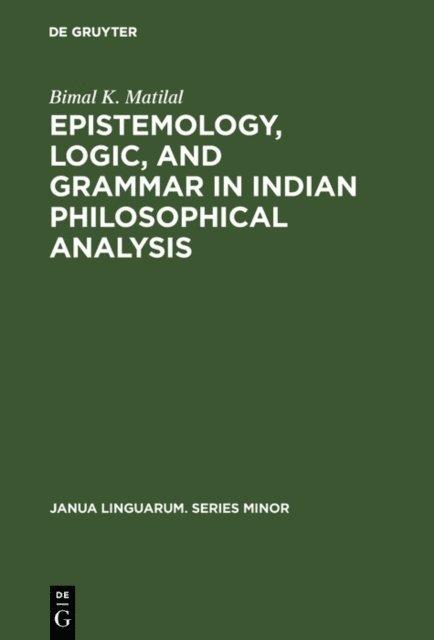
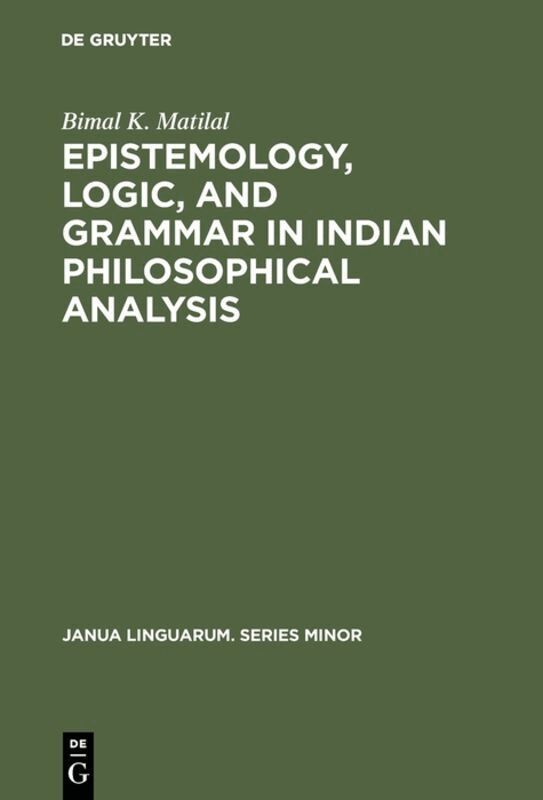
Epistemology, Logic, and Grammar in Indian Philosophical Analysis
E-bok, 2017
1472 kr
Lägg i varukorg
No detailed description available for "e;Epistemology, Logic, and Grammar in Indian Philosophical Analysis"e;.
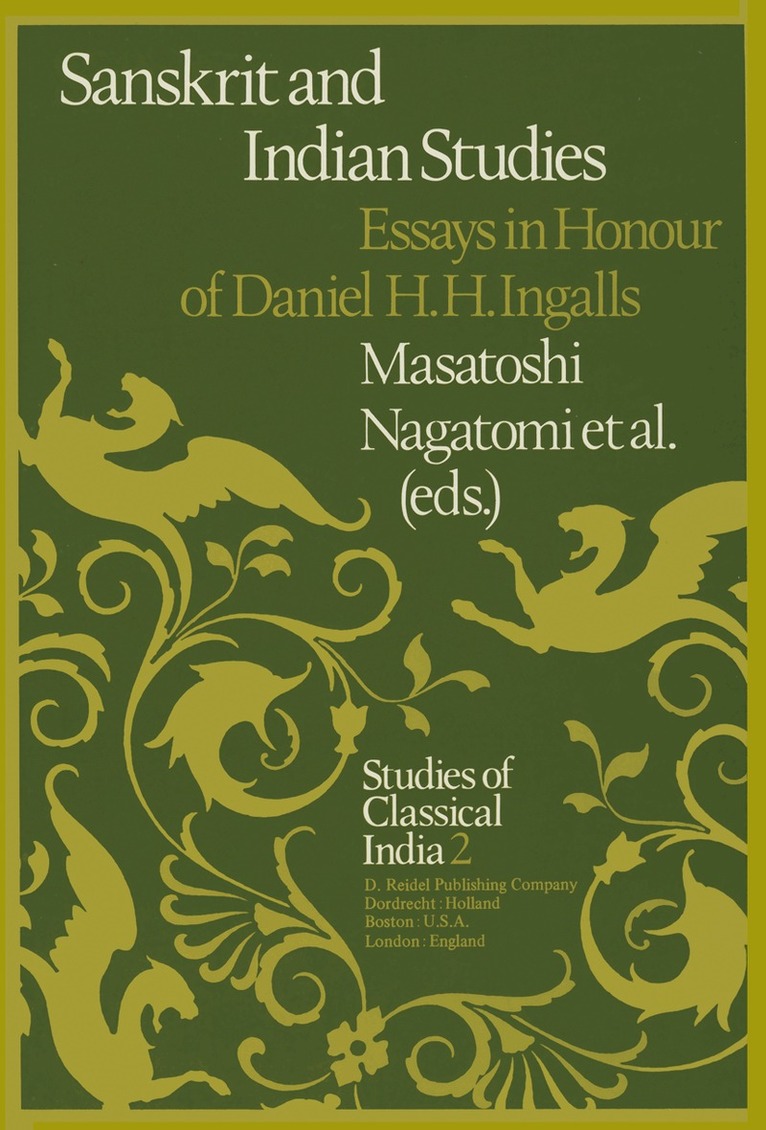
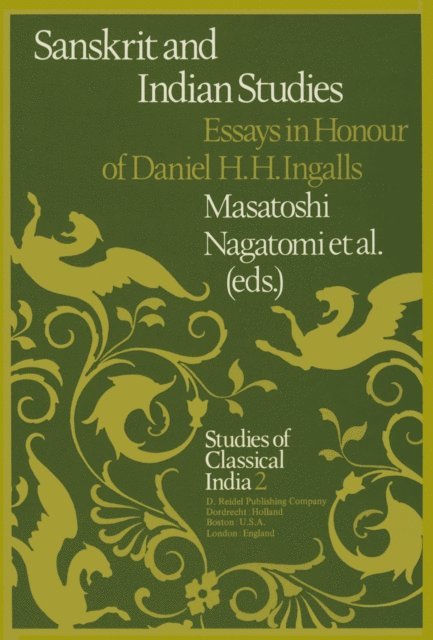
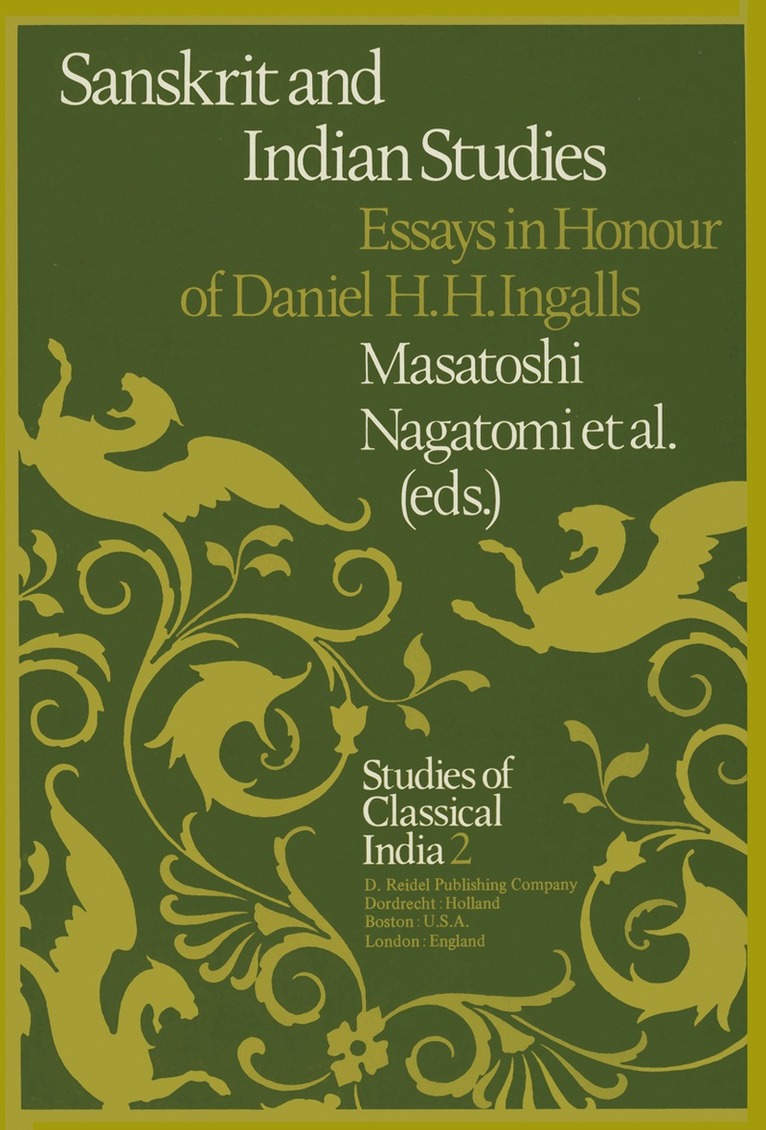
Sanskrit and Indian Studies
Essays in Honour of Daniel H.H. Ingalls
Av M. Nagatomi, Bimal K. Matilal m. fl.
Inbunden, 1980
1095 kr
Lägg i varukorg
From the Subhdsitaratnakosa, Verse No. 1729: vahati na pural) kascit pasclill na ko 'py anuyati mam na ca navapadak~ul)l)o marga!) katham nv aham ekaka!) bhavatu viditam purvavyu
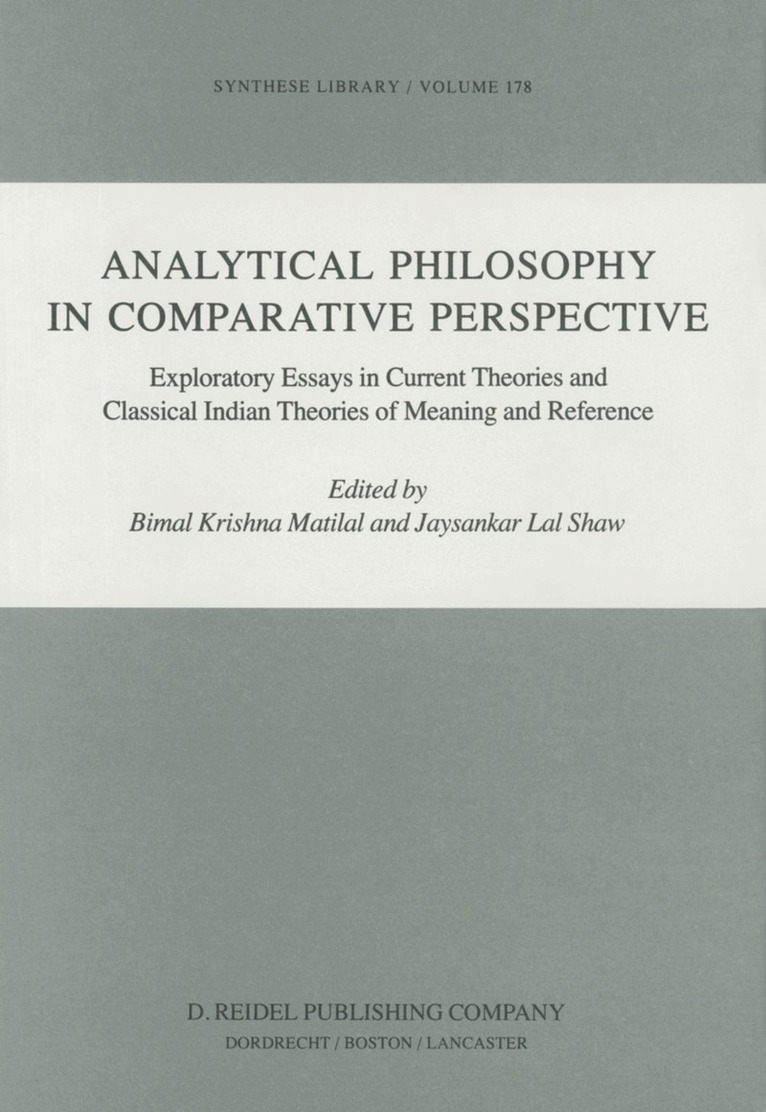
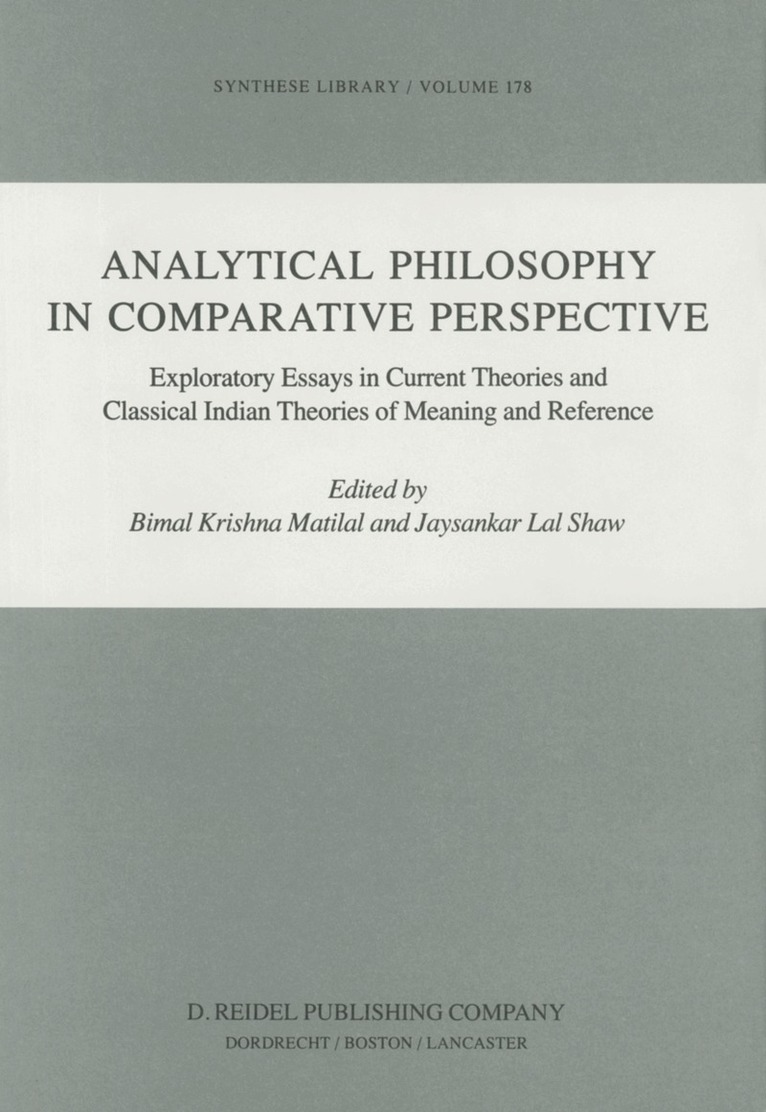
Analytical Philosophy in Comparative Perspective
Exploratory Essays in Current Theories and Classical Indian Theories of Meaning and Reference
Av Bimal K. Matilal, Jaysankar Lal Shaw
Inbunden, 1984
1688 kr
Lägg i varukorg
We are grateful to the authors who wrote papers specially for this volume and kindly gave their permission for printing them together. None of these papers appeared anywhere before. Our special thanks are due to the first six authors who kindly responded to our request and agreed to join this new …
Epistemology, Logic, and Grammar in Indian Philosophical Analysis
Inbunden, 1971
1609 kr
Lägg i varukorg
No detailed description available for "Epistemology, Logic, and Grammar in Indian Philosophical Analysis".
Knowing from Words
Western and Indian Philosophical Analysis of Understanding and Testimony
Av Bimal K. Matilal, A. Chakrabarti
Häftad, 2010
2183 kr
Lägg i varukorg
Never before, in any anthology, have contemporary epistemologists and philosophers of language come together to address the single most neglected important issue at the confluence of these two branches of philosophy, namely: Can we know facts from reliable reports? Besides Hume's subversive …
Analytical Philosophy in Comparative Perspective
Exploratory Essays in Current Theories and Classical Indian Theories of Meaning and Reference
Av Jaysankar Lal Shaw, Bimal K. Matilal
E-bok, 2012
2111 kr
Lägg i varukorg
We are grateful to the authors who wrote papers specially for this volume and kindly gave their permission for printing them together. None of these papers appeared anywhere before. Our special thanks are due to the first six authors who kindly responded to our request and agreed to join this new …
Analytical Philosophy in Comparative Perspective
Exploratory Essays in Current Theories and Classical Indian Theories of Meaning and Reference
Av Bimal K. Matilal, Jaysankar Lal Shaw
Häftad, 2011
1639 kr
Lägg i varukorg
We are grateful to the authors who wrote papers specially for this volume and kindly gave their permission for printing them together. None of these papers appeared anywhere before. Our special thanks are due to the first six authors who kindly responded to our request and agreed to join this new …
Sanskrit and Indian Studies
Essays in Honour of Daniel H.H. Ingalls
Av E. Dimock, J. Moussaieff Masson m. fl.
E-bok, 2012
1459 kr
Lägg i varukorg
Sanskrit and Indian Studies
Essays in Honour of Daniel H.H. Ingalls
Av M. Nagatomi, Bimal K. Matilal m. fl.
Häftad, 2011
1095 kr
Lägg i varukorg
From the Subhdsitaratnakosa, Verse No. 1729: vahati na pural) kascit pasclill na ko 'py anuyati mam na ca navapadak~ul)l)o marga!) katham nv aham ekaka!) bhavatu viditam purvavyu
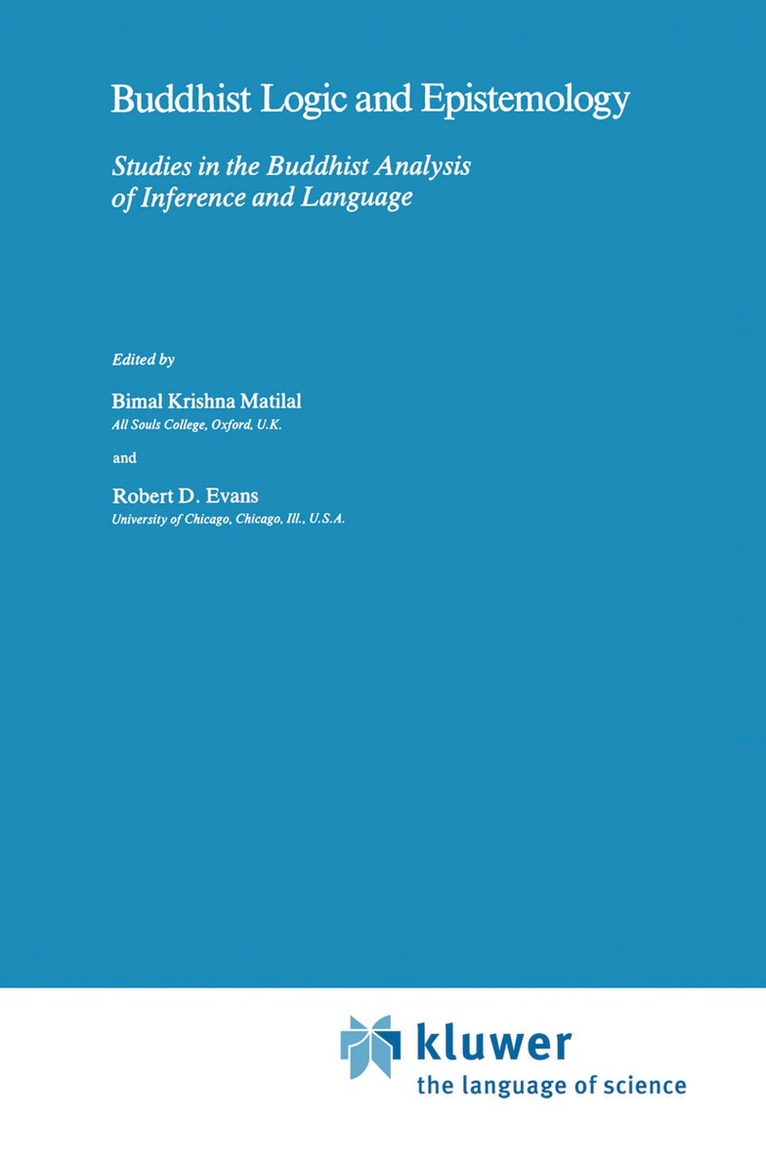
Buddhist Logic and Epistemology
Studies in the Buddhist Analysis of Inference and Language
Av Bimal K. Matilal, Robert D. Evans
Häftad, 2012
1639 kr
Lägg i varukorg
For the first time in recent history, seventeen scholars from allover the world (India, Japan, Europe, the United Kingdom, Canada and the United States) collaborated here to produce a volume containing an in-depth study of Buddhist log ical theory in the background of Buddhist epistemology. The …
Knowing from Words
Western and Indian Philosophical Analysis of Understanding and Testimony
Av A. Chakrabarti, Bimal K. Matilal
E-bok, 2013
2925 kr
Lägg i varukorg
Never before, in any anthology, have contemporary epistemologists and philosophers of language come together to address the single most neglected important issue at the confluence of these two branches of philosophy, namely: Can we know facts from reliable reports? Besides Hume''s subversive …