Bindu Puri - Böcker
Visar alla böcker från författaren Bindu Puri. Handla med fri frakt och snabb leverans.
16 produkter
16 produkter
725 kr
Skickas inom 10-15 vardagar
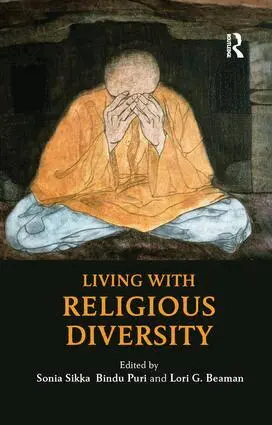
Looking beyond exclusively state-oriented solutions to the management of religious diversity, this book explores ways of fostering respectful, non-violent and welcoming social relations among religious communities. It examines the question of how to balance religious diversity, individual rights and freedoms with a common national identity and moral consensus. The essays discuss the interface between state and civil society in ‘secular’ countries and look at case studies from the the West and India. They study themes such as religious education, religious diversity, pluralism, inter-religious relations and exchanges, dalits and religion, and issues arising from the lived experience of religious diversity in various countries. The volume asserts that if religious violence crosses borders, so do ideas about how to live together peacefully, theological reflection on pluralism, and lived practices of friendship across the boundaries of religious identity-groupings. Bringing together interdisciplinary scholarship from across the world, the book will interest scholars and students of philosophy, religious studies, political science, sociology and history.
2 088 kr
Skickas inom 10-15 vardagar
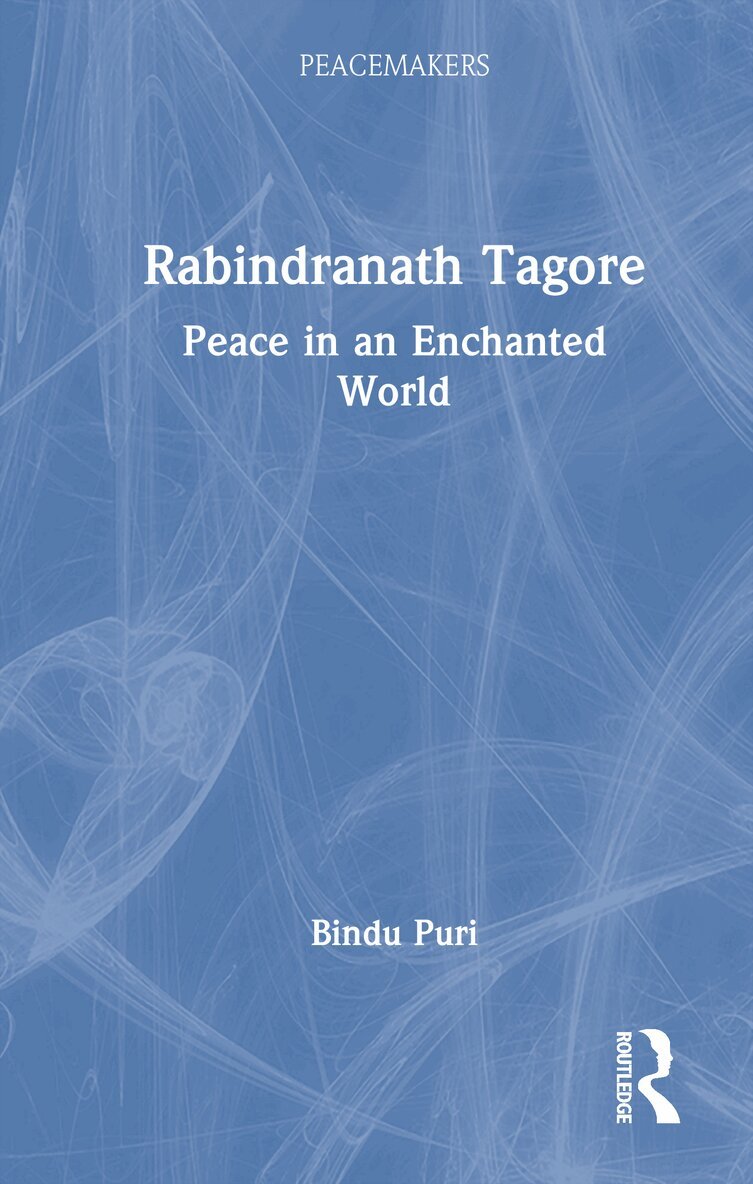
This book explores Rabindranath Tagore’s distinctive argument for peace—in spiritual rather than in political—terms. Drawing on seminal texts by Tagore, the book presents the reader with a comprehensive overview of Gurudev’s seemingly contradictory notions of individual freedom, universal love for humanity and faith in the great Eastern nation. It underlines Tagore’s argument that peace could be best affected not by a league of nations but in educational institutions and that the “Religion of Man” lay in the truth of inter-relationships between human beings.A concise handy guide to Tagore’s philosophy, this book will be essential for students and scholars of philosophy, Tagore studies, peace and conflict studies and South Asian studies.
576 kr
Skickas inom 10-15 vardagar
This book explores Rabindranath Tagore’s distinctive argument for peace—in spiritual rather than in political—terms. Drawing on seminal texts by Tagore, the book presents the reader with a comprehensive overview of Gurudev’s seemingly contradictory notions of individual freedom, universal love for humanity and faith in the great Eastern nation. It underlines Tagore’s argument that peace could be best affected not by a league of nations but in educational institutions and that the “Religion of Man” lay in the truth of inter-relationships between human beings.A concise handy guide to Tagore’s philosophy, this book will be essential for students and scholars of philosophy, Tagore studies, peace and conflict studies and South Asian studies.
2 222 kr
Skickas inom 10-15 vardagar
Looking beyond exclusively state-oriented solutions to the management of religious diversity, this book explores ways of fostering respectful, non-violent and welcoming social relations among religious communities. It examines the question of how to balance religious diversity, individual rights and freedoms with a common national identity and moral consensus. The essays discuss the interface between state and civil society in ‘secular’ countries and look at case studies from the the West and India. They study themes such as religious education, religious diversity, pluralism, inter-religious relations and exchanges, dalits and religion, and issues arising from the lived experience of religious diversity in various countries. The volume asserts that if religious violence crosses borders, so do ideas about how to live together peacefully, theological reflection on pluralism, and lived practices of friendship across the boundaries of religious identity-groupings. Bringing together interdisciplinary scholarship from across the world, the book will interest scholars and students of philosophy, religious studies, political science, sociology and history.
Del 9 - Sophia Studies in Cross-cultural Philosophy of Traditions and Cultures
Tagore-Gandhi Debate on Matters of Truth and Untruth
Inbunden, Engelska, 2014
536 kr
Skickas inom 10-15 vardagar
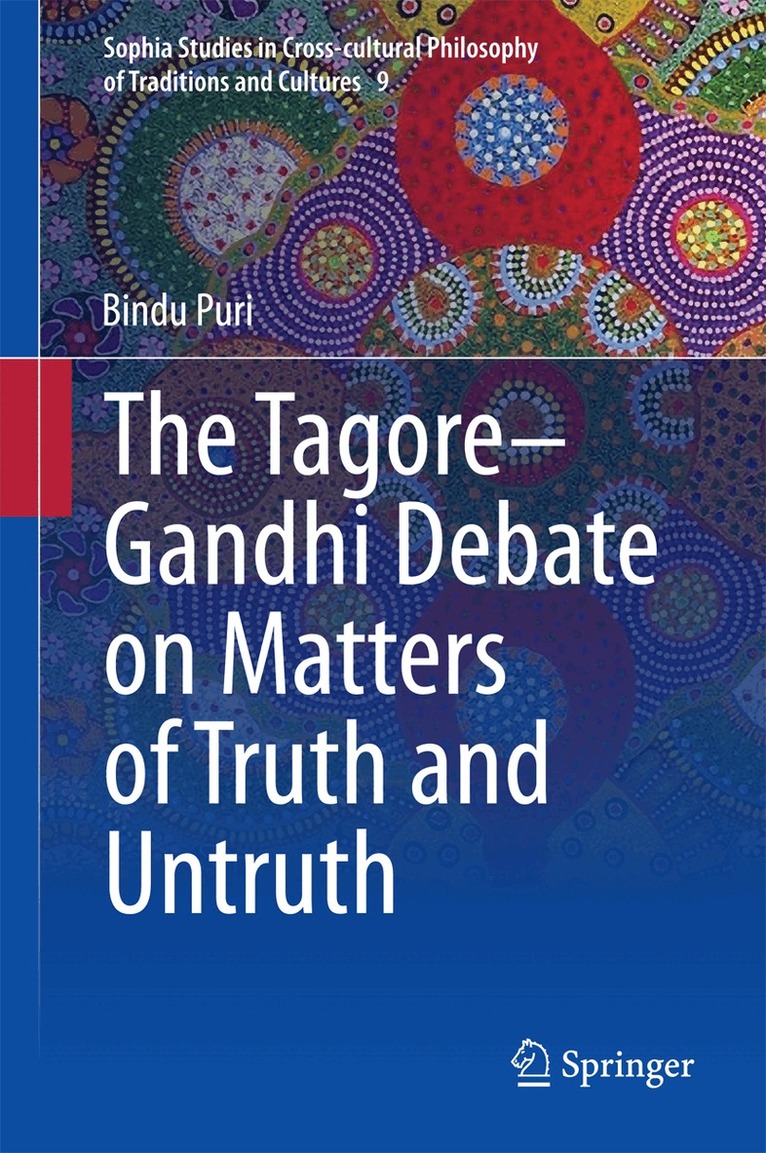
Between 1915 and 1941, Tagore (1861-1941) and Gandhi (1869-1948) differed and argued about many things of personal, national, and international significance---satyagraha, non-cooperation, the boycott and burning of foreign cloth, the efficacy of fasting as a means of resistance and Gandhi’s mantra connecting “swaraj” and “charkha”. The author tracks the development of this dialogue and argues that the debate was about more fundamental issues, such as the nature of truth and swaraj/freedom and the possibilities of untruth that Tagore saw in Gandhi’s movements for truth and freedom. Puri shows that the differences between the two men’s perspectives came from differently negotiated relationships to (and understandings of) tradition and modernity. Tagore was part of the Bengal renaissance and powerfully influenced by the idea that the Enlightenment consisted in the freedom of the individual to reason for herself. Gandhi, on the other hand, remained close to the Indian philosophical tradition which linked individual freedom to moral progress. Puri points out that Tagore cannot, however, be unreflectively assimilated to the Enlightenment project of Western modernity, for he came fairly close to Gandhi in rejecting the anthropocentricism of modernity and shared Gandhi’s belief in an enchanted cosmos. The only single-authored volume on the Tagore-Gandhi debate, this book is a welcome addition to the existing literature.
Del 9 - Sophia Studies in Cross-cultural Philosophy of Traditions and Cultures
Tagore-Gandhi Debate on Matters of Truth and Untruth
Häftad, Engelska, 2016
536 kr
Skickas inom 10-15 vardagar
Between 1915 and 1941, Tagore (1861-1941) and Gandhi (1869-1948) differed and argued about many things of personal, national, and international significance---satyagraha, non-cooperation, the boycott and burning of foreign cloth, the efficacy of fasting as a means of resistance and Gandhi’s mantra connecting “swaraj” and “charkha”. The author tracks the development of this dialogue and argues that the debate was about more fundamental issues, such as the nature of truth and swaraj/freedom and the possibilities of untruth that Tagore saw in Gandhi’s movements for truth and freedom. Puri shows that the differences between the two men’s perspectives came from differently negotiated relationships to (and understandings of) tradition and modernity. Tagore was part of the Bengal renaissance and powerfully influenced by the idea that the Enlightenment consisted in the freedom of the individual to reason for herself. Gandhi, on the other hand, remained close to the Indian philosophical tradition which linked individual freedom to moral progress. Puri points out that Tagore cannot, however, be unreflectively assimilated to the Enlightenment project of Western modernity, for he came fairly close to Gandhi in rejecting the anthropocentricism of modernity and shared Gandhi’s belief in an enchanted cosmos. The only single-authored volume on the Tagore-Gandhi debate, this book is a welcome addition to the existing literature.
536 kr
Skickas inom 10-15 vardagar
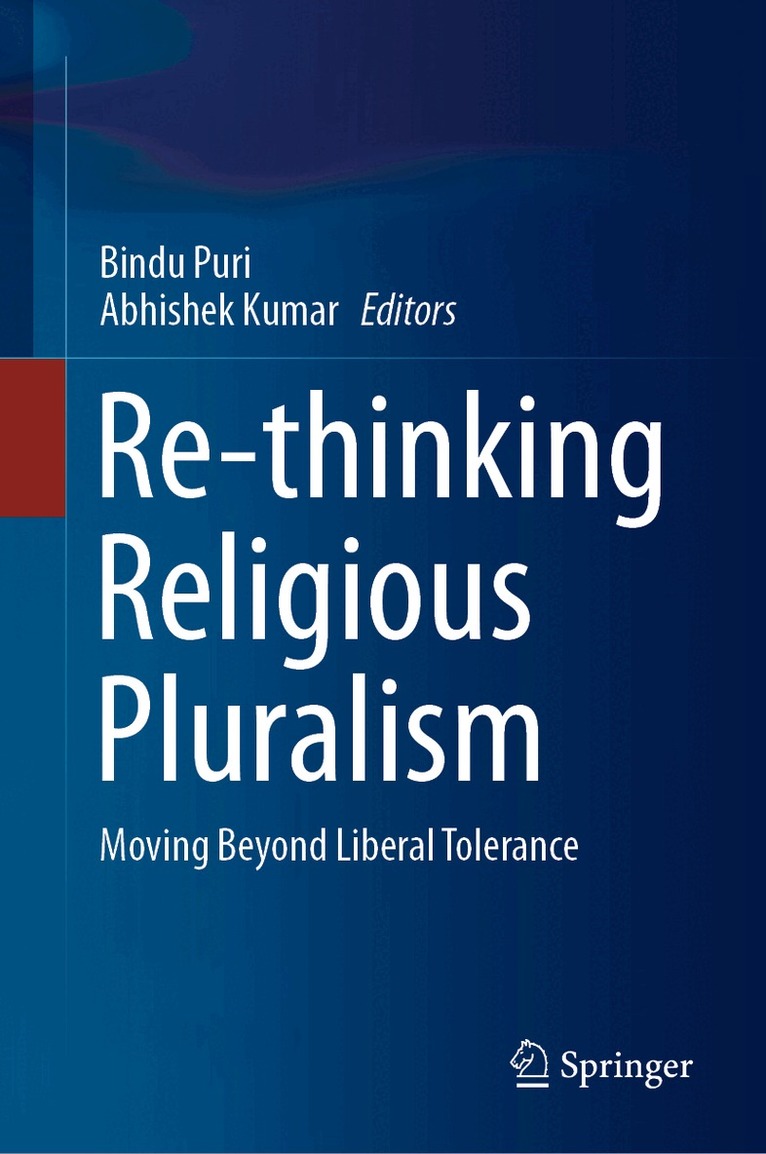
This book combines the mainstream liberal arguments for religious tolerance with arguments from religious traditions in India to offer insights into appropriate attitudes toward religious ‘others’ from the perspective of the devout.
536 kr
Skickas inom 10-15 vardagar
This book combines the mainstream liberal arguments for religious tolerance with arguments from religious traditions in India to offer insights into appropriate attitudes toward religious ‘others’ from the perspective of the devout.
1 170 kr
Skickas inom 10-15 vardagar
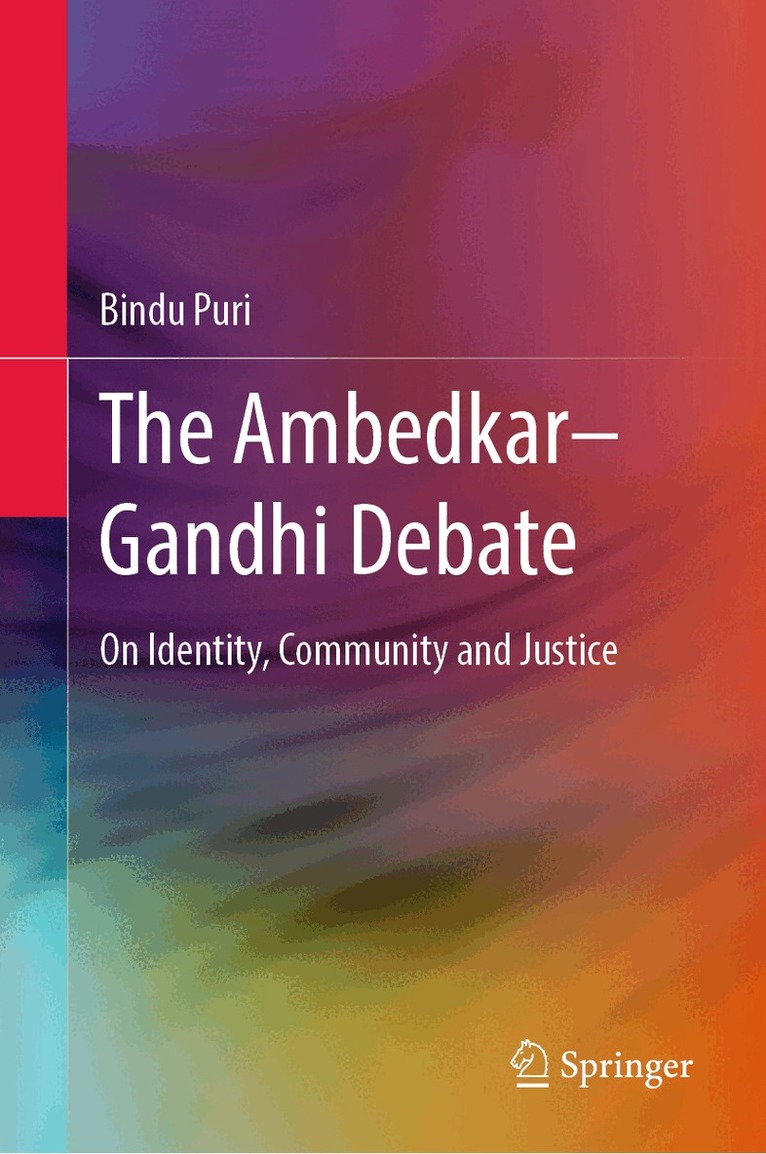
This book reconstructs the philosophical issues informing the debate between the makers of modern India: Ambedkar and Gandhi. At one level, this debate was about a set of different but interconnected issues: caste and social hierarchies, untouchability, Hinduism, conversion, temple entry, and political separatism. The introduction to this book provides a brief overview of the engagements and conflicts in Gandhi and Ambedkar's central arguments. However, at another level, this book argues that the debate can be philosophically re-interpreted as raising their differences on the following issues: The nature of the self,The relationship between the individual self and the community,The appropriate relationship between the constitutive encumbrances of the self and a conception of justice,The relationship between memory, tradition, and self-identity. Ambedkar and Gandhi’scontrary conceptions of the self, history,itihaas, community and justice unpack incommensurable world views. These can be properly articulated only as very different answers to questions about the relationship between the present and the past. This book raises these questions and also establishes the link between the Ambedkar--Gandhi debate in the early 20th century and its re-interpretation as it resonates in the imagination and writing of marginalized social groups in the present times.
1 170 kr
Skickas inom 10-15 vardagar
This book reconstructs the philosophical issues informing the debate between the makers of modern India: Ambedkar and Gandhi. At one level, this debate was about a set of different but interconnected issues: caste and social hierarchies, untouchability, Hinduism, conversion, temple entry, and political separatism. The introduction to this book provides a brief overview of the engagements and conflicts in Gandhi and Ambedkar's central arguments. However, at another level, this book argues that the debate can be philosophically re-interpreted as raising their differences on the following issues: The nature of the self,The relationship between the individual self and the community,The appropriate relationship between the constitutive encumbrances of the self and a conception of justice,The relationship between memory, tradition, and self-identity. Ambedkar and Gandhi’scontrary conceptions of the self, history,itihaas, community and justice unpack incommensurable world views. These can be properly articulated only as very different answers to questions about the relationship between the present and the past. This book raises these questions and also establishes the link between the Ambedkar--Gandhi debate in the early 20th century and its re-interpretation as it resonates in the imagination and writing of marginalized social groups in the present times.
1 064 kr
Skickas inom 10-15 vardagar
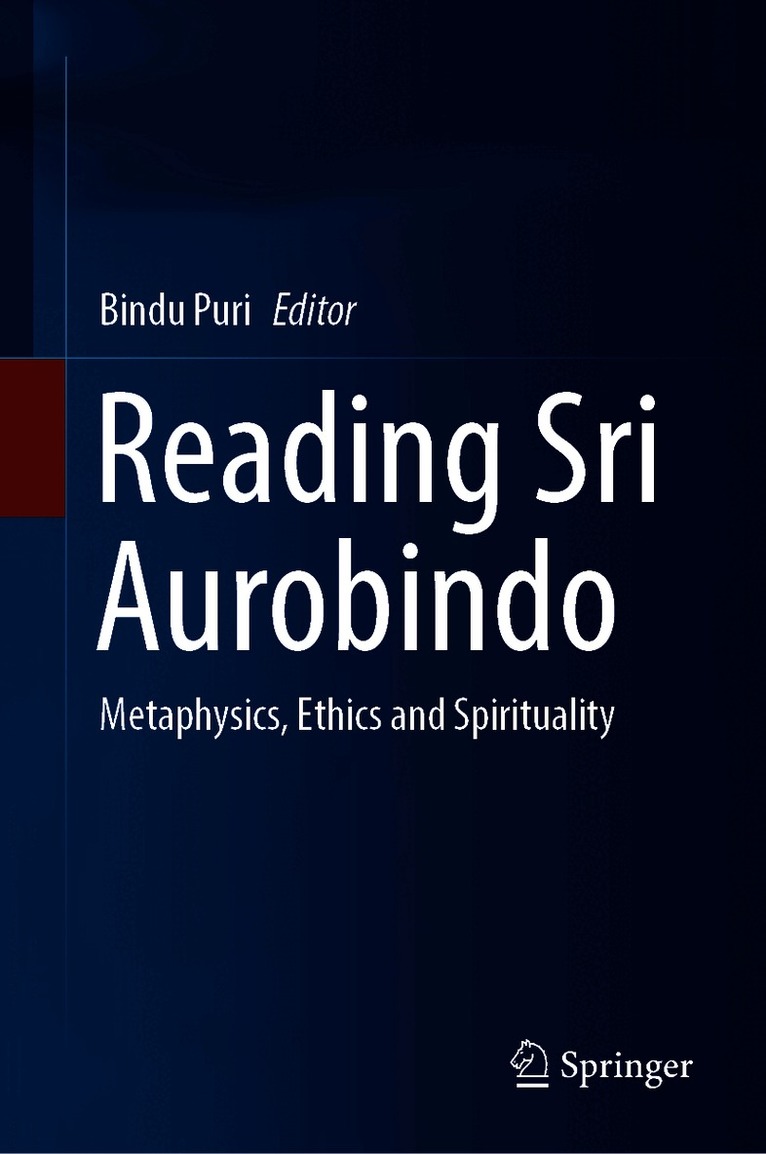
This book presents contemporary perspectives of scholars working on different aspects of the philosophy of Sri Aurobindo- the idea of evolution, integral yoga, the transformation of the individual, society and earth, theories of nation and human unity, philosophy of emotions and ethics of the environment.
1 064 kr
Skickas inom 10-15 vardagar
This book presents contemporary perspectives of scholars working on different aspects of the philosophy of Sri Aurobindo- the idea of evolution, integral yoga, the transformation of the individual, society and earth, theories of nation and human unity, philosophy of emotions and ethics of the environment.
995 kr
Skickas inom 10-15 vardagar
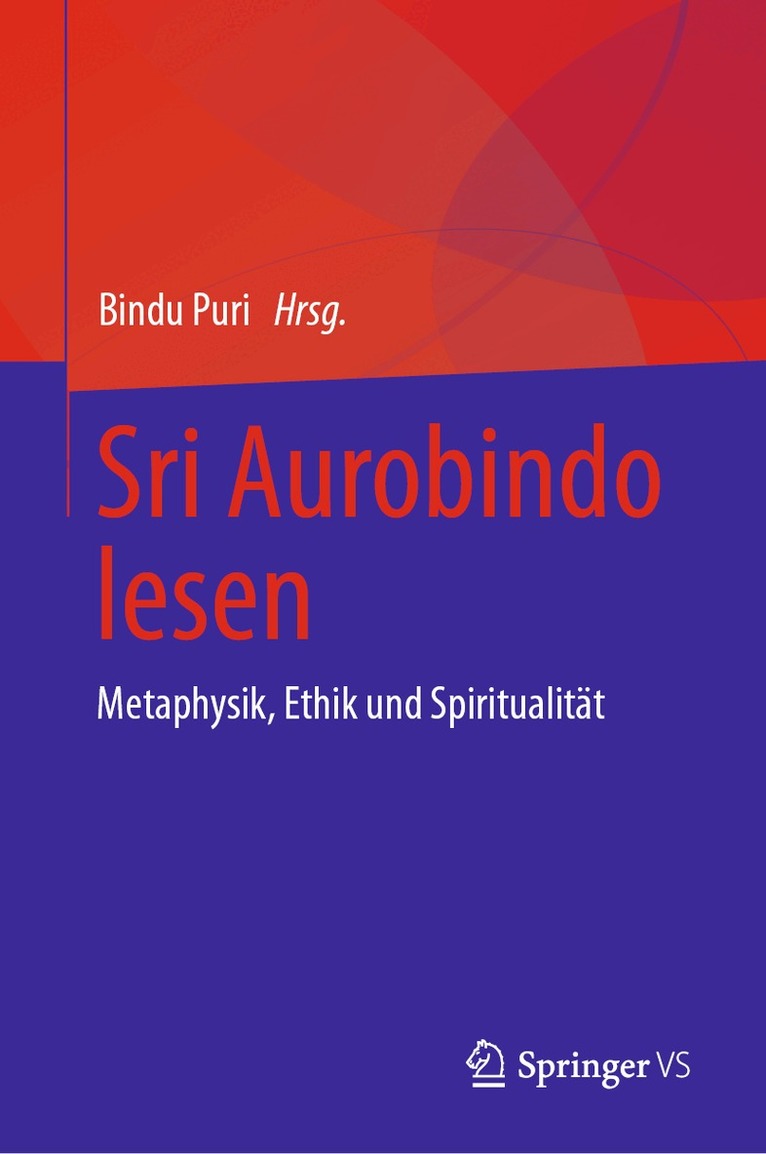
Dieses Buch präsentiert zeitgenössische Perspektiven von Wissenschaftlern, die an verschiedenen Aspekten der Philosophie von Sri Aurobindo arbeiten – der Idee der Evolution, integralem Yoga, der Transformation des Individuums, der Gesellschaft und der Erde, Theorien der Nation und der menschlichen Einheit, Philosophie der Emotionen und Ethik des Umfelds. Die Mitwirkenden untersuchen Sri Aurobindos Philosophie, ihre enge konzeptionelle Beziehung zur klassischen indischen Philosophie und ihre Relevanz. Es beleuchtet, wie seine Philosophie mit den grundlegenden Problemen des 21. Jahrhunderts umgeht, und bietet mögliche Lösungen an. Das Buch beleuchtet die moderne Debatte in der westlichen Philosophie, an der Denker wie Michel Foucault, Jacques Derrida und Gilles Deleuze sowie ihre Vorgänger wie Martin Heidegger und Friedrich Nietzsche beteiligt sind. Dieses Buch ist eine Übung in vergleichender Philosophie, die den Geist von Sri Aurobindo im Kontext des indischen, europäischen und angloamerikanischen philosophischen Diskurses entschlüsselt. Es ist von großer Bedeutung für eine neue Generation von Studenten, Wissenschaftlern der indischen Philosophie, Politik, Religionswissenschaft und denjenigen, die sich für das Denken und die Praxis des indischen Denkers und Yogis Sri Aurobindo aus dem 20. Jahrhundert interessieren.
1 064 kr
Skickas inom 7-10 vardagar
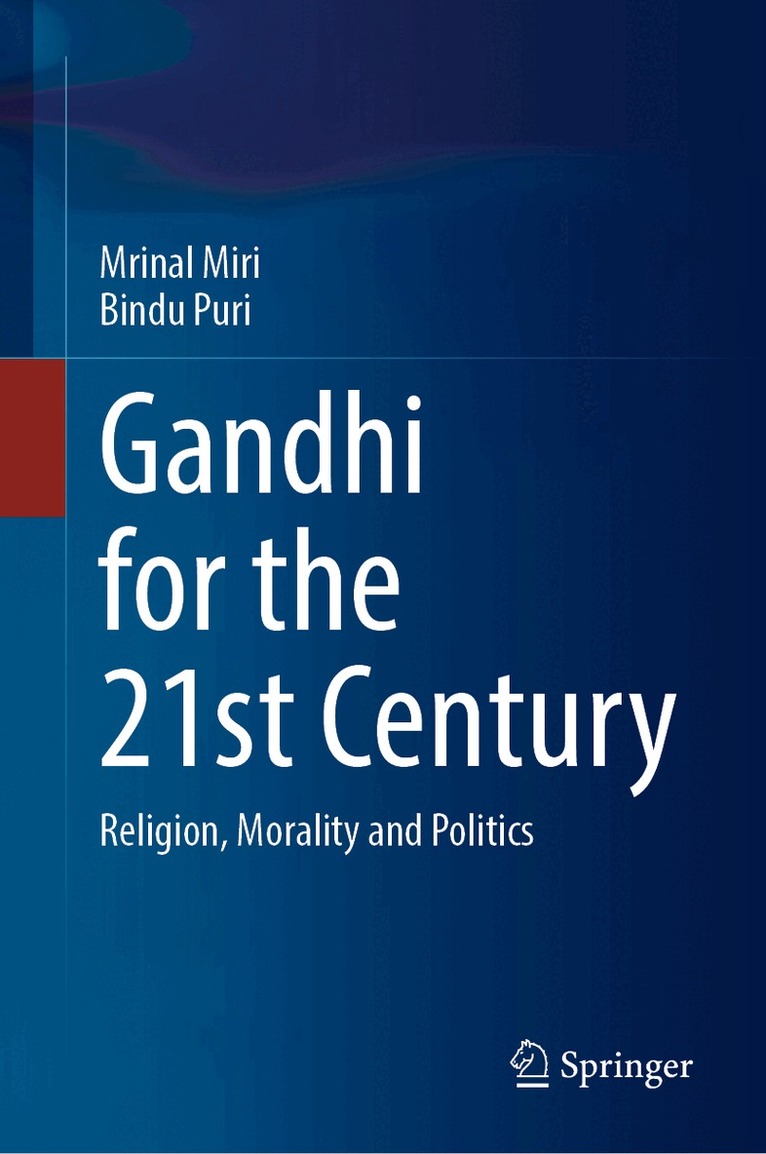
This book examines the centrality of ideas such as satya (truth), ahimsa (non-violence), humility, and respect for understanding moral life in the complex milieu of human existence.
634 kr
Skickas inom 5-8 vardagar
1 064 kr
Skickas inom 10-15 vardagar
This book examines the centrality of ideas such as satya (truth), ahimsa (non-violence), humility, and respect for understanding moral life in the complex milieu of human existence.