Blanca Jimenez Cisneros - Böcker
Visar alla böcker från författaren Blanca Jimenez Cisneros. Handla med fri frakt och snabb leverans.
4 produkter
4 produkter
1 023 kr
Tillfälligt slut
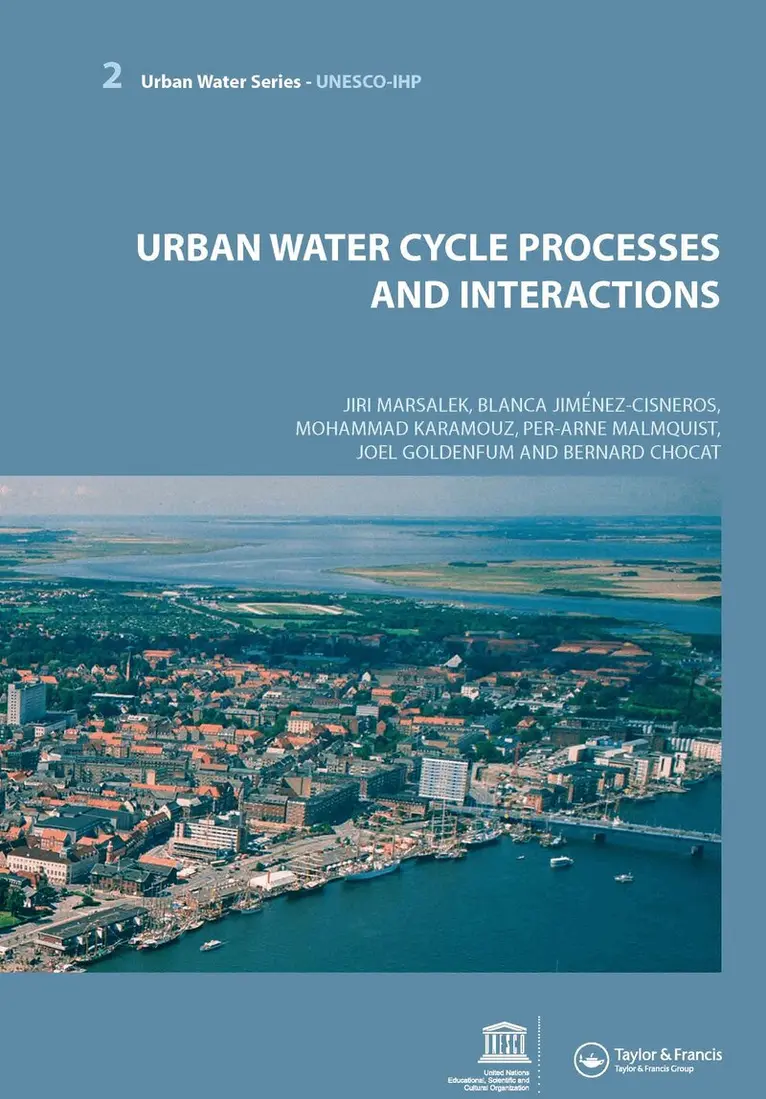
Effective management of urban water should be based on a scientific understanding of the impact of human activity on both the urban hydrological cycle – including its processes and interactions – and the environment itself. Such anthropogenic impacts, which vary broadly in time and space, need to be quantified with respect to local climate, urban development, cultural, environmental and religious practices, and other socio-economic factors.Urban Water Cycle Processes and Interactions represents the fruit of a project by UNESCO’s International Hydrological Programme on this topic. The volume begins by introducing the urban water cycle concept and the need for integrated or total management. It then explores in detail the manifold hydrological components of the cycle, the diverse elements of urban infrastructure and water services, and the various effects of urbanization on the environment – from the atmosphere and surface waters to wetlands, soils and groundwater, as well as biodiversity. A concluding series of recommendations for effective urban water management summarize the important findings set forth here.Urban Water Series - UNESCO-IHP VolumesFollowing from the Sixth Phase of UNESCO’s International Hydrological Programme (2002–2007), the Urban Water Series – UNESCO-IHP addresses fundamental issues related to the role of water in cities and the effects of urbanization on the hydrological cycle and water resources. Focusing on the development of integrated approaches to sustainable urban water management, the Series should inform the work of urban water management practitioners, policy-makers and educators throughout the world.
712 kr
Skickas inom 10-15 vardagar
Effective management of urban water should be based on a scientific understanding of the impact of human activity on both the urban hydrological cycle – including its processes and interactions – and the environment itself. Such anthropogenic impacts, which vary broadly in time and space, need to be quantified with respect to local climate, urban development, cultural, environmental and religious practices, and other socio-economic factors.Urban Water Cycle Processes and Interactions represents the fruit of a project by UNESCO’s International Hydrological Programme on this topic. The volume begins by introducing the urban water cycle concept and the need for integrated or total management. It then explores in detail the manifold hydrological components of the cycle, the diverse elements of urban infrastructure and water services, and the various effects of urbanization on the environment – from the atmosphere and surface waters to wetlands, soils and groundwater, as well as biodiversity. A concluding series of recommendations for effective urban water management summarize the important findings set forth here.Urban Water Series - UNESCO-IHP VolumesFollowing from the Sixth Phase of UNESCO’s International Hydrological Programme (2002–2007), the Urban Water Series – UNESCO-IHP addresses fundamental issues related to the role of water in cities and the effects of urbanization on the hydrological cycle and water resources. Focusing on the development of integrated approaches to sustainable urban water management, the Series should inform the work of urban water management practitioners, policy-makers and educators throughout the world.
2 289 kr
Skickas inom 7-10 vardagar
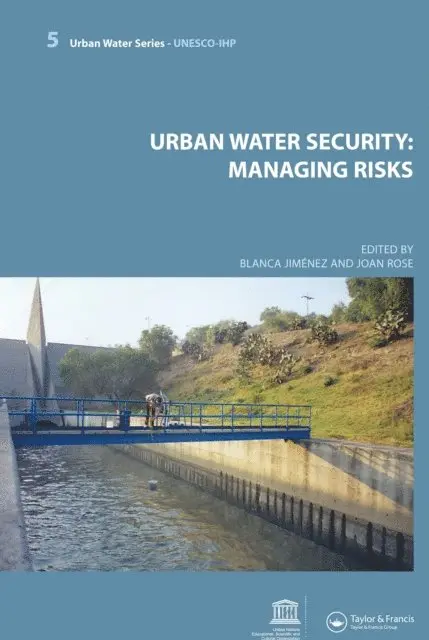
Understanding the impacts of urbanization on the urban water cycle and managing the associated health risks demand adequate strategies and measures. Health risks associated with urban water systems and services include the microbiological and chemical contamination of urban waters and outbreak of water-borne diseases, mainly due to poor water and sanitation in urban areas, and the discharge as well as the disposal of inadequately treated, or untreated, industrial and domestic wastewater. Climate change only exacerbates these problems, as alternative scenarios need to be taken into consideration in urban water risk management.Urban Water Security: Managing Risks – the result of a project by UNESCO’s International Hydrological Programme on the topic – addresses issues associated with urban water risks. The first section of the volume describes risks associated with urban water systems and services. The volume then discusses the concept of risk management for urban water systems and explores different approaches to managing and controlling urban water risks. A concluding section presents case studies on managing urban water risks.
983 kr
Skickas inom 10-15 vardagar
Understanding the impacts of urbanization on the urban water cycle and managing the associated health risks demand adequate strategies and measures. Health risks associated with urban water systems and services include the microbiological and chemical contamination of urban waters and outbreak of water-borne diseases, mainly due to poor water and sanitation in urban areas, and the discharge as well as the disposal of inadequately treated, or untreated, industrial and domestic wastewater. Climate change only exacerbates these problems, as alternative scenarios need to be taken into consideration in urban water risk management.Urban Water Security: Managing Risks – the result of a project by UNESCO’s International Hydrological Programme on the topic – addresses issues associated with urban water risks. The first section of the volume describes risks associated with urban water systems and services. The volume then discusses the concept of risk management for urban water systems and explores different approaches to managing and controlling urban water risks. A concluding section presents case studies on managing urban water risks.Urban Water Series - UNESCO-IHP, ISSN 1749-0790Following from the Sixth Phase of UNESCO’s International Hydrological Programme (2002–2007), the Urban Water Series – UNESCO-IHP addresses fundamental issues related to the role of water in cities and the effects of urbanization on the hydrological cycle and water resources. Focusing on the development of integrated approaches to sustainable urban water management, the Series should inform the work of urban water management practitioners, policy-makers and educators throughout the world.