Joan B Rose – författare
Visar alla böcker från författaren Joan B Rose. Handla med fri frakt och snabb leverans.
4 produkter
4 produkter
2 323 kr
Skickas inom 5-8 vardagar
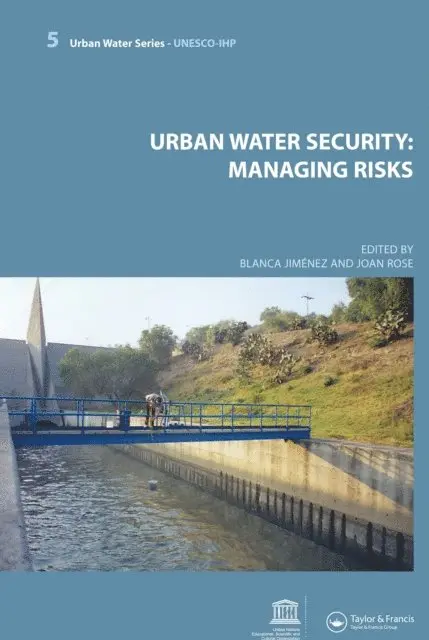
Understanding the impacts of urbanization on the urban water cycle and managing the associated health risks demand adequate strategies and measures. Health risks associated with urban water systems and services include the microbiological and chemical contamination of urban waters and outbreak of water-borne diseases, mainly due to poor water and sanitation in urban areas, and the discharge as well as the disposal of inadequately treated, or untreated, industrial and domestic wastewater. Climate change only exacerbates these problems, as alternative scenarios need to be taken into consideration in urban water risk management.Urban Water Security: Managing Risks – the result of a project by UNESCO’s International Hydrological Programme on the topic – addresses issues associated with urban water risks. The first section of the volume describes risks associated with urban water systems and services. The volume then discusses the concept of risk management for urban water systems and explores different approaches to managing and controlling urban water risks. A concluding section presents case studies on managing urban water risks.
993 kr
Skickas inom 10-15 vardagar
Understanding the impacts of urbanization on the urban water cycle and managing the associated health risks demand adequate strategies and measures. Health risks associated with urban water systems and services include the microbiological and chemical contamination of urban waters and outbreak of water-borne diseases, mainly due to poor water and sanitation in urban areas, and the discharge as well as the disposal of inadequately treated, or untreated, industrial and domestic wastewater. Climate change only exacerbates these problems, as alternative scenarios need to be taken into consideration in urban water risk management.Urban Water Security: Managing Risks – the result of a project by UNESCO’s International Hydrological Programme on the topic – addresses issues associated with urban water risks. The first section of the volume describes risks associated with urban water systems and services. The volume then discusses the concept of risk management for urban water systems and explores different approaches to managing and controlling urban water risks. A concluding section presents case studies on managing urban water risks.Urban Water Series - UNESCO-IHP, ISSN 1749-0790Following from the Sixth Phase of UNESCO’s International Hydrological Programme (2002–2007), the Urban Water Series – UNESCO-IHP addresses fundamental issues related to the role of water in cities and the effects of urbanization on the hydrological cycle and water resources. Focusing on the development of integrated approaches to sustainable urban water management, the Series should inform the work of urban water management practitioners, policy-makers and educators throughout the world.
1 566 kr
Skickas inom 5-8 vardagar
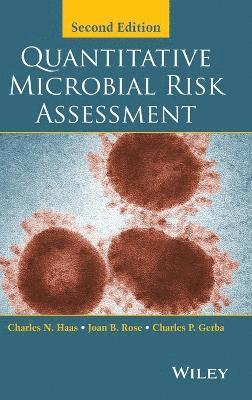
Provides the latest QMRA methodologies to determine infection risk cause by either accidental microbial infections or deliberate infections caused by terrorism• Reviews the latest methodologies to quantify at every step of the microbial exposure pathways, from the first release of a pathogen to the actual human infection• Provides techniques on how to gather information, on how each microorganism moves through the environment, how to determine their survival rates on various media, and how people are exposed to the microorganism• Explains how QMRA can be used as a tool to measure the impact of interventions and identify the best policies and practices to protect public health and safety• Includes new information on genetic methods• Techniques use to develop risk models for drinking water, groundwater, recreational water, food and pathogens in the indoor environment
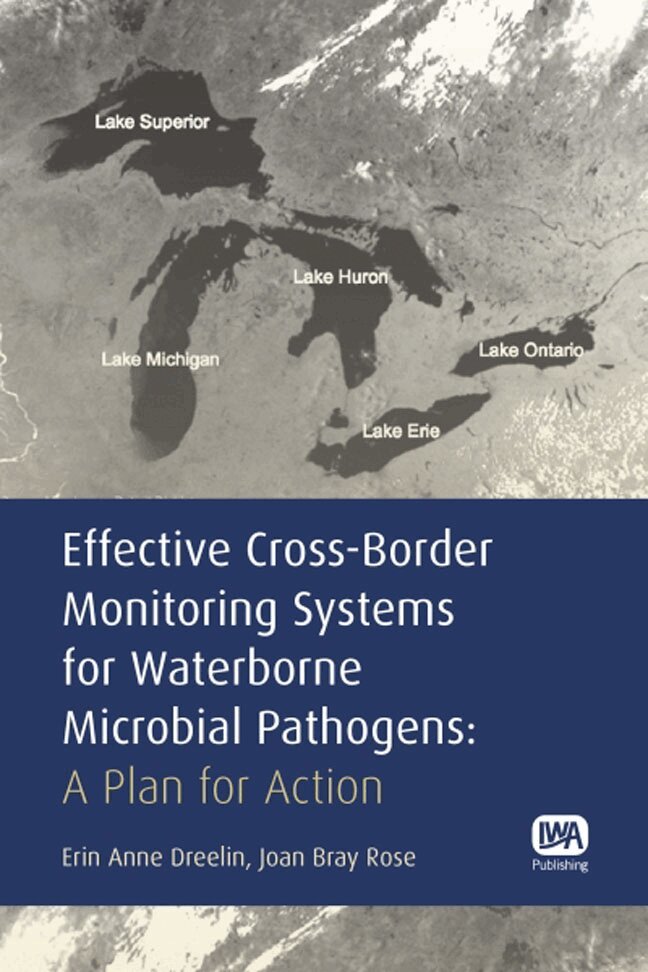
Effective Cross-Border Monitoring Systems for Waterborne Microbial Pathogens
Inbunden, Engelska, 2008
1 822 kr
Tillfälligt slut
This book provides a real-world analysis of how to quantify and prioritize water-based microbial threats to human health, how to design data collection systems that truly support management decisions, and how to build a comprehensive monitoring program when dealing with cross-boundary issues. International borders and cross-boundary issues complicate water resource management. Even if nations or jurisdictions agree on the nature and source of the problem, differing legal frameworks complicate cross-border management, as the procedural steps and time necessary to implement a solution vary among entities. Waterborne pathogens transcend political boundaries and challenge the use of traditional political jurisdictions in meeting public policy objectives to protect human health. Disease outbreaks caused by waterborne pathogens continue to occur, even in the developed world. There has been a pronounced trend toward new and increasingly complex institutions and policies to address regional water quality management issues. However, many questions continue to arise regarding the effective management of regional resources. These questions include how to design effective monitoring strategies and what can be learned from previous successes and failures. The Laurentian Great Lakes offers a model system for exploring these questions. This book will be a valuable reference source for researchers and graduate students working in environmental science, microbiology, engineering, and biological sciences, as well as all those concerned with water quality monitoring programs.