Board on International Comparative Studies in Education – författare
Visar alla böcker från författaren Board on International Comparative Studies in Education. Handla med fri frakt och snabb leverans.
10 produkter
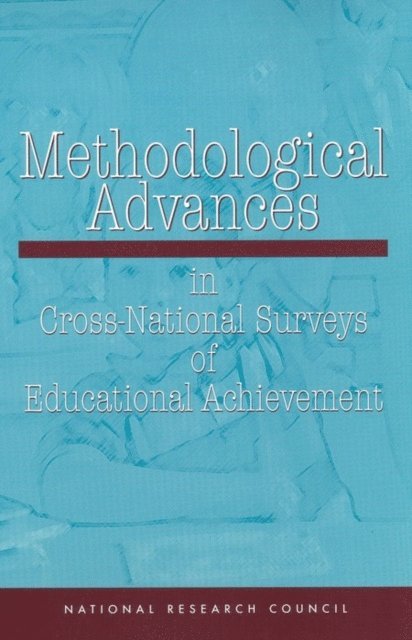
Methodological Advances in Cross-National Surveys of Educational Achievement
Av National Research Council, Division of Behavioral and Social Sciences and Education m. fl.
Häftad, 2002
910 kr
Lägg i varukorg
In November 2000, the Board on International Comparative Studies in Education (BICSE) held a symposium to draw on the wealth of experience gathered over a four--decade period, to evaluate improvement in the quality of the methodologies used in international studies, and to identify the most …
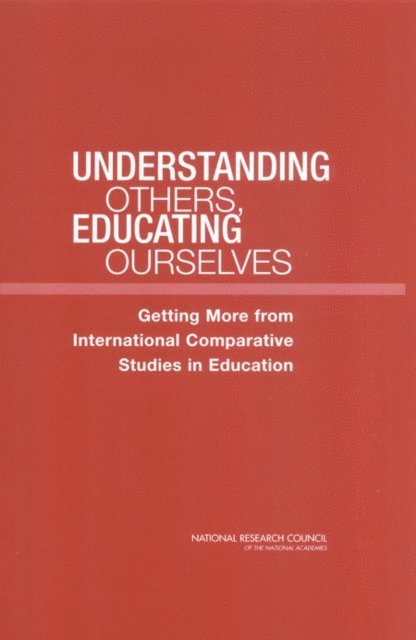
Understanding Others, Educating Ourselves
Getting More from International Comparative Studies in Education
Av Committee on a Framework and Long-term Research Agenda for International Comparative Education Studies, Board on International Comparative Studies in Education m. fl.
E-bok, 2003
640 kr
Lägg i varukorg
Since 1988, the Board on International Comparative Studies in Education (BICSE) at the (U.S.) National Research Council of the National Academies has engaged in activities designed to increase the rigor and sophistication of international comparative studies in education by encouraging synergies …
Methodological Advances in Cross-National Surveys of Educational Achievement
Av Board on International Comparative Studies in Education, Board on Testing and Assessment m. fl.
E-bok, 2002
1010 kr
Lägg i varukorg
In November 2000, the Board on International Comparative Studies in Education (BICSE) held a symposium to draw on the wealth of experience gathered over a four—decade period, to evaluate improvement in the quality of the methodologies used in international studies, and to identify the most pressing …
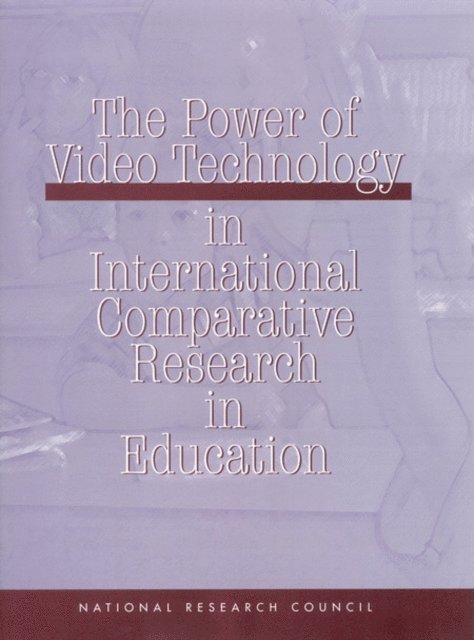
Power of Video Technology in International Comparative Research in Education
Av Board on International Comparative Studies in Education, Board on Testing and Assessment m. fl.
E-bok, 2001
404 kr
Lägg i varukorg
Video technology offers a number of important potential benefits to researchers and policy makers interested in international comparative research. However, a number of practical and methodological issues remain to be addressed, including sample sizes and the confidentiality of research …
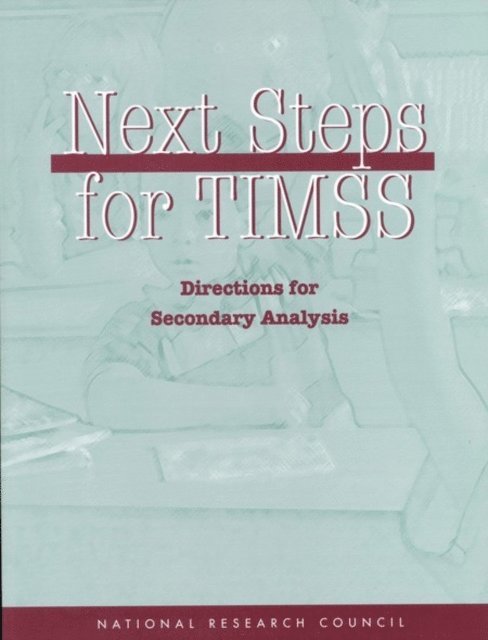
Next Steps for TIMSS
Directions for Secondary Analysis
Av Board on International Comparative Studies in Education, Board on Testing and Assessment m. fl.
E-bok, 1999
640 kr
Lägg i varukorg
Now that the initial results of The Third International Mathematics and Science Study (TIMSS) have been released, the Board on International Comparative Studies in Education (BICSE) has turned its attention to what happens next. The TIMSS data are potentially useful to researchers, policy makers, …
Methodological Advances in Cross-National Surveys of Educational Achievement
Av Board on International Comparative Studies in Education, Board on Testing and Assessment m. fl.
E-bok, 2002
716 kr
Lägg i varukorg
In November 2000, the Board on International Comparative Studies in Education (BICSE) held a symposium to draw on the wealth of experience gathered over a four—decade period, to evaluate improvement in the quality of the methodologies used in international studies, and to identify the most pressing …
Power of Video Technology in International Comparative Research in Education
Av Board on International Comparative Studies in Education, Board on Testing and Assessment m. fl.
E-bok, 2001
278 kr
Lägg i varukorg
Video technology offers a number of important potential benefits to researchers and policy makers interested in international comparative research. However, a number of practical and methodological issues remain to be addressed, including sample sizes and the confidentiality of research …
Understanding Others, Educating Ourselves
Getting More from International Comparative Studies in Education
Av Committee on a Framework and Long-term Research Agenda for International Comparative Education Studies, Board on International Comparative Studies in Education m. fl.
E-bok, 2003
455 kr
Lägg i varukorg
Since 1988, the Board on International Comparative Studies in Education (BICSE) at the (U.S.) National Research Council of the National Academies has engaged in activities designed to increase the rigor and sophistication of international comparative studies in education by encouraging synergies …
Next Steps for TIMSS
Directions for Secondary Analysis
Av Board on International Comparative Studies in Education, Board on Testing and Assessment m. fl.
E-bok, 1999
455 kr
Lägg i varukorg
Now that the initial results of The Third International Mathematics and Science Study (TIMSS) have been released, the Board on International Comparative Studies in Education (BICSE) has turned its attention to what happens next. The TIMSS data are potentially useful to researchers, policy makers, …
Understanding Others, Educating Ourselves
Getting More from International Comparative Studies in Education
Av National Research Council, Division of Behavioral and Social Sciences and Education m. fl.
Häftad, 2003
660 kr
Tillfälligt slut
Since 1988, the Board on International Comparative Studies in Education (BICSE) at the (U.S.) National Research Council of the National Academies has engaged in activities designed to increase the rigor and sophistication of international comparative studies in education by encouraging synergies …