Boris Boincean - Böcker
Visar alla böcker från författaren Boris Boincean. Handla med fri frakt och snabb leverans.
4 produkter
4 produkter
Farming the Black Earth
Sustainable and Climate-Smart Management of Chernozem Soils
Inbunden, Engelska, 2019
1 578 kr
Skickas inom 10-15 vardagar
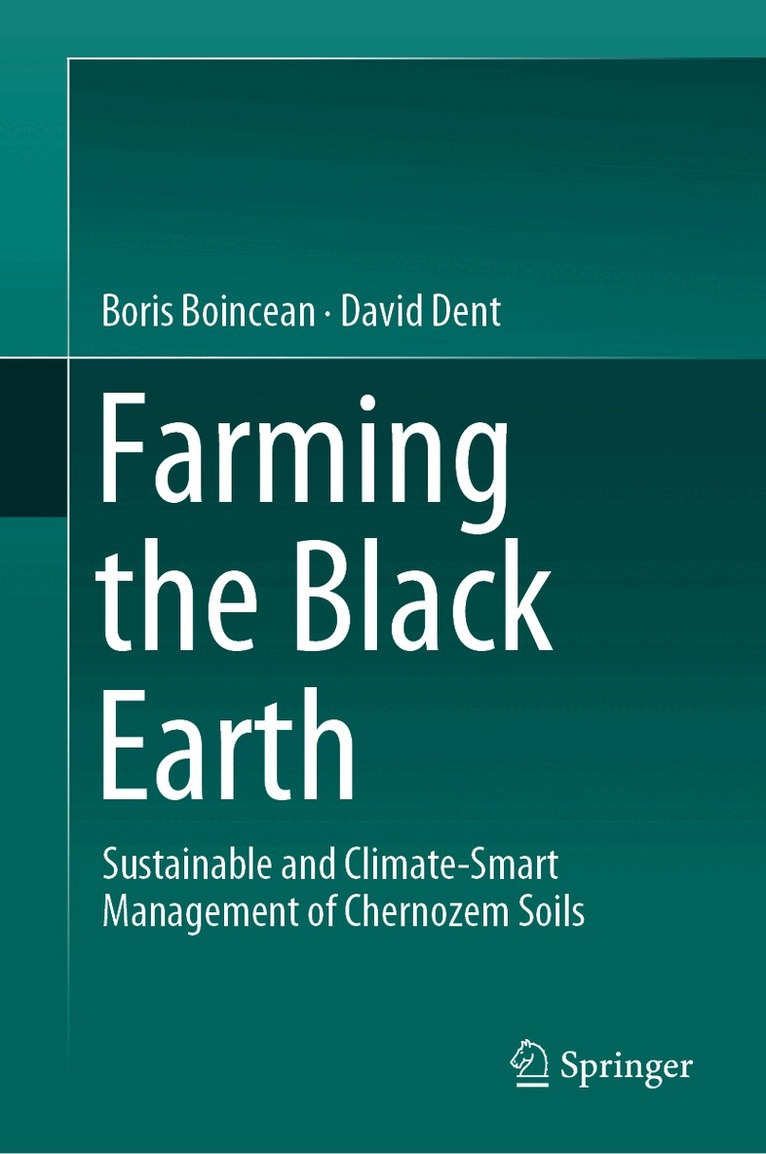
This book deals with the sustainability of agriculture on the Black Earth by drawing on data from long-term field experiments. It emphasises the opportunities for greater food and water security at local and regional levels.The Black Earth, Chernozem in Russian, is the best arable soil in the world and the breadbasket of Europe and North America. It was the focus of scientific study at the very beginnings of soil science in the late 19th century—as a world in itself, created by the roots of the steppe grasses building a water-stable granular structure that holds plentiful water, allows rapid infiltration of rain and snow melt, and free drainage of any surplus.Under the onslaught of industrial farming, Chernozem have undergone profound but largely unnoticed changes with far-reaching consequences—to the point that agriculture on Chernozem is no longer sustainable. The effects of agricultural practices on global warming, the diversion of rainfall away from replenishment of water resources to destructive runoff, and the pollution of streams and groundwater are all pressing issues. Sustainability absolutely requires that these consequences be arrested.
Farming the Black Earth
Sustainable and Climate-Smart Management of Chernozem Soils
Häftad, Engelska, 2020
1 578 kr
Skickas inom 10-15 vardagar
This book deals with the sustainability of agriculture on the Black Earth by drawing on data from long-term field experiments. It emphasises the opportunities for greater food and water security at local and regional levels.The Black Earth, Chernozem in Russian, is the best arable soil in the world and the breadbasket of Europe and North America. It was the focus of scientific study at the very beginnings of soil science in the late 19th century—as a world in itself, created by the roots of the steppe grasses building a water-stable granular structure that holds plentiful water, allows rapid infiltration of rain and snow melt, and free drainage of any surplus.Under the onslaught of industrial farming, Chernozem have undergone profound but largely unnoticed changes with far-reaching consequences—to the point that agriculture on Chernozem is no longer sustainable. The effects of agricultural practices on global warming, the diversion of rainfall away from replenishment of water resources to destructive runoff, and the pollution of streams and groundwater are all pressing issues. Sustainability absolutely requires that these consequences be arrested.
3 429 kr
Skickas inom 10-15 vardagar
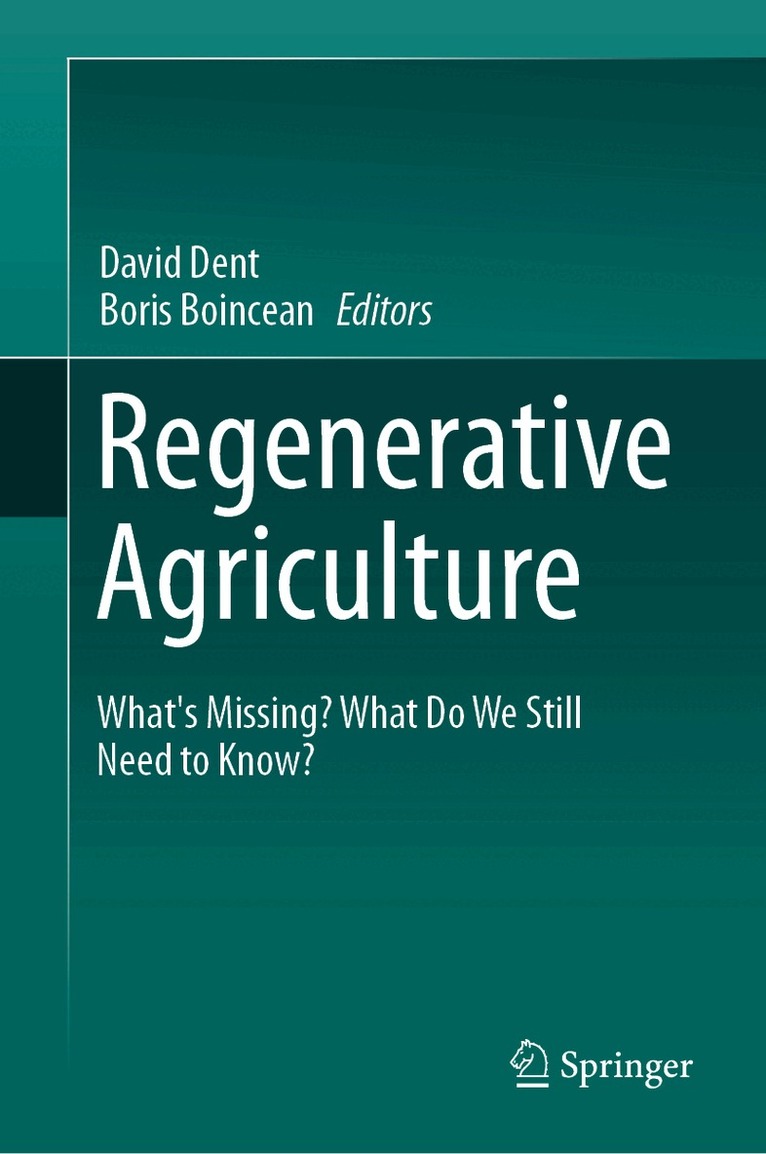
The food system is our last coal-fired power station, our last diesel engine. This book is a trans-disciplinary approach to what needs to be done to make our food system sustainable and to regenerate soil and water resources, habitat, economy and society. The book brings back classical principles of agronomy and integrates economic, agro-ecological and social perspectives, drawing on a wealth of expertise on the political economy of the food system, Conservation Agriculture, and long-term field experiments.Regenerative agriculture builds on known knowns – like crop rotation, water and nutrient requirements, soil and water conservation, farm-gate prices, international trade and supply chains. It grapples with known unknowns – like weed, pest and disease control without agrochemicals, cover crops for profit as well as protection, mitigating and adapting to the climate crisis, resilience and tipping points in ecosystems, farming systems and societies,and how we can pay for imperative changes. Lastly, it acknowledges unknown unknowns – the things we are oblivious to but which we really must know – like how to liberate the ghettos of the mind inhabited by farmers, agronomists, politicians and societies.
3 429 kr
Skickas inom 10-15 vardagar
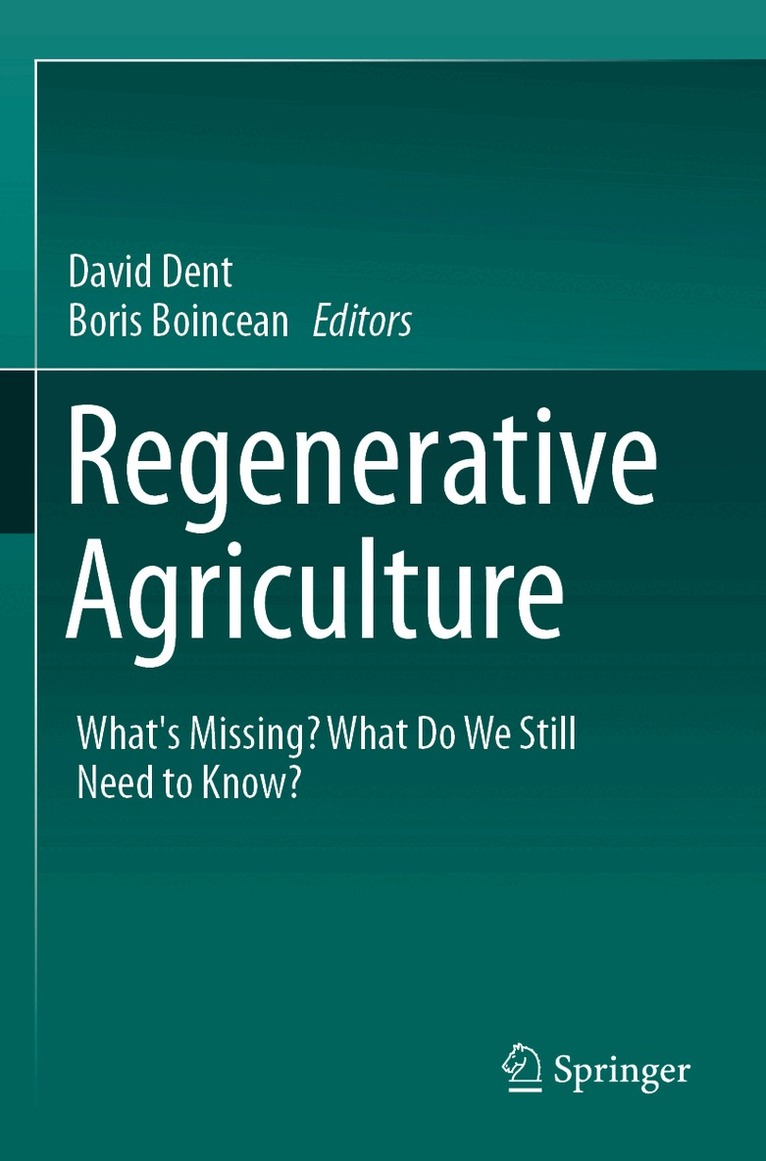
The food system is our last coal-fired power station, our last diesel engine. This book is a trans-disciplinary approach to what needs to be done to make our food system sustainable and to regenerate soil and water resources, habitat, economy and society. The book brings back classical principles of agronomy and integrates economic, agro-ecological and social perspectives, drawing on a wealth of expertise on the political economy of the food system, Conservation Agriculture, and long-term field experiments.Regenerative agriculture builds on known knowns – like crop rotation, water and nutrient requirements, soil and water conservation, farm-gate prices, international trade and supply chains. It grapples with known unknowns – like weed, pest and disease control without agrochemicals, cover crops for profit as well as protection, mitigating and adapting to the climate crisis, resilience and tipping points in ecosystems, farming systems and societies,and how we can pay for imperative changes. Lastly, it acknowledges unknown unknowns – the things we are oblivious to but which we really must know – like how to liberate the ghettos of the mind inhabited by farmers, agronomists, politicians and societies.