Boris I. Kharisov – författare
966 kr
Skickas inom 10-15 vardagar
1 103 kr
Läs direkt efter köp
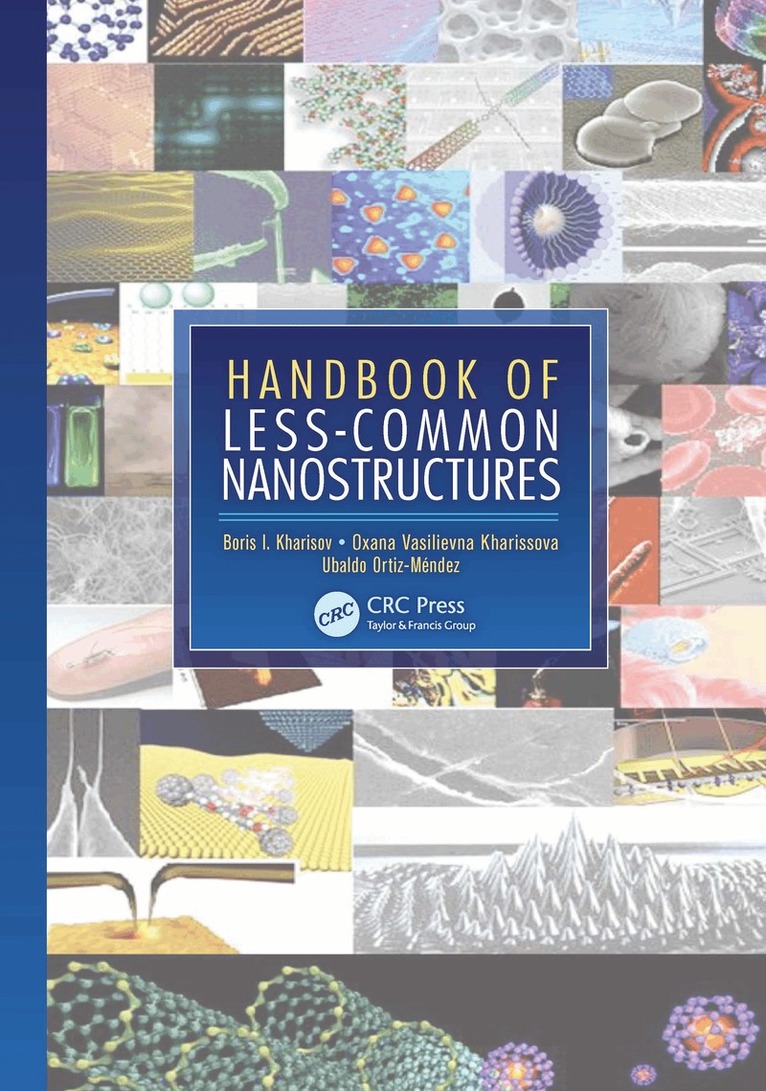
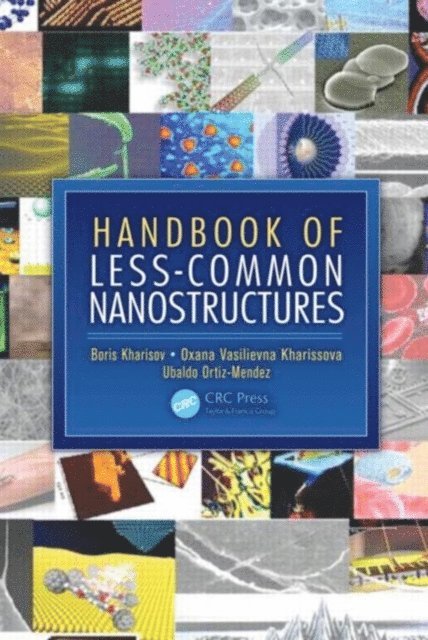
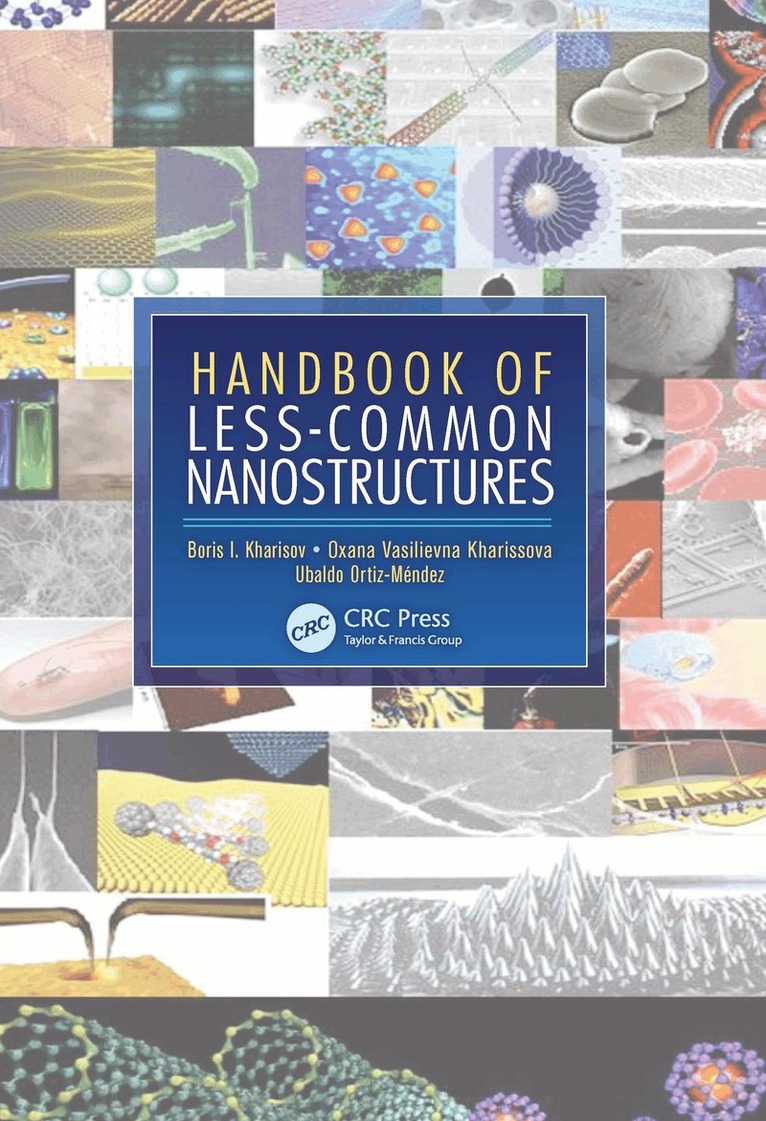
As nanotechnology has developed over the last two decades, some nanostructures, such as nanotubes, nanowires, and nanoparticles, have become very popular. However, recent research has led to the discovery of other, less-common nanoforms, which often serve as building blocks for more complex structures.
In an effort to organize the field, the Handbook of Less-Common Nanostructures presents an informal classification based mainly on the less-common nanostructures. A small nanotechnological encyclopedia, this book:
Describes a range of little-known nanostructures Offers a unifying vision of the synthesis of nanostructures and the generalization of rare nanoforms Includes downloadable resources with color versions of more than 100 nanostructures Explores the fabrication of rare nanostructures, including modern physical, chemical, and biological synthesis techniquesThe Handbook of Less-Common Nanostructures discusses a classification system not directly related to the dimensionality and chemical composition of nanostructure-forming compounds or composite. Instead, it is based mainly on the less-common nanostructures. Possessing unusual shapes and high surface areas, these structures are potentially very useful for catalytic, medical, electronic, and many other applications.
1 826 kr
Skickas inom 5-8 vardagar
2 061 kr
Läs direkt efter köp
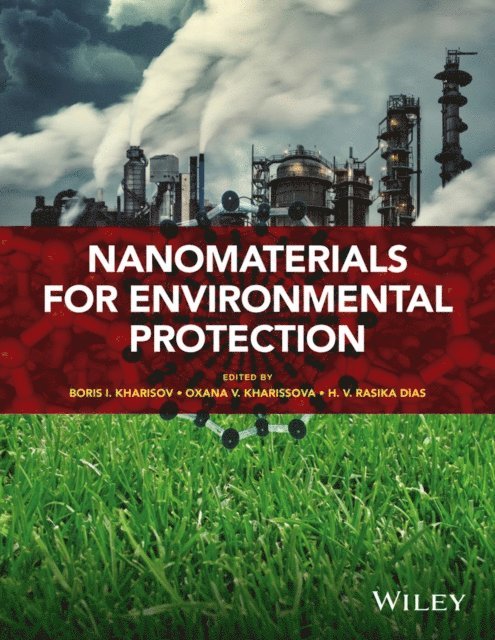
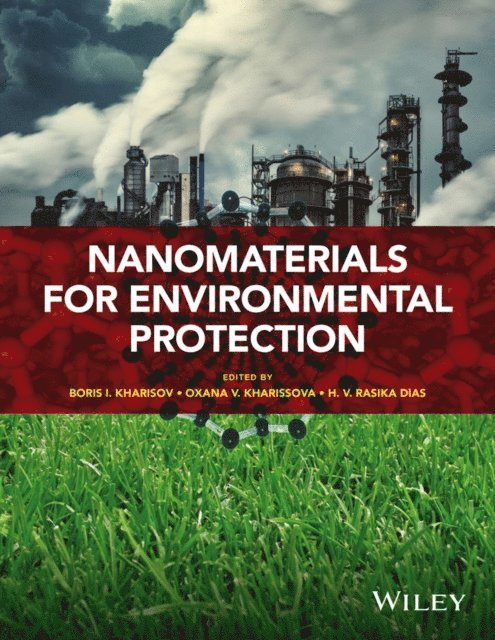
This book is divided into four main sections thoroughly analyzing the use of nanomaterials for water, air and soil solutions, and emphasizing environmental risks. Providing background on nanomaterials'' two-decade study, it discusses the characterization and application of unconventional disinfectants, called antimicrobial nanomaterials, which fall into three categories and, while seemingly harmless, have potential hazards if applied improperly. Special attention is given to the process of remediation, synthetics techniques, and properties of nanomaterials, with examples to which new and trained readers in the field can relate and understand.
an interdisciplinary approach, aimed at scientists in physical chemistry, nanotechnology, and environmental sciences includes applications of non-conventional techniques in environmental protection furthers the development of applied nanoscience and nanotechnology suggests new industrial projects and university courses addressing nanotechnology in and for the environment includes applications for water, air and soil protection2 135 kr
Läs direkt efter köp
This book is divided into four main sections thoroughly analyzing the use of nanomaterials for water, air and soil solutions, and emphasizing environmental risks. Providing background on nanomaterials'' two-decade study, it discusses the characterization and application of unconventional disinfectants, called antimicrobial nanomaterials, which fall into three categories and, while seemingly harmless, have potential hazards if applied improperly. Special attention is given to the process of remediation, synthetics techniques, and properties of nanomaterials, with examples to which new and trained readers in the field can relate and understand.
an interdisciplinary approach, aimed at scientists in physical chemistry, nanotechnology, and environmental sciences includes applications of non-conventional techniques in environmental protection furthers the development of applied nanoscience and nanotechnology suggests new industrial projects and university courses addressing nanotechnology in and for the environment includes applications for water, air and soil protection3 322 kr
Skickas inom 10-15 vardagar
1 103 kr
Läs direkt efter köp
As nanotechnology has developed over the last two decades, some nanostructures, such as nanotubes, nanowires, and nanoparticles, have become very popular. However, recent research has led to the discovery of other, less-common nanoforms, which often serve as building blocks for more complex structures.
In an effort to organize the field, the Handbook of Less-Common Nanostructures presents an informal classification based mainly on the less-common nanostructures. A small nanotechnological encyclopedia, this book:
Describes a range of little-known nanostructures Offers a unifying vision of the synthesis of nanostructures and the generalization of rare nanoforms Includes downloadable resources with color versions of more than 100 nanostructures Explores the fabrication of rare nanostructures, including modern physical, chemical, and biological synthesis techniquesThe Handbook of Less-Common Nanostructures discusses a classification system not directly related to the dimensionality and chemical composition of nanostructure-forming compounds or composite. Instead, it is based mainly on the less-common nanostructures. Possessing unusual shapes and high surface areas, these structures are potentially very useful for catalytic, medical, electronic, and many other applications.