Boris Michel – författare
2 193 kr
Skickas inom 10-15 vardagar
642 kr
Skickas inom 10-15 vardagar
730 kr
Läs direkt efter köp
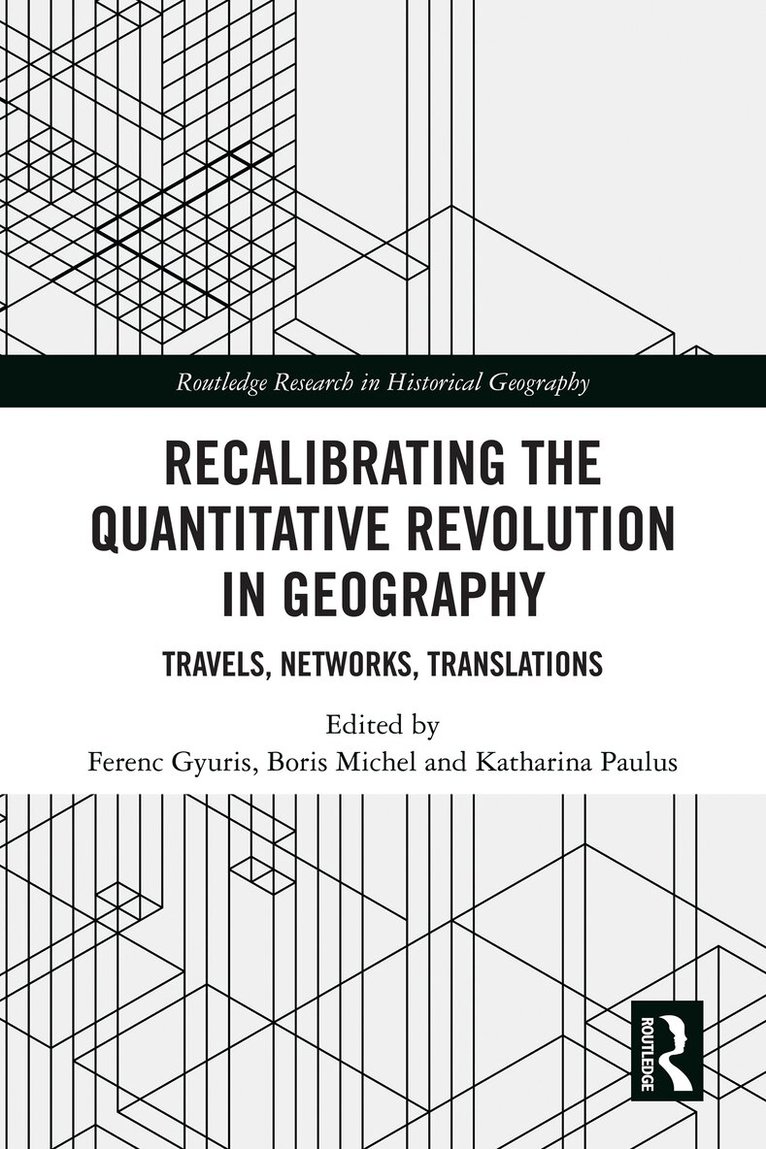
This book brings together international research on the quantitative revolution in geography. It offers perspectives from a wide range of contexts and national traditions that decenter the Anglo-centric discussions. The mid-20th-century quantitative revolution is frequently regarded as a decisive moment in the history of geography, transforming it into a modern and applied spatial science. This book highlights the different temporalities and spatialities of local geographies laying the ground for a global history of a specific mode of geographical thought. It contributes to the contemporary discussions around the geographies and mobilities of knowledge, notions of worlding, linguistic privilege, decolonizing and internationalizing of geographic knowledge.
This book will be of interest to researchers, postgraduates and advance students in geography and those interested in the spatial sciences.
757 kr
Läs direkt efter köp
This book brings together international research on the quantitative revolution in geography. It offers perspectives from a wide range of contexts and national traditions that decenter the Anglo-centric discussions. The mid-20th-century quantitative revolution is frequently regarded as a decisive moment in the history of geography, transforming it into a modern and applied spatial science. This book highlights the different temporalities and spatialities of local geographies laying the ground for a global history of a specific mode of geographical thought. It contributes to the contemporary discussions around the geographies and mobilities of knowledge, notions of worlding, linguistic privilege, decolonizing and internationalizing of geographic knowledge.
This book will be of interest to researchers, postgraduates and advance students in geography and those interested in the spatial sciences.
Handbuch Kritisches Kartieren
343 kr
Skickas inom 3-6 vardagar
391 kr
Läs direkt efter köp
Global-City-Forschung betrachtet meist wenige Metropolen im Norden. Die großen Städte im globalen Süden hingegen tauchen dort kaum auf. Jedoch: Unter Bedingungen neoliberaler Urbanisierung stellen Diskurse der Global City für Planer, lokalen Staat sowie Ober- und Mittelschichten dieser Städte oft einen wichtigen Bezugspunkt und ein Versprechen von Aufstieg und Modernität dar.Am Beispiel der philippinischen Hauptstadt Manila untersucht Boris Michel Räume der Ober- und Mittelschichten in einer Stadt, die gemeinhin als unkontrollierbare Megacity der Dritten Welt gilt. Dabei geht es um Gated Communities und städtische Großprojekte, um privatisierte Konsumräume und Gentrifizierung, um Exklusivität und Exklusion sowie um den historischen Wandel städtischen Regierens.