Bram Büscher – författare
Visar alla böcker från författaren Bram Büscher. Handla med fri frakt och snabb leverans.
13 produkter
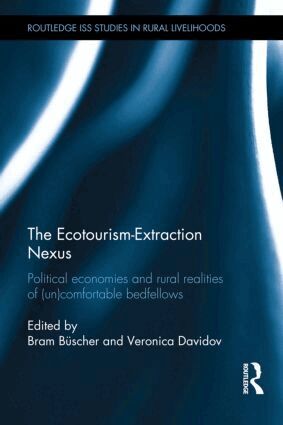
Ecotourism-Extraction Nexus
Political Economies and Rural Realities of (un)Comfortable Bedfellows
Av Bram Büscher, Veronica Davidov
Inbunden, 2013
2504 kr
Lägg i varukorg
Ecotourism and natural resource extraction may be seen as contradictory pursuits, yet in reality they often take place side by side, sometimes even supported by the same institutions. Existing academic and policy literatures generally overlook the phenomenon of ecotourism in areas concurrently …
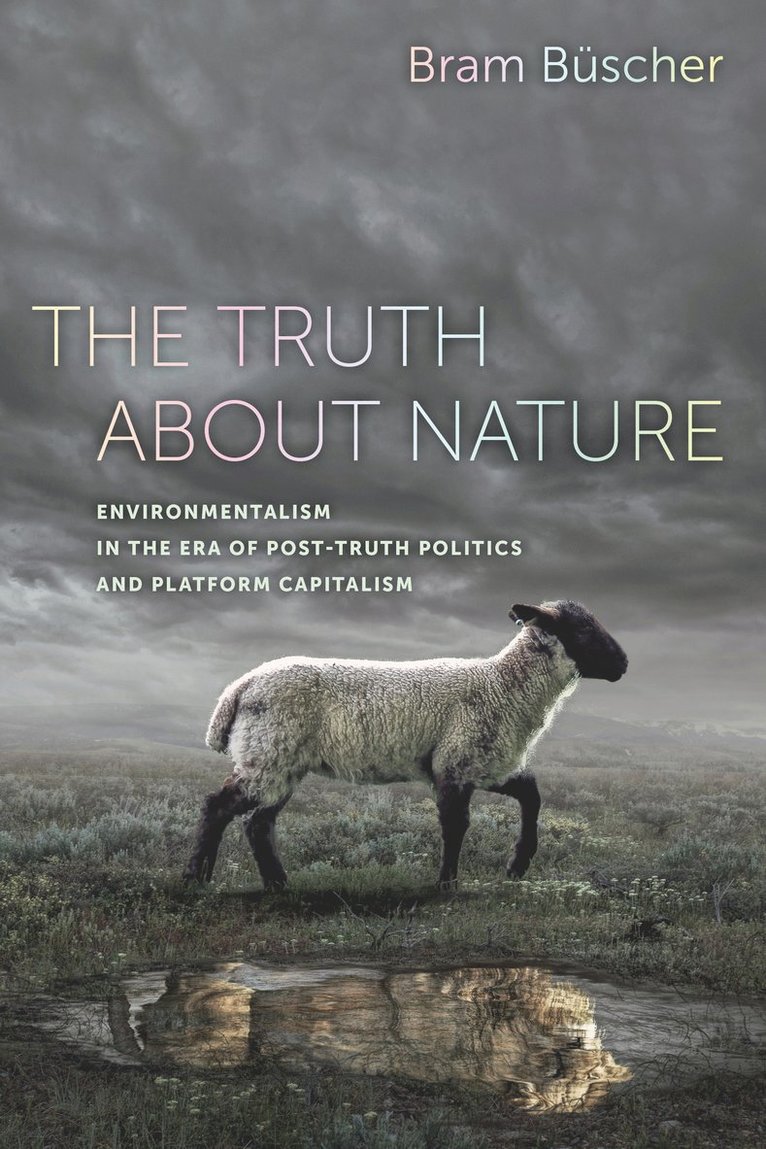
Truth about Nature
Environmentalism in the Era of Post-truth Politics and Platform Capitalism
Av Bram Büscher
Inbunden, 2020
1156 kr
Lägg i varukorg
How should we share the truth about the environmental crisis? At a moment when even the most basic facts about ecology and the climate face contestation and contempt, environmental advocates are at an impasse. Many have turned to social media and digital technologies to shift the tide. But what if …
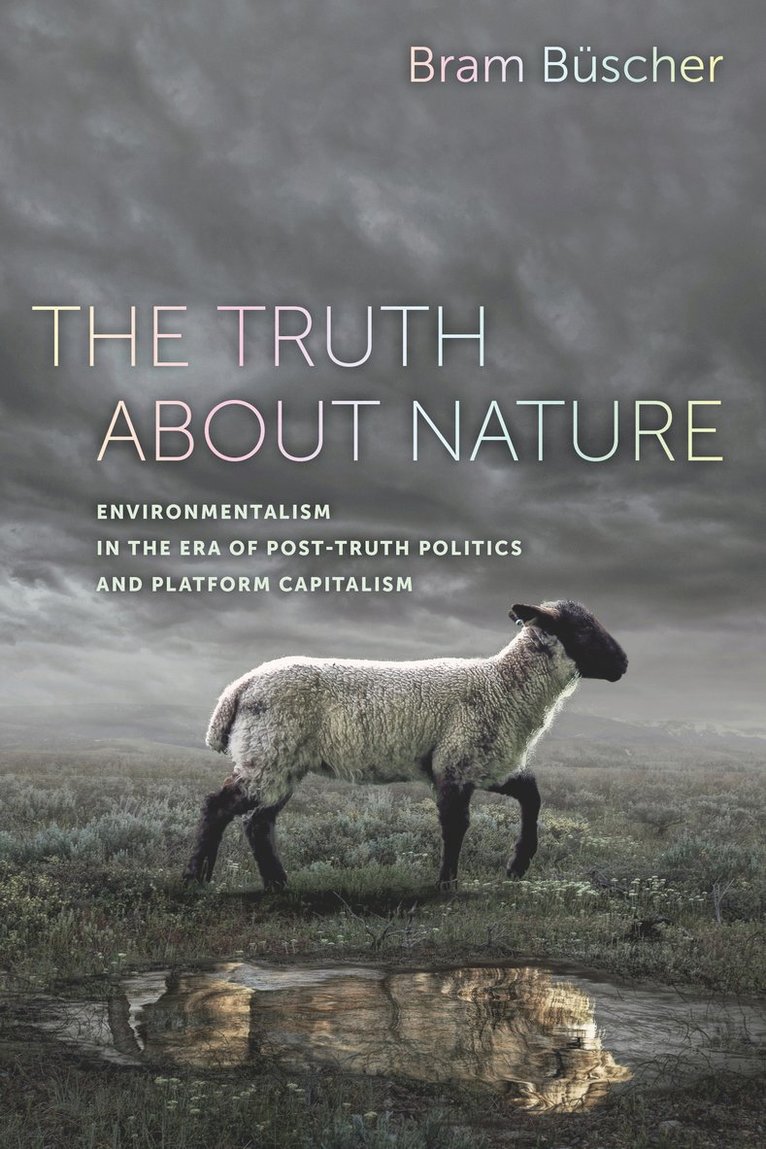
Truth about Nature
Environmentalism in the Era of Post-truth Politics and Platform Capitalism
Av Bram Büscher
Häftad, 2020
264 kr
Lägg i varukorg
How should we share the truth about the environmental crisis? At a moment when even the most basic facts about ecology and the climate face contestation and contempt, environmental advocates are at an impasse. Many have turned to social media and digital technologies to shift the tide. But what if …
Nature Inc.
Environmental Conservation in the Neoliberal Age
Av Bram Büscher, Wolfram Dressler m. fl.
Häftad, 2025
384 kr
Lägg i varukorg
Can 'market forces' solve the world's environmental problems? The stakes are undeniably high. With wildlife populations and biodiversity riches threatened across the globe, it is obvious that new and innovative methods of addressing the crisis are vital to the future of the planet. But is 'the …
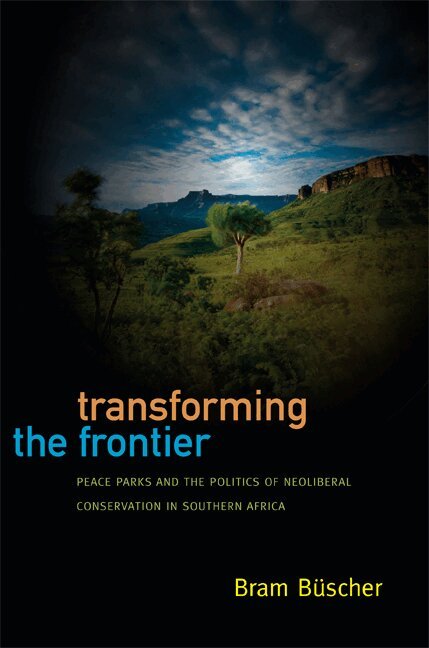
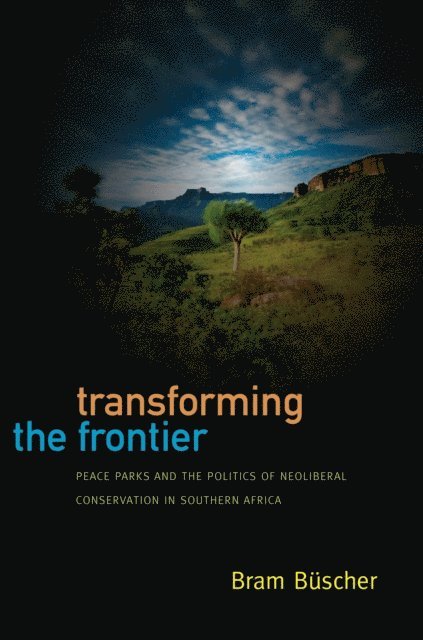
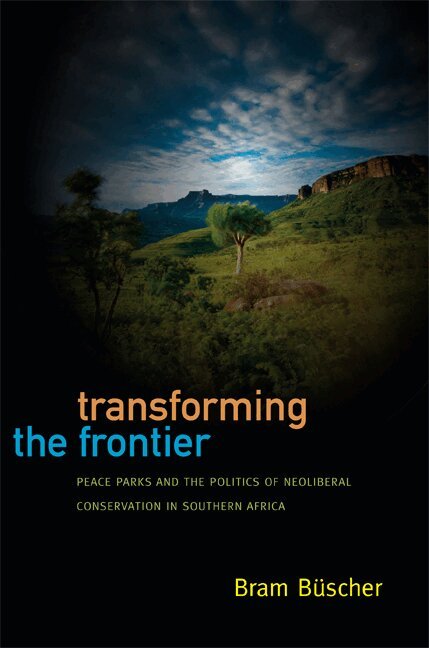
Transforming the Frontier
Peace Parks and the Politics of Neoliberal Conservation in Southern Africa
Av Bram Büscher
Häftad, 2013
384 kr
Lägg i varukorg
International peace parks-transnational conservation areas established and managed by two or more countries-have become a popular way of protecting biodiversity while promoting international cooperation and regional development. In Transforming the Frontier, Bram BÜscher shows how cross-border …
Transforming the Frontier
Peace Parks and the Politics of Neoliberal Conservation in Southern Africa
Av Bram Buscher
E-bok, 2013
587 kr
Lägg i varukorg
International peace parks—transnational conservation areas established and managed by two or more countries—have become a popular way of protecting biodiversity while promoting international cooperation and regional development. In Transforming the Frontier , Bram Büscher shows how cross-border …
Ecotourism-Extraction Nexus
Political Economies and Rural Realities of (un)Comfortable Bedfellows
Av Veronica Davidov, Bram Buscher
E-bok, 2013
1004 kr
Lägg i varukorg
Ecotourism and natural resource extraction may be seen as contradictory pursuits, yet in reality they often take place side by side, sometimes even supported by the same institutions. Existing academic and policy literatures generally overlook the phenomenon of ecotourism in areas concurrently …
Ecotourism-Extraction Nexus
Political Economies and Rural Realities of (un)Comfortable Bedfellows
Av Veronica Davidov, Bram Buscher
E-bok, 2013
983 kr
Lägg i varukorg
Ecotourism and natural resource extraction may be seen as contradictory pursuits, yet in reality they often take place side by side, sometimes even supported by the same institutions. Existing academic and policy literatures generally overlook the phenomenon of ecotourism in areas concurrently …
Ecotourism-Extraction Nexus
Political Economies and Rural Realities of (un)Comfortable Bedfellows
Av Bram Büscher, Veronica Davidov
Häftad, 2016
849 kr
Lägg i varukorg
Ecotourism and natural resource extraction may be seen as contradictory pursuits, yet in reality they often take place side by side, sometimes even supported by the same institutions. Existing academic and policy literatures generally overlook the phenomenon of ecotourism in areas concurrently …
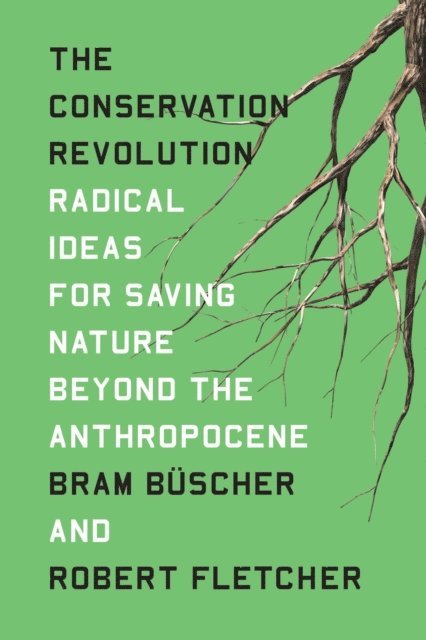
Conservation Revolution
Radical Ideas for Saving Nature Beyond the Anthropocene
Av Bram Büscher, Robert Fletcher
Häftad, 2020
196 kr
Lägg i varukorg
Conservation needs a revolution. This is the only way it can contribute to the drastic transformations needed to come to a truly sustainable model of development. The good news is that conservation is ready for revolution. Heated debates about the rise of the Anthropocene and the current 'sixth …
Conservation Revolution
Radical Ideas for Saving Nature Beyond the Anthropocene
Av Bram Büscher, Robert Fletcher
E-bok, 2020
170 kr
Lägg i varukorg
Conservation needs a revolution. This is the only way it can contribute to the drastic transformations needed to come to a truly sustainable model of development. The good news is that conservation is ready for revolution. Heated debates about the rise of the Anthropocene and the current ''sixth …
Engaged Encounters
Thinking about Forces, Fields and Friendships with Monique Nuijten
Av Elisabet Dueholm Rasch, Oscar Salemink m. fl.
Häftad, 2020
793 kr
Lägg i varukorg
Engaged Encounters: Thinking about Forces, Fields and Friendships with Monique Nuijten is a festschrift celebrating the scholarly, professional and personal contributions and insights of Monique Nuijten. As a creative scholar, Monique is known for her theoretical contributions to the study of …
Transforming the Frontier
Peace Parks and the Politics of Neoliberal Conservation in Southern Africa
Av Bram Büscher
Inbunden, 2013
1318 kr
Tillfälligt slut
International peace parks-transnational conservation areas established and managed by two or more countries-have become a popular way of protecting biodiversity while promoting international cooperation and regional development. In Transforming the Frontier, Bram BÜscher shows how cross-border …