Brian Crozier – författare
Visar alla böcker från författaren Brian Crozier. Handla med fri frakt och snabb leverans.
4 produkter
4 produkter
Häftad, Engelska, 2018
685 kr
Skickas inom 10-15 vardagar
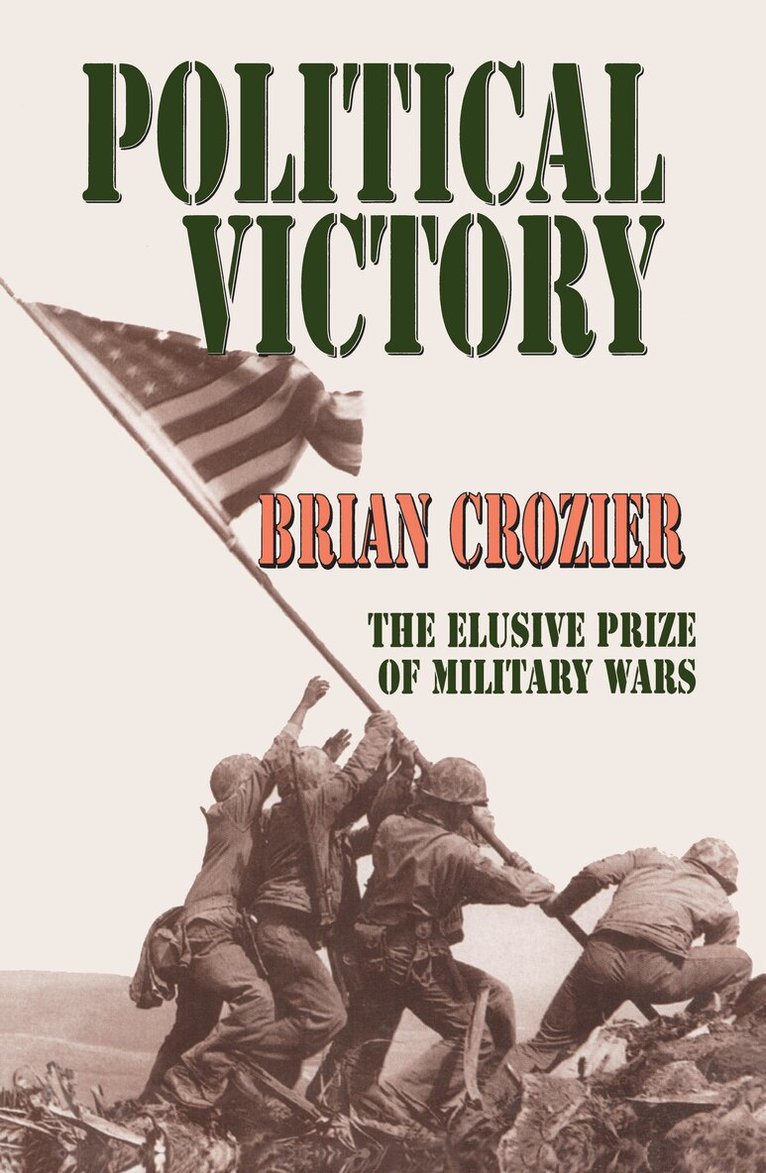
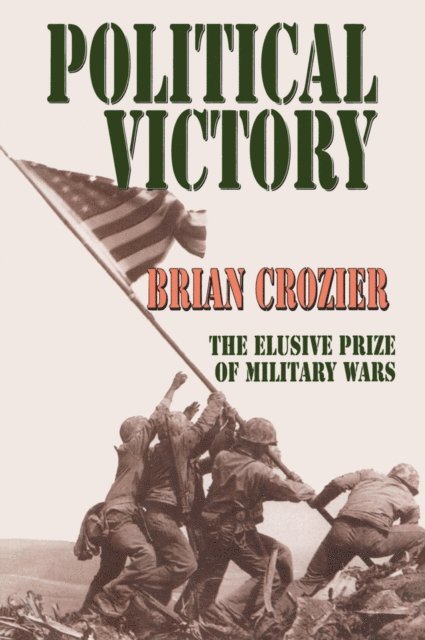
Success in war has always been difficult to measure. What is judged successful by military leaders may not be judged so by political leadership, nor by the wider public, at least in a Western-style democracy. The public is generally inclined to applaud military victory, but it instinctively reserves the right to ask afterwards: Was it really worth it? In Political Victory, Brian Crozier looks at modern wars involving democracies to evaluate victory and defeat by the success or failure of political outcomes.Crozier begins with the two world wars, where in both cases the German aggressor was defeated by three key democracies: the United States, the United Kingdom, and France. In World War I military victory was squandered by treaty terms that led to the advent of Hitler and Nazism. By contrast, the total defeat of Nazism in 1945 left the Western Allies in charge of some two-thirds of Germany's population, thus enabling the victors to convert the vanquished to democracy. Crozier also deals with the break up of empires following World War II, comparing how Britain avoided full-scale war in contrast with France's violent confrontations in Southeast Asia and Algeria.America's involvement in Vietnam is analyzed in the wider context of the Cold War and the mounting challenge of international communism to Western democracies. His assessment stresses the lack of popularity in America for the idea of democratizing a region to which the U.S. has no historical or sentimental attachment. Among the smaller conflicts considered in this volume are the Suez crisis of 1956, the Falkland Island war between Britain and Argentina, and the fateful Soviet involvement in Afghanistan that helped bring about the collapse of the Soviet system. Crozier concludes with analyses of the 1991 Gulf War and the Western intervention in the former Yugoslavia.Crozier's final chapters focus on looming threats around the world with particular emphasis on international terrorism and the challenge of radical Islam. Both historical and timely, Political Victory will be of interest to military historians, political scientists, and foreign affairs specialists.
Häftad, Engelska, 2018
450 kr
Skickas inom 10-15 vardagar
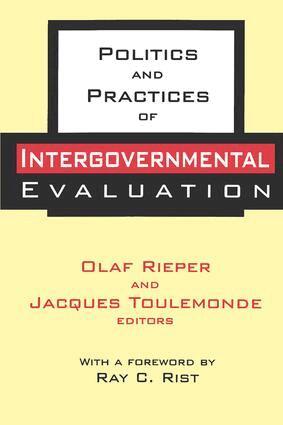
Great intellectual effort has gone into the development of sophisticated designs and methodologies to study individual policies, programs, and projects. Costly efforts to find the smallest evidence of a policy or program impact have been undertaken in the presumption that such data are central to policy decision making. Meanwhile, the intergovernmental nature of political and policy governance has been ignored. Whether it is Canada, the United States, England, Denmark, Sweden, Germany, Japan, or any other industrial country, the governmental structure is essentially a web of interrelated policies, programs, and projects. To understand local responsibilities and requirements, one must also understand the role that regional and national governmental agencies and administrations play. Politics and Practice of Intergovernmental Evaluation is a landmark work in the area of the evaluation of intergovernmental policies, programs, and projects. Comparative and cross-national in its perspective, the material presented here not only provides a systematic theoretical and empirical treatment of intergovernmental evaluation, but does so with case material from seven nations and the European Union. No other such comparative work exists on this topic. Contributors include: Jan Eric Furubo; Mary Henkel; Linda G. Morra; Robert V. Segsworth and Dale H. Poel; and Willi Zimmermann and Peter Knoepfel. The Politics and Practice of Intergovernmental Evaluation will be of interest to political theorists, policymakers, and scholars and students of government and the evaluation community.
Inbunden, Engelska, 2005
1 115 kr
Tillfälligt slut
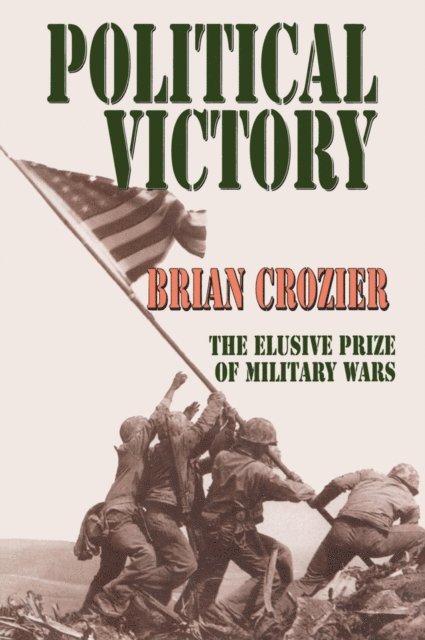
Success in war has always been difficult to measure. What is judged successful by military leaders may not be judged so by political leadership, nor by the wider public, at least in a Western-style democracy. The public is generally inclined to applaud military victory, but it instinctively reserves the right to ask afterwards: Was it really worth it? In Political Victory, Brian Crozier looks at modern wars involving democracies to evaluate victory and defeat by the success or failure of political outcomes.Crozier begins with the two world wars, where in both cases the German aggressor was defeated by three key democracies: the United States, the United Kingdom, and France. In World War I military victory was squandered by treaty terms that led to the advent of Hitler and Nazism. By contrast, the total defeat of Nazism in 1945 left the Western Allies in charge of some two-thirds of Germany's population, thus enabling the victors to convert the vanquished to democracy. Crozier also deals with the break up of empires following World War II, comparing how Britain avoided full-scale war in contrast with France's violent confrontations in Southeast Asia and Algeria.America's involvement in Vietnam is analyzed in the wider context of the Cold War and the mounting challenge of international communism to Western democracies. His assessment stresses the lack of popularity in America for the idea of democratizing a region to which the U.S. has no historical or sentimental attachment. Among the smaller conflicts considered in this volume are the Suez crisis of 1956, the Falkland Island war between Britain and Argentina, and the fateful Soviet involvement in Afghanistan that helped bring about the collapse of the Soviet system. Crozier concludes with analyses of the 1991 Gulf War and the Western intervention in the former Yugoslavia.Crozier's final chapters focus on looming threats around the world with particular emphasis on international terrorism and the challenge of radical Islam. Both historical and timely, Political Victory will be of interest to military historians, political scientists, and foreign affairs specialists.
Inbunden, Engelska, 1996
1 115 kr
Tillfälligt slut
Great intellectual effort has gone into the development of sophisticated designs and methodologies to study individual policies, programs, and projects. Costly efforts to find the smallest evidence of a policy or program impact have been undertaken in the presumption that such data are central to policy decision making. Meanwhile, the intergovernmental nature of political and policy governance has been ignored. Whether it is Canada, the United States, England, Denmark, Sweden, Germany, Japan, or any other industrial country, the governmental structure is essentially a web of interrelated policies, programs, and projects. To understand local responsibilities and requirements, one must also understand the role that regional and national governmental agencies and administrations play. Politics and Practice of Intergovernmental Evaluation is a landmark work in the area of the evaluation of intergovernmental policies, programs, and projects. Comparative and cross-national in its perspective, the material presented here not only provides a systematic theoretical and empirical treatment of intergovernmental evaluation, but does so with case material from seven nations and the European Union. No other such comparative work exists on this topic. Contributors include: Jan Eric Furubo; Mary Henkel; Linda G. Morra; Robert V. Segsworth and Dale H. Poel; and Willi Zimmermann and Peter Knoepfel. The Politics and Practice of Intergovernmental Evaluation will be of interest to political theorists, policymakers, and scholars and students of government and the evaluation community.