Brian Molyneaux – författare
Visar alla böcker från författaren Brian Molyneaux. Handla med fri frakt och snabb leverans.
6 produkter
6 produkter
Inbunden, Engelska, 2006
1 116 kr
Skickas inom 10-15 vardagar
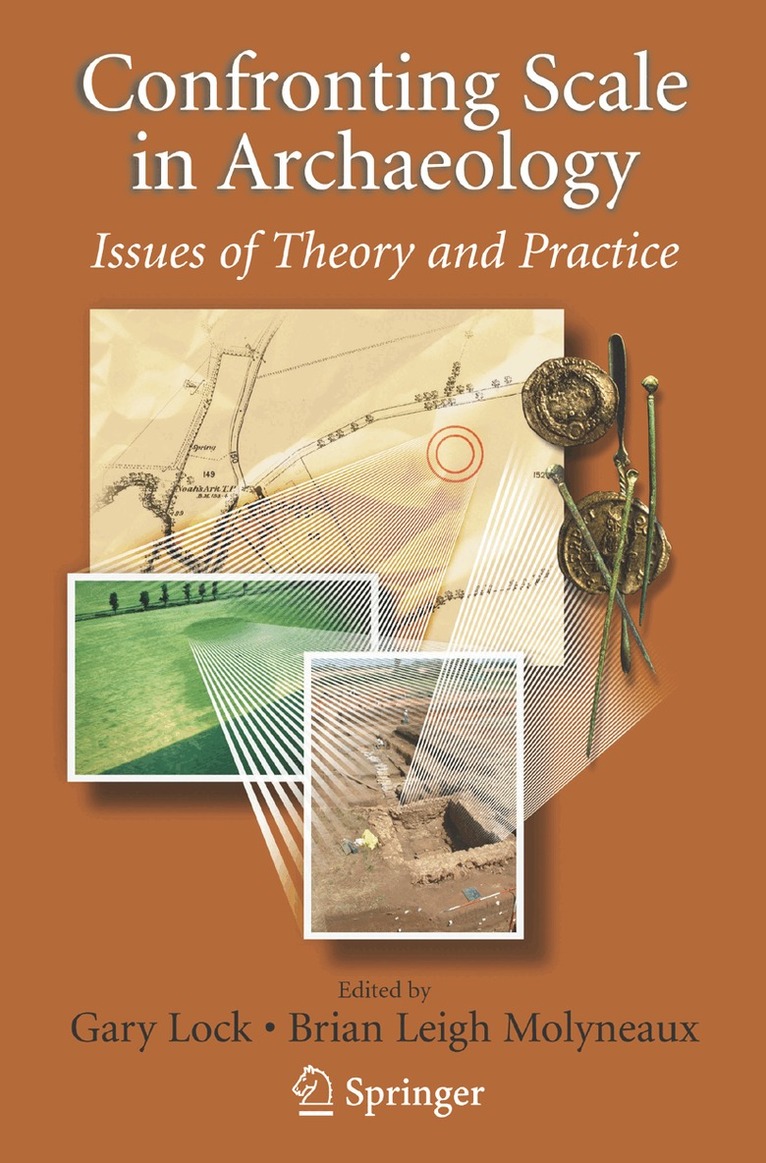
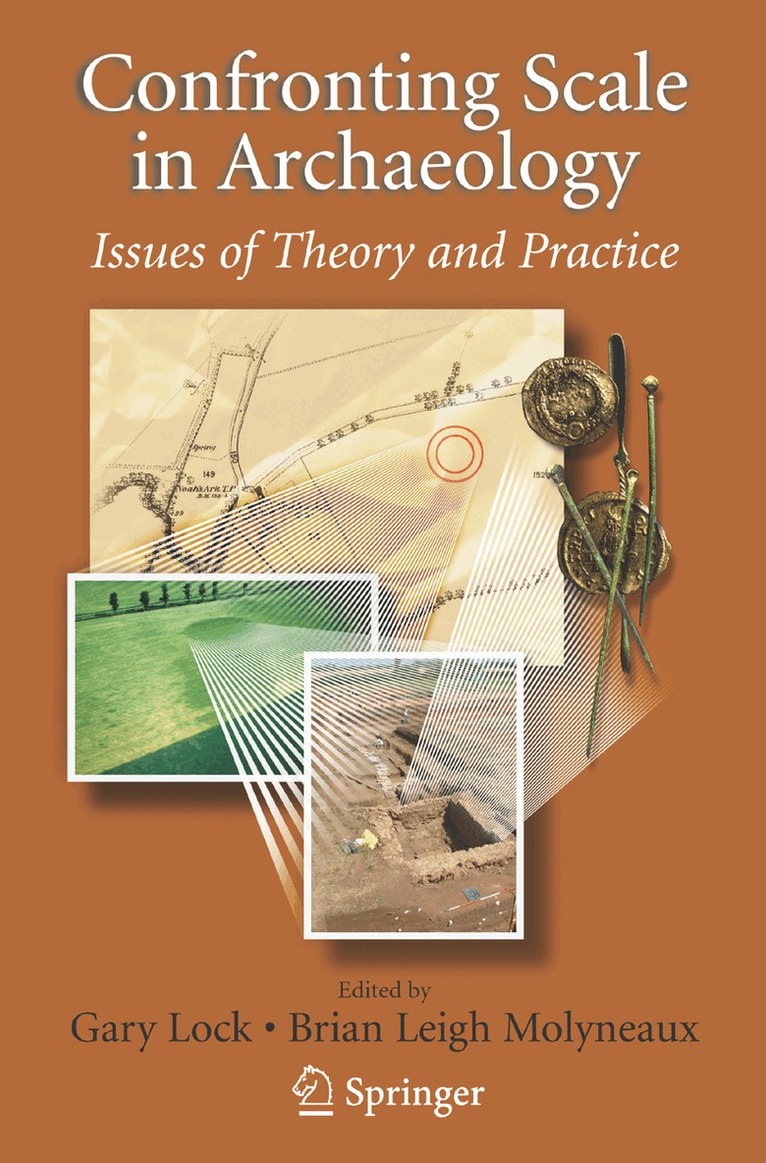
Archaeological analysis operates on a continuum of scale from the microscopic analysis of a single artifact to regional interpretations of cultural adaptations over thousands of years. A common assumption is that shifting from one scale to another in space and time is a seamless process. Scale in this sense is invisible, a mere mathematical abstraction. Yet, issues of scale exist at the fundamental level of archaeological interpretation. The traditional analytical debate in archaeology – between advocates of the so-called ‘‘processual’’ and ‘‘postprocessual’’ approaches – ranges around the question of scales of reasoning. At the one extreme, remote observation and the ability to interpret events and processes over vast reaches of time and space are possible, because the analysis concerns the hoped-for elucidation of general cultural processes; at the other, they are not, as both analyst and subject are isolated in their own subjectivities. Analysts occupying the middle ground often advocate a ‘‘multidimensional’’ or ‘‘holistic’’ approach, which involves multiple scales of analysis and interpretation. As the battleground tends to be the degree to which specific datasets and analytical processes justify the interpretations put forth, archaeologists rarely - dress issues relating to the profound shifts in the scale of visualization necessary in all approaches to the past. And why should they? Ignoring scale is the concession archaeology makes to interpretation.
E-bok
PDF, Engelska, 2006734 kr
Läs direkt efter köp
Archaeological analysis operates on a continuum of scale from the microscopic analysis of a single artifact to regional interpretations of cultural adaptations over thousands of years. A common assumption is that shifting from one scale to another in space and time is a seamless process. Scale in this sense is invisible, a mere mathematical abstraction. Yet, issues of scale exist at the fundamental level of archaeological interpretation. The traditional analytical debate in archaeology – between advocates of the so-called ‘‘processual’’ and ‘‘postprocessual’’ approaches – ranges around the question of scales of reasoning. At the one extreme, remote observation and the ability to interpret events and processes over vast reaches of time and space are possible, because the analysis concerns the hoped-for elucidation of general cultural processes; at the other, they are not, as both analyst and subject are isolated in their own subjectivities. Analysts occupying the middle ground often advocate a ‘‘multidimensional’’ or ‘‘holistic’’ approach, which involves multiple scales of analysis and interpretation. As the battleground tends to be the degree to which specific datasets and analytical processes justify the interpretations put forth, archaeologists rarely - dress issues relating to the profound shifts in the scale of visualization necessary in all approaches to the past. And why should they? Ignoring scale is the concession archaeology makes to interpretation.
Häftad, Engelska, 2007
562 kr
Skickas inom 10-15 vardagar
Archaeological analysis operates on a continuum of scale from the microscopic analysis of a single artifact to regional interpretations of cultural adaptations over thousands of years. A common assumption is that shifting from one scale to another in space and time is a seamless process. Scale in this sense is invisible, a mere mathematical abstraction. Yet, issues of scale exist at the fundamental level of archaeological interpretation. The traditional analytical debate in archaeology – between advocates of the so-called ‘‘processual’’ and ‘‘postprocessual’’ approaches – ranges around the question of scales of reasoning. At the one extreme, remote observation and the ability to interpret events and processes over vast reaches of time and space are possible, because the analysis concerns the hoped-for elucidation of general cultural processes; at the other, they are not, as both analyst and subject are isolated in their own subjectivities. Analysts occupying the middle ground often advocate a ‘‘multidimensional’’ or ‘‘holistic’’ approach, which involves multiple scales of analysis and interpretation. As the battleground tends to be the degree to which specific datasets and analytical processes justify the interpretations put forth, archaeologists rarely - dress issues relating to the profound shifts in the scale of visualization necessary in all approaches to the past. And why should they? Ignoring scale is the concession archaeology makes to interpretation.
Häftad, Engelska, 2017
96 kr
Skickas
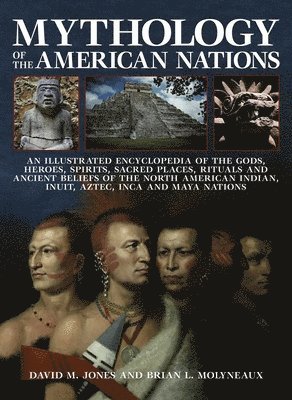
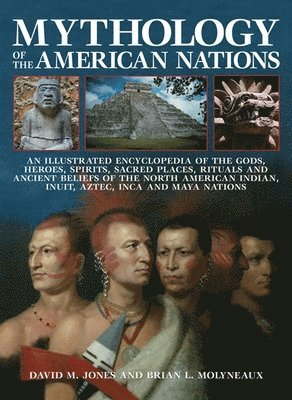
From the earliest times, people have told stories of allpowerful gods and goddesses, mighty spirits and fabulous creatures to explain the mysteries of life. This book explores the rich diversity of these legendary themes within North America, Mesoamerica and South America. An instantly accessible A-to-Z format provides concise, easy-to-locate entries on more than 900 key characters, enabling the reader to discover who is who in the mythology of the Americas. This book is a rich source of information for learning about and understanding the myths and religions of the indigenous inhabitants of the American continents.
Häftad, Engelska, 2013
130 kr
Skickas
Inbunden, Engelska, 2016
182 kr
Tillfälligt slut
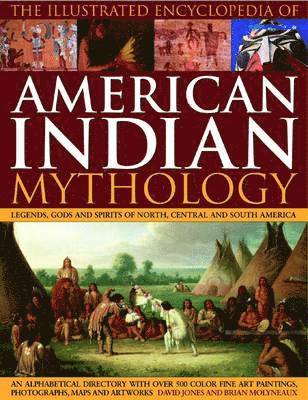
An instantly accessible A-to-Z format provides concise, easy-to-locate entries on more than 600 key characters, enabling the reader to discover who is who in the mythology of the Americas. The book is divided into three sections: North American mythology, Mesoamerican Mythology and South American Mythology. Each section focuses on the mythology of these distinct civilizations and regions. Within each section special illustrated feature spreads focus on unifying themes, such as Life, Death and the Afterlife; Creation Myths; Monsters and Demons; Star Knowledge; and Sacred Landscapes. Aimed at readers of all ages, this book is a rich source of information for learning about and understanding the myths and religions of the indigenous inhabitants of the American continents.