Brian P Forster – författare
Visar alla böcker från författaren Brian P Forster. Handla med fri frakt och snabb leverans.
9 produkter
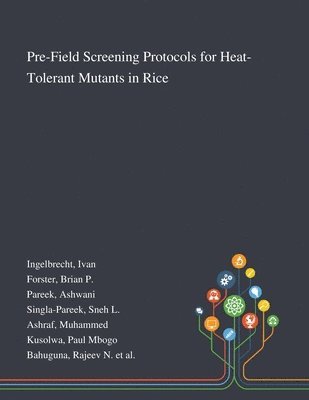
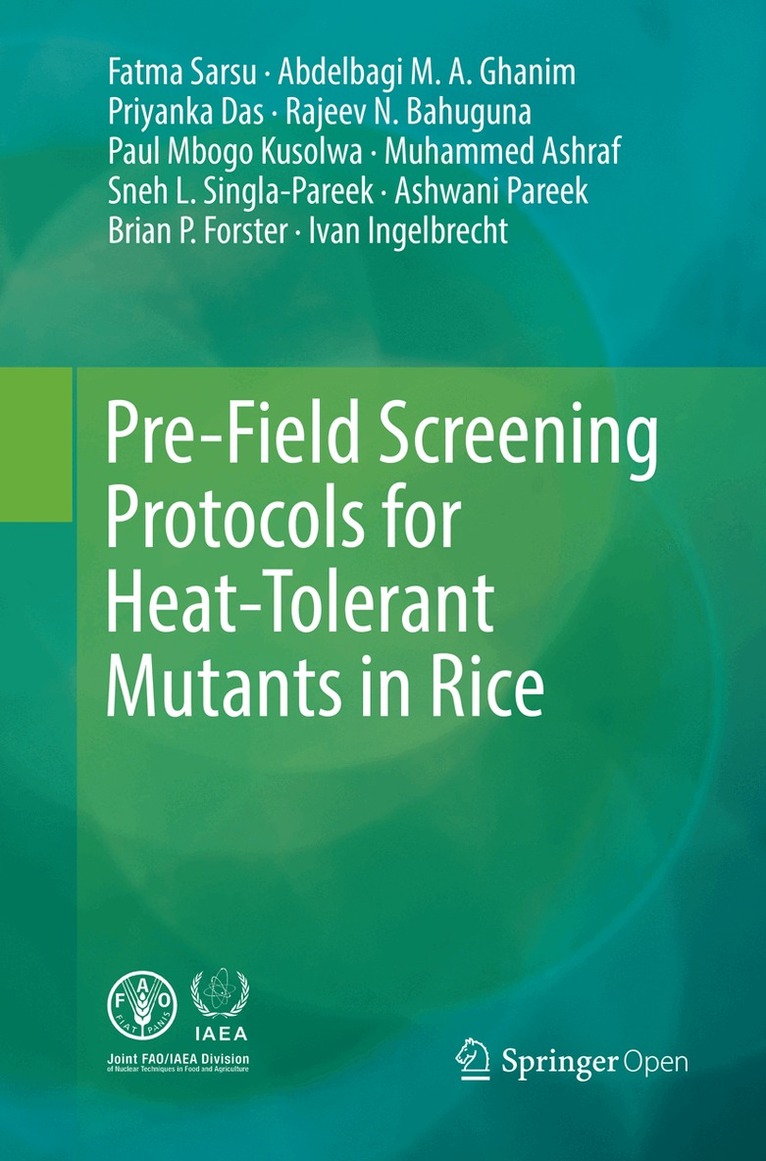
Pre-Field Screening Protocols for Heat-Tolerant Mutants in Rice
Av Ivan Ingelbrecht, Brian P Forster m. fl.
Häftad, 2020
527 kr
Lägg i varukorg
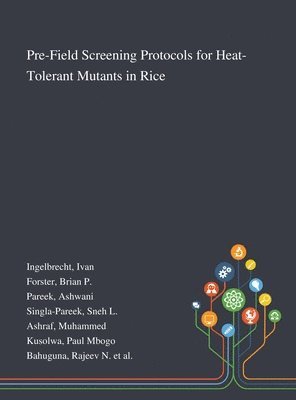
Pre-Field Screening Protocols for Heat-Tolerant Mutants in Rice
Av Ivan Ingelbrecht, Brian P Forster m. fl.
Inbunden, 2020
599 kr
Lägg i varukorg
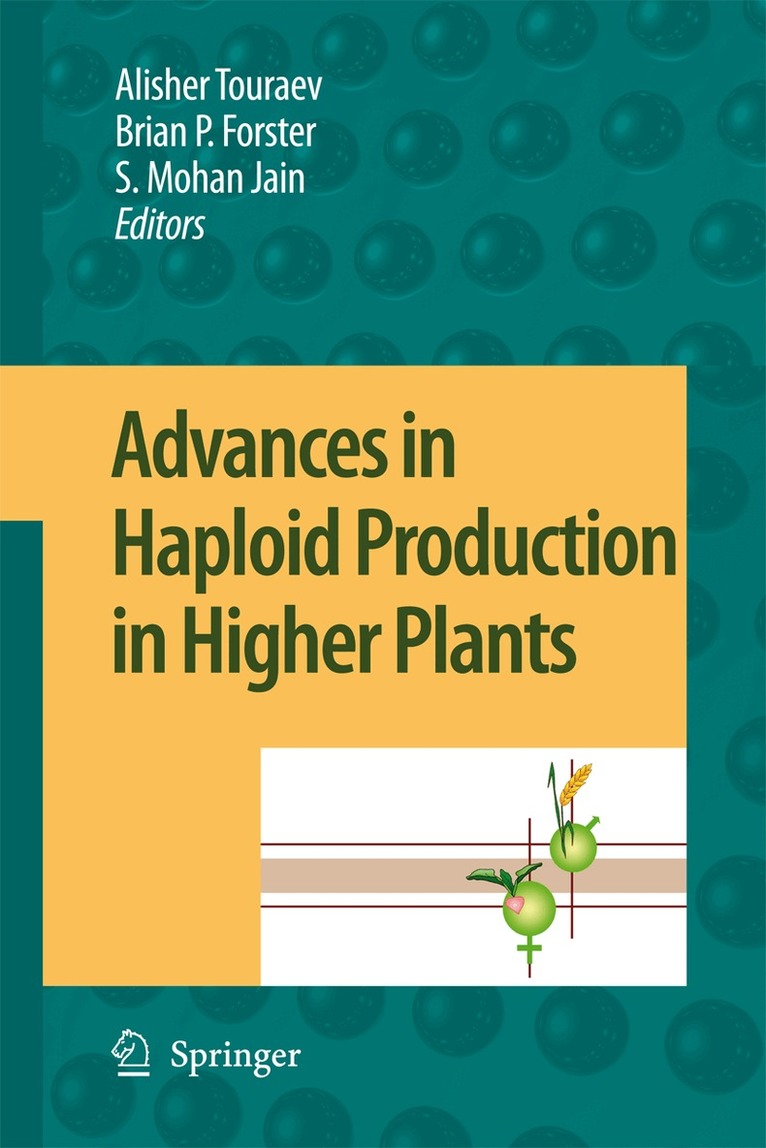
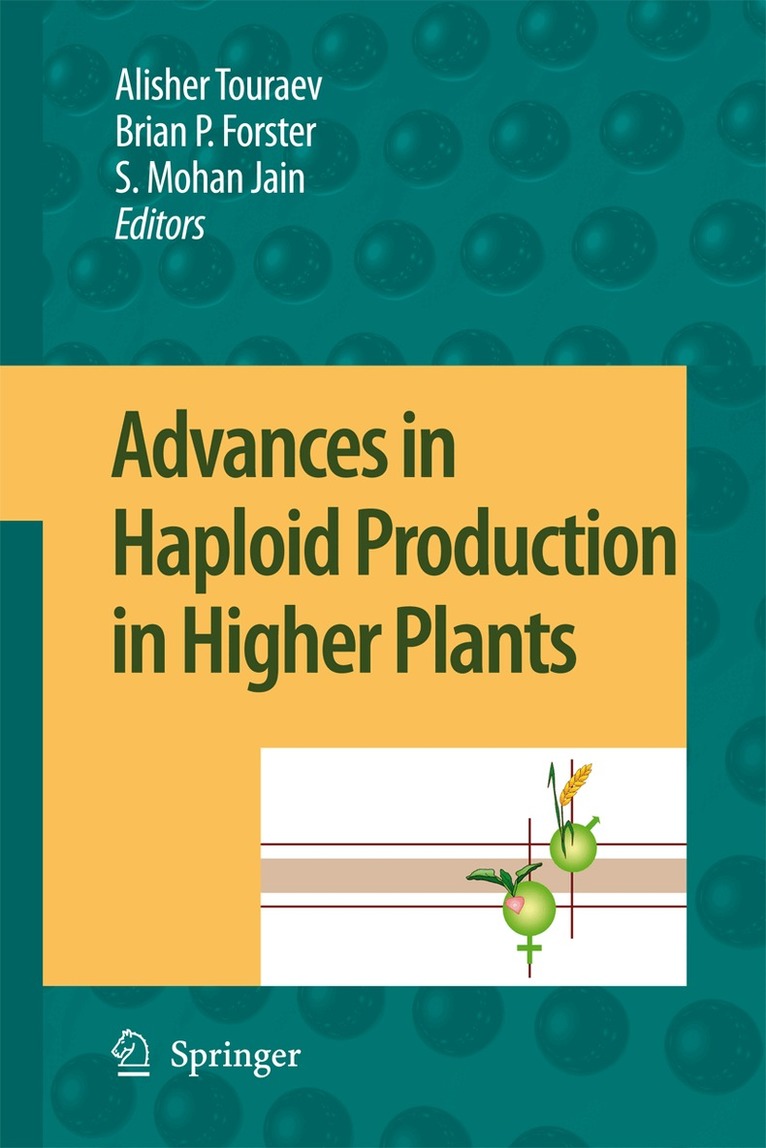
Advances in Haploid Production in Higher Plants
Av Alisher Touraev, Brian P. Forster m. fl.
Inbunden, 2008
2189 kr
Lägg i varukorg
The importance of haploids is well known to geneticists and plant breeders. The discovery of anther-derived haploid Datura plants in 1964 initiated great excitement in the plant breeding and genetics communities as it offered shortcuts in producing highly desirable homozygous plants. Unfortunately, …
Advances in Haploid Production in Higher Plants
Av Shri Mohan Jain, Brian P. Forster m. fl.
E-bok, 2008
2925 kr
Lägg i varukorg
The importance of haploids is well known to geneticists and plant breeders. The discovery of anther-derived haploid Datura plants in 1964 initiated great excitement in the plant breeding and genetics communities as it offered shortcuts in producing highly desirable homozygous plants. Unfortunately, …
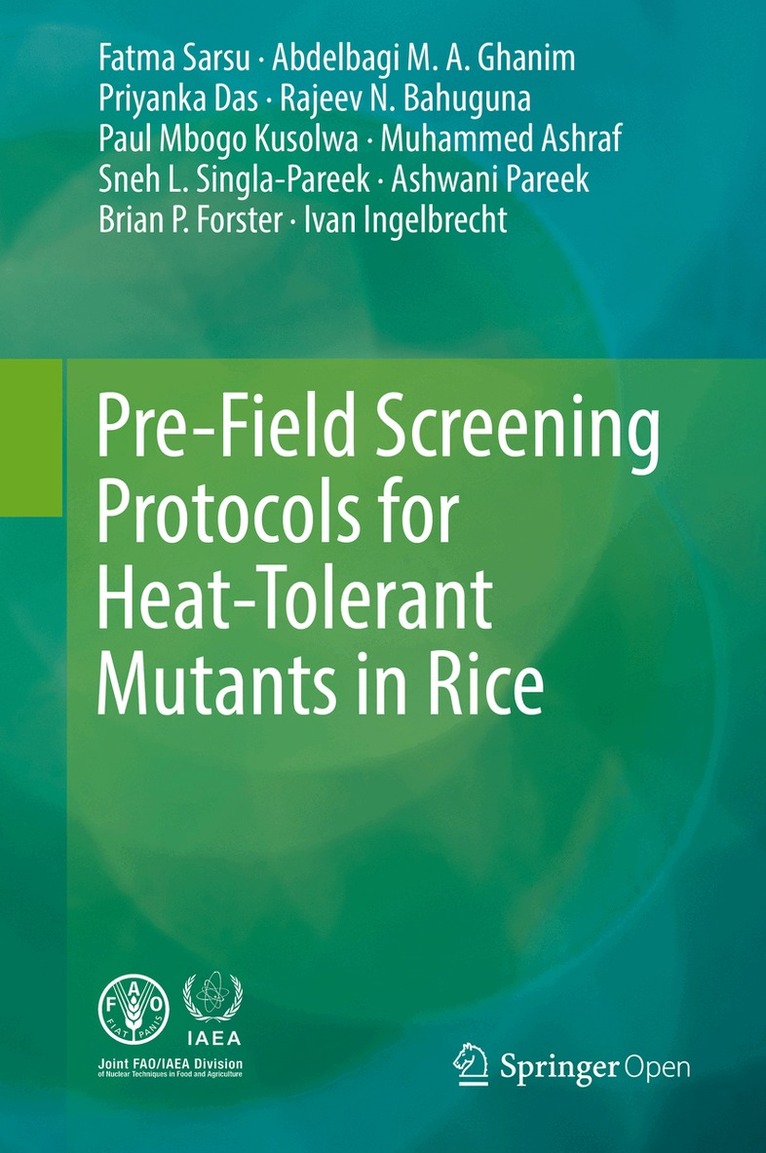
Pre-Field Screening Protocols for Heat-Tolerant Mutants in Rice
Av Fatma Sarsu, Abdelbagi M.A. Ghanim m. fl.
Häftad, 2019
551 kr
Lägg i varukorg
This open access book presents simple, robust pre-field screening protocols that allow plant breeders to screen for enhanced tolerance to heat stress in rice. Two critical heat-sensitive stages in the lifecycle of the rice crop are targeted – the seedling and flowering stages – with screening based …
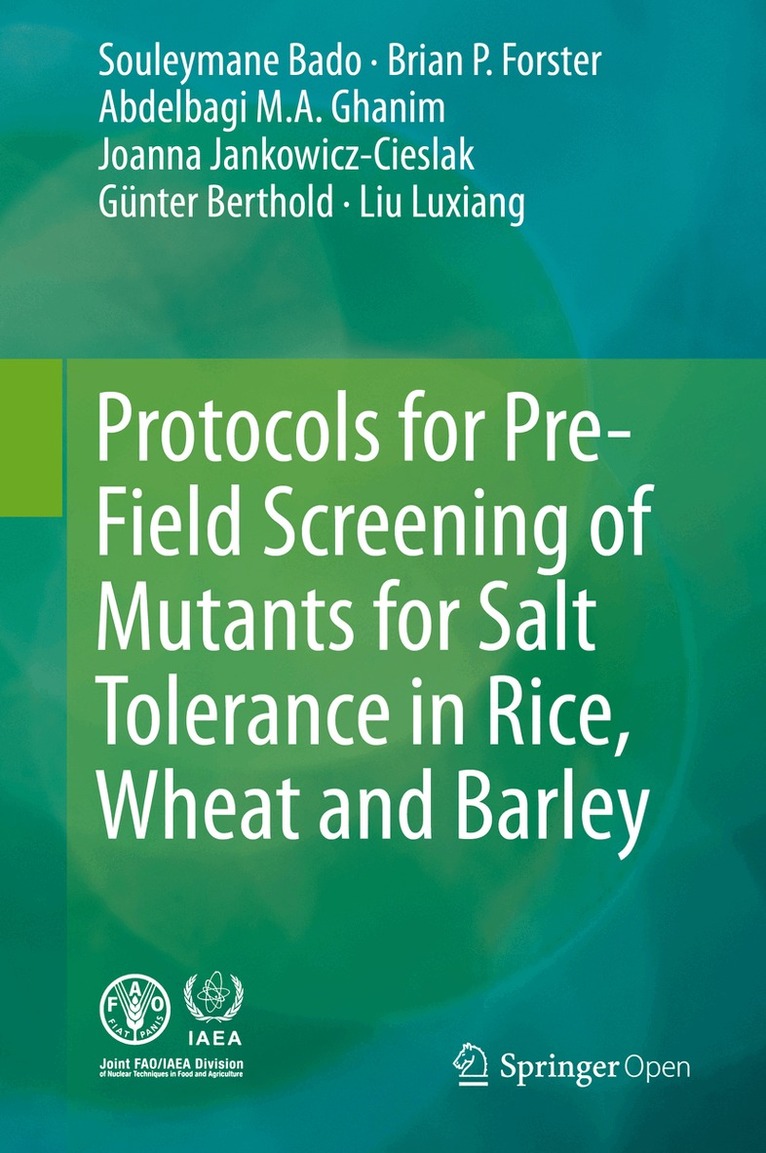
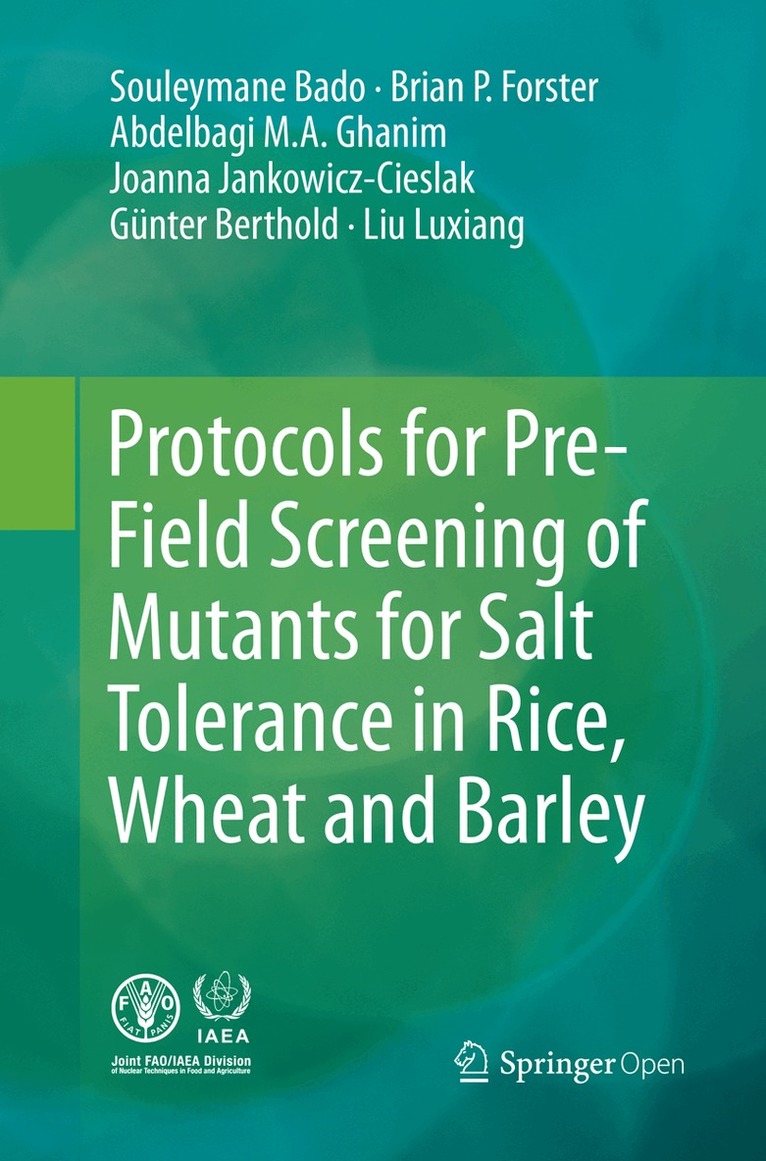
Protocols for Pre-Field Screening of Mutants for Salt Tolerance in Rice, Wheat and Barley
Av Souleymane Bado, Brian P. Forster m. fl.
Inbunden, 2016
551 kr
Lägg i varukorg
This book offers effective, low-costand user-friendly protocols for the pre-field selection of salt-tolerant mutants in cereal crops. It presents simple methods for measuring soil salinity, includingsoil sampling and the analysis of water-soluble salts, and describes adetailed, but simple, …
Pre-Field Screening Protocols for Heat-Tolerant Mutants in Rice
Av Fatma Sarsu, Abdelbagi M.A. Ghanim m. fl.
Inbunden, 2018
551 kr
Lägg i varukorg
This open access book presents simple, robust pre-field screening protocols that allow plant breeders to screen for enhanced tolerance to heat stress in rice. Two critical heat-sensitive stages in the lifecycle of the rice crop are targeted – the seedling and flowering stages – with screening based …
Protocols for Pre-Field Screening of Mutants for Salt Tolerance in Rice, Wheat and Barley
Av Souleymane Bado, Brian P. Forster m. fl.
Häftad, 2018
551 kr
Lägg i varukorg
This book offers effective, low-costand user-friendly protocols for the pre-field selection of salt-tolerant mutants in cereal crops. It presents simple methods for measuring soil salinity, includingsoil sampling and the analysis of water-soluble salts, and describes adetailed, but simple, …
Advances in Haploid Production in Higher Plants
Av Alisher Touraev, Brian P. Forster m. fl.
Häftad, 2010
2183 kr
Lägg i varukorg
The importance of haploids is well known to geneticists and plant breeders. The discovery of anther-derived haploid Datura plants in 1964 initiated great excitement in the plant breeding and genetics communities as it offered shortcuts in producing highly desirable homozygous plants. Unfortunately, …