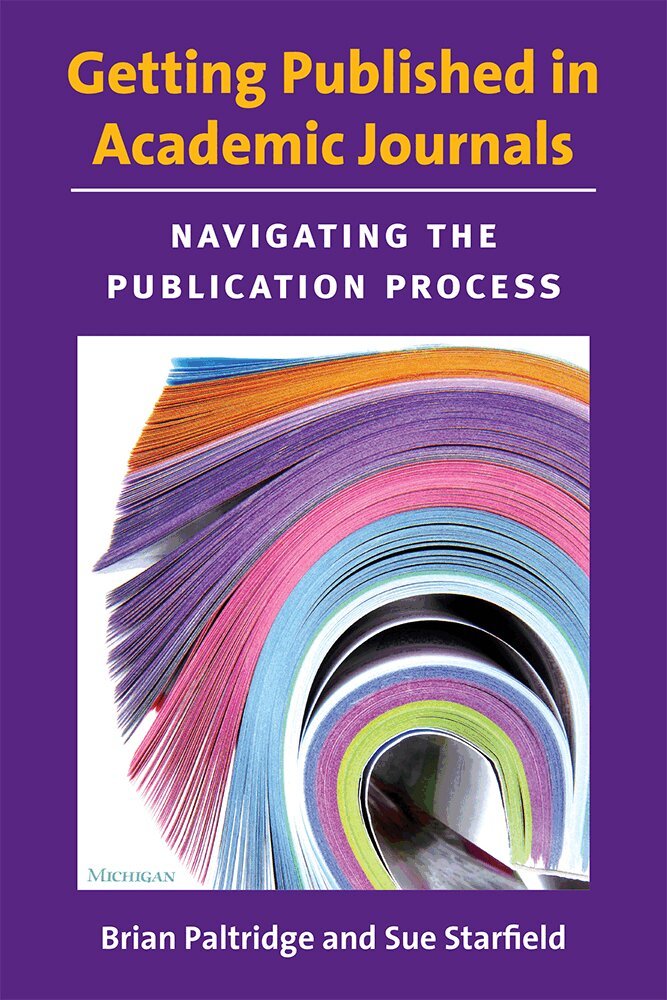
The pressure on graduate students and new PhDs to publish their work continues to grow with writing and publishing considered an important measure of career success within the academy. There is, however, more to the process of getting published than those who are new to the process initially realize. The aim of this guide is to clarify the process and offer advice. Getting Published in Academic Journals is written for graduate students and newly graduated PhDs who want to publish their research in peer-reviewed academic journals.Getting Published in Academic Journals draws on the experiences of the authors as editors of peer-reviewed journals, as teachers of writing-for-publication courses and workshops, as researchers of the scholarly publication process, as reviewers of hundreds of articles, and as published authors. The book is written to be used in courses and workshops on publishing, as a supplement to the books in the revised and updated English in Today’s Research World (Swales & Feak) series, and as a stand-alone guide for academic writers working independently.
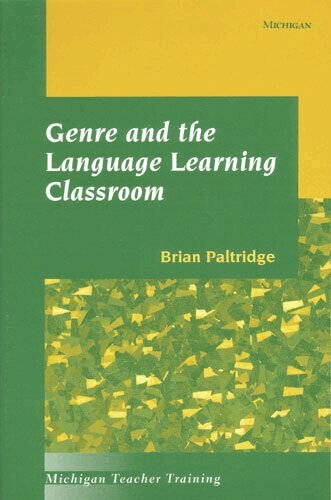
What is genre?How can genre be used as an organizing principle in ESL programs?How are genre and context explored in ESL classes?How can discourse structures be taught through genre?How can genre-based assessment tasks be incorporated into the language classroom?These questions are addressed and answered in Genre in the Language Learning Classroom. This text introduces teachers and teachers-in-training to the concept of genre analysis and suggests ways in which the results of genre analysis can be applied to language learning classrooms. It provides genre-oriented activities that will help teachers extend and diversify their everyday language teaching practice. These activities focus on the relationship between genre and context, genre and discourse, and genre and language. Examples of genre-based course design and genre-based assessment are offered. The final chapter considers future directions for research and development in the area of genre-based language teaching.
The pressure on graduate students and new PhDs to publish their work continues to grow with writing and publishing considered an important measure of career success within the academy. There is, however, more to the process of getting published than those who are new to the process initially realize. The aim of this guide is to clarify the process and offer advice. Getting Published in Academic Journals is written for graduate students and newly graduated PhDs who want to publish their research in peer-reviewed academic journals.Getting Published in Academic Journals draws on the experiences of the authors as editors of peer-reviewed journals, as teachers of writing-for-publication courses and workshops, as researchers of the scholarly publication process, as reviewers of hundreds of articles, and as published authors. The book is written to be used in courses and workshops on publishing, as a supplement to the books in the revised and updated English in Today’s Research World (Swales & Feak) series, and as a stand-alone guide for academic writers working independently.
What is genre?How can genre be used as an organizing principle in ESL programs?How are genre and context explored in ESL classes?How can discourse structures be taught through genre?How can genre-based assessment tasks be incorporated into the language classroom?These questions are addressed and answered in Genre in the Language Learning Classroom. This text introduces teachers and teachers-in-training to the concept of genre analysis and suggests ways in which the results of genre analysis can be applied to language learning classrooms. It provides genre-oriented activities that will help teachers extend and diversify their everyday language teaching practice. These activities focus on the relationship between genre and context, genre and discourse, and genre and language. Examples of genre-based course design and genre-based assessment are offered. The final chapter considers future directions for research and development in the area of genre-based language teaching.