Brian Spooner – författare
Visar alla böcker från författaren Brian Spooner. Handla med fri frakt och snabb leverans.
3 produkter
3 produkter
Del 96 - Collins New Naturalist Library
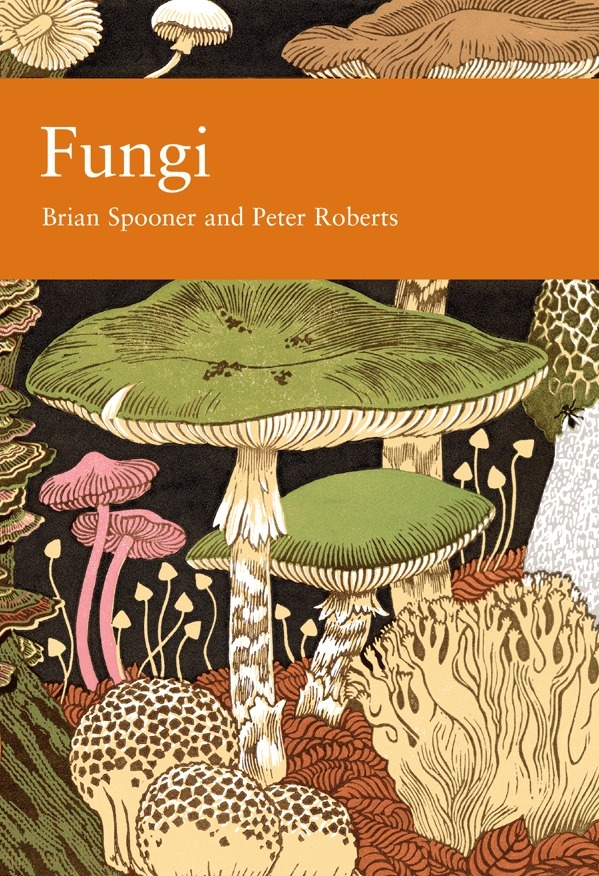
Fungi
E-bok
Engelska, 2010549 kr
Läs direkt efter köp
A comprehensive account of the natural history of fungi, from their lifestyle, habitats and ecology to their uses for humans. This edition is exclusive to newnaturalists.comHow do we use fungi in medicine? How can we identify edible mushrooms? Brian Spooner and Peter Roberts are both widely respected experts in fungi from the Royal Botanic Gardens at Kew. In this highly authoritative guide they examine all aspects of fungi, from their lifestyle and habitats to their diverse reproductive strategies. New Naturalist Fungi covers all aspects of the subject including:• The biology and evolution of fungi• Fungi as agents of growth and decay• The relation of fungi to man, mammals and parasites• Their natural and man-made habitatsExploring the rich variety of mushrooms and toadstools found living in woodlands, grasslands, coastlines, rivers, and man-made habitats such as compost heaps, this New Naturalist volume is packed with information covering virtually every aspect of fungi. There is even a section on fungi in folklore and how humans have used fungi for medicinal purposes. With practical tips on collecting, preserving and identifying fungi, this is an ideal reference guide for enthusiastic amateurs and professionals alike.
Del 4 - Literacy in the Persianate World
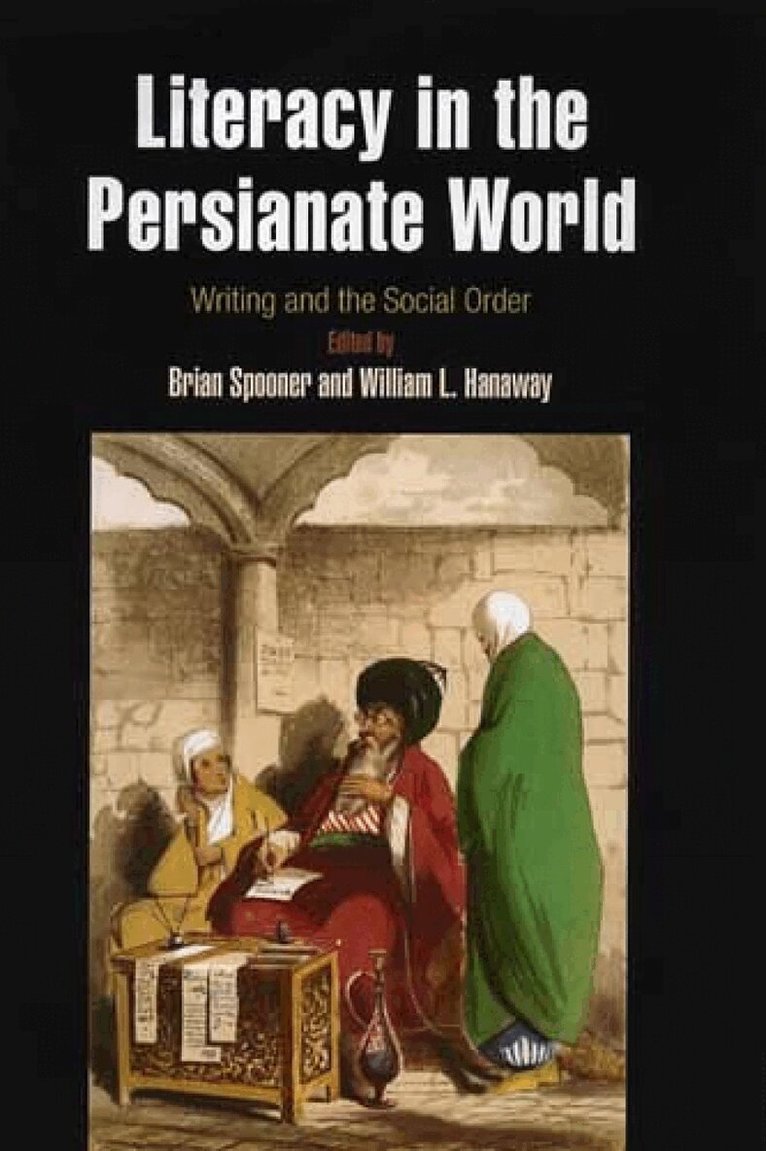
Literacy in the Persianate World – Writing and the Social Order
Writing and the Social Order
Inbunden, Engelska, 2012
1 651 kr
Skickas inom 5-8 vardagar
Persian has been a written language since the sixth century B.C. Only Chinese, Greek, and Latin have comparable histories of literacy. Although Persian script changed-first from cuneiform to a modified Aramaic, then to Arabic-from the ninth to the nineteenth centuries it served a broader geographical area than any language in world history. It was the primary language of administration and belles lettres from the Balkans under the earlier Ottoman Empire to Central China under the Mongols, and from the northern branches of the Silk Road in Central Asia to southern India under the Mughal Empire. Its history is therefore crucial for understanding the function of writing in world history. Each of the chapters of Literacy in the Persianate World opens a window onto a particular stage of this history, starting from the reemergence of Persian in the Arabic script after the Arab-Islamic conquest in the seventh century A.D., through the establishment of its administrative vocabulary, its literary tradition, its expansion as the language of trade in the thirteenth century, and its adoption by the British imperial administration in India, before being reduced to the modern role of national language in three countries (Afghanistan, Iran, and Tajikistan) in the twentieth century. Two concluding chapters compare the history of written Persian with the parallel histories of Chinese and Latin, with special attention to the way its use was restricted and channeled by social practice. This is the first comparative study of the historical role of writing in three languages, including two in non-Roman scripts, over a period of two and a half millennia, providing an opportunity for reassessment of the work on literacy in English that has accumulated over the past half century. The editors take full advantage of this opportunity in their introductory essay.
Inbunden, Engelska, 2015
1 034 kr
Skickas inom 5-8 vardagar
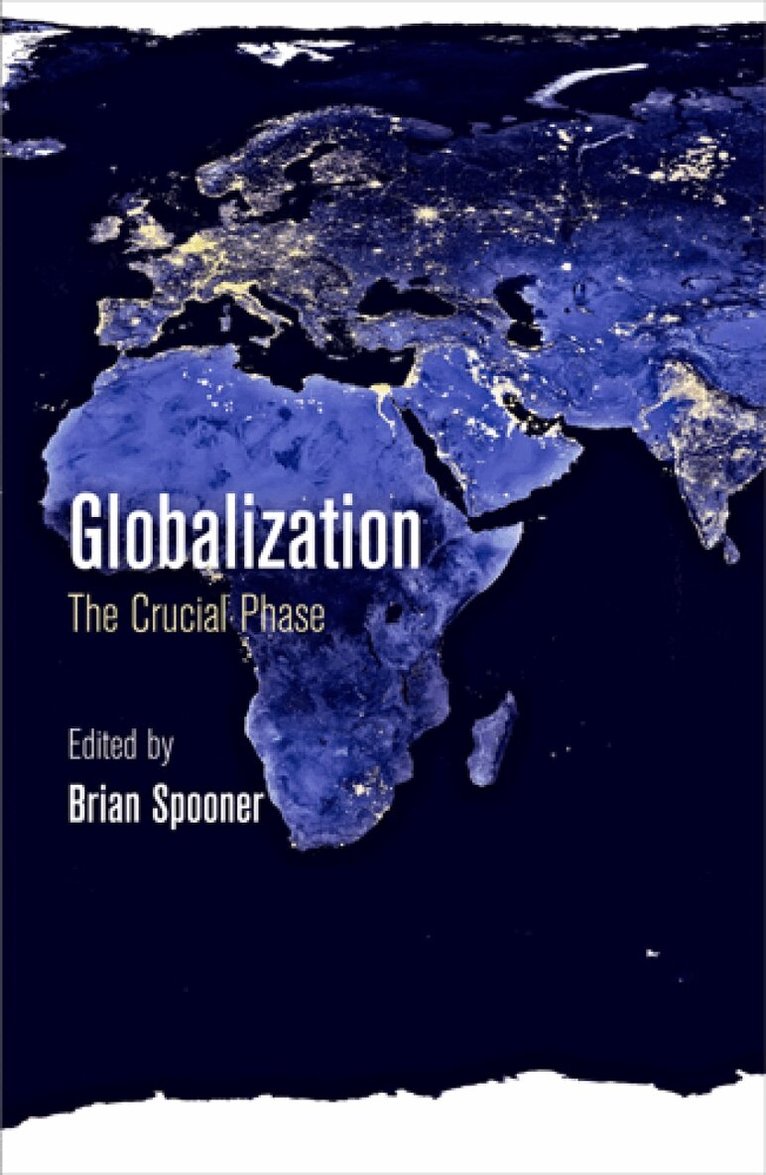
Throughout human history, the rate of world population growth overall has been outpaced by the rate of urban population growth. Right now, more the half the world's population lives in cities, and that proportion will only increase in the next fifty years. Rapid urban growth accelerates the exchange of ideas, the expansion of social networks, and the diversity of human interactions that accompany globalization. The present century is therefore the crucial phase, when the world's increasing interconnectedness may give rise to innovation and collaboration or intensify conflict and environmental disaster. Bringing together scholars of anthropology and social science as well as law and medicine, Globalization: The Crucial Phase presents a holistic and comprehensive understanding of the way the world is changing. The contributors reveal the changing scale of social, economic, and financial diversity, examine the impact of globalization on the environment, health, and nutrition; and consider the initiatives to address the social problems and opportunities that arise from global migration. Collectively, these diverse interdisciplinary perspectives provide an introduction to vital research and policy initiatives in a period that will bring great challenges but also great potential. Contributors: Nancy Biller, Christina Catanese, Robert J. Collins, Megan Doherty, Zhengxia Dou, Richard J. Estes, James Ferguson, David Galligan, Mauro GuillÉn, Cameron Hu, John D. Keenan, Alan Kelly, Janet M. Monge, Marjorie Muecke, Neal Nathanson, Sarah Paoletti, Adriana Petryna, Alan Ruby, Theodore G. Schurr, Brian Spooner, Joseph S. Sun, Zhiguo Wu, Huiquan Zhou.