
Bruno Cabanes – författare
Visar alla böcker från författaren . Handla med fri frakt och snabb leverans.
12 produkter
12 produkter

E-bok
PDF, Engelska, 2026522 kr
Läs direkt efter köp
- Nyhet
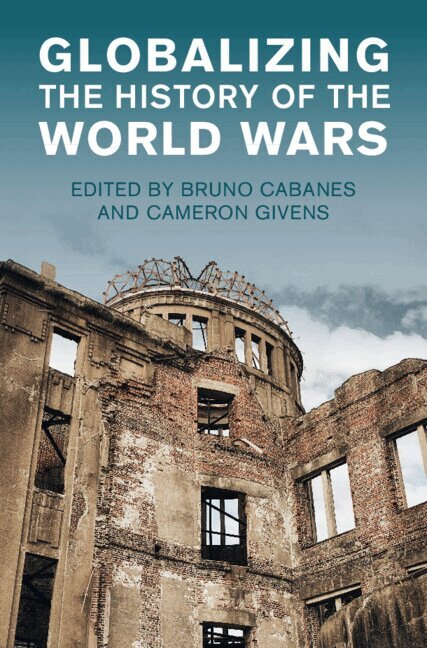
Häftad, Engelska, 2026
431 kr
Skickas inom 7-10 vardagar
Positioned at the crossroads of global and military history, this volume makes a major contribution to the cultural and social history of war and its aftermath. Bruno Cabanes and Cameron Givens bring together a team of leading experts to reassess the two world wars, connecting time periods, topics, and spaces traditionally treated in isolation. They examine how these armed conflicts engendered new confrontations and encounters; forged and severed transnational networks and pathways; propelled people, ideas, knowledge, and practices across and within political boundaries; and triggered complex and contested memory-making. By rethinking the relationship between military and global history, the authors encourage readers to consider the broader impact of war on twentieth-century history, from international law and humanitarianism, to race and the environment. This ambitious reframing showcases the most innovative efforts to globalize the history of the world wars and provides fertile ground for future research.
- Nyhet
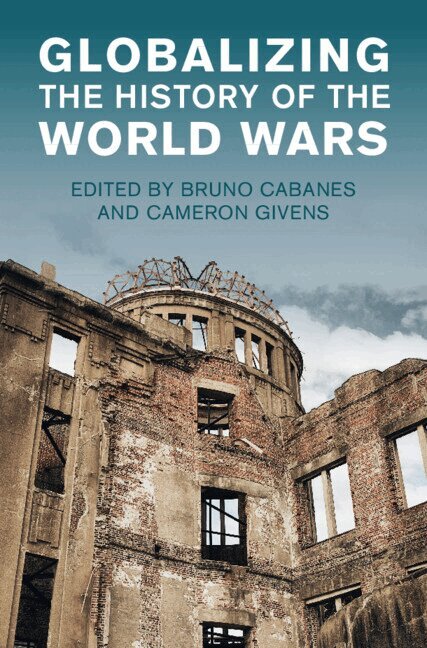
Inbunden, Engelska, 2026
1 433 kr
Skickas inom 7-10 vardagar
Positioned at the crossroads of global and military history, this volume makes a major contribution to the cultural and social history of war and its aftermath. Bruno Cabanes and Cameron Givens bring together a team of leading experts to reassess the two world wars, connecting time periods, topics, and spaces traditionally treated in isolation. They examine how these armed conflicts engendered new confrontations and encounters; forged and severed transnational networks and pathways; propelled people, ideas, knowledge, and practices across and within political boundaries; and triggered complex and contested memory-making. By rethinking the relationship between military and global history, the authors encourage readers to consider the broader impact of war on twentieth-century history, from international law and humanitarianism, to race and the environment. This ambitious reframing showcases the most innovative efforts to globalize the history of the world wars and provides fertile ground for future research.
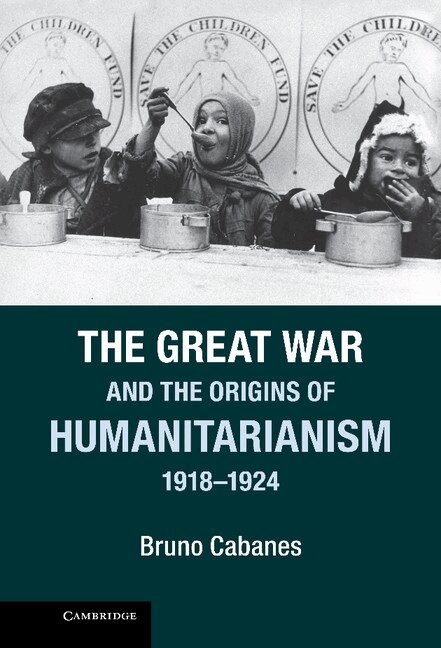
Inbunden, Engelska, 2014
1 282 kr
Skickas inom 7-10 vardagar
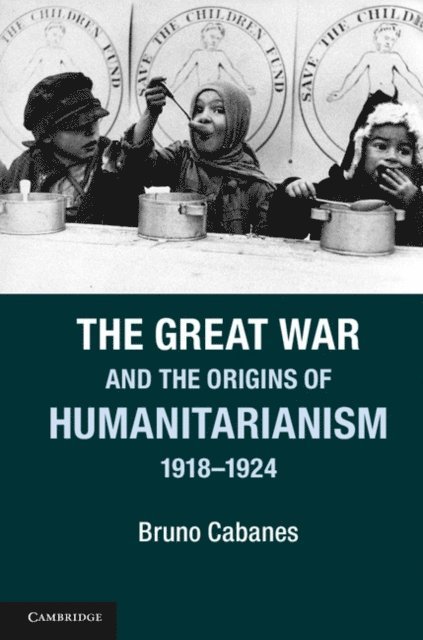
The aftermath of the Great War brought the most troubled peacetime the world had ever seen. Survivors of the war were not only the soldiers who fought, the wounded in mind and body. They were also the stateless, the children who suffered war's consequences, and later the victims of the great Russian famine of 1921 to 1923. Before the phrases 'universal human rights' and 'non-governmental organization' even existed, five remarkable men and women - René Cassin and Albert Thomas from France, Fridtjof Nansen from Norway, Herbert Hoover from the US and Eglantyne Jebb from Britain - understood that a new type of transnational organization was needed to face problems that respected no national boundaries or rivalries. Bruno Cabanes, a pioneer in the study of the aftermath of war, shows, through his vivid and revelatory history of individuals, organizations, and nations in crisis, how and when the right to human dignity first became inalienable.
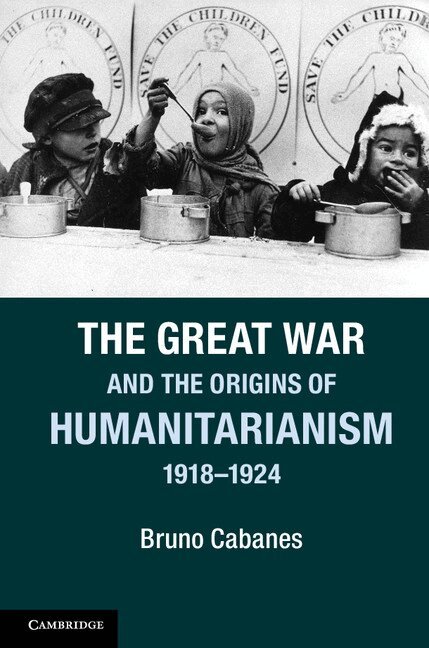
Häftad, Engelska, 2014
458 kr
Skickas inom 7-10 vardagar
The aftermath of the Great War brought the most troubled peacetime the world had ever seen. Survivors of the war were not only the soldiers who fought, the wounded in mind and body. They were also the stateless, the children who suffered war's consequences, and later the victims of the great Russian famine of 1921 to 1923. Before the phrases 'universal human rights' and 'non-governmental organization' even existed, five remarkable men and women - René Cassin and Albert Thomas from France, Fridtjof Nansen from Norway, Herbert Hoover from the US and Eglantyne Jebb from Britain - understood that a new type of transnational organization was needed to face problems that respected no national boundaries or rivalries. Bruno Cabanes, a pioneer in the study of the aftermath of war, shows, through his vivid and revelatory history of individuals, organizations, and nations in crisis, how and when the right to human dignity first became inalienable.
E-bok
PDF, Engelska, 2014554 kr
Läs direkt efter köp
The aftermath of the Great War brought the most troubled peacetime the world had ever seen. Survivors of the war were not only the soldiers who fought, the wounded in mind and body. They were also the stateless, the children who suffered war''s consequences, and later the victims of the great Russian famine of 1921 to 1923. Before the phrases ''universal human rights'' and ''non-governmental organization'' even existed, five remarkable men and women - René Cassin and Albert Thomas from France, Fridtjof Nansen from Norway, Herbert Hoover from the US and Eglantyne Jebb from Britain - understood that a new type of transnational organization was needed to face problems that respected no national boundaries or rivalries. Bruno Cabanes, a pioneer in the study of the aftermath of war, shows, through his vivid and revelatory history of individuals, organizations, and nations in crisis, how and when the right to human dignity first became inalienable.
E-bok
Engelska, 2014554 kr
Läs direkt efter köp
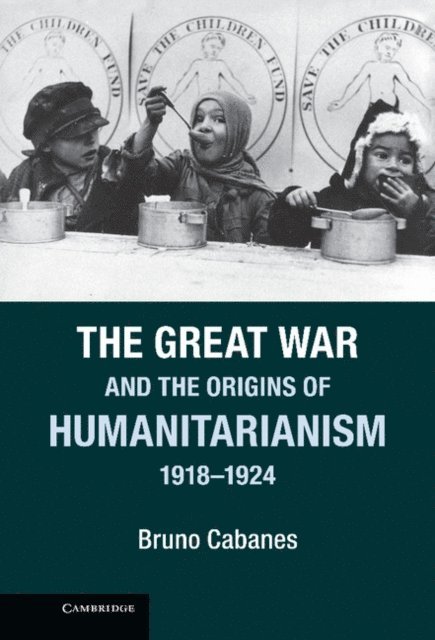
The aftermath of the Great War brought the most troubled peacetime the world had ever seen. Survivors of the war were not only the soldiers who fought, the wounded in mind and body. They were also the stateless, the children who suffered war''s consequences, and later the victims of the great Russian famine of 1921 to 1923. Before the phrases ''universal human rights'' and ''non-governmental organization'' even existed, five remarkable men and women - René Cassin and Albert Thomas from France, Fridtjof Nansen from Norway, Herbert Hoover from the US and Eglantyne Jebb from Britain - understood that a new type of transnational organization was needed to face problems that respected no national boundaries or rivalries. Bruno Cabanes, a pioneer in the study of the aftermath of war, shows, through his vivid and revelatory history of individuals, organizations, and nations in crisis, how and when the right to human dignity first became inalienable.
E-bok
Franska, 1999159 kr
Läs direkt efter köp
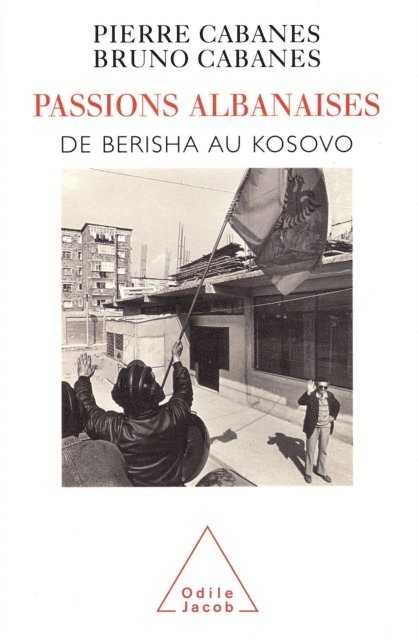
Au vu et au su de tous, mais dans l''indifférence, l''Albanie sombre dans le chaos. De la crise financière à la guerre du Kosovo, un constat s''impose : ce n''est pas le nationalisme qui est à craindre dans ce pays dévasté par la dictature communiste et abandonné par ses forces vives ; c''est plutôt la perte de confiance dans tout destin collectif. Si nous n''y prenons garde, le développement de la violence armée, l''essor d''une émigration de la misère et des trafics mafieux peuvent déstabiliser durablement cette partie de l''Europe. Si à l''inverse nous le voulons, l''Albanie peut servir de base à une reconstruction globale de l''ensemble balkanique et à la pacification de l''Europe. Professeur émérite d''histoire de l''Antiquité à l''université Paris-X-Nanterre, Pierre Cabanes se rend depuis vingt-cinq ans en Albanie, où il dirige la mission archéologique et épigraphique française. Bruno Cabanes enseigne l''histoire contemporaine à Angers.

Inbunden, Tyska, 2020
458 kr
Skickas inom 3-6 vardagar

E-bok
PDF, Tyska, 2020351 kr
Läs direkt efter köp
In diesem monumentalen Buch beleuchten 57 internationale Wissenschaftler*innen unter Federführung des französischen Historikers Bruno Cabanes die zahlreichen Facetten kriegerischen Handelns vom 19. Jahrhundert bis in die Gegenwart.In den letzten zweihundert Jahren hat sich der Krieg zu einem Phänomen entwickelt, das alle Lebensbereiche betrifft und Gesellschaft, Politik, Kultur und Ökonomie verändert. Der moderne Krieg, zu dem oft Partisanenkämpfe, Terroranschläge, Massaker oder ethnische Säuberungen gehören und der immer häufiger als hochtechnologischer Cyberwar geführt wird, ist entgrenzt und richtet sich zunehmend auch gegen die Zivilbevölkerung. Und trotz eines immer ausgefeilteren Internationalen Völkerrechts schwindet die Orientierung an Regeln der Kriegführung.Um den grundlegenden Wandel moderner Kriege zu analysieren, bedarf es einer Vielfalt der Disziplinen, und so bietet diese Geschichte des Krieges ein multiperspektivisches Panorama aus Geschichte, Soziologie, Politikwissenschaft, Psychologie, Ökonomie und Anthropologie. Die Expert*innen betrachten diese Veränderungen auch jenseits einer rein westlichen Perspektive in Japan, China, Indien oder Afrika und anderen Gegenden der Welt.In ihrer außergewöhnlichen Vielfältigkeit verdeutlichen die Beiträge den Wandel des Krieges und ermöglichen es, den Krieg neu zu denken.

351 kr
Läs direkt efter köp
In diesem monumentalen Buch beleuchten 57 internationale Wissenschaftler*innen unter Federführung des französischen Historikers Bruno Cabanes die zahlreichen Facetten kriegerischen Handelns vom 19. Jahrhundert bis in die Gegenwart.In den letzten zweihundert Jahren hat sich der Krieg zu einem Phänomen entwickelt, das alle Lebensbereiche betrifft und Gesellschaft, Politik, Kultur und Ökonomie verändert. Der moderne Krieg, zu dem oft Partisanenkämpfe, Terroranschläge, Massaker oder ethnische Säuberungen gehören und der immer häufiger als hochtechnologischer Cyberwar geführt wird, ist entgrenzt und richtet sich zunehmend auch gegen die Zivilbevölkerung. Und trotz eines immer ausgefeilteren Internationalen Völkerrechts schwindet die Orientierung an Regeln der Kriegführung.Um den grundlegenden Wandel moderner Kriege zu analysieren, bedarf es einer Vielfalt der Disziplinen, und so bietet diese Geschichte des Krieges ein multiperspektivisches Panorama aus Geschichte, Soziologie, Politikwissenschaft, Psychologie, Ökonomie und Anthropologie. Die Expert*innen betrachten diese Veränderungen auch jenseits einer rein westlichen Perspektive in Japan, China, Indien oder Afrika und anderen Gegenden der Welt.In ihrer außergewöhnlichen Vielfältigkeit verdeutlichen die Beiträge den Wandel des Krieges und ermöglichen es, den Krieg neu zu denken.
262 kr
Tillfälligt slut