Bryan K. Miller – författare
Visar alla böcker från författaren Bryan K. Miller. Handla med fri frakt och snabb leverans.
4 produkter
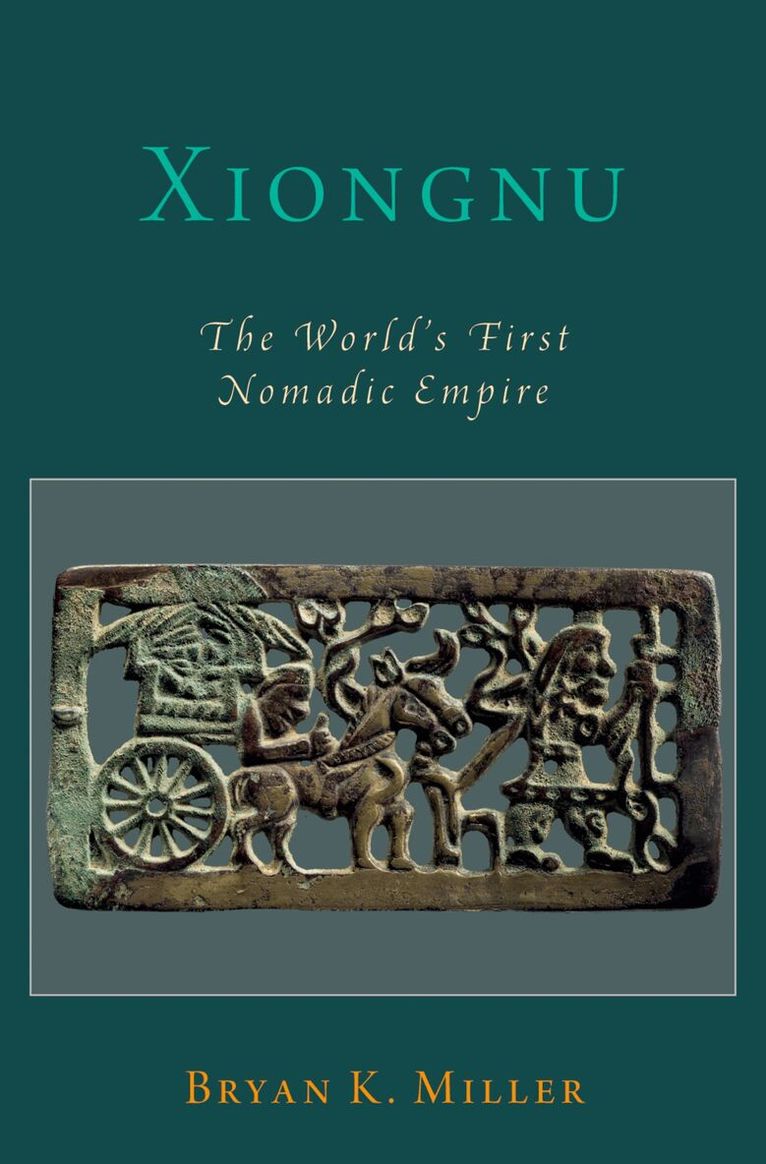
Xiongnu
The World's First Nomadic Empire
Inbunden, 2024
1451 kr
Lägg i varukorg
This book raises the case of the world's first nomadic empire, the Xiongnu, as a prime example of the sophisticated developments and powerful influence of nomadic regimes. Launching from a reconceptualization of the social and economic institutions of mobile pastoralists, the collective chapters …
Xiongnu
The World's First Nomadic Empire
E-bok, 2024
1152 kr
Lägg i varukorg
This book raises the case of the world''s first nomadic empire, the Xiongnu, as a prime example of the sophisticated developments and powerful influence of nomadic regimes. Launching from a reconceptualization of the social and economic institutions of mobile pastoralists, the collective chapters …
Xiongnu
The World's First Nomadic Empire
E-bok, 2024
1152 kr
Lägg i varukorg
This book raises the case of the world''s first nomadic empire, the Xiongnu, as a prime example of the sophisticated developments and powerful influence of nomadic regimes. Launching from a reconceptualization of the social and economic institutions of mobile pastoralists, the collective chapters …
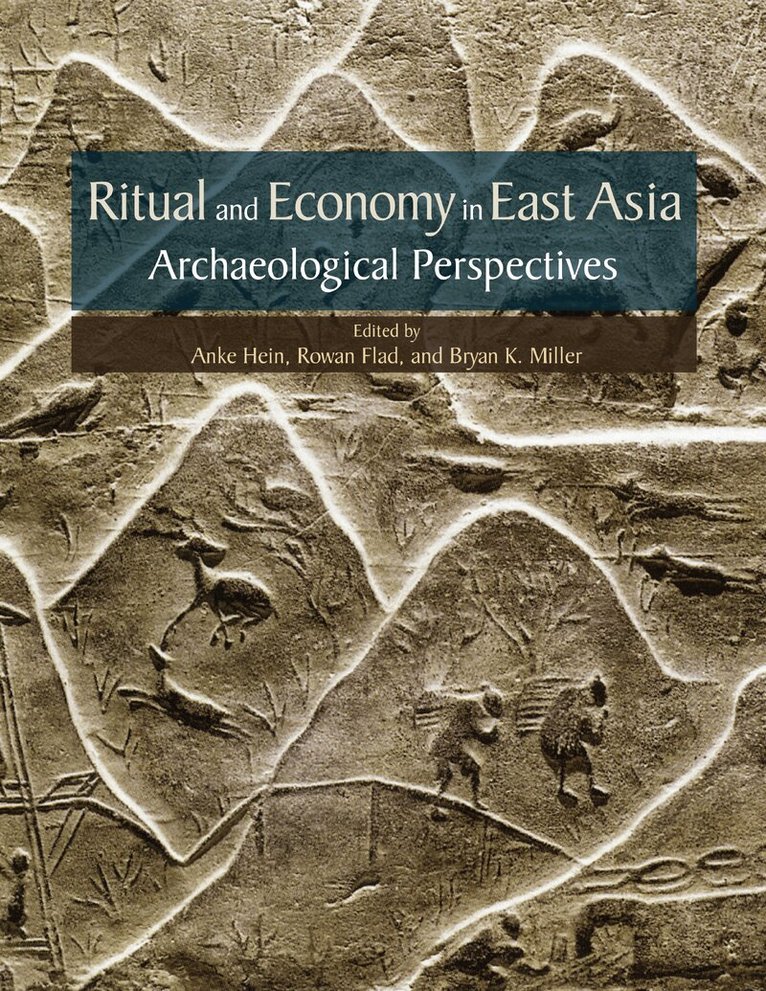
Ritual and Economy in East Asia
Archaeological Perspectives
Av Anke Hein, Rowan Flad m. fl.
Inbunden, 2023
1602 kr
Lägg i varukorg
In commemoration of Lothar von Falkenhausen's 60th birthday, this volume assembles eighteen scholarly essays that explore the intersection between art, economy, and ritual in ancient East Asia. The contributions are clustered into four themes: Ritual Economy, Ritual and Sacrifice, Technology, …