Bulent Aras - Böcker
Visar alla böcker från författaren Bulent Aras. Handla med fri frakt och snabb leverans.
9 produkter
9 produkter
1 009 kr
Skickas inom 10-15 vardagar
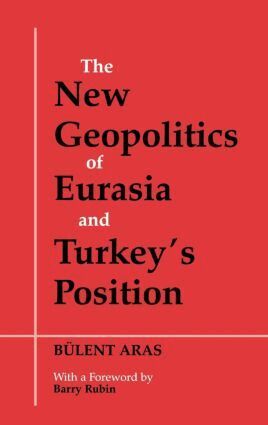
The opening of the Caspian Sea basin to Western investment following the breakup of the Soviet Union produced a major contest for access to the region's vast energy reserves on the part of powers as close as Russia, Turkey, and Iran, and as far away as Japan and the United States. Indeed, the struggle to exploit Caspian oil has been one of the most monumental geopolitical developments of the post-Cold War era as external powers vie for political, economic, and military influence in a region brimming not only with oil, but also with ethnic conflicts and historical animosities.The coming decade of rapidly increasing demand for energy will ensure the continued interest and engagement of external powers with often competing geopolitical agendas. Thus the geopolitical developments spawned by the opening of the Caspian Sea are likely to continue to far outweigh the actual impact of Caspian oil on world energy markets. This collection of essays by prominent scholars and international experts offers several important and often conflicting interpretations of the events unfolding along the shores of the world's oldest oil-producing region.
441 kr
Skickas inom 10-15 vardagar
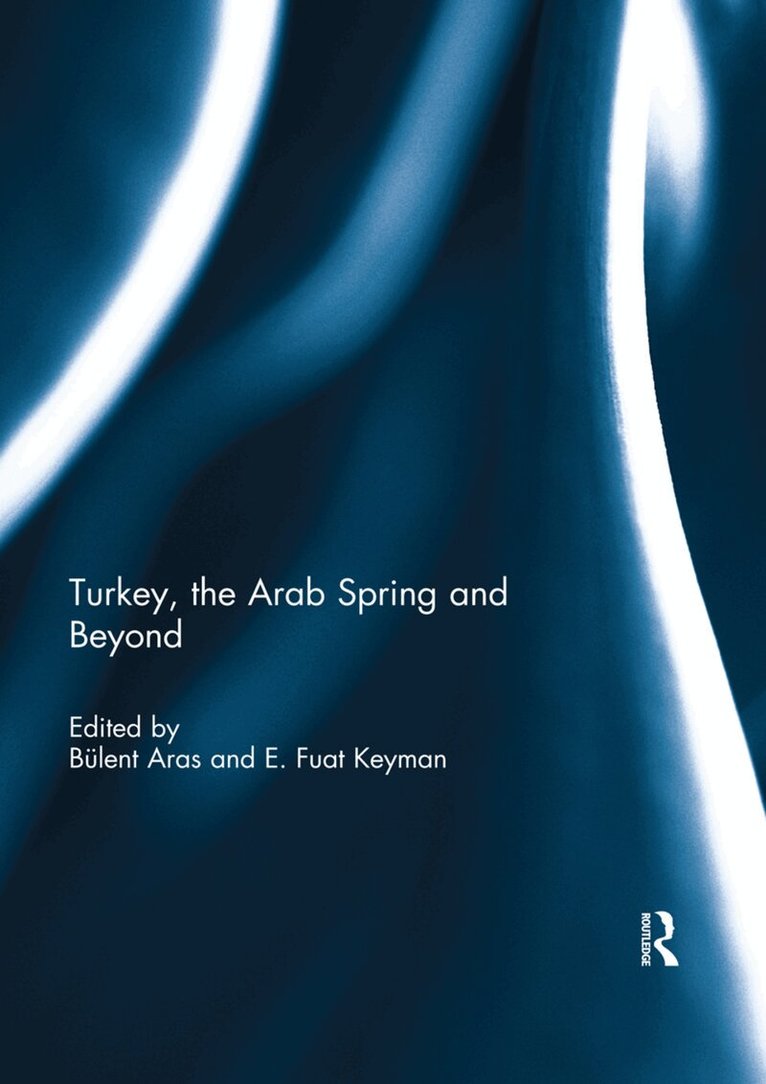
It has been almost five years now since a new collective consciousness of Arab masses transformed the political landscape of the Middle East and North Africa. In just a short period of time, the people of the Arab world protested against their rulers, putting an end to long-time authoritarian leaders in Tunisia, Egypt, Libya, and Yemen, while bringing others to the eve of collapse. Although the uprisings were initially successful, the people’s strong will to see honour, dignity, rights, and good governance realized within their respective countries was fiercely combated by the ruling strata of these states and their strategies to ensure authoritarian survival.The changing political landscape and the dynamic processes of the Arab Spring have caught the attention of academics as well. There is a blossoming literature being written on the Arab Spring focusing on social protests, authoritarian resilience and learning, opposition strategies, the rise of non-state actors, state failure, foreign policy, and new the geopolitical landscape. Therefore, with the desire to contribute to this literature, this edited volume aims to address the changing political atmosphere and the challenges of the emerging geopolitical order, particularly focusing on Turkish foreign policy and its response to the Arab Spring. This book was originally published as a special issue of the Journal of Balkan and Near Eastern Studies.
2 155 kr
Skickas inom 10-15 vardagar
This work explores the geopolitical struggles that are currently underway in the newly independent states of the Caucasus region, showing how many players in the region are coalescing into two opposing blocs. The growing political, military and economic ties amongst the countries of these two blocs stem from a number of developments in the region, most notably the fall of the Soviet Union, and consequently the end of the Cold War and its bi-polar global alliance structure. These blocs are competing for influence in the region, and the rights to exploit and transport the rich energy resources that have been found in the Caspian Sea. The text shows how many actors have been willing to co-operate in other non-energy related issues, in the hope of receiving a financial reward when countries do decide on these matters.
725 kr
Skickas inom 10-15 vardagar
This work explores the geopolitical struggles that are currently underway in the newly independent states of the Caucasus region, showing how many players in the region are coalescing into two opposing blocs. The growing political, military and economic ties amongst the countries of these two blocs stem from a number of developments in the region, most notably the fall of the Soviet Union, and consequently the end of the Cold War and its bi-polar global alliance structure. These blocs are competing for influence in the region, and the rights to exploit and transport the rich energy resources that have been found in the Caspian Sea. The text shows how many actors have been willing to co-operate in other non-energy related issues, in the hope of receiving a financial reward when countries do decide on these matters.
210 kr
Skickas inom 7-10 vardagar
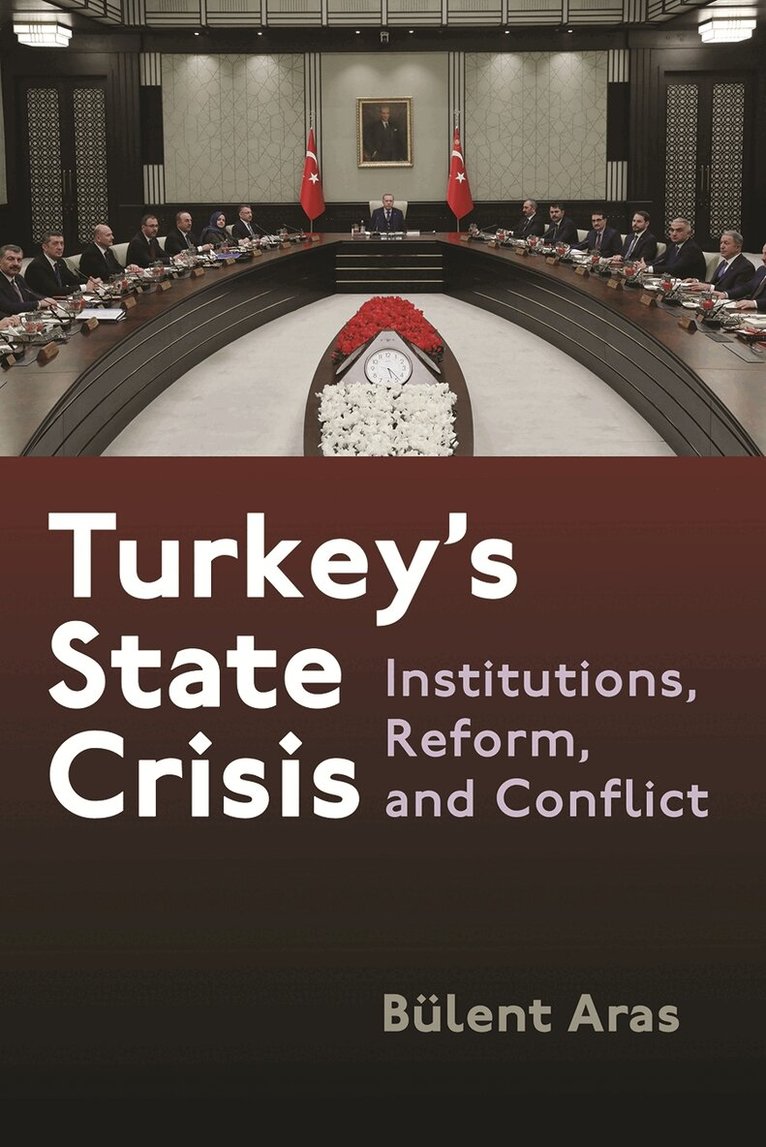
What accounts for the regression of Turkey's stature from a ""model"" country to one riddled with state crisis and conflict? Unable to adapt to the challenges of the era and failing to respond to ethnic and multicultural political demands for reform, the Turkish state has resisted change and stuck to its ideological roots stemming from the 1930s.In Turkey's State Crisis, Aras delves into the historical, political, and geopolitical background of the country's decline. In an effort to delineate the origin of the crisis, Aras investigates several perspectives: the political elites' attempt to change the administrative system to create a performance-oriented one; the bureaucracy's response, concerns, and resistance to change; the state's conflict resolution capacity; and the transformation of foreign/security policy. Providing a comprehensive portrait of the Turkish state's turmoil, Aras creates a blueprint for the ways in which much-needed reforms can break vicious cycles of political polarization, rising authoritarianism, and weak state institutions.
667 kr
Skickas inom 10-15 vardagar
What accounts for the regression of Turkey's stature from a "model" country to one riddled with state crisis and conflict? Unable to adapt to the challenges of the era and failing to respond to ethnic and multicultural political demands for reform, the Turkish state has resisted change and stuck to its ideological roots stemming from the 1930s.In Turkey's State Crisis, Aras delves into the historical, political, and geopolitical background of the country's decline. In an effort to delineate the origin of the crisis, Aras investigates several perspectives: the political elites' attempt to change the administrative system to create a performance-oriented one; the bureaucracy's response, concerns, and resistance to change; the state's conflict resolution capacity; and the transformation of foreign/security policy. Providing a comprehensive portrait of the Turkish state's turmoil, Aras creates a blueprint for the ways in which much-needed reforms can break vicious cycles of political polarization, rising authoritarianism, and weak state institutions.
2 088 kr
Skickas inom 10-15 vardagar
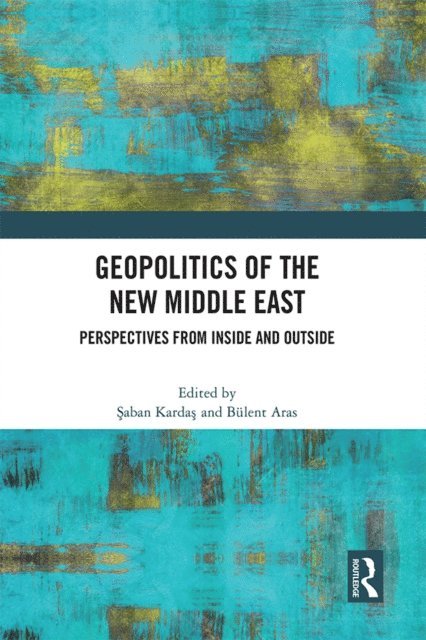
This edited book takes a critical look at the geopolitics of the broader Middle East and North Africa (MENA) region. It scrutinizes some of the perennial issues shaping the regional security agenda, as well as the emerging geopolitical trends in the wake of a decade of turmoil triggered by the demands for political and economic reforms. The contributors explore the geopolitical implications of the structural transformation process in the MENA region and beyond, which has unleashed destabilizing forces and multifaceted conflicts, with the involvement of many local, regional and global actors. They also look at how some of the regional actors have reacted to the risks and security challenges produced by the wave of instability and conflicts, and conducted their foreign policy in this volatile period of fluid alliances. Other contributors explore the roles and perspectives of major extra-regional actors, delving deeper into how they have adjusted their policies towards the emergence of a new order and reshuffling of alignments. This book will be of interest to researchers and advanced students of politics, international relations, and political geography. It was originally published as a special issue of the Journal of Balkan and Near Eastern Studies.
576 kr
Skickas inom 10-15 vardagar
This edited book takes a critical look at the geopolitics of the broader Middle East and North Africa (MENA) region. It scrutinizes some of the perennial issues shaping the regional security agenda, as well as the emerging geopolitical trends in the wake of a decade of turmoil triggered by the demands for political and economic reforms. The contributors explore the geopolitical implications of the structural transformation process in the MENA region and beyond, which has unleashed destabilizing forces and multifaceted conflicts, with the involvement of many local, regional and global actors. They also look at how some of the regional actors have reacted to the risks and security challenges produced by the wave of instability and conflicts, and conducted their foreign policy in this volatile period of fluid alliances. Other contributors explore the roles and perspectives of major extra-regional actors, delving deeper into how they have adjusted their policies towards the emergence of a new order and reshuffling of alignments. This book will be of interest to researchers and advanced students of politics, international relations, and political geography. It was originally published as a special issue of the Journal of Balkan and Near Eastern Studies.
1 295 kr
Skickas inom 10-15 vardagar
It has been almost five years now since a new collective consciousness of Arab masses transformed the political landscape of the Middle East and North Africa. In just a short period of time, the people of the Arab world protested against their rulers, putting an end to long-time authoritarian leaders in Tunisia, Egypt, Libya, and Yemen, while bringing others to the eve of collapse. Although the uprisings were initially successful, the people’s strong will to see honour, dignity, rights, and good governance realized within their respective countries was fiercely combated by the ruling strata of these states and their strategies to ensure authoritarian survival.The changing political landscape and the dynamic processes of the Arab Spring have caught the attention of academics as well. There is a blossoming literature being written on the Arab Spring focusing on social protests, authoritarian resilience and learning, opposition strategies, the rise of non-state actors, state failure, foreign policy, and new the geopolitical landscape. Therefore, with the desire to contribute to this literature, this edited volume aims to address the changing political atmosphere and the challenges of the emerging geopolitical order, particularly focusing on Turkish foreign policy and its response to the Arab Spring. This book was originally published as a special issue of the Journal of Balkan and Near Eastern Studies.