Fuat Keyman - Böcker
Visar alla böcker från författaren Fuat Keyman. Handla med fri frakt och snabb leverans.
4 produkter
4 produkter
443 kr
Skickas inom 10-15 vardagar
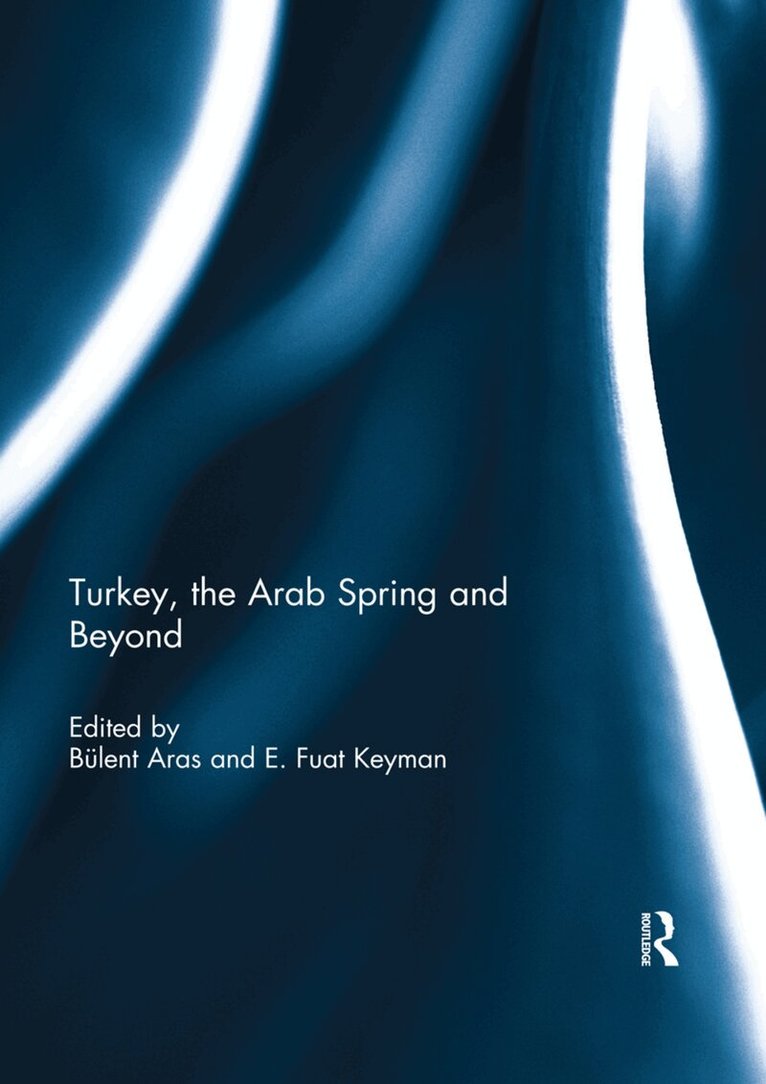
It has been almost five years now since a new collective consciousness of Arab masses transformed the political landscape of the Middle East and North Africa. In just a short period of time, the people of the Arab world protested against their rulers, putting an end to long-time authoritarian leaders in Tunisia, Egypt, Libya, and Yemen, while bringing others to the eve of collapse. Although the uprisings were initially successful, the people’s strong will to see honour, dignity, rights, and good governance realized within their respective countries was fiercely combated by the ruling strata of these states and their strategies to ensure authoritarian survival.The changing political landscape and the dynamic processes of the Arab Spring have caught the attention of academics as well. There is a blossoming literature being written on the Arab Spring focusing on social protests, authoritarian resilience and learning, opposition strategies, the rise of non-state actors, state failure, foreign policy, and new the geopolitical landscape. Therefore, with the desire to contribute to this literature, this edited volume aims to address the changing political atmosphere and the challenges of the emerging geopolitical order, particularly focusing on Turkish foreign policy and its response to the Arab Spring. This book was originally published as a special issue of the Journal of Balkan and Near Eastern Studies.
2 233 kr
Skickas inom 10-15 vardagar
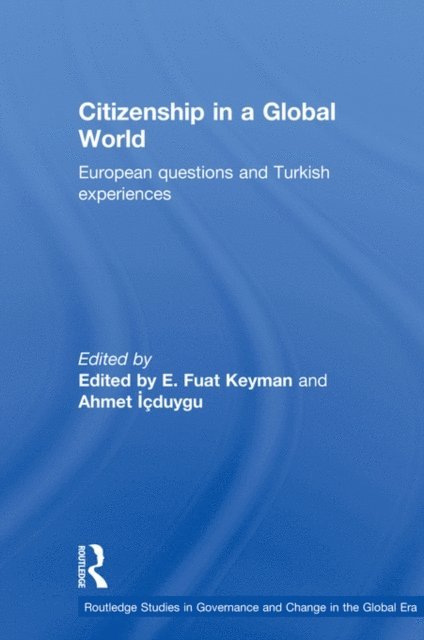
A keen analysis of the social, political and economic determinants of Turkish politics with an exploration of the different dimensions of the republican model of Turkish citizenship, providing the reader with a comprehensive account of Turkish modernity and democracy.At the beginning of a new millennium, Turkey finds itself at a critical juncture in its democratic evolution. This momentous event has been precipitated by its desire to enter into the European Union and the recent financial crisis it has faced, both of which have fuelled the need for the creation of a strong, democratic Turkey.Consisting of a collection of innovative and influential essays by leading scholars, this book gives the reader an historical and sociological understanding of Turkey and adds a new dimension to the ongoing discussion surrounding global citizenship and global identity.
674 kr
Skickas inom 10-15 vardagar
A keen analysis of the social, political and economic determinants of Turkish politics with an exploration of the different dimensions of the republican model of Turkish citizenship, providing the reader with a comprehensive account of Turkish modernity and democracy.At the beginning of a new millennium, Turkey finds itself at a critical juncture in its democratic evolution. This momentous event has been precipitated by its desire to enter into the European Union and the recent financial crisis it has faced, both of which have fuelled the need for the creation of a strong, democratic Turkey.Consisting of a collection of innovative and influential essays by leading scholars, this book gives the reader an historical and sociological understanding of Turkey and adds a new dimension to the ongoing discussion surrounding global citizenship and global identity.
1 301 kr
Skickas inom 10-15 vardagar
It has been almost five years now since a new collective consciousness of Arab masses transformed the political landscape of the Middle East and North Africa. In just a short period of time, the people of the Arab world protested against their rulers, putting an end to long-time authoritarian leaders in Tunisia, Egypt, Libya, and Yemen, while bringing others to the eve of collapse. Although the uprisings were initially successful, the people’s strong will to see honour, dignity, rights, and good governance realized within their respective countries was fiercely combated by the ruling strata of these states and their strategies to ensure authoritarian survival.The changing political landscape and the dynamic processes of the Arab Spring have caught the attention of academics as well. There is a blossoming literature being written on the Arab Spring focusing on social protests, authoritarian resilience and learning, opposition strategies, the rise of non-state actors, state failure, foreign policy, and new the geopolitical landscape. Therefore, with the desire to contribute to this literature, this edited volume aims to address the changing political atmosphere and the challenges of the emerging geopolitical order, particularly focusing on Turkish foreign policy and its response to the Arab Spring. This book was originally published as a special issue of the Journal of Balkan and Near Eastern Studies.