Busi Siddhardha - Böcker
Visar alla böcker från författaren Busi Siddhardha. Handla med fri frakt och snabb leverans.
6 produkter
6 produkter
1 578 kr
Skickas inom 10-15 vardagar
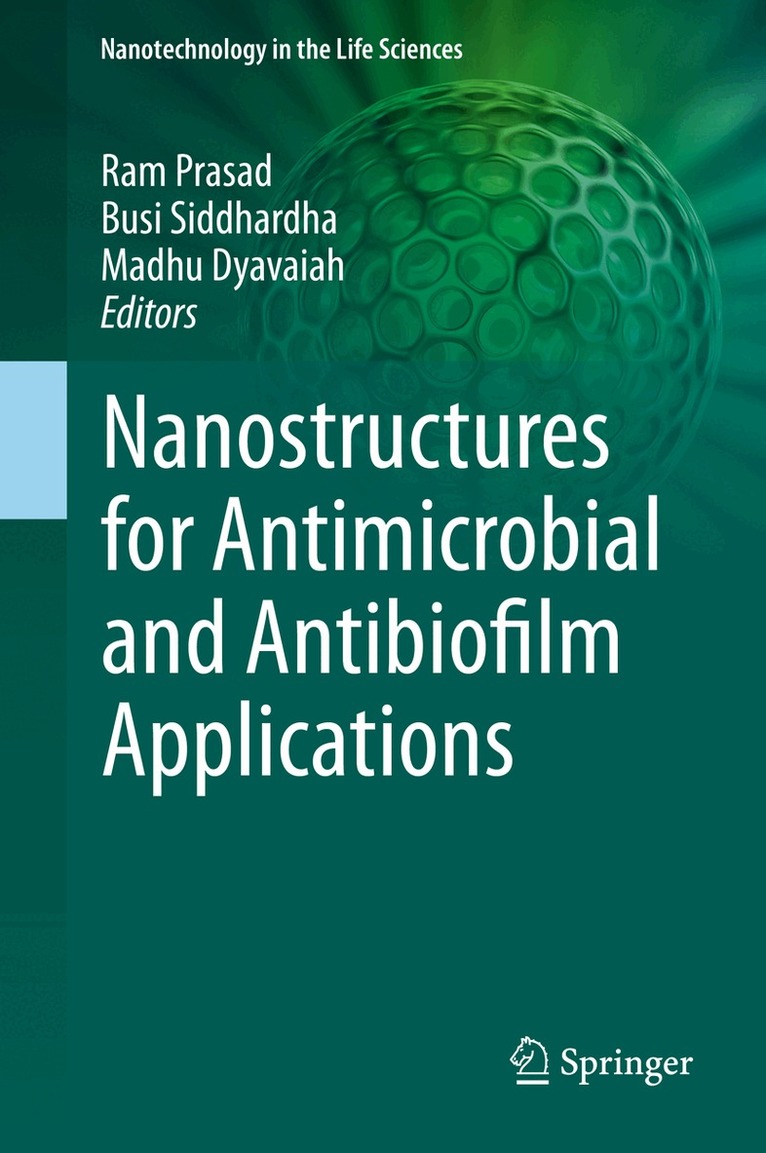
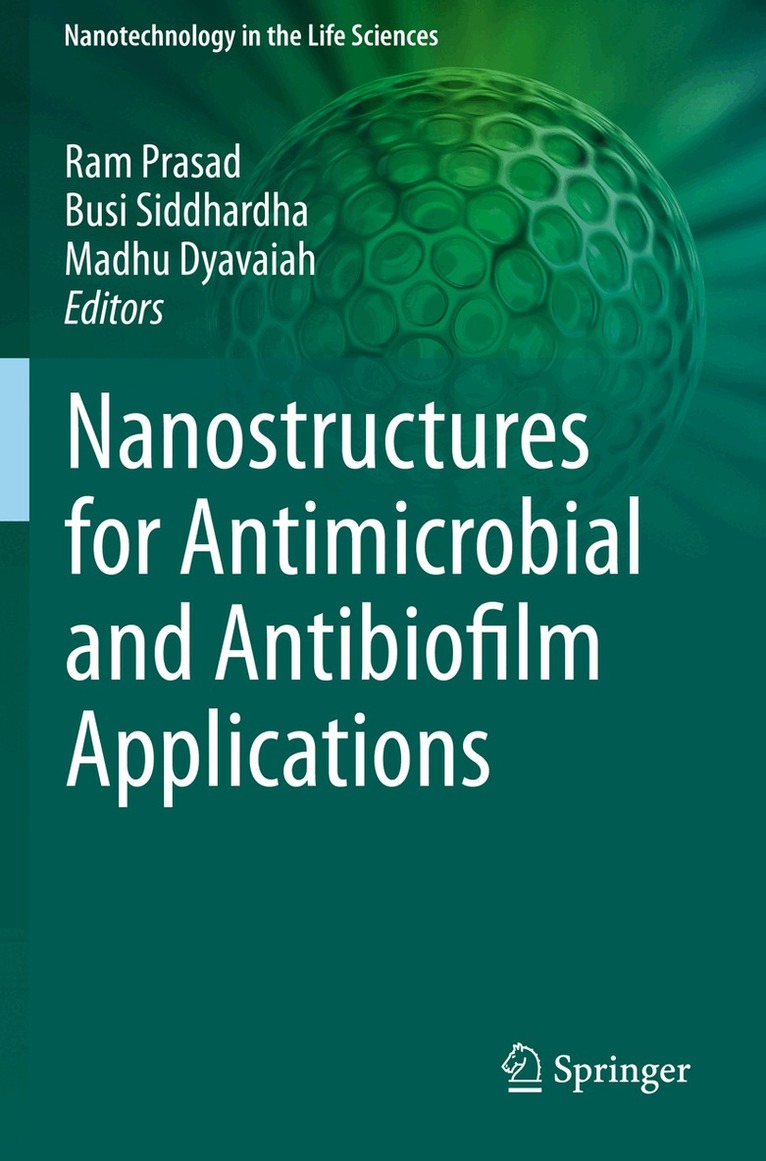
In the pursuit of technological advancement in the field of biotechnology and pharmaceutical industries to counteract health issues, bacterial infections remain a major cause of morbidity and mortality. The ability of bacterial pathogens to form biofilms further agglomerates the situation by showing resistance to conventional antibiotics. To overcome this serious issue, bioactive metabolites and other natural products were exploited to combat bacterial infections and biofilm-related health consequences. Natural products exhibited promising results in vitro, however; their efficacy in in vivo conditions remain obscured due to their low-solubility, bioavailability, and biocompatibility issues. In this scenario, nanotechnological interventions provide a multifaceted platform for targeted delivery of bioactive compounds by slow and sustained release of drug-like compounds. The unique physico-chemical properties, biocompatibility and eco-friendly nature of bioinspired nanostructures has revolutionized the field of biology to eradicate microbial infections and biofilm-related complications. The green-nanotechnology based metal and metal oxide nanoparticles and polymeric nanoparticles have been regularly employed for antimicrobial and antibiofilm applications without causing damage to host tissues. The implications of these nanoparticles toward achieving sustainability in agriculture by providing systemic resistance against a variety of phytopathogens therefore plays crucial role in growth and crop productivity. Also the advent of smart and hybrid nanomaterials such as metal-based polymer nanocomposites, lipid-based nanomaterials and liposomes have the inherent potential to eradicate bacterial biofilm-related infections in an efficient manner. The recent development of carbon-based nanomaterials such as carbon nanotubes (CNTs) and silica based nanomaterials such as mesoporous silica nanoparticles (MSNs) also exploit a target of dreadful healthcare conditions such as cancer, immunomodulatory diseases, and microbial infections, as well as biofilm-related issues owing to their stability profile, biocompatibility, and unique physio-chemical properties. Recently novel physical approaches such as photothermal therapy (PTT) and antimicrobial photodynamic therapy (aPDT) also revolutionized conventional strategies and are engaged in eradicating microbial biofilm-related infections and related health consequences. These promising advancements in the development of novel strategies to treat microbial infections and biofilm-related multidrug resistance (MDR) phenomenon may provide new avenues and aid to conventional antimicrobial therapeutics.
1 578 kr
Skickas inom 10-15 vardagar
In the pursuit of technological advancement in the field of biotechnology and pharmaceutical industries to counteract health issues, bacterial infections remain a major cause of morbidity and mortality. The ability of bacterial pathogens to form biofilms further agglomerates the situation by showing resistance to conventional antibiotics. To overcome this serious issue, bioactive metabolites and other natural products were exploited to combat bacterial infections and biofilm-related health consequences. Natural products exhibited promising results in vitro, however; their efficacy in in vivo conditions remain obscured due to their low-solubility, bioavailability, and biocompatibility issues. In this scenario, nanotechnological interventions provide a multifaceted platform for targeted delivery of bioactive compounds by slow and sustained release of drug-like compounds. The unique physico-chemical properties, biocompatibility and eco-friendly nature of bioinspired nanostructures has revolutionized the field of biology to eradicate microbial infections and biofilm-related complications. The green-nanotechnology based metal and metal oxide nanoparticles and polymeric nanoparticles have been regularly employed for antimicrobial and antibiofilm applications without causing damage to host tissues. The implications of these nanoparticles toward achieving sustainability in agriculture by providing systemic resistance against a variety of phytopathogens therefore plays crucial role in growth and crop productivity. Also the advent of smart and hybrid nanomaterials such as metal-based polymer nanocomposites, lipid-based nanomaterials and liposomes have the inherent potential to eradicate bacterial biofilm-related infections in an efficient manner. The recent development of carbon-based nanomaterials such as carbon nanotubes (CNTs) and silica based nanomaterials such as mesoporous silica nanoparticles (MSNs) also exploit a target of dreadful healthcare conditions such as cancer, immunomodulatory diseases, and microbial infections, as well as biofilm-related issues owing to their stability profile, biocompatibility, and unique physio-chemical properties. Recently novel physical approaches such as photothermal therapy (PTT) and antimicrobial photodynamic therapy (aPDT) also revolutionized conventional strategies and are engaged in eradicating microbial biofilm-related infections and related health consequences. These promising advancements in the development of novel strategies to treat microbial infections and biofilm-related multidrug resistance (MDR) phenomenon may provide new avenues and aid to conventional antimicrobial therapeutics.
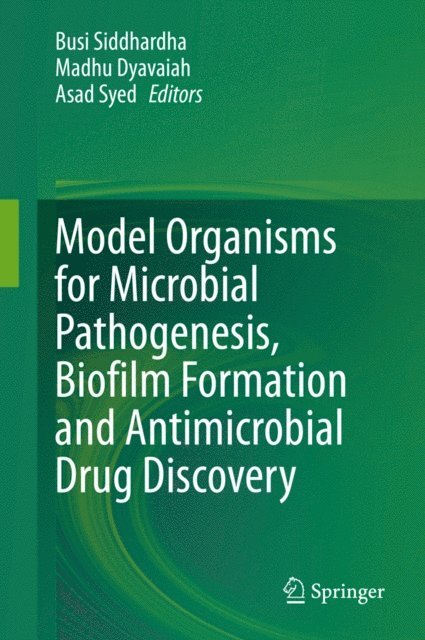
Model Organisms for Microbial Pathogenesis, Biofilm Formation and Antimicrobial Drug Discovery
Inbunden, Engelska, 2020
2 164 kr
Skickas inom 10-15 vardagar
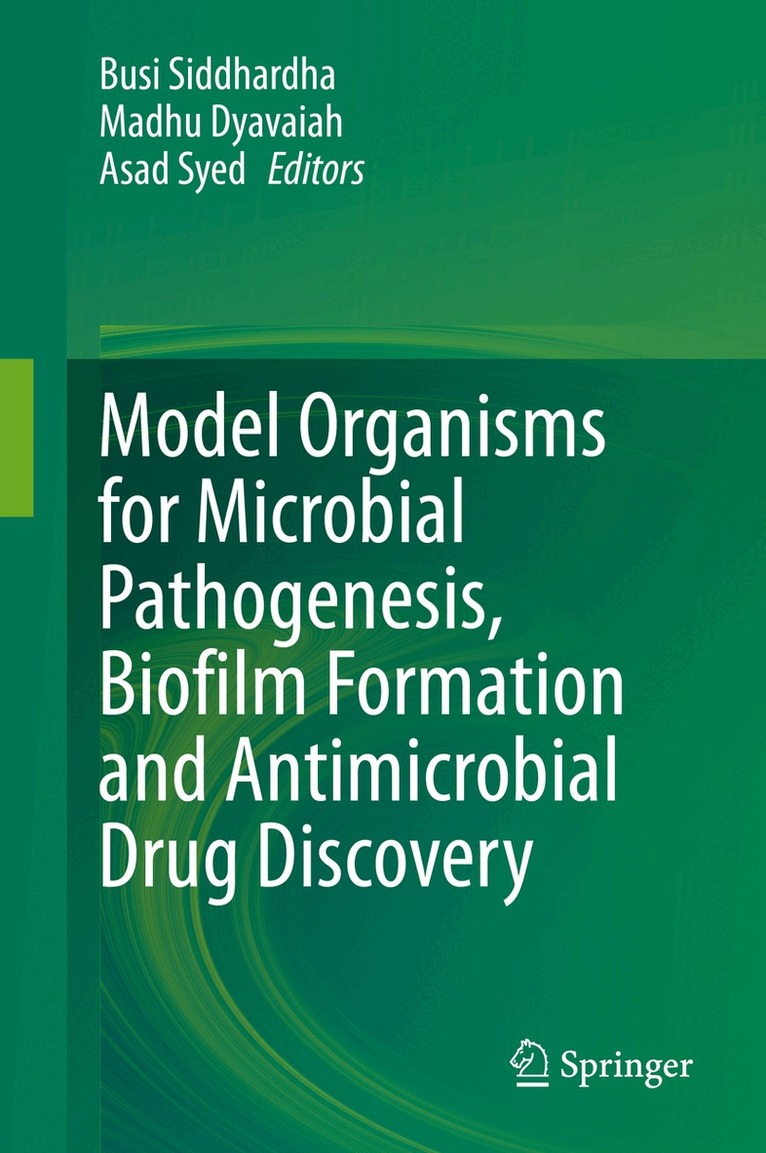
This book provides essential insights into microbial pathogenesis, host-pathogen interactions, and the anti-microbial drug resistance of various human pathogens on the basis of various model organisms.The initial sections of the book introduce readers to the mechanisms of microbial pathogenesis, host-pathogen interactions, anti-microbial drug resistance, and the dynamics of biofilm formation. Due to the emergence of various microbial resistant strains, it is especially important to understand the prognosis for microbial infections, disease progression profiles, and mechanisms of resistance to antibiotic therapy in order to develop novel therapeutic strategies.In turn, the second part of the book presents a comparative analysis of various animal models to help readers understand microbial pathogenesis, host-pathogen interactions, anti-microbial drug discovery, anti-biofilm therapeutics, and treatment regimes. Given its scope, the book represents a valuable asset formicrobiologists, biotechnologists, medical professionals, drug development researchers, and pharmacologists alike.
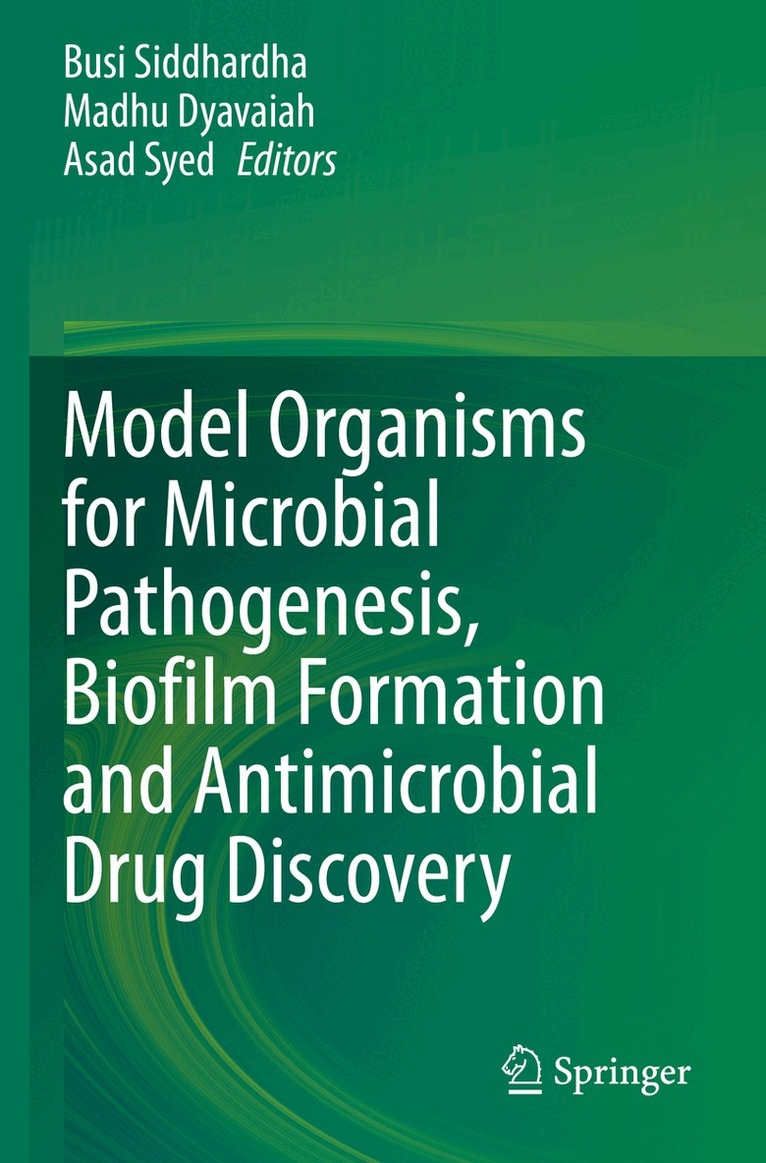
Model Organisms for Microbial Pathogenesis, Biofilm Formation and Antimicrobial Drug Discovery
Häftad, Engelska, 2021
2 164 kr
Skickas inom 10-15 vardagar
This book provides essential insights into microbial pathogenesis, host-pathogen interactions, and the anti-microbial drug resistance of various human pathogens on the basis of various model organisms.The initial sections of the book introduce readers to the mechanisms of microbial pathogenesis, host-pathogen interactions, anti-microbial drug resistance, and the dynamics of biofilm formation. Due to the emergence of various microbial resistant strains, it is especially important to understand the prognosis for microbial infections, disease progression profiles, and mechanisms of resistance to antibiotic therapy in order to develop novel therapeutic strategies.In turn, the second part of the book presents a comparative analysis of various animal models to help readers understand microbial pathogenesis, host-pathogen interactions, anti-microbial drug discovery, anti-biofilm therapeutics, and treatment regimes. Given its scope, the book represents a valuable asset formicrobiologists, biotechnologists, medical professionals, drug development researchers, and pharmacologists alike.
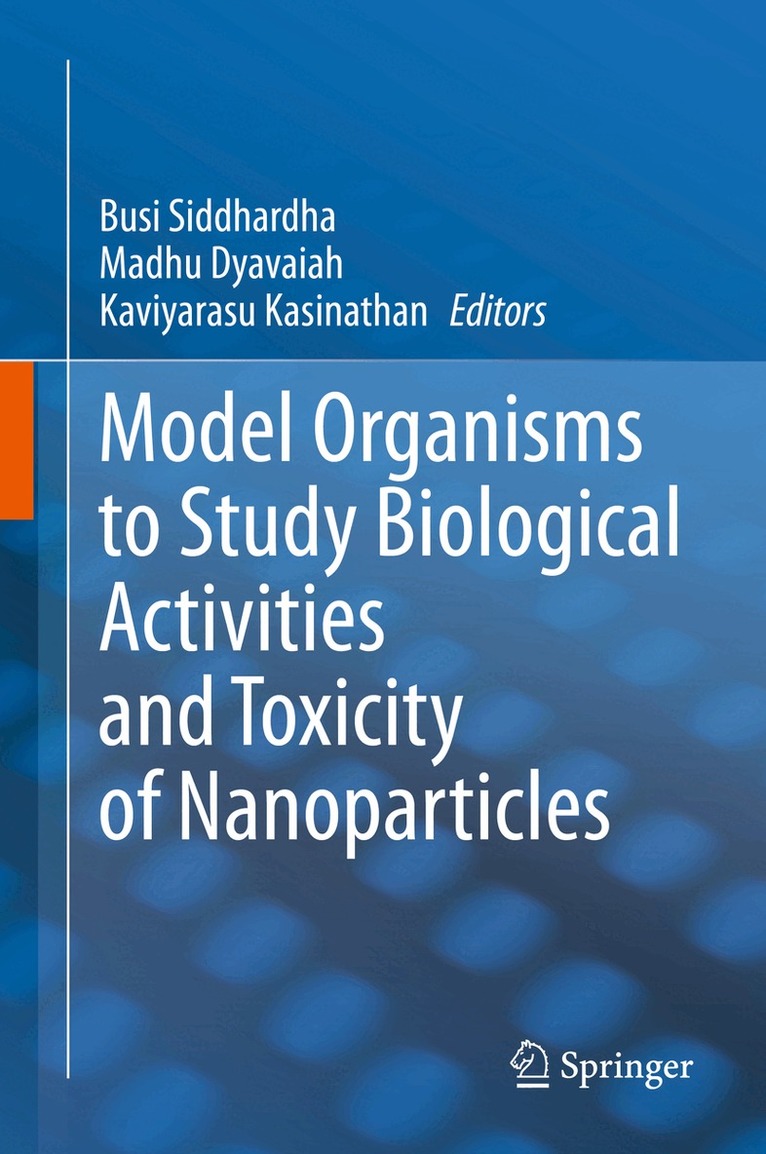
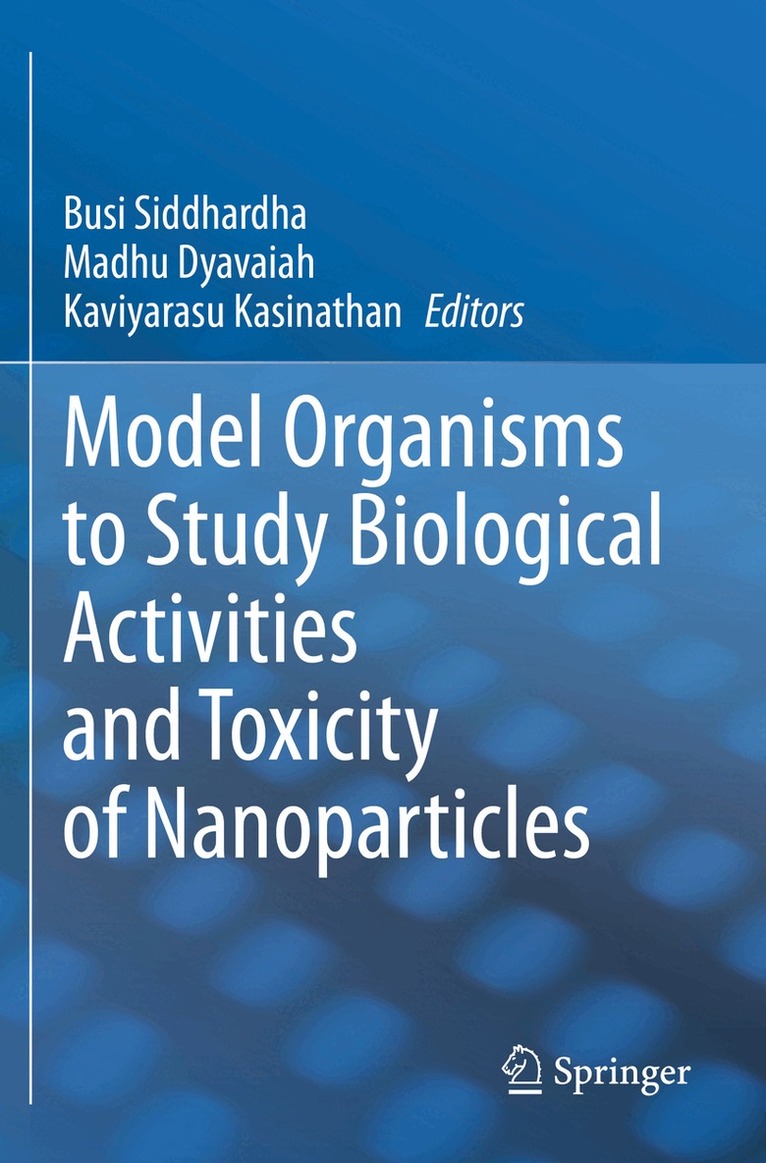
Model Organisms to Study Biological Activities and Toxicity of Nanoparticles
Inbunden, Engelska, 2020
1 096 kr
Skickas inom 10-15 vardagar
This book provides a comprehensive overview of state-of-the-art applications of nanotechnology in biology and medicine, as well as model organisms that can help us understand the biological activity and associated toxicity of nanoparticles, and devise strategies to minimize toxicity and enhance therapies.Thanks to their high surface-to-volume ratio, nanoparticles are characterized by excellent biocompatibility and bioavailability, a high therapeutic index, and relatively low toxicity, which has led to their widespread application in the early diagnosis of diseases, comprehensive monitoring of disease progression, and improved therapeutics.The book also explores nanoparticle-based insecticides and their mechanisms of action, and provides a comparative analysis of the various model organisms that are used to understand the biological properties of nanoparticles. Further, it describes various in-vivo models that yield important insights into nanomaterial-mediated toxicity, promoting the optimal utilization of nanoparticles. In closing, the book discusses future perspectives and regulatory issues concerning the use of nanomaterials in translational research.
1 096 kr
Skickas inom 10-15 vardagar
This book provides a comprehensive overview of state-of-the-art applications of nanotechnology in biology and medicine, as well as model organisms that can help us understand the biological activity and associated toxicity of nanoparticles, and devise strategies to minimize toxicity and enhance therapies.Thanks to their high surface-to-volume ratio, nanoparticles are characterized by excellent biocompatibility and bioavailability, a high therapeutic index, and relatively low toxicity, which has led to their widespread application in the early diagnosis of diseases, comprehensive monitoring of disease progression, and improved therapeutics.The book also explores nanoparticle-based insecticides and their mechanisms of action, and provides a comparative analysis of the various model organisms that are used to understand the biological properties of nanoparticles. Further, it describes various in-vivo models that yield important insights into nanomaterial-mediated toxicity, promoting the optimal utilization of nanoparticles. In closing, the book discusses future perspectives and regulatory issues concerning the use of nanomaterials in translational research.