C. Herb Ward – författare
Visar alla böcker från författaren C. Herb Ward. Handla med fri frakt och snabb leverans.
15 produkter
15 produkter
Inbunden, Engelska, 2008
545 kr
Skickas inom 10-15 vardagar
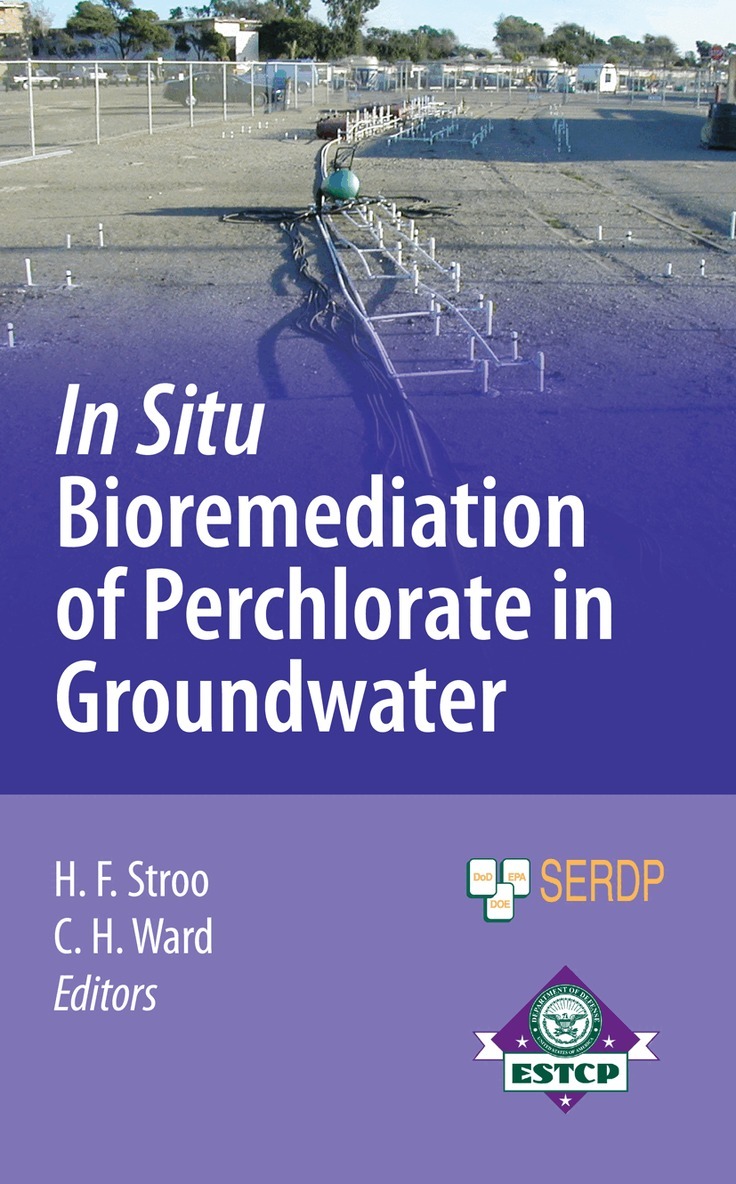
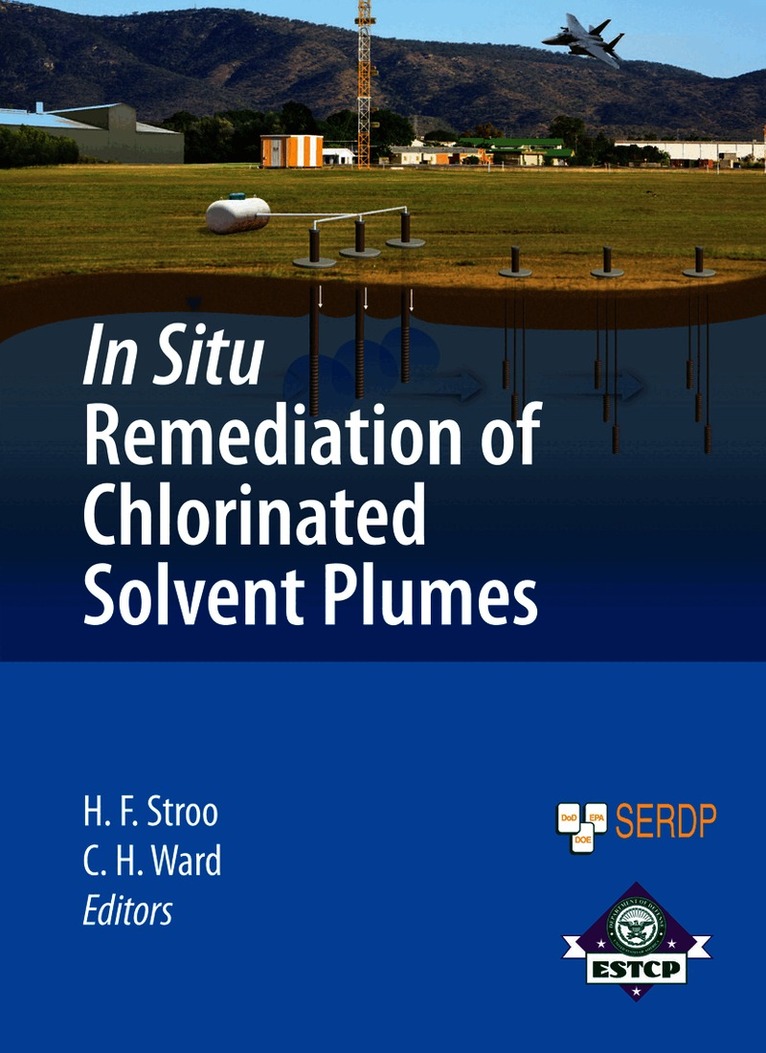
In the late 1970s and early 1980s, our nation began to grapple with the legacy of past disposal practices for toxic chemicals. With the passage in 1980 of the Comprehensive Environmental Response, Compensation, and Liability Act (CERCLA), commonly known as Superfund, it became the law of the land to remediate these sites. The U. S. Department of Defense (DoD), the nation’s largest industrial organization, also recognized that it too had a legacy of contaminated sites. Historic operations at Army, Navy, Air Force, and Marine Corps facilities, ranges, manufacturing sites, shipyards, and depots had resulted in widespread contamination of soil, groundwater, and sediment. While Superfund began in 1980 to focus on remediation of heavily contaminated sites largely abandoned or neglected by the private sector, the DoD had already initiated its Installation Restoration Program in the mid 1970s. In 1984, the DoD began the Defense Environmental Restoration Program (DERP) for contaminated site assessment and remediation. Two years later, the U. S. Congress codified the DERP and directed the Secretary of Defense to carry out a concurrent program of research, development, and demonstration of innovative remediation technologies. As chronicled in the 1994 National Research Council report, “Ranking Hazardous-Waste Sites for Remedial Action”, our early estimates on the cost and suitability of existing technologies for cleaning up contaminated sites were wildly optimistic. Original estimates, in 1980, projected an average Superfund cleanup cost of a mere $3.
E-bok
PDF, Engelska, 2008712 kr
Läs direkt efter köp
In the late 1970s and early 1980s, our nation began to grapple with the legacy of past disposal practices for toxic chemicals. With the passage in 1980 of the Comprehensive Environmental Response, Compensation, and Liability Act (CERCLA), commonly known as Superfund, it became the law of the land to remediate these sites. The U. S. Department of Defense (DoD), the nation’s largest industrial organization, also recognized that it too had a legacy of contaminated sites. Historic operations at Army, Navy, Air Force, and Marine Corps facilities, ranges, manufacturing sites, shipyards, and depots had resulted in widespread contamination of soil, groundwater, and sediment. While Superfund began in 1980 to focus on remediation of heavily contaminated sites largely abandoned or neglected by the private sector, the DoD had already initiated its Installation Restoration Program in the mid 1970s. In 1984, the DoD began the Defense Environmental Restoration Program (DERP) for contaminated site assessment and remediation. Two years later, the U. S. Congress codified the DERP and directed the Secretary of Defense to carry out a concurrent program of research, development, and demonstration of innovative remediation technologies. As chronicled in the 1994 National Research Council report, “Ranking Hazardous-Waste Sites for Remedial Action”, our early estimates on the cost and suitability of existing technologies for cleaning up contaminated sites were wildly optimistic. Original estimates, in 1980, projected an average Superfund cleanup cost of a mere $3.
Inbunden, Engelska, 2010
1 190 kr
Skickas inom 10-15 vardagar
In the late 1970s and early 1980s, our nation began to grapple with the legacy of past disposal practices for toxic chemicals. With the passage in 1980 of the Comprehensive Envir- mental Response, Compensation, and Liability Act (CERCLA), commonly known as Sup- fund, it became the law of the land to remediate these sites. The U. S. Department of Defense (DoD), the nation’s largest industrial organization, also recognized that it too had a legacy of contaminated sites. Historic operations at Army, Navy, Air Force, and Marine Corps facilities, ranges, manufacturing sites, shipyards, and depots had resulted in widespread contamination of soil, groundwater, and sediment. While Superfund began in 1980 to focus on remediation of heavily contaminated sites largely abandoned or neglected by the private sector, the DoD had already initiated its Installation Restoration Program in the mid-1970s. In 1984, the DoD began the Defense Environmental Restoration Program (DERP) for contaminated site assessment and remediation. Two years later, the U. S. Congress codified the DERP and directed the Secretary of Defense to carry out a concurrent program of research, development, and demonstration of innovative remediation technologies. As chronicled in the 1994 National Research Council report, “Ranking Hazardous-Waste Sites for Remedial Action,” our early estimates on the cost and suitability of existing techn- ogies for cleaning up contaminated sites were wildly optimistic. Original estimates, in 1980, projected an average Superfund cleanup cost of a mere $3.
E-bok
PDF, Engelska, 20101 108 kr
Läs direkt efter köp
In the late 1970s and early 1980s, our nation began to grapple with the legacy of past disposal practices for toxic chemicals. With the passage in 1980 of the Comprehensive Envir- mental Response, Compensation, and Liability Act (CERCLA), commonly known as Sup- fund, it became the law of the land to remediate these sites. The U. S. Department of Defense (DoD), the nation’s largest industrial organization, also recognized that it too had a legacy of contaminated sites. Historic operations at Army, Navy, Air Force, and Marine Corps facilities, ranges, manufacturing sites, shipyards, and depots had resulted in widespread contamination of soil, groundwater, and sediment. While Superfund began in 1980 to focus on remediation of heavily contaminated sites largely abandoned or neglected by the private sector, the DoD had already initiated its Installation Restoration Program in the mid-1970s. In 1984, the DoD began the Defense Environmental Restoration Program (DERP) for contaminated site assessment and remediation. Two years later, the U. S. Congress codified the DERP and directed the Secretary of Defense to carry out a concurrent program of research, development, and demonstration of innovative remediation technologies. As chronicled in the 1994 National Research Council report, “Ranking Hazardous-Waste Sites for Remedial Action,” our early estimates on the cost and suitability of existing techn- ogies for cleaning up contaminated sites were wildly optimistic. Original estimates, in 1980, projected an average Superfund cleanup cost of a mere $3.
Häftad, Engelska, 2011
545 kr
Skickas inom 10-15 vardagar
In the late 1970s and early 1980s, our nation began to grapple with the legacy of past disposal practices for toxic chemicals. With the passage in 1980 of the Comprehensive Environmental Response, Compensation, and Liability Act (CERCLA), commonly known as Superfund, it became the law of the land to remediate these sites. The U. S. Department of Defense (DoD), the nation’s largest industrial organization, also recognized that it too had a legacy of contaminated sites. Historic operations at Army, Navy, Air Force, and Marine Corps facilities, ranges, manufacturing sites, shipyards, and depots had resulted in widespread contamination of soil, groundwater, and sediment. While Superfund began in 1980 to focus on remediation of heavily contaminated sites largely abandoned or neglected by the private sector, the DoD had already initiated its Installation Restoration Program in the mid 1970s. In 1984, the DoD began the Defense Environmental Restoration Program (DERP) for contaminated site assessment and remediation. Two years later, the U. S. Congress codified the DERP and directed the Secretary of Defense to carry out a concurrent program of research, development, and demonstration of innovative remediation technologies. As chronicled in the 1994 National Research Council report, “Ranking Hazardous-Waste Sites for Remedial Action”, our early estimates on the cost and suitability of existing technologies for cleaning up contaminated sites were wildly optimistic. Original estimates, in 1980, projected an average Superfund cleanup cost of a mere $3.
Del 5 - SERDP ESTCP Environmental Remediation Technology
Bioaugmentation for Groundwater Remediation
Inbunden, Engelska, 2012
1 082 kr
Skickas inom 10-15 vardagar
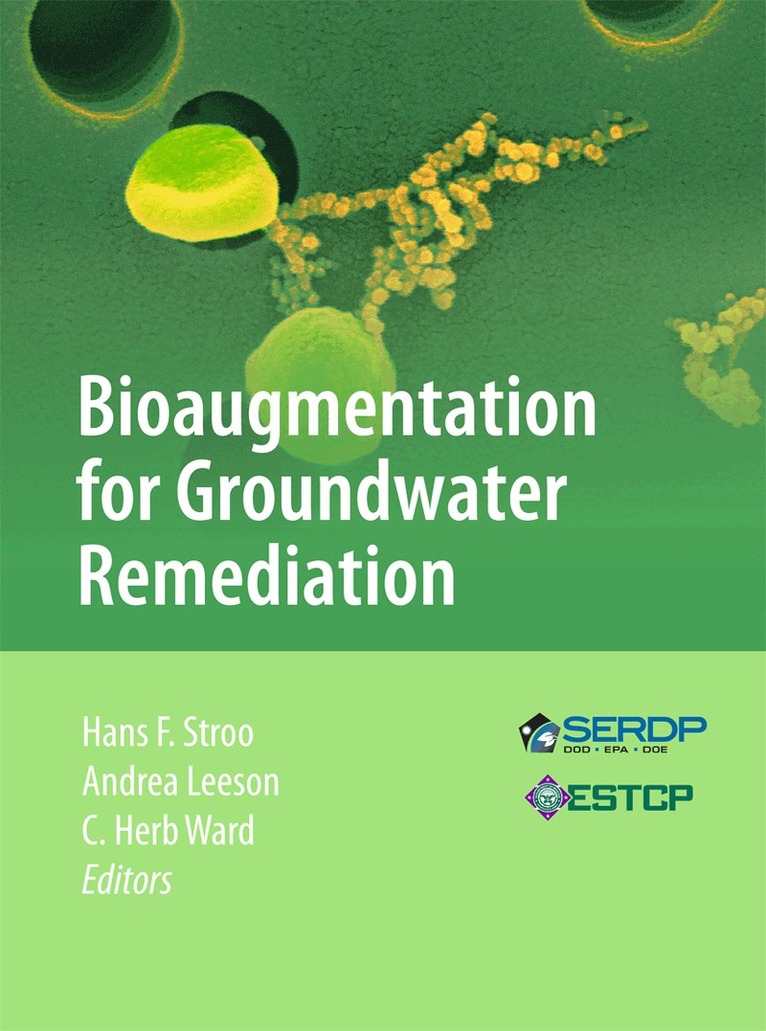
This volume provides a review of the past 10 to 15 years of intensive research, development and demonstrations that have been on the forefront of developing bioaugmentation into a viable remedial technology. This volume provides both a primer on the basic microbial processes involved in bioaugmentation, as well as a thorough summary of the methodology for implementing the technology. This reference volume will serve as a valuable resource for environmental remediation professionals who seek to understand, evaluate, and implement bioaugmentation.
E-bok
PDF, Engelska, 20121 416 kr
Läs direkt efter köp
This volume provides a review of the past 10 to 15 years of intensive research, development and demonstrations that have been on the forefront of developing bioaugmentation into a viable remedial technology. This volume provides both a primer on the basic microbial processes involved in bioaugmentation, as well as a thorough summary of the methodology for implementing the technology. This reference volume will serve as a valuable resource for environmental remediation professionals who seek to understand, evaluate, and implement bioaugmentation.
Del 7 - SERDP ESTCP Environmental Remediation Technology
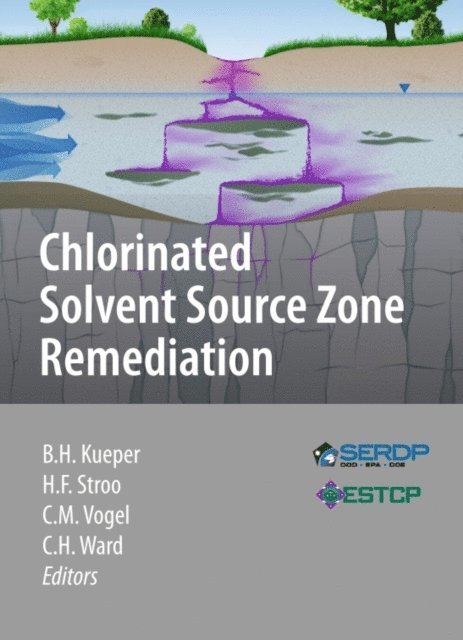
Chlorinated Solvent Source Zone Remediation
Inbunden, Engelska, 2014
1 620 kr
Skickas inom 10-15 vardagar
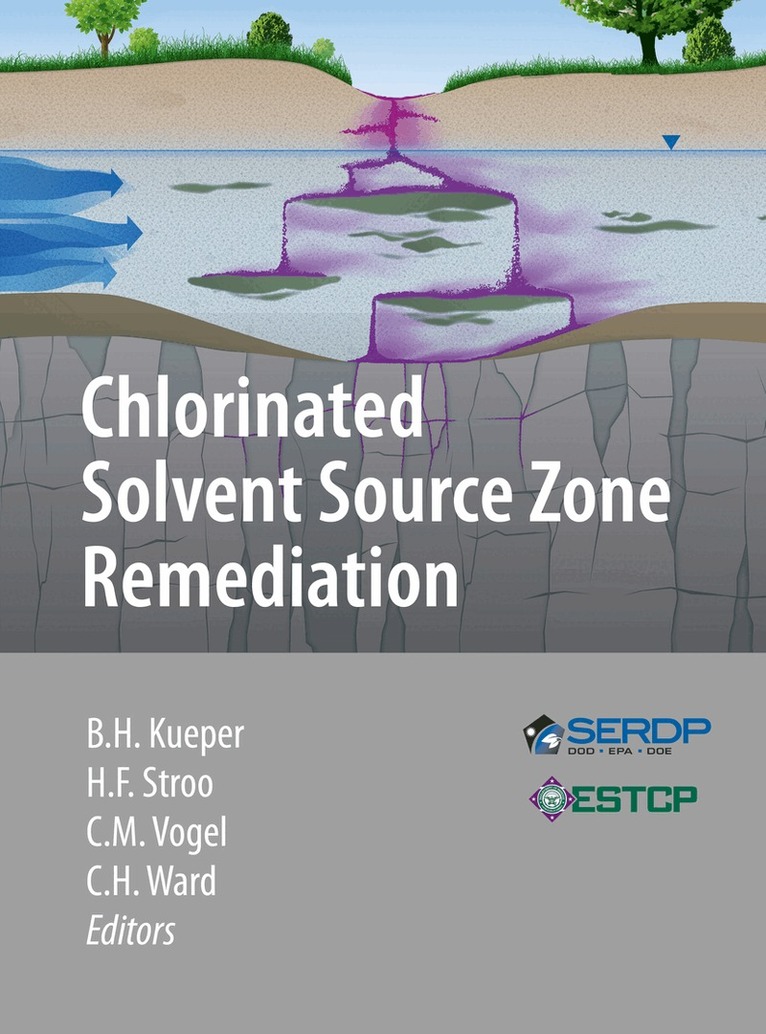
The purpose of this book is to help engineers and scientists better understand dense nonaqueous phase liquid (DNAPL) contamination of groundwater and the methods and technology used for characterization and remediation. Remediation of DNAPL source zones is very difficult and controversial and must be based on state-of-the-art knowledge of the behavior (transport and fate) of nonaqueous phase liquids in the subsurface and site specific geology, chemistry and hydrology. This volume is focused on the characterization and remediation of nonaqueous phase chlorinated solvents and it is hoped that mid-level engineers and scientists will find this book helpful in understanding the current state-of-practice of DNAPL source zone management and remediation.
E-bok
PDF, Engelska, 20141 977 kr
Läs direkt efter köp
The purpose of this book is to help engineers and scientists better understand dense nonaqueous phase liquid (DNAPL) contamination of groundwater and the methods and technology used for characterization and remediation. Remediation of DNAPL source zones is very difficult and controversial and must be based on state-of-the-art knowledge of the behavior (transport and fate) of nonaqueous phase liquids in the subsurface and site specific geology, chemistry and hydrology. This volume is focused on the characterization and remediation of nonaqueous phase chlorinated solvents and it is hoped that mid-level engineers and scientists will find this book helpful in understanding the current state-of-practice of DNAPL source zone management and remediation.
Del 5 - SERDP ESTCP Environmental Remediation Technology
Bioaugmentation for Groundwater Remediation
Häftad, Engelska, 2014
1 082 kr
Skickas inom 10-15 vardagar
This volume provides a review of the past 10 to 15 years of intensive research, development and demonstrations that have been on the forefront of developing bioaugmentation into a viable remedial technology. This volume provides both a primer on the basic microbial processes involved in bioaugmentation, as well as a thorough summary of the methodology for implementing the technology. This reference volume will serve as a valuable resource for environmental remediation professionals who seek to understand, evaluate, and implement bioaugmentation.
545 kr
Skickas inom 10-15 vardagar
This book is open access under a CC BY-NC 2.5 license.The Gulf of Mexico is an open and dynamic marine ecosystem rich in natural resources but heavily impacted by human activities, including agricultural, industrial, commercial and coastal development. The Gulf of Mexico has been continuously exposed to petroleum hydrocarbons for millions of years from natural oil and gas seeps on the sea floor, and more recently from oil drilling and production activities located in the water near and far from shore. Major accidental oil spills in the Gulf are infrequent; two of the most significant include the Ixtoc I blowout in the Bay of Campeche in 1979 and the Deepwater Horizon Oil Spill in 2010. Unfortunately, baseline assessments of the status of habitats and biota in the Gulf of Mexico before these spills either were not available, or the data had not been systematically compiled in a way that would help scientists assess the potential short-term and long-term effects of such events.This 2-volume series compiles and summarizes thousands of data sets showing the status of habitats and biota in the Gulf of Mexico before the Deepwater Horizon Oil Spill. Volume 1 covers: water and sediment quality and contaminants in the Gulf; natural oil and gas seeps in the Gulf of Mexico; coastal habitats, including flora and fauna and coastal geology; offshore benthos and plankton, with an analysis of current knowledge on energy capture and energy flows in the Gulf; and shellfish and finfish resources that provide the basis for commercial and recreational fisheries.
Inbunden, Engelska, 2017
545 kr
Skickas inom 10-15 vardagar
This book is open access under a CC BY-NC 2.5 license.The Gulf of Mexico is an open and dynamic marine ecosystem rich in natural resources but heavily impacted by human activities, including agricultural, industrial, commercial and coastal development. The Gulf of Mexico has been continuously exposed to petroleum hydrocarbons for millions of years from natural oil and gas seeps on the sea floor, and more recently from oil drilling and production activities located in the water near and far from shore. Major accidental oil spills in the Gulf are infrequent; two of the most significant include the Ixtoc I blowout in the Bay of Campeche in 1979 and the Deepwater Horizon Oil Spill in 2010. Unfortunately, baseline assessments of the status of habitats and biota in the Gulf of Mexico before these spills either were not available, or the data had not been systematically compiled in a way that would help scientists assess the potential short-term and long-term effects of such events.This 2-volume series compiles and summarizes thousands of data sets showing the status of habitats and biota in the Gulf of Mexico before the Deepwater Horizon Oil Spill. Volume 2 covers historical data on commercial and recreational fisheries, with an analysis of marketing trends and drivers; ecology, populations and risks to birds, sea turtles and marine mammals in the Gulf; and diseases and mortalities of fish and other animals that inhabit the Gulf of Mexico.
Häftad, Engelska, 2016
867 kr
Skickas inom 10-15 vardagar
In the late 1970s and early 1980s, our nation began to grapple with the legacy of past disposal practices for toxic chemicals. With the passage in 1980 of the Comprehensive Envir- mental Response, Compensation, and Liability Act (CERCLA), commonly known as Sup- fund, it became the law of the land to remediate these sites. The U. S. Department of Defense (DoD), the nation’s largest industrial organization, also recognized that it too had a legacy of contaminated sites. Historic operations at Army, Navy, Air Force, and Marine Corps facilities, ranges, manufacturing sites, shipyards, and depots had resulted in widespread contamination of soil, groundwater, and sediment. While Superfund began in 1980 to focus on remediation of heavily contaminated sites largely abandoned or neglected by the private sector, the DoD had already initiated its Installation Restoration Program in the mid-1970s. In 1984, the DoD began the Defense Environmental Restoration Program (DERP) for contaminated site assessment and remediation. Two years later, the U. S. Congress codified the DERP and directed the Secretary of Defense to carry out a concurrent program of research, development, and demonstration of innovative remediation technologies. As chronicled in the 1994 National Research Council report, “Ranking Hazardous-Waste Sites for Remedial Action,” our early estimates on the cost and suitability of existing techn- ogies for cleaning up contaminated sites were wildly optimistic. Original estimates, in 1980, projected an average Superfund cleanup cost of a mere $3.
545 kr
Skickas inom 10-15 vardagar
This book is open access under a CC BY-NC 2.5 license.The Gulf of Mexico is an open and dynamic marine ecosystem rich in natural resources but heavily impacted by human activities, including agricultural, industrial, commercial and coastal development. The Gulf of Mexico has been continuously exposed to petroleum hydrocarbons for millions of years from natural oil and gas seeps on the sea floor, and more recently from oil drilling and production activities located in the water near and far from shore. Major accidental oil spills in the Gulf are infrequent; two of the most significant include the Ixtoc I blowout in the Bay of Campeche in 1979 and the Deepwater Horizon Oil Spill in 2010. Unfortunately, baseline assessments of the status of habitats and biota in the Gulf of Mexico before these spills either were not available, or the data had not been systematically compiled in a way that would help scientists assess the potential short-term and long-term effects of such events.This 2-volume series compiles and summarizes thousands of data sets showing the status of habitats and biota in the Gulf of Mexico before the Deepwater Horizon Oil Spill. Volume 1 covers: water and sediment quality and contaminants in the Gulf; natural oil and gas seeps in the Gulf of Mexico; coastal habitats, including flora and fauna and coastal geology; offshore benthos and plankton, with an analysis of current knowledge on energy capture and energy flows in the Gulf; and shellfish and finfish resources that provide the basis for commercial and recreational fisheries.
Häftad, Engelska, 2018
545 kr
Skickas inom 10-15 vardagar
This book is open access under a CC BY-NC 2.5 license.The Gulf of Mexico is an open and dynamic marine ecosystem rich in natural resources but heavily impacted by human activities, including agricultural, industrial, commercial and coastal development. The Gulf of Mexico has been continuously exposed to petroleum hydrocarbons for millions of years from natural oil and gas seeps on the sea floor, and more recently from oil drilling and production activities located in the water near and far from shore. Major accidental oil spills in the Gulf are infrequent; two of the most significant include the Ixtoc I blowout in the Bay of Campeche in 1979 and the Deepwater Horizon Oil Spill in 2010. Unfortunately, baseline assessments of the status of habitats and biota in the Gulf of Mexico before these spills either were not available, or the data had not been systematically compiled in a way that would help scientists assess the potential short-term and long-term effects of such events.This 2-volume series compiles and summarizes thousands of data sets showing the status of habitats and biota in the Gulf of Mexico before the Deepwater Horizon Oil Spill. Volume 2 covers historical data on commercial and recreational fisheries, with an analysis of marketing trends and drivers; ecology, populations and risks to birds, sea turtles and marine mammals in the Gulf; and diseases and mortalities of fish and other animals that inhabit the Gulf of Mexico.