Hans F. Stroo – författare
Visar alla böcker från författaren Hans F. Stroo. Handla med fri frakt och snabb leverans.
11 produkter
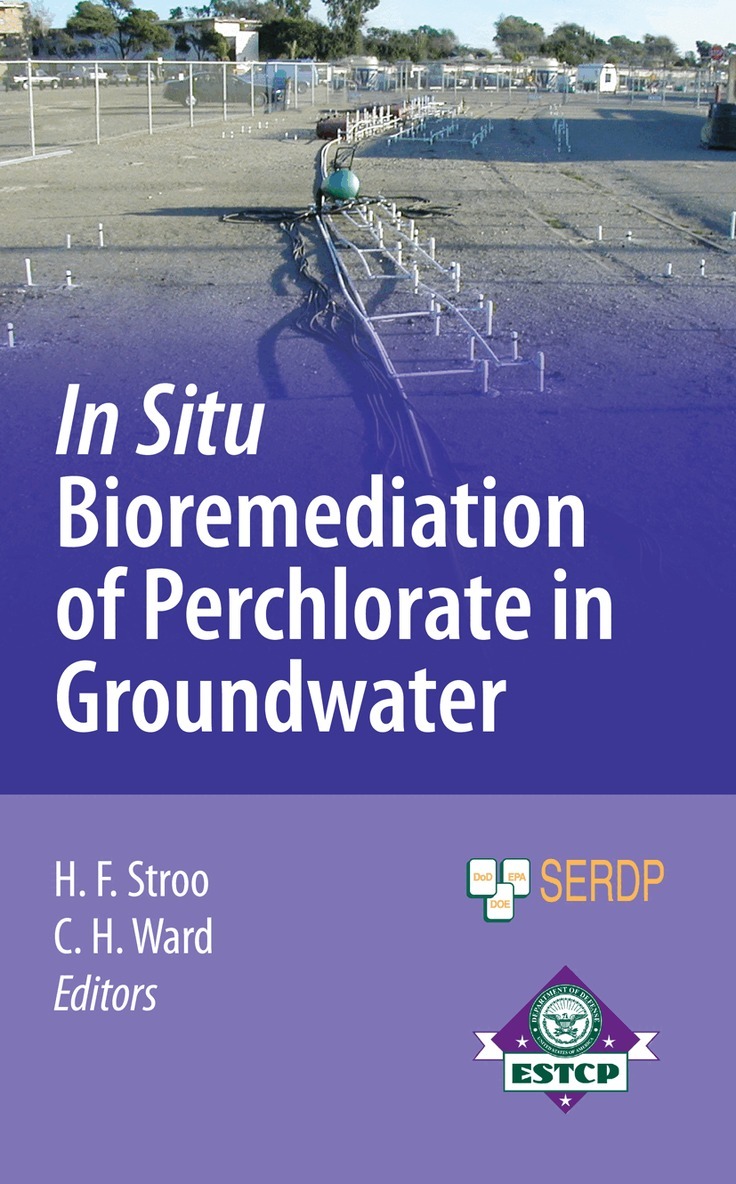
In Situ Bioremediation of Perchlorate in Groundwater
Av Hans F. Stroo, C. Herb Ward
Inbunden, 2008
551 kr
Lägg i varukorg
In the late 1970s and early 1980s, our nation began to grapple with the legacy of past disposal practices for toxic chemicals. With the passage in 1980 of the Comprehensive Environmental Response, Compensation, and Liability Act (CERCLA), commonly known as Superfund, it became the law of the land …
In Situ Bioremediation of Perchlorate in Groundwater
Av C. Herb Ward, Hans F. Stroo
E-bok, 2008
734 kr
Lägg i varukorg
In the late 1970s and early 1980s, our nation began to grapple with the legacy of past disposal practices for toxic chemicals. With the passage in 1980 of the Comprehensive Environmental Response, Compensation, and Liability Act (CERCLA), commonly known as Superfund, it became the law of the land …
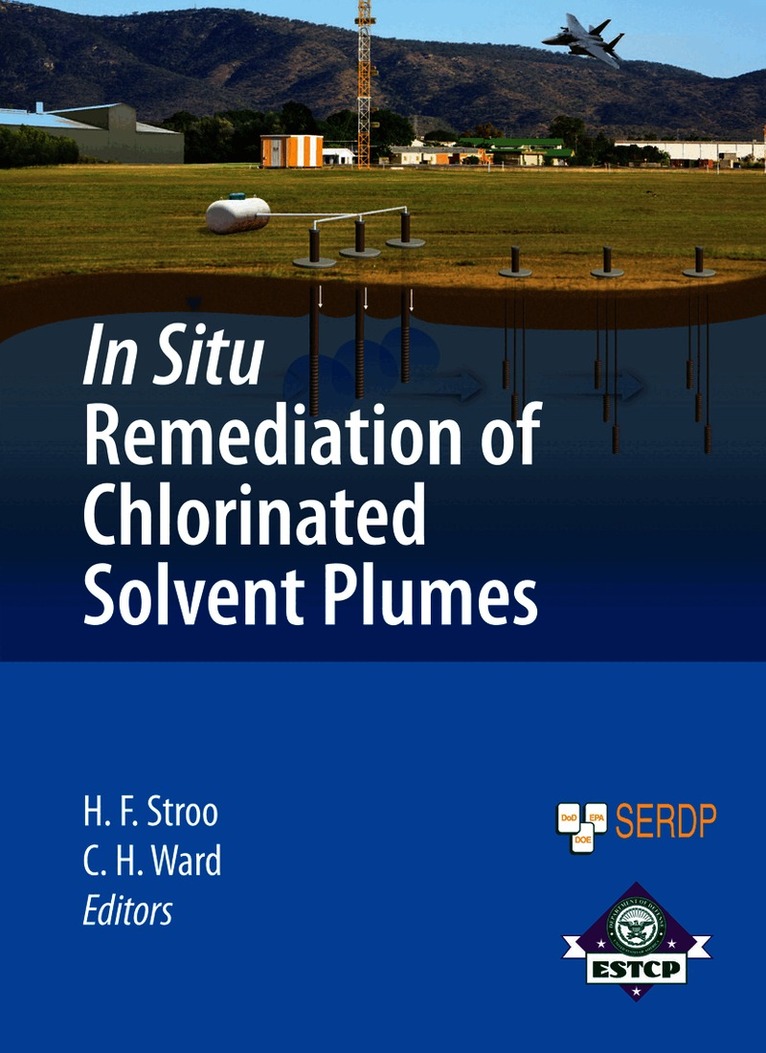
In Situ Remediation of Chlorinated Solvent Plumes
Av Hans F. Stroo, C. Herb Ward
Inbunden, 2010
1204 kr
Lägg i varukorg
In the late 1970s and early 1980s, our nation began to grapple with the legacy of past disposal practices for toxic chemicals. With the passage in 1980 of the Comprehensive Envir- mental Response, Compensation, and Liability Act (CERCLA), commonly known as Sup- fund, it became the law of the land …
In Situ Remediation of Chlorinated Solvent Plumes
Av C. Herb Ward, Hans F. Stroo
E-bok, 2010
1141 kr
Lägg i varukorg
In the late 1970s and early 1980s, our nation began to grapple with the legacy of past disposal practices for toxic chemicals. With the passage in 1980 of the Comprehensive Envir- mental Response, Compensation, and Liability Act (CERCLA), commonly known as Sup- fund, it became the law of the land …
In Situ Bioremediation of Perchlorate in Groundwater
Av Hans F. Stroo, C. Herb Ward
Häftad, 2011
551 kr
Lägg i varukorg
In the late 1970s and early 1980s, our nation began to grapple with the legacy of past disposal practices for toxic chemicals. With the passage in 1980 of the Comprehensive Environmental Response, Compensation, and Liability Act (CERCLA), commonly known as Superfund, it became the law of the land …
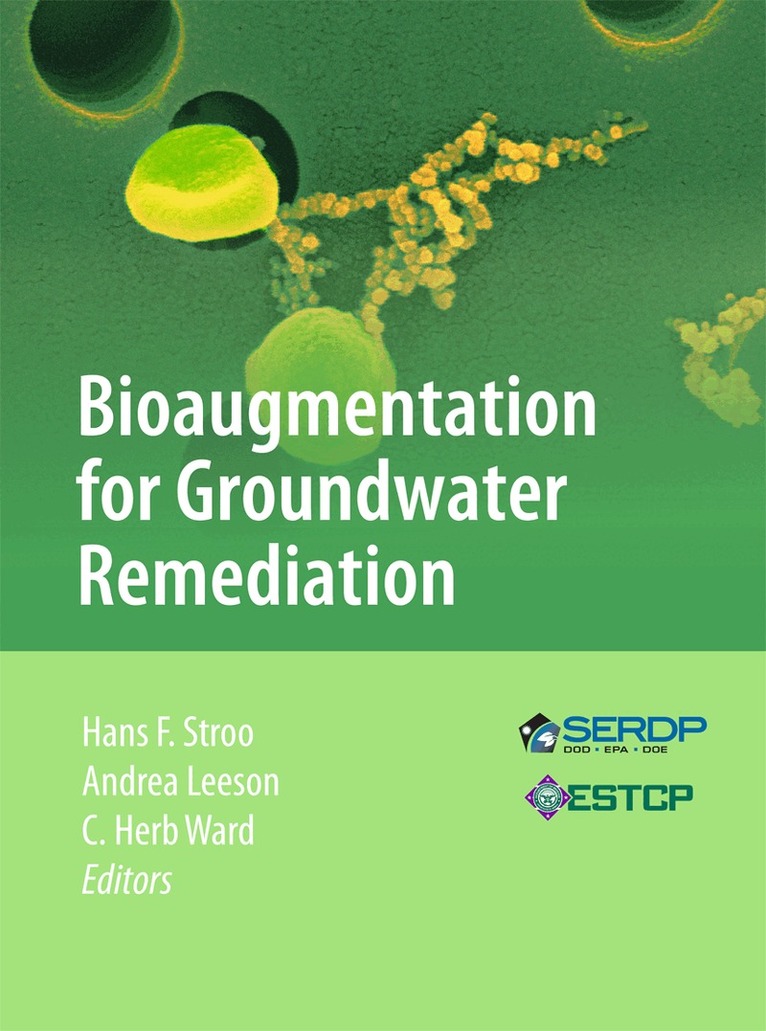
Bioaugmentation for Groundwater Remediation
Av Hans F. Stroo, Andrea Leeson m. fl.
Inbunden, 2012
1095 kr
Lägg i varukorg
This volume provides a review of the past 10 to 15 years of intensive research, development and demonstrations that have been on the forefront of developing bioaugmentation into a viable remedial technology. This volume provides both a primer on the basic microbial processes involved in …
Bioaugmentation for Groundwater Remediation
Av C. Herb Ward, Andrea Leeson m. fl.
E-bok, 2012
1459 kr
Lägg i varukorg
This volume provides a review of the past 10 to 15 years of intensive research, development and demonstrations that have been on the forefront of developing bioaugmentation into a viable remedial technology. This volume provides both a primer on the basic microbial processes involved in …
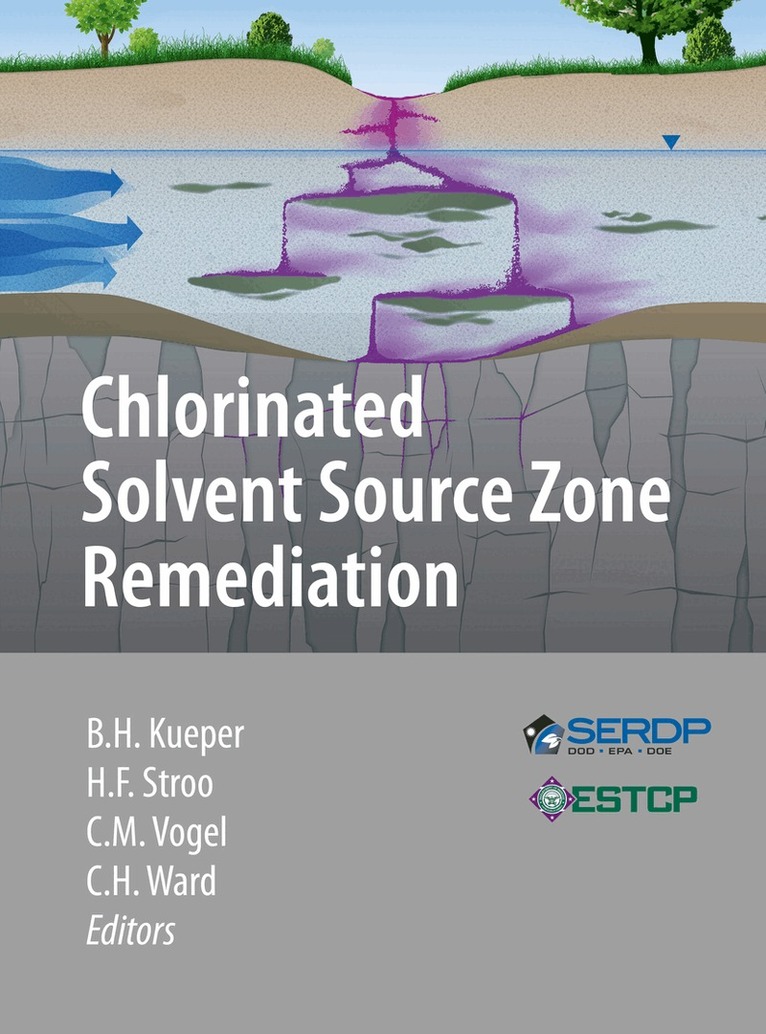
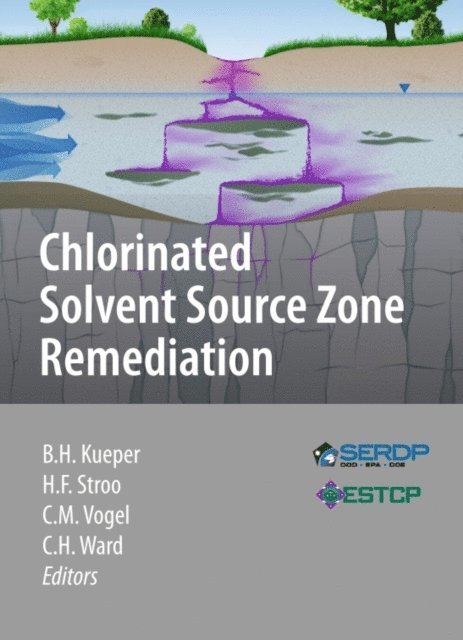
Chlorinated Solvent Source Zone Remediation
Av Bernard H. Kueper, Hans F. Stroo m. fl.
Inbunden, 2014
1639 kr
Lägg i varukorg
The purpose of this book is to help engineers and scientists better understand dense nonaqueous phase liquid (DNAPL) contamination of groundwater and the methods and technology used for characterization and remediation. Remediation of DNAPL source zones is very difficult and controversial and must …
Chlorinated Solvent Source Zone Remediation
Av C. Herb Ward, Catherine M. Vogel m. fl.
E-bok, 2014
2111 kr
Lägg i varukorg
The purpose of this book is to help engineers and scientists better understand dense nonaqueous phase liquid (DNAPL) contamination of groundwater and the methods and technology used for characterization and remediation. Remediation of DNAPL source zones is very difficult and controversial and must …
Bioaugmentation for Groundwater Remediation
Av Hans F. Stroo, Andrea Leeson m. fl.
Häftad, 2014
1095 kr
Lägg i varukorg
This volume provides a review of the past 10 to 15 years of intensive research, development and demonstrations that have been on the forefront of developing bioaugmentation into a viable remedial technology. This volume provides both a primer on the basic microbial processes involved in …
In Situ Remediation of Chlorinated Solvent Plumes
Av Hans F. Stroo, C. Herb Ward
Häftad, 2016
878 kr
Lägg i varukorg
In the late 1970s and early 1980s, our nation began to grapple with the legacy of past disposal practices for toxic chemicals. With the passage in 1980 of the Comprehensive Envir- mental Response, Compensation, and Liability Act (CERCLA), commonly known as Sup- fund, it became the law of the land …