Carla M. Sinopoli – författare
Visar alla böcker från författaren Carla M. Sinopoli. Handla med fri frakt och snabb leverans.
13 produkter
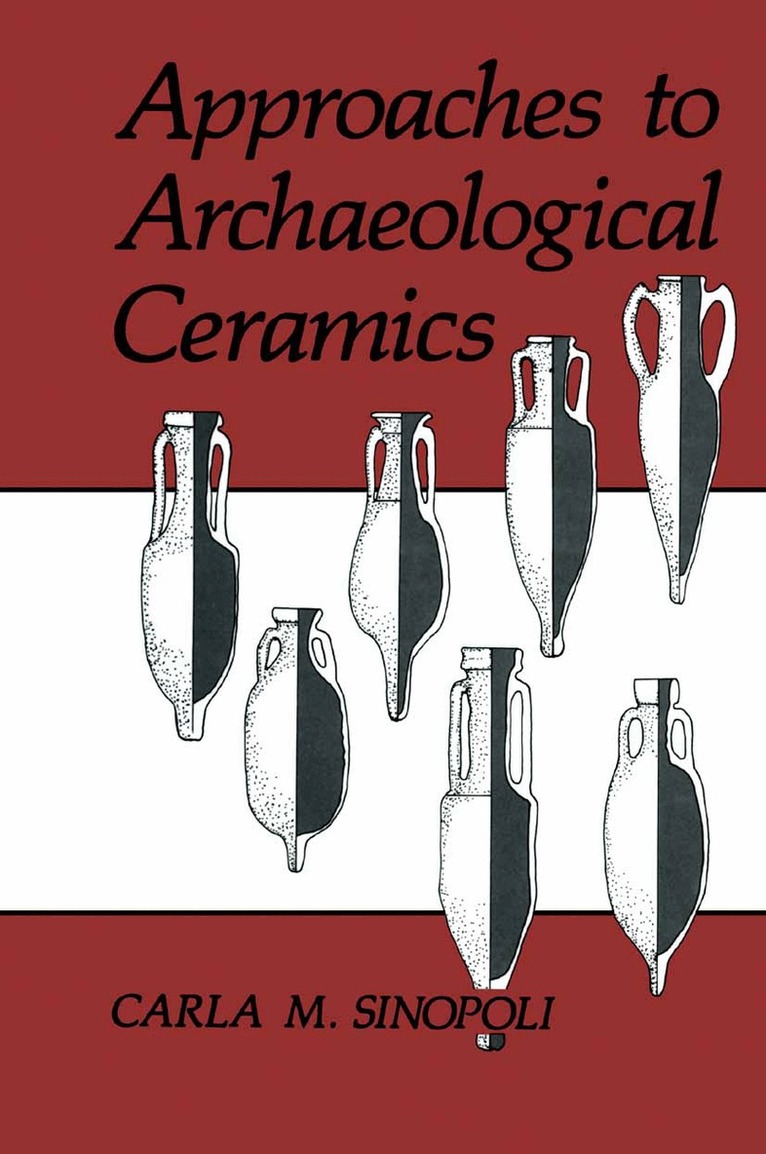
Approaches to Archaeological Ceramics
Häftad, 1991
1128 kr
Lägg i varukorg
More than any other category of evidence, ceramics ofters archaeologists their most abundant and potentially enlightening source of information on the past. Being made primarily of day, a relatively inexpensive material that is available in every region, ceramics became essential in virtually every …
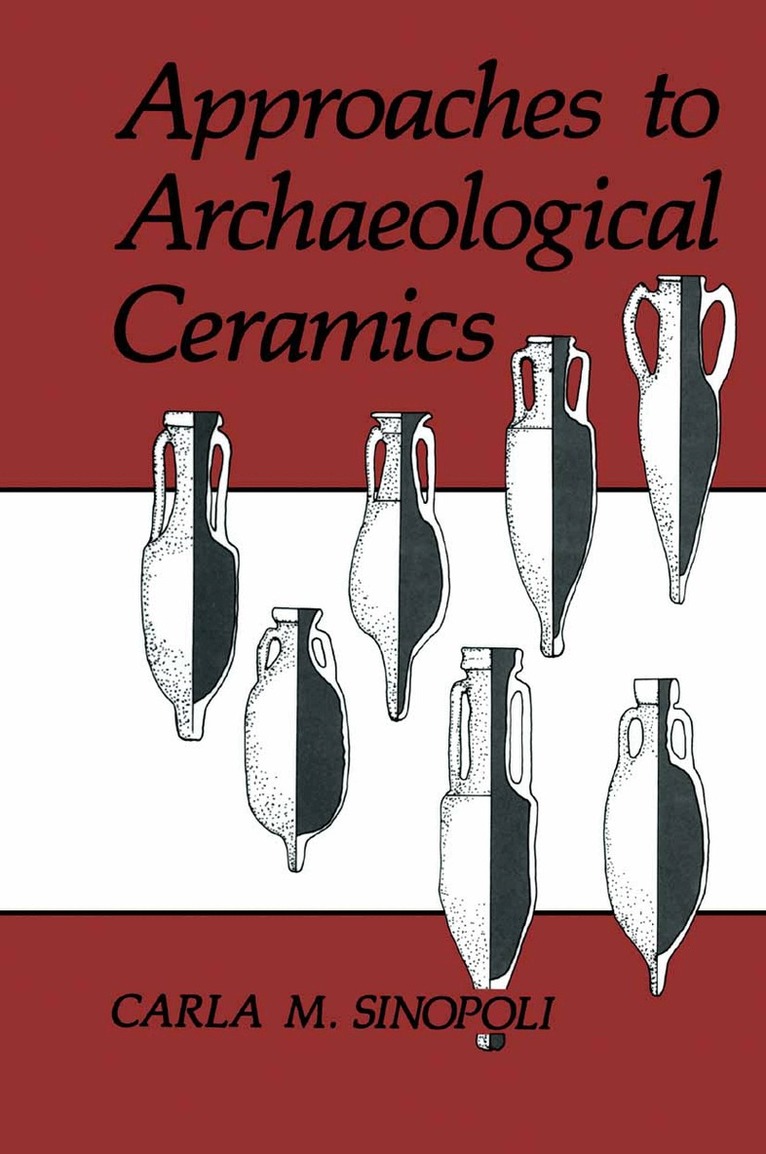
Approaches to Archaeological Ceramics
Av Carla M. Sinopoli, Carla M. Sinopoli
Inbunden, 1991
1130 kr
Lägg i varukorg
More than any other category of evidence, ceramics ofters archaeologists their most abundant and potentially enlightening source of information on the past. Being made primarily of day, a relatively inexpensive material that is available in every region, ceramics became essential in virtually every …
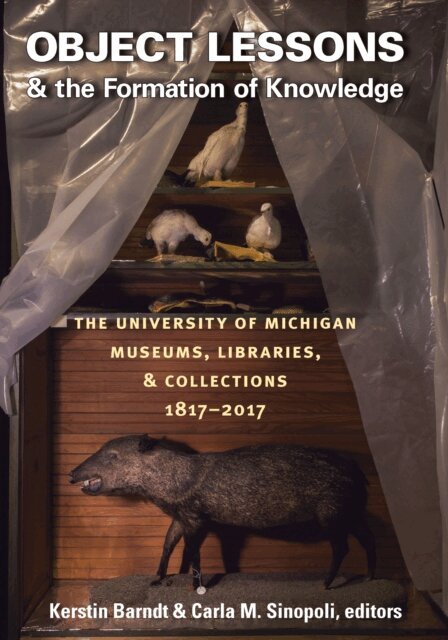
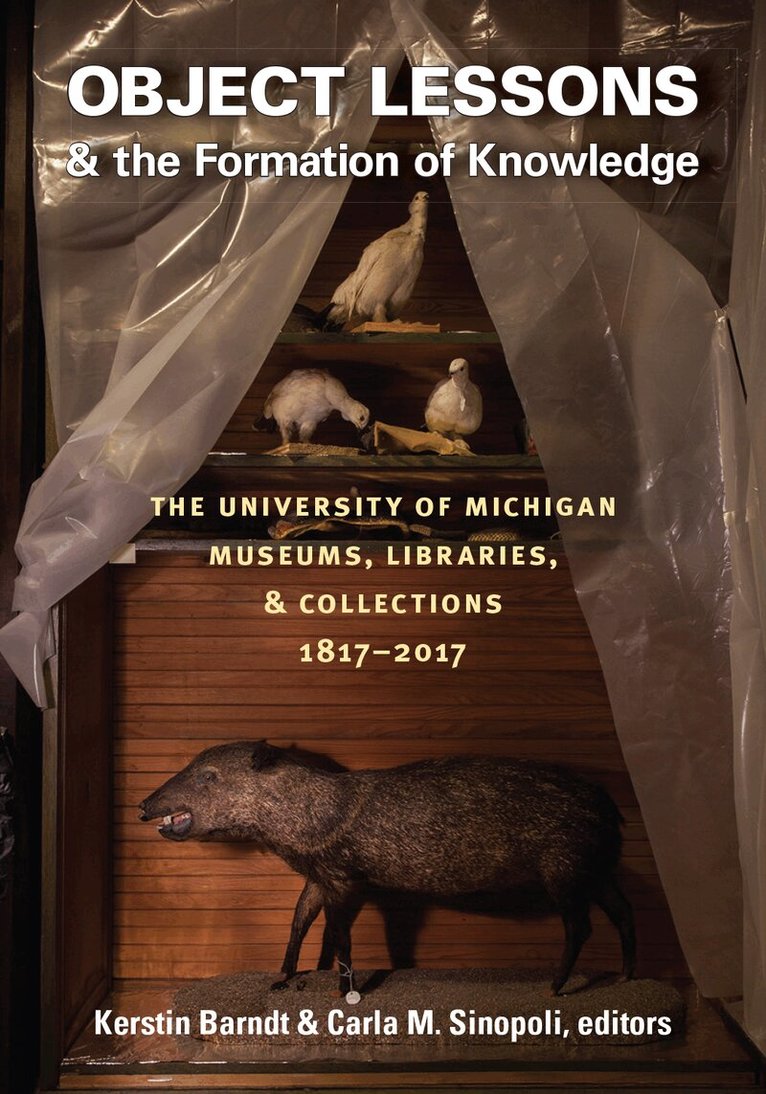
Object Lessons and the Formation of Knowledge
The University of Michigan Museums, Libraries, and Collections 1817–2017
Av Carla M Sinopoli, Kerstin Barndt
E-bok, 2017
814 kr
Lägg i varukorg
Object Lessons and the Formation of Knowledge explores the museums, libraries, and special collections of the University of Michigan on its bicentennial. Since its inception, U-M has collected and preserved objects: biological and geological specimens; ethnographic and archaeological artifacts; …
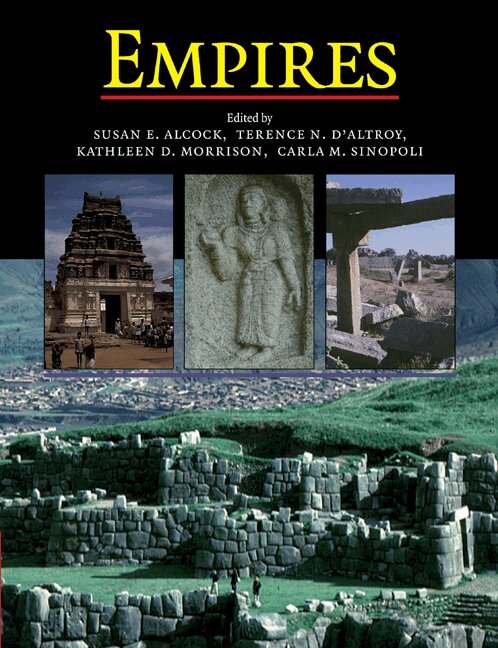
Empires
Perspectives from Archaeology and History
Av Susan E. Alcock, Terence N. D'Altroy m. fl.
Häftad, 2009
871 kr
Lägg i varukorg
Empires, the largest political systems of the ancient and early modern world, powerfully transformed the lives of people within and even beyond their frontiers in ways quite different from other, non-imperial societies. Appearing in all parts of the globe, and in many different epochs, empires …
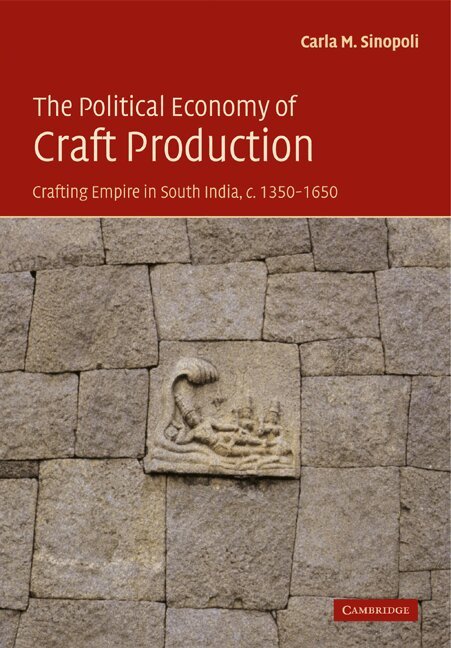
The Political Economy of Craft Production
Crafting Empire in South India, c.1350-1650
Häftad, 2011
787 kr
Lägg i varukorg
The study of specialized craft production has a long tradition in archaeological research. Through analyses of material remains and the contexts of their production and use, archaeologists can examine the organization of craft production and the economic and political status of craft producers. …
The Political Economy of Craft Production
Crafting Empire in South India, c.1350-1650
Inbunden, 2003
1821 kr
Lägg i varukorg
The study of specialized craft production has a long tradition in archaeological research. Through analyses of material remains and the contexts of their production and use, archaeologists can examine the organization of craft production and the economic and political status of craft producers. …
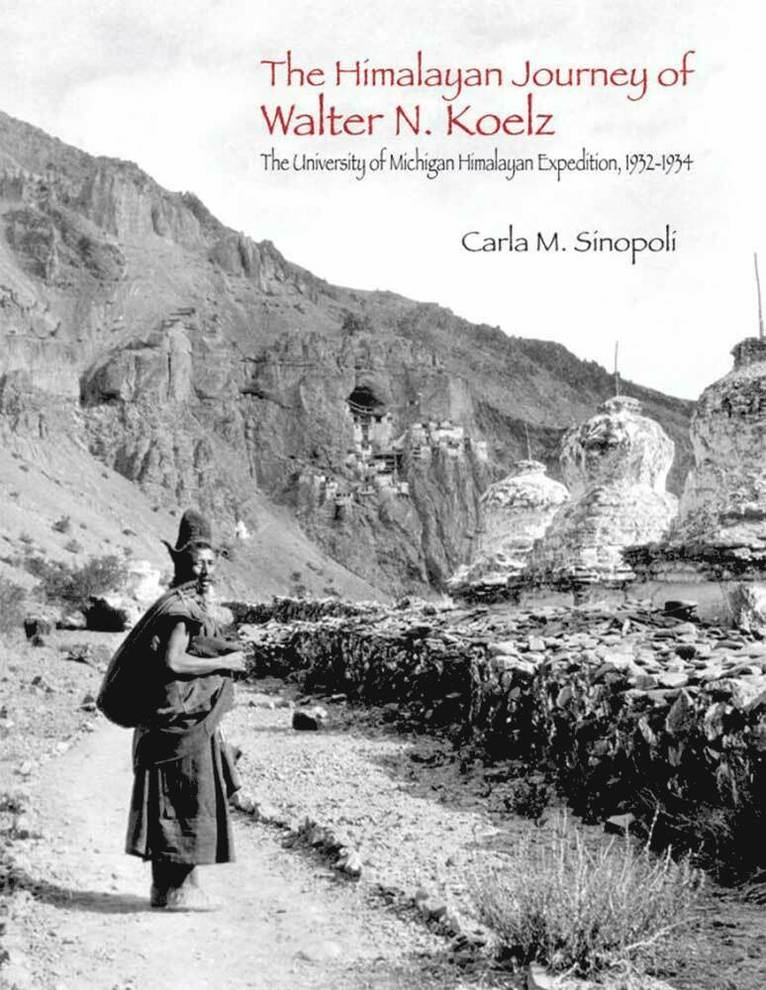
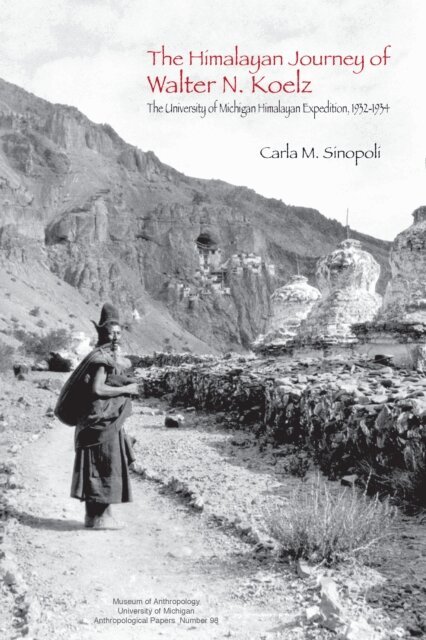
Himalayan Journey of Walter N. Koelz
The University of Michigan Himalayan Expedition
Häftad, 2013
352 kr
Lägg i varukorg
In the fall of 1932, University of Michigan naturalist Walter N. Koelz traveled to northwest India to lead a scientific collecting expedition in the rugged Himalayan regions of Western Tibet. Some eighteen months later he returned to the United States with a remarkable collection of biological …
Approaches to Archaeological Ceramics
E-bok, 2013
1502 kr
Lägg i varukorg
More than any other category of evidence, ceramics ofters archaeologists their most abundant and potentially enlightening source of information on the past. Being made primarily of day, a relatively inexpensive material that is available in every region, ceramics became essential in virtually every …
Himalayan Journey of Walter N. Koelz
The University of Michigan Himalayan Expedition
E-bok, 2020
547 kr
Lägg i varukorg
In the fall of 1932, University of Michigan naturalist Walter N. Koelz traveled to northwest India to lead a scientific collecting expedition in the rugged Himalayan regions of Western Tibet. Some eighteen months later he returned to the United States with a remarkable collection of biological …
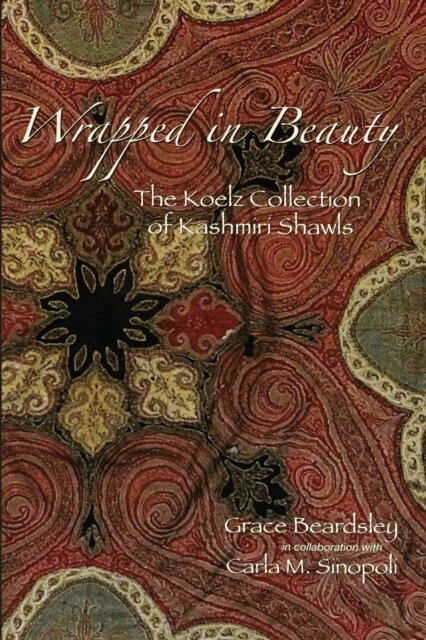
Wrapped in Beauty
The Koelz Collection of Kashmiri Shawls
Av Kathleen D. Morrison, Carla M Sinopoli m. fl.
E-bok, 2020
764 kr
Lägg i varukorg
This richly illustrated volume examines the remarkable Kashmiri shawls of the Walter Koelz Collection of the University of Michigan Museum of Anthropological Archaeology. Part I presents the history, production, forms, and ornamentation of Kashmiri shawls, focusing on the impact of social contexts …
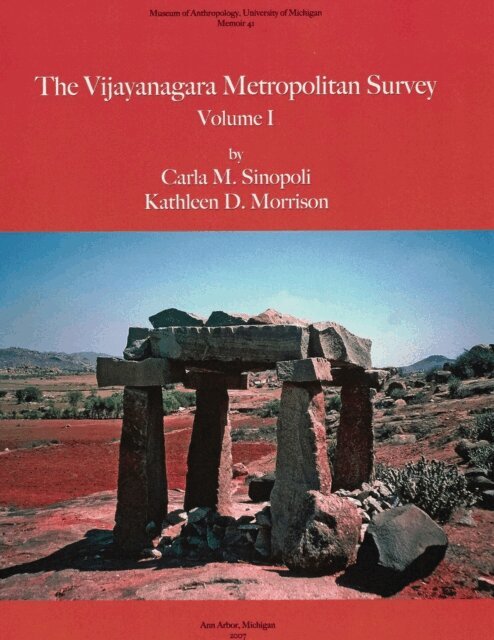
Vijayanagara Metropolitan Survey, Vol. 1
Av Kathleen D. Morrison, Carla M Sinopoli
E-bok, 2020
756 kr
Lägg i varukorg
Vijayanagara, the “City of Victory,” was the capital of South India’s largest and most successful pre-colonial empire from c. AD 1330-1565. This richly illustrated volume reports on the results of a ten-year systematic regional archaeological survey in the hinterland or “metropolitan region” of …
Object Lessons and the Formation of Knowledge
The University of Michigan Museums, Libraries, and Collections 1817–2017
Av Kerstin Barndt, Carla M Sinopoli
Inbunden, 2017
876 kr
Tillfälligt slut
Object Lessons and the Formation of Knowledge explores the museums, libraries, and special collections of the University of Michigan on its bicentennial. Since its inception, U-M has collected and preserved objects: biological and geological specimens; ethnographic and archaeological artifacts; …
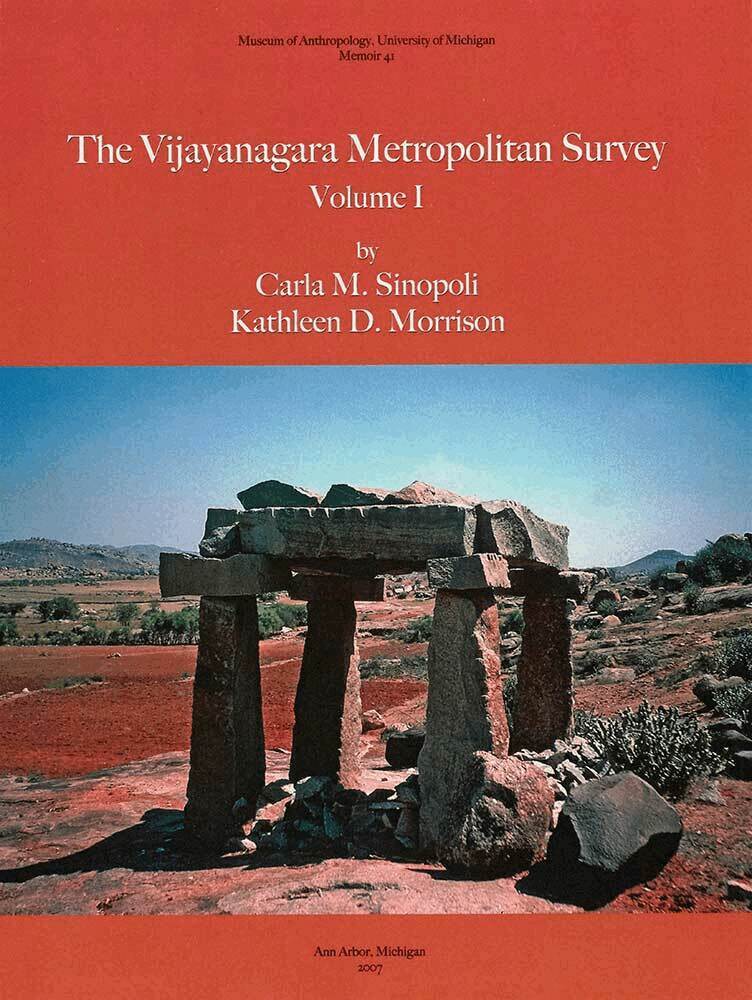
Vijayanagara Metropolitan Survey, Vol. 1
Av Carla M. Sinopoli, Kathleen D. Morrison
Häftad, 2007
517 kr
Tillfälligt slut
Vijayanagara, the “City of Victory,” was the capital of South India’s largest and most successful pre-colonial empire from c. AD 1330-1565. This richly illustrated volume reports on the results of a ten-year systematic regional archaeological survey in the hinterland or “metropolitan region” of …