Susan E. Alcock – författare
Visar alla böcker från författaren Susan E. Alcock. Handla med fri frakt och snabb leverans.
12 produkter
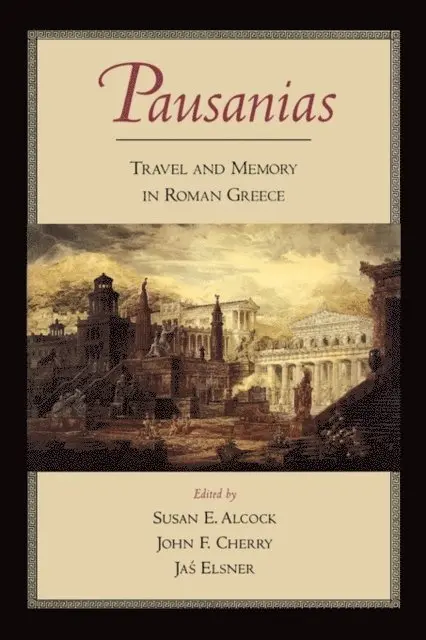
Pausanias
Travel and Memory in Roman Greece
Av Pausanias, JaS Elsner m. fl.
E-bok, 2003
717 kr
Lägg i varukorg
Pausanias, the Greek historian and traveler, lived and wrote around the second century AD, during the period when Greece had fallen peacefully to the Roman Empire. While fragments from this period abound, Pausanias'' Periegesis ("description") of Greece is the only fully preserved text of travel …
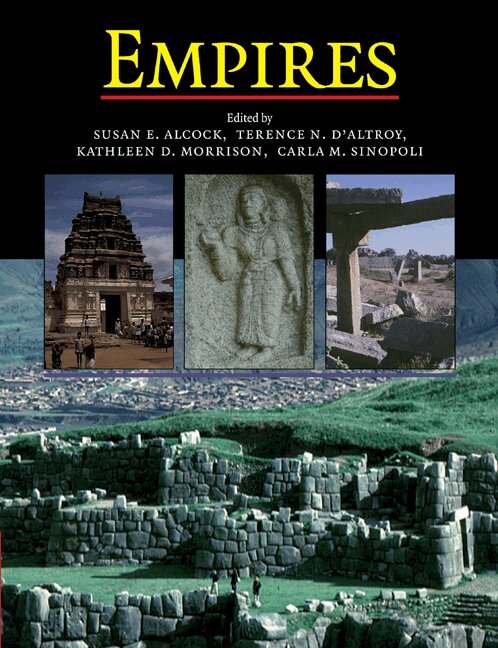
Empires
Perspectives from Archaeology and History
Av Susan E. Alcock, Terence N. D'Altroy m. fl.
Häftad, 2009
871 kr
Lägg i varukorg
Empires, the largest political systems of the ancient and early modern world, powerfully transformed the lives of people within and even beyond their frontiers in ways quite different from other, non-imperial societies. Appearing in all parts of the globe, and in many different epochs, empires …
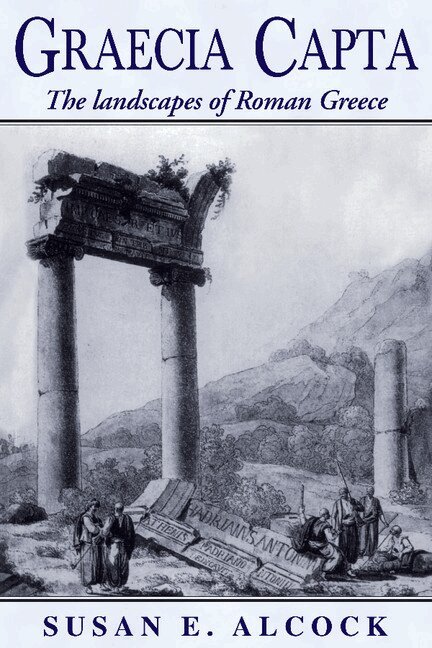
Graecia Capta
The Landscapes of Roman Greece
Häftad, 1995
754 kr
Lägg i varukorg
This book explores the impact of the Roman conquest of Greece from the point of view of the majority of Greek provincials. The author traces social and economic developments from approximately 200 BC to AD 200, drawing on a combination of archaeological and historical sources. Archaeology evidence, …
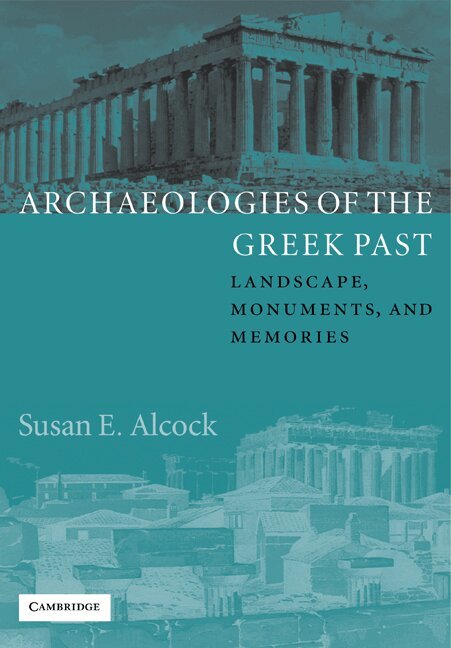
Archaeologies of the Greek Past
Landscape, Monuments, and Memories
Inbunden, 2002
1610 kr
Lägg i varukorg
Social memory - the shared remembrances of group experience - creates shared identity, and provides people with both an image of their past and a design for their future. But how are we to conceive the memories of past peoples such as, for example, the ancient Greeks? This 2002 book makes a strong …
Archaeologies of the Greek Past
Landscape, Monuments, and Memories
Häftad, 2002
737 kr
Lägg i varukorg
Social memory - the shared remembrances of group experience - creates shared identity, and provides people with both an image of their past and a design for their future. But how are we to conceive the memories of past peoples such as, for example, the ancient Greeks? This 2002 book makes a strong …
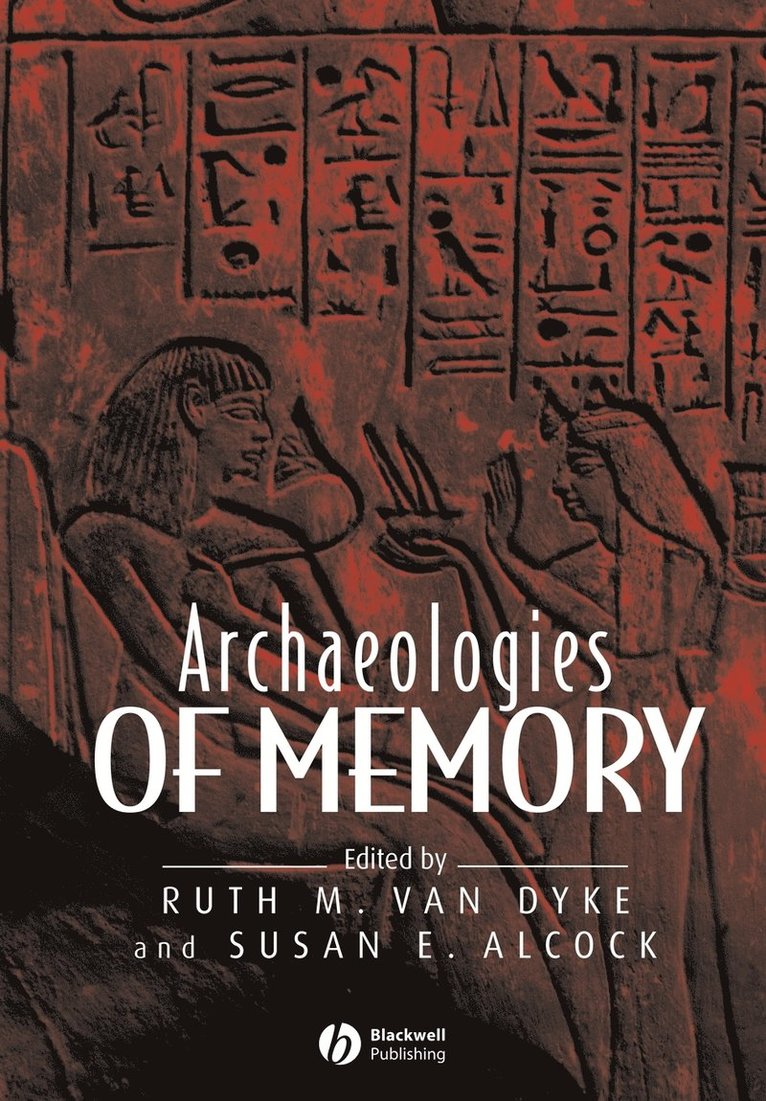
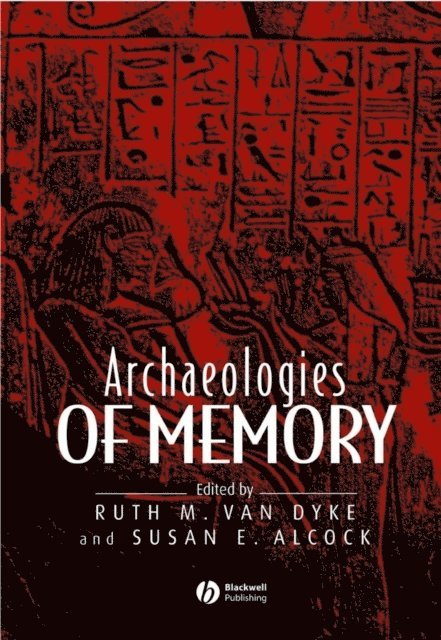
Archaeologies of Memory
Av Ruth M. Van Dyke, Susan E. Alcock
Inbunden, 2003
1684 kr
Lägg i varukorg
A unique collection of newly written essays by archaeologists working in a variety of contexts and geographical areas, Archaeologies of Memory is a groundbreaking text that presents a coherent framework for the study of memory in past societies. Serves as an accessible introduction to central …
Archaeologies of Memory
Häftad, 2003
628 kr
Lägg i varukorg
A unique collection of newly written essays by archaeologists working in a variety of contexts and geographical areas, Archaeologies of Memory is a groundbreaking text that presents a coherent framework for the study of memory in past societies. Serves as an accessible introduction to central …
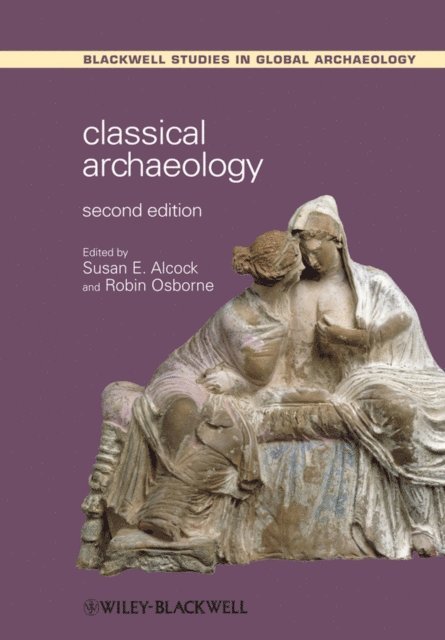
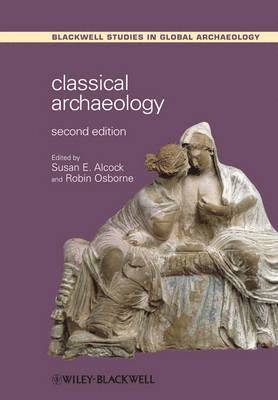
Classical Archaeology
Av Robin Osborne, Susan E. Alcock
E-bok, 2012
570 kr
Lägg i varukorg
The fully revised second edition of this successful volume includes updates on the latest archaeological research in all chapters, and two new essays on Greek and Roman art. It retains its unique, paired essay format, as well as key contributions from leading archaeologists and historians of the …
Classical Archaeology
Av Robin Osborne, Susan E. Alcock
E-bok, 2012
570 kr
Lägg i varukorg
The fully revised second edition of this successful volume includes updates on the latest archaeological research in all chapters, and two new essays on Greek and Roman art. It retains its unique, paired essay format, as well as key contributions from leading archaeologists and historians of the …
Archaeologies of Memory
Av Susan E. Alcock, Ruth M. Van Dyke
E-bok, 2008
1946 kr
Lägg i varukorg
A unique collection of newly written essays by archaeologists working in a variety of contexts and geographical areas, Archaeologies of Memory is a groundbreaking text that presents a coherent framework for the study of memory in past societies. Serves as an accessible introduction to central …
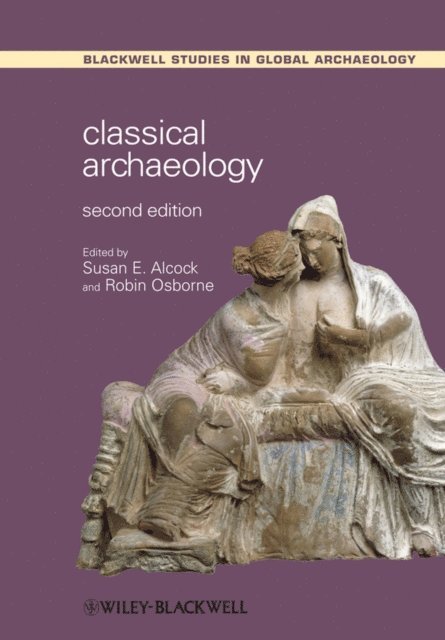
Classical Archaeology
Av Susan E. Alcock, Robin Osborne
Häftad, 2012
4,5 utav 5 stjärnor. Totalt antal röster: (2)
498 kr
Lägg i varukorg
The fully revised second edition of this successful volume includes updates on the latest archaeological research in all chapters, and two new essays on Greek and Roman art. It retains its unique, paired essay format, as well as key contributions from leading archaeologists and historians of the …
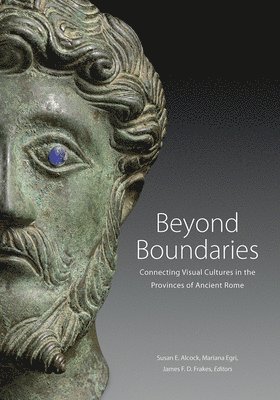
Beyond Boundaries - Connecting Visual Cultures in the Provinces of Ancient Rome
Av Susan Alcock, Susan E. Alcock m. fl.
Inbunden, 2017
649 kr
Lägg i varukorg
The Roman Empire had a rich and multifaceted visual culture, which was often variegated due to the sprawling geography of its provinces. In this remarkable work of scholarship, a group of international scholars has come together to find alternative ways to discuss the nature and development of the …