3 108 kr
Skickas inom 10-15 vardagar
3 108 kr
Skickas inom 10-15 vardagar
1 003 kr
Läs direkt efter köp
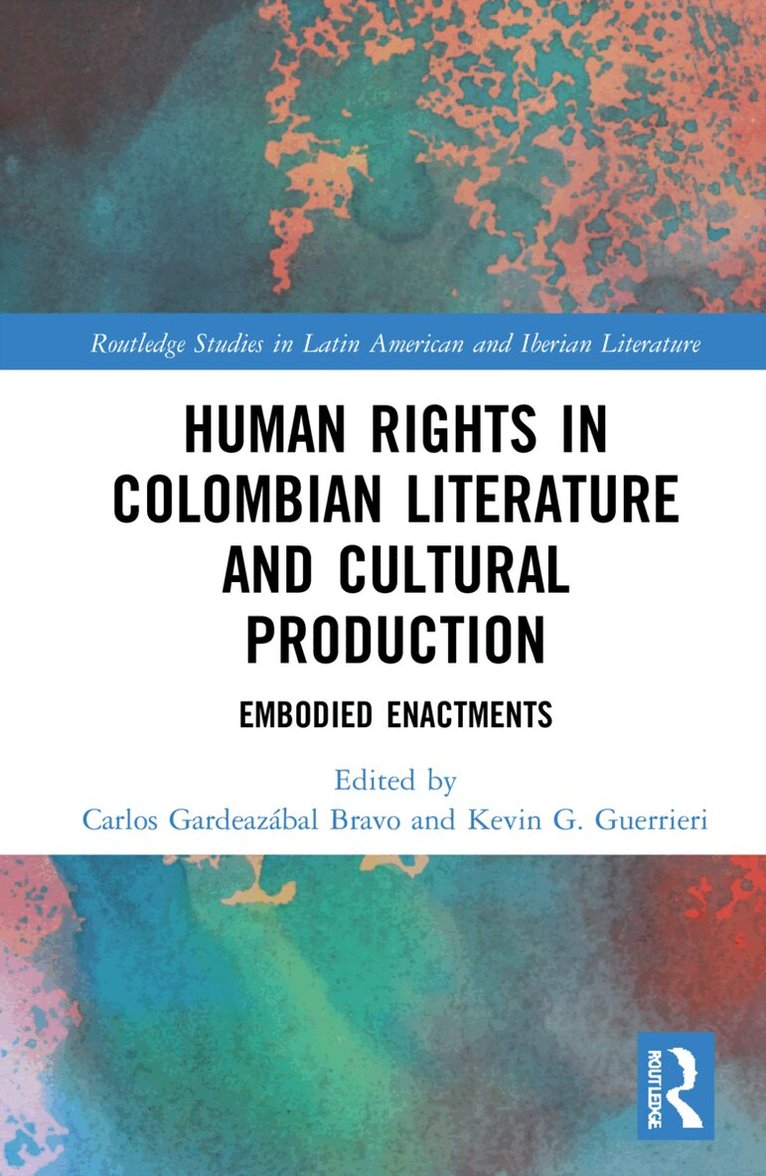
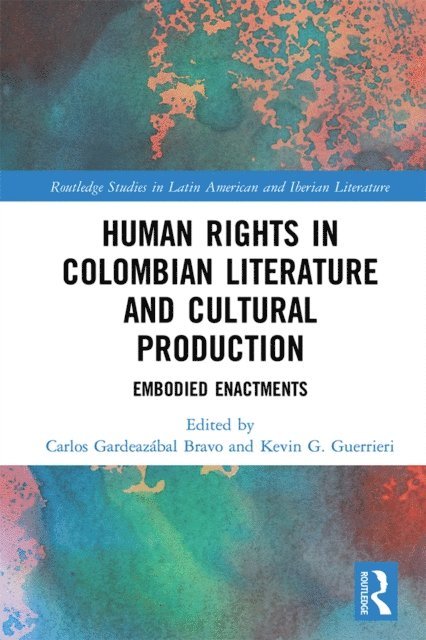
This volume explores how Colombian novelists, artists, performers, activists, musicians, and others seek to enact—to perform, to stage, to represent—human rights situations that are otherwise enacted discursively, that is, made public or official, in juridical and political realms in which justice often remains an illusory or promised future.
In order to probe how cultural production embodies the tensions between the abstract universality of human rights and the materiality of violations on individual human bodies and on determined groups, the volume asks the following questions:
How does the transmission of historical traumas of Colombia’s past, through human rights narratives in various forms, inform the debates around the subjects of rights, truth and memory, remembrance and forgetting, and the construction of citizenship through solidarity and collective struggles for justice?
What are the different roles taken by cultural products in the interstices among rights, laws, and social justice within different contexts of state violence and states of exception?
What are alternative perspectives, sources, and (micro)histories from Colombia of the creation, evolution, and practice of human rights?
How does the human rights discourse interface with notions of environmental justice, especially in the face of global climate change, regional (neo)extractivism, the implementation of megaprojects, and ongoing post-accord thefts and (re)appropriations of land?
Through a wide range of disciplinary lenses, the different chapters explore counter-hegemonic concepts of human rights, decolonial options struggling against oppression and market logic, and alternative discourses of human dignity and emancipation within the pluriverse.
1 013 kr
Läs direkt efter köp
This volume explores how Colombian novelists, artists, performers, activists, musicians, and others seek to enact—to perform, to stage, to represent—human rights situations that are otherwise enacted discursively, that is, made public or official, in juridical and political realms in which justice often remains an illusory or promised future.
In order to probe how cultural production embodies the tensions between the abstract universality of human rights and the materiality of violations on individual human bodies and on determined groups, the volume asks the following questions:
How does the transmission of historical traumas of Colombia’s past, through human rights narratives in various forms, inform the debates around the subjects of rights, truth and memory, remembrance and forgetting, and the construction of citizenship through solidarity and collective struggles for justice?
What are the different roles taken by cultural products in the interstices among rights, laws, and social justice within different contexts of state violence and states of exception?
What are alternative perspectives, sources, and (micro)histories from Colombia of the creation, evolution, and practice of human rights?
How does the human rights discourse interface with notions of environmental justice, especially in the face of global climate change, regional (neo)extractivism, the implementation of megaprojects, and ongoing post-accord thefts and (re)appropriations of land?
Through a wide range of disciplinary lenses, the different chapters explore counter-hegemonic concepts of human rights, decolonial options struggling against oppression and market logic, and alternative discourses of human dignity and emancipation within the pluriverse.
865 kr
Skickas inom 10-15 vardagar
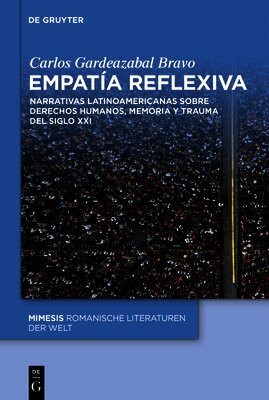
Narrativas Latinoamericanas Sobre Derechos Humanos, Memoria Y Trauma del Siglo XXI
1 608 kr
Skickas inom 5-8 vardagar
This book offers a critical examination of how twenty‑first‑century human rights discourses are represented in selected works of literature and film, with a primary focus on Guatemala and Colombia. It analyzes how these narratives mobilize notions of empathy through their plots, character development, and engagements with historical memory, including reports and archival materials. The study conceptualizes reflexive empathic connections as socially and historically shaped forms of identification that confront the legacies of armed conflicts and neoliberal dispossession, while also attending to representations of agency and solidarity alongside spectral dynamics of mourning.