2 473 kr
Skickas inom 10-15 vardagar
2 473 kr
Skickas inom 10-15 vardagar
890 kr
Läs direkt efter köp
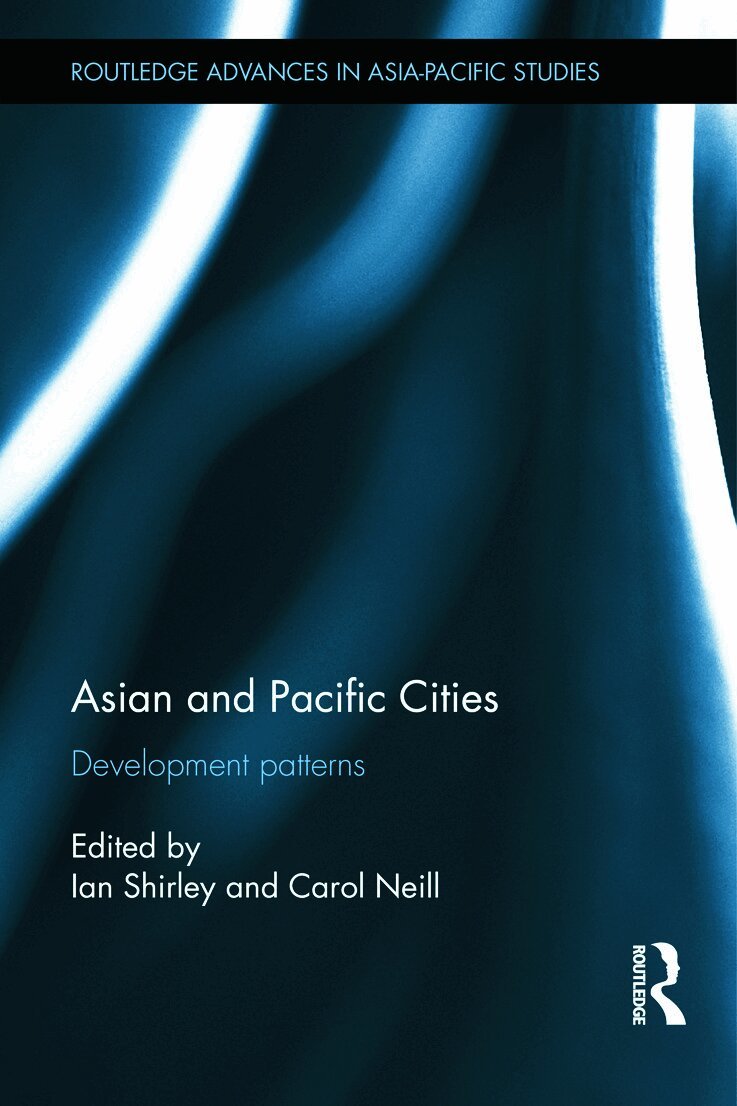
The cities of Asia and the Pacific are at the epicentre of development in what is arguably, the most populous, culturally distinctive, and economically powerful region in the world. 16 major cities such as Tokyo, Shanghai, Manila, Jakarta, Bangkok, Singapore, Auckland, Kuala Lumpur and Santiago, located in countries as diverse as Mexico and Vietnam, Samoa and India, China and Australia, exemplify the changing patterns of development across this vast region of the world.
By tracking economic and social trends the contributors to this collection reveal how a wide range of political and cultural factors have interacted over time to provide a powerful explanation for the shape and characteristics of ‘the city’ today. Based on a collaborative research programme and drawing on the work of local researchers, this book examines the realities of city development characterised by domestic migration, spatial and social fragmentation, squatter settlements and gated communities, economic experiments and the emergence of the ‘Asian Tigers’. The collection as a whole records the way in which countries in this region have moved from underdevelopment to become global economic and political powers.
This book provides a fascinating journey through Asia and the Pacific by generating an insiders’ view of each city and an insight into national development. As such it will be of great interest to students and scholars interested in: the Asian and Pacific region; in disciplines such as economics, politics, geography and sociology; and in policy domains such as urban planning and economic development.
890 kr
Läs direkt efter köp
The cities of Asia and the Pacific are at the epicentre of development in what is arguably, the most populous, culturally distinctive, and economically powerful region in the world. 16 major cities such as Tokyo, Shanghai, Manila, Jakarta, Bangkok, Singapore, Auckland, Kuala Lumpur and Santiago, located in countries as diverse as Mexico and Vietnam, Samoa and India, China and Australia, exemplify the changing patterns of development across this vast region of the world.
By tracking economic and social trends the contributors to this collection reveal how a wide range of political and cultural factors have interacted over time to provide a powerful explanation for the shape and characteristics of ‘the city’ today. Based on a collaborative research programme and drawing on the work of local researchers, this book examines the realities of city development characterised by domestic migration, spatial and social fragmentation, squatter settlements and gated communities, economic experiments and the emergence of the ‘Asian Tigers’. The collection as a whole records the way in which countries in this region have moved from underdevelopment to become global economic and political powers.
This book provides a fascinating journey through Asia and the Pacific by generating an insiders’ view of each city and an insight into national development. As such it will be of great interest to students and scholars interested in: the Asian and Pacific region; in disciplines such as economics, politics, geography and sociology; and in policy domains such as urban planning and economic development.
738 kr
Skickas inom 10-15 vardagar
569 kr
Skickas inom 11-20 vardagar
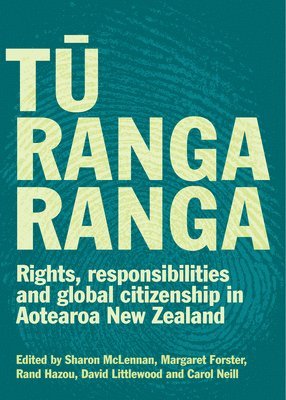
The biggest challenges of the twenty-first century require global solutions. Focusing on three of the most urgent problems of our time — climate change, conflict, and poverty and inequality — Tū Rangaranga introduces the notion of global citizenship, and what it means to be an active citizen in today’s world. If we are fundamentally linked to people around the globe by the clothes we wear, the phones we use and the resources we consume, what does this mean for the rights and responsibilities that underpin citizenship? How should we respond to the climate crisis, conflict or inequality? In the face of these daunting global crises, this book encourages reflection on the power of collective action to enhance the dignity and rights of others.
Part of a series of books exploring and promoting citizenship in Aotearoa and beyond, Tū Rangaranga joins Tūtira Mai (2021) and Tūrangawaewae (2017, 2022) in combining academic rigour with an examination of how to engage as an active citizen.
2 473 kr
Skickas inom 10-15 vardagar
890 kr
Läs direkt efter köp
The cities of Asia and the Pacific are at the epicentre of development in what is arguably, the most populous, culturally distinctive, and economically powerful region in the world. 16 major cities such as Tokyo, Shanghai, Manila, Jakarta, Bangkok, Singapore, Auckland, Kuala Lumpur and Santiago, located in countries as diverse as Mexico and Vietnam, Samoa and India, China and Australia, exemplify the changing patterns of development across this vast region of the world.
By tracking economic and social trends the contributors to this collection reveal how a wide range of political and cultural factors have interacted over time to provide a powerful explanation for the shape and characteristics of ‘the city’ today. Based on a collaborative research programme and drawing on the work of local researchers, this book examines the realities of city development characterised by domestic migration, spatial and social fragmentation, squatter settlements and gated communities, economic experiments and the emergence of the ‘Asian Tigers’. The collection as a whole records the way in which countries in this region have moved from underdevelopment to become global economic and political powers.
This book provides a fascinating journey through Asia and the Pacific by generating an insiders’ view of each city and an insight into national development. As such it will be of great interest to students and scholars interested in: the Asian and Pacific region; in disciplines such as economics, politics, geography and sociology; and in policy domains such as urban planning and economic development.
890 kr
Läs direkt efter köp
The cities of Asia and the Pacific are at the epicentre of development in what is arguably, the most populous, culturally distinctive, and economically powerful region in the world. 16 major cities such as Tokyo, Shanghai, Manila, Jakarta, Bangkok, Singapore, Auckland, Kuala Lumpur and Santiago, located in countries as diverse as Mexico and Vietnam, Samoa and India, China and Australia, exemplify the changing patterns of development across this vast region of the world.
By tracking economic and social trends the contributors to this collection reveal how a wide range of political and cultural factors have interacted over time to provide a powerful explanation for the shape and characteristics of ‘the city’ today. Based on a collaborative research programme and drawing on the work of local researchers, this book examines the realities of city development characterised by domestic migration, spatial and social fragmentation, squatter settlements and gated communities, economic experiments and the emergence of the ‘Asian Tigers’. The collection as a whole records the way in which countries in this region have moved from underdevelopment to become global economic and political powers.
This book provides a fascinating journey through Asia and the Pacific by generating an insiders’ view of each city and an insight into national development. As such it will be of great interest to students and scholars interested in: the Asian and Pacific region; in disciplines such as economics, politics, geography and sociology; and in policy domains such as urban planning and economic development.
738 kr
Skickas inom 10-15 vardagar
569 kr
Skickas inom 11-20 vardagar
The biggest challenges of the twenty-first century require global solutions. Focusing on three of the most urgent problems of our time — climate change, conflict, and poverty and inequality — Tū Rangaranga introduces the notion of global citizenship, and what it means to be an active citizen in today’s world. If we are fundamentally linked to people around the globe by the clothes we wear, the phones we use and the resources we consume, what does this mean for the rights and responsibilities that underpin citizenship? How should we respond to the climate crisis, conflict or inequality? In the face of these daunting global crises, this book encourages reflection on the power of collective action to enhance the dignity and rights of others.
Part of a series of books exploring and promoting citizenship in Aotearoa and beyond, Tū Rangaranga joins Tūtira Mai (2021) and Tūrangawaewae (2017, 2022) in combining academic rigour with an examination of how to engage as an active citizen.