Carol Neuman De Vegvar – författare
Visar alla böcker från författaren Carol Neuman De Vegvar. Handla med fri frakt och snabb leverans.
5 produkter
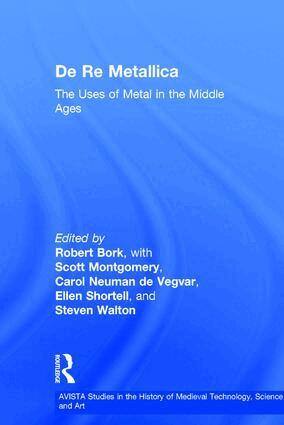
De Re Metallica
The Uses of Metal in the Middle Ages
Av Robert Bork, Scott Montogmery m. fl.
Inbunden, 2005
2588 kr
Lägg i varukorg
De Re Metallica brings together a wide variety of perspectives on metal use in the Middle Ages, a topic that has received less systematic scholarly attention than it deserves, given its central importance for medieval culture. Because of its strength, beauty, and prestige, metal figured prominently …
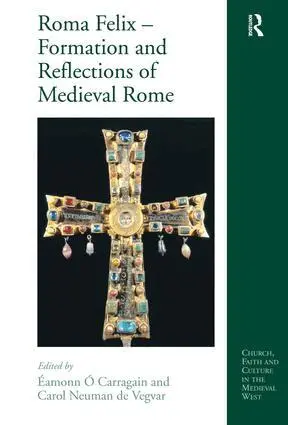
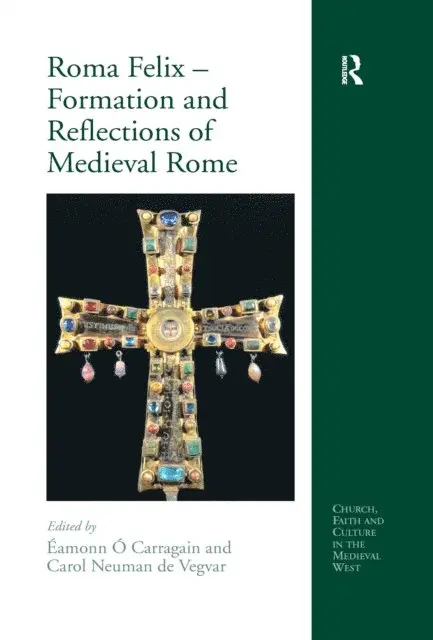
Roma Felix – Formation and Reflections of Medieval Rome
Av Éamonn Ó Carragáin, Carol Neuman de Vegvar
Inbunden, 2008
2513 kr
Lägg i varukorg
After the Roman empire fell, medieval Europe continued to be fascinated by Rome itself, the 'chief of cities'. Once the hub of empire, in the early medieval period Rome became an important centre for western Christianity, first of all as the place where Peter, Paul and many other important early …
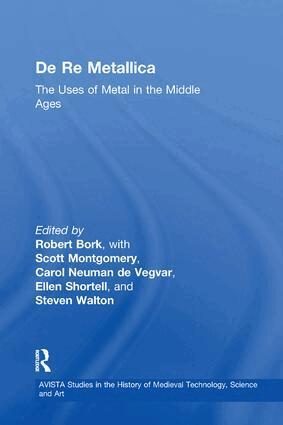
De Re Metallica
The Uses of Metal in the Middle Ages
Av Robert Bork, Scott Montogmery m. fl.
Häftad, 2017
891 kr
Lägg i varukorg
De Re Metallica brings together a wide variety of perspectives on metal use in the Middle Ages, a topic that has received less systematic scholarly attention than it deserves, given its central importance for medieval culture. Because of its strength, beauty, and prestige, metal figured prominently …
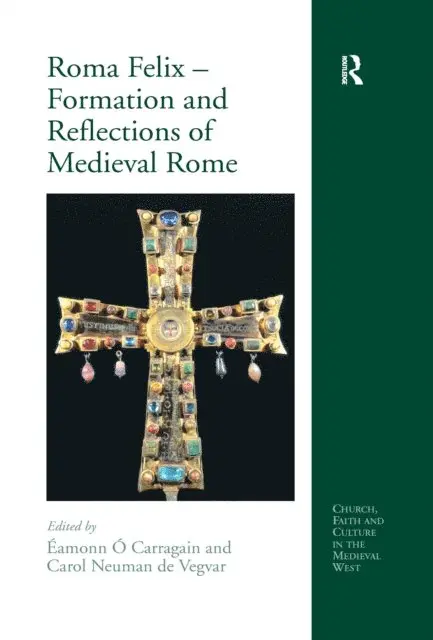
Roma Felix - Formation and Reflections of Medieval Rome
Av Carol Neuman de Vegvar, Eamonn O Carragain
E-bok, 2016
831 kr
Lägg i varukorg
After the Roman empire fell, medieval Europe continued to be fascinated by Rome itself, the ''chief of cities''. Once the hub of empire, in the early medieval period Rome became an important centre for western Christianity, first of all as the place where Peter, Paul and many other important early …
Roma Felix - Formation and Reflections of Medieval Rome
Av Carol Neuman de Vegvar, Eamonn O Carragain
E-bok, 2016
813 kr
Lägg i varukorg
After the Roman empire fell, medieval Europe continued to be fascinated by Rome itself, the ''chief of cities''. Once the hub of empire, in the early medieval period Rome became an important centre for western Christianity, first of all as the place where Peter, Paul and many other important early …