Carol S. Leonard – författare
Visar alla böcker från författaren Carol S. Leonard. Handla med fri frakt och snabb leverans.
6 produkter
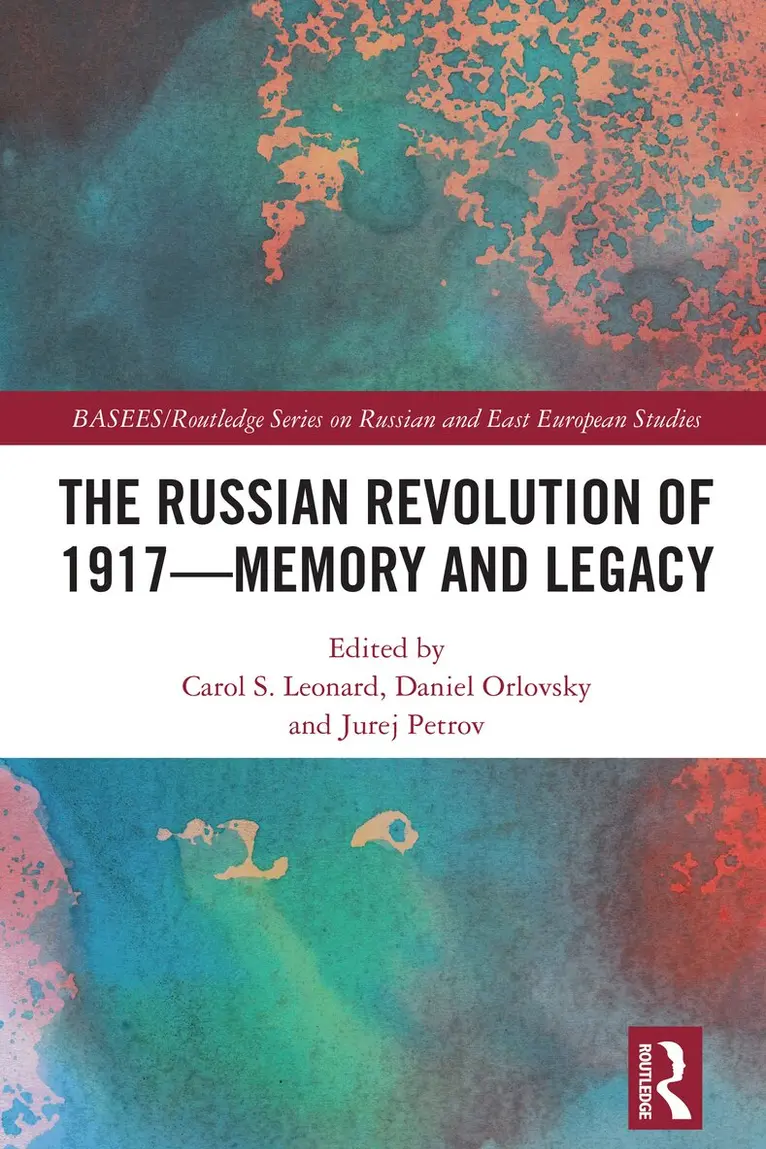
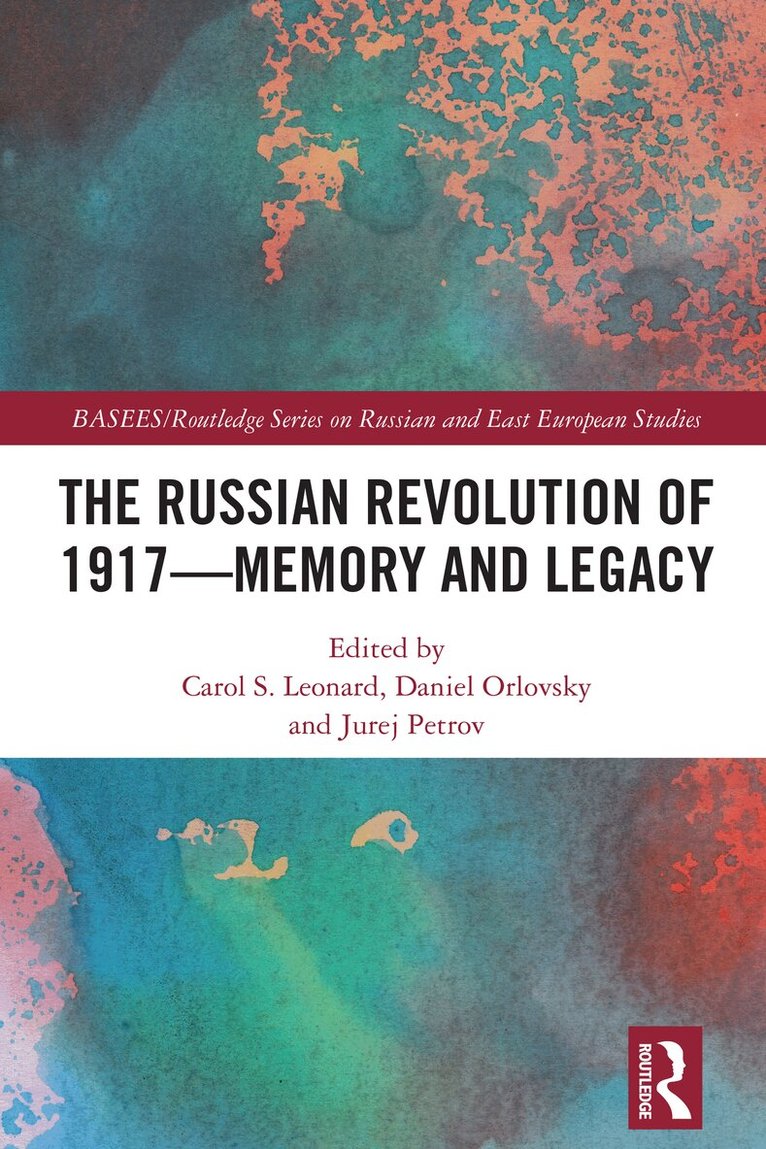
Russian Revolution of 1917 - Memory and Legacy
Av Carol S. Leonard, Daniel Orlovsky m. fl.
Inbunden, 2024
2197 kr
Lägg i varukorg
The way in which the Russian Revolution of October 1917 is regarded and commemorated has changed considerably over time, and is a contentious subject, well demonstrated by the absence of any official commemoration in Russia in 2017, a huge contrast to the very large celebrations which took place in …
Russian Revolution of 1917 - Memory and Legacy
Av Jurej Petrov, Daniel Orlovsky m. fl.
E-bok, 2024
856 kr
Lägg i varukorg
The way in which the Russian Revolution of October 1917 is regarded and commemorated has changed considerably over time, and is a contentious subject, well demonstrated by the absence of any official commemoration in Russia in 2017, a huge contrast to the very large celebrations which took place in …
Russian Revolution of 1917 - Memory and Legacy
Av Jurej Petrov, Daniel Orlovsky m. fl.
E-bok, 2024
838 kr
Lägg i varukorg
The way in which the Russian Revolution of October 1917 is regarded and commemorated has changed considerably over time, and is a contentious subject, well demonstrated by the absence of any official commemoration in Russia in 2017, a huge contrast to the very large celebrations which took place in …
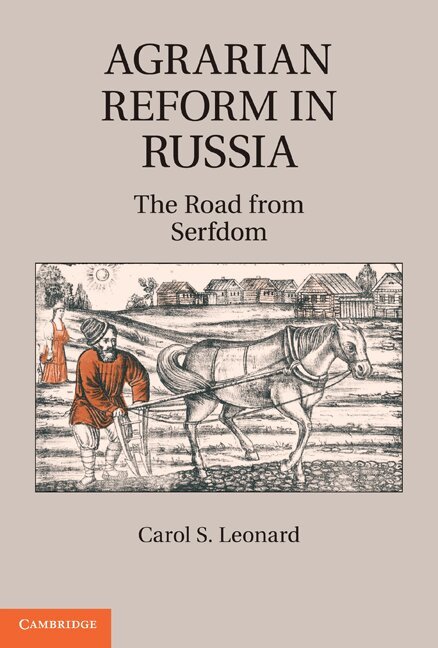
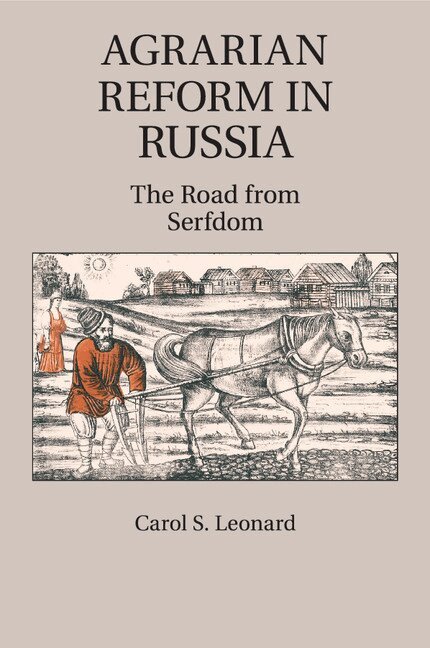
Agrarian Reform in Russia
The Road from Serfdom
Inbunden, 2010
1821 kr
Lägg i varukorg
This book examines the history of reforms and major state interventions affecting Russian agriculture: the abolition of serfdom in 1861, the Stolypin reforms, the NEP, the Collectivization, Khrushchev reforms, and finally farm enterprise privatization in the early 1990s. It shows a pattern emerging …
Russian Revolution of 1917 - Memory and Legacy
Av Carol S. Leonard, Daniel Orlovsky m. fl.
Häftad, 2025
727 kr
Lägg i varukorg
The way in which the Russian Revolution of October 1917 is regarded and commemorated has changed considerably over time, and is a contentious subject, well demonstrated by the absence of any official commemoration in Russia in 2017, a huge contrast to the very large celebrations which took place in …
Agrarian Reform in Russia
The Road from Serfdom
Häftad, 2015
672 kr
Lägg i varukorg
This book examines the history of reforms and major state interventions affecting Russian agriculture: the abolition of serfdom in 1861, the Stolypin reforms, the NEP, the Collectivization, Khrushchev reforms, and finally farm enterprise privatization in the early 1990s. It shows a pattern emerging …