Caroline Wallace – författare
Visar alla böcker från författaren Caroline Wallace. Handla med fri frakt och snabb leverans.
5 produkter
5 produkter
Inbunden, Engelska, 2023
313 kr
Skickas
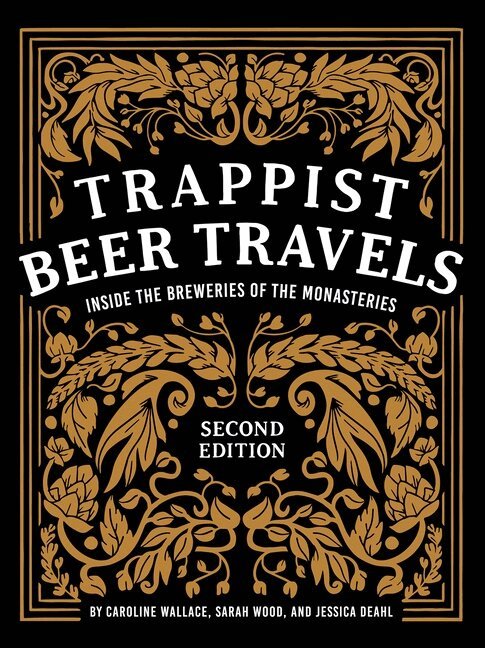
While beer drinkers around the world scour market shelves for Trappist beers, few understand the enigmatic lives of the monks behind these illustrious brews. Now in its second edition, Trappist Beer Travels takes readers inside monastery walls for an in-depth look at the legendary breweries of Trappist monks. From the expansive production facilities at Chimay, to the coveted gates of Westvleteren, to the ancient sun-baked walls of Rome’s Tre Fontane, join three American beer writers as they travel the globe gaining rare access to the world's authentic Trappist breweries. This updated and expanded edition includes vibrant new and historical photographs and original artwork, as well as a brand-new chapter focused on the latest brothers to take up the craft of brewing, the monks of England's Mount Saint Bernard Abbey. Explore the histories of each abbey, their brewing traditions, details about the lives of the monks, and helpful travel tips so you, too, can plan a journey of your own.
Inbunden, Engelska, 2026
1 479 kr
Kommande
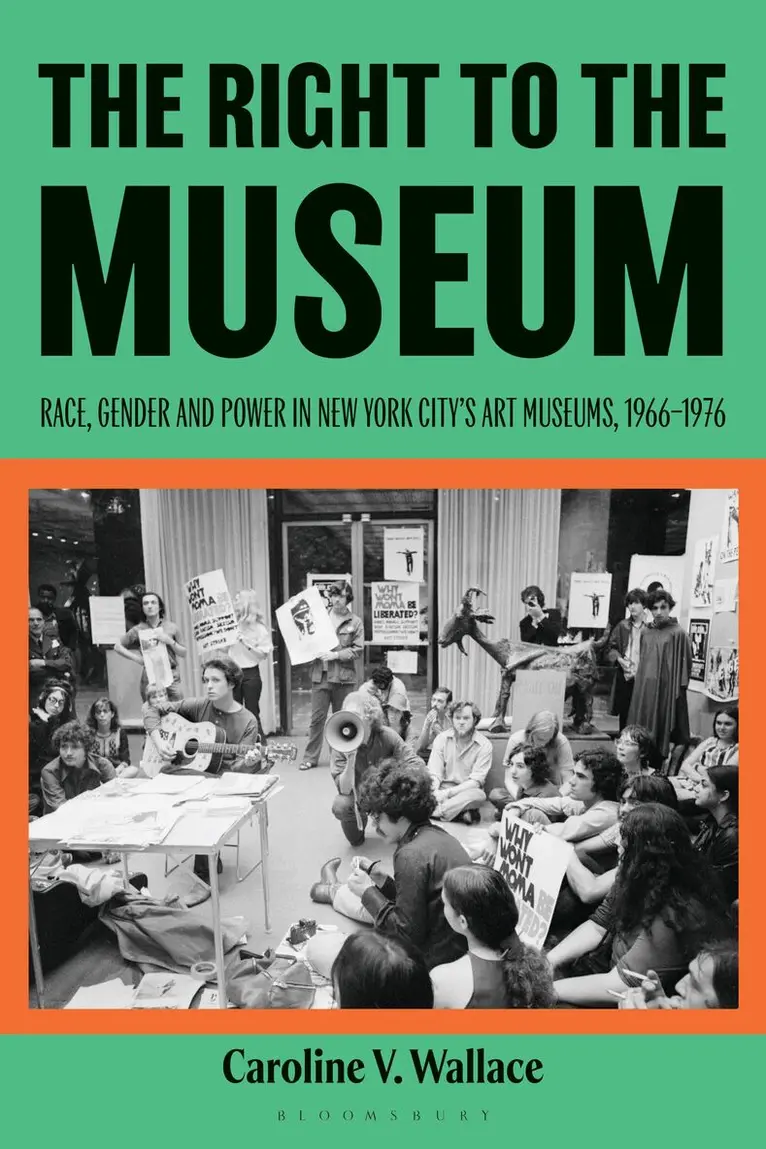
Who does the space of the museum really belong to? How can museums become sites of social change? What role can artists play in making museums more inclusive? This book explores the ways in which New York City’s art museums were actively reshaped and radically reimagined by artists in the 1960s and 70s. Through a messy array of protests – feminist sitins, theatrical performances, and placard waving pickets – artists asserted their authority over the institutions responsible for the display and collection of their work. But they also created their own; as neighborhood museums, artist projects and collective spaces. Presenting a rich history of spatial reclamation and appropriation, this book offers an innovative new reading of this intense period of artist-activism and museum making.Each chapter focuses on a specific institution in New York, whilst making connections to urban movements for spatial justice. Drawn from archival research and new spatial readings of art activism, the book also charts the history of Black, Puerto Rican and feminist groups, and how institutions coopted their ideals to facilitate the expansion of museums in late capitalism.At a time when museums are again sites of protest and politics, The Right to the Museum forms a crucial contribution to broader understanding of the history of museums, and the relationship between artists and society. In looking back, it recovers the potential of the museum as a site for social and political transformation.
E-bok
PDF, Engelska, 20261 325 kr
Läs direkt efter köp
Who does the space of the museum really belong to? How can museums become sites of social change? What role can artists play in making museums more inclusive? This book explores the ways in which New York City's art museums were actively reshaped and radically reimagined by artists in the 1960s and 70s. Through a messy array of protests feminist sit ins, theatrical performances, and placard waving pickets artists asserted their authority over the institutions responsible for the display and collection of their work. But they also created their own; as neighborhood museums, artist projects and collective spaces. Presenting a rich history of spatial reclamation and appropriation, this book offers an innovative new reading of this intense period of artist-activism and museum making. Each chapter focuses on a specific institution in New York, whilst making connections to urban movements for spatial justice. Drawn from archival research and new spatial readings of art activism, the book also charts the history of Black, Puerto Rican and feminist groups, and how institutions coopted their ideals to facilitate the expansion of museums in late capitalism. At a time when museums are again sites of protest and politics, The Right to the Museum forms a crucial contribution to broader understanding of the history of museums, and the relationship between artists and society. In looking back, it recovers the potential of the museum as a site for social and political transformation.
E-bok
Engelska, 20261 325 kr
Läs direkt efter köp
Who does the space of the museum really belong to? How can museums become sites of social change? What role can artists play in making museums more inclusive? This book explores the ways in which New York City's art museums were actively reshaped and radically reimagined by artists in the 1960s and 70s. Through a messy array of protests feminist sit ins, theatrical performances, and placard waving pickets artists asserted their authority over the institutions responsible for the display and collection of their work. But they also created their own; as neighborhood museums, artist projects and collective spaces. Presenting a rich history of spatial reclamation and appropriation, this book offers an innovative new reading of this intense period of artist-activism and museum making. Each chapter focuses on a specific institution in New York, whilst making connections to urban movements for spatial justice. Drawn from archival research and new spatial readings of art activism, the book also charts the history of Black, Puerto Rican and feminist groups, and how institutions coopted their ideals to facilitate the expansion of museums in late capitalism. At a time when museums are again sites of protest and politics, The Right to the Museum forms a crucial contribution to broader understanding of the history of museums, and the relationship between artists and society. In looking back, it recovers the potential of the museum as a site for social and political transformation.
E-bok
Engelska, 2016100 kr
Läs direkt efter köp
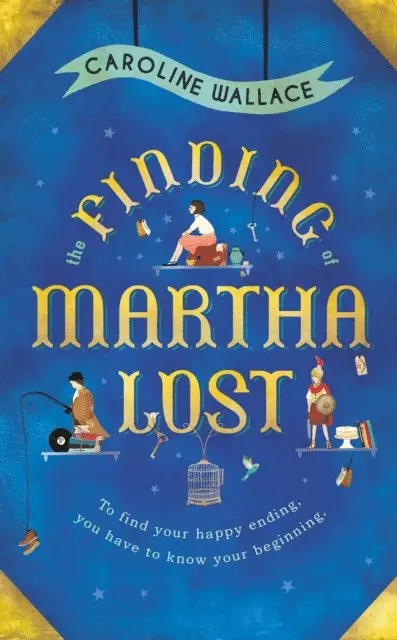
Liverpool, 1976: Martha is lost.She’s been lost since she was a baby, abandoned in a suitcase on the train from Paris. Ever since, she’s waited in lost property for someone to claim her. It’s been sixteen years, but she’s still hopeful.Meanwhile, there are lost property mysteries to solve: a suitcase that may have belonged to the Beatles, a stuffed monkey that keeps appearing. But there is one mystery Martha has never been able to solve – and now time is running out. If Martha can’t discover who she really is, she will lose everything…