Catherine J. Frieman – författare
Visar alla böcker från författaren Catherine J. Frieman. Handla med fri frakt och snabb leverans.
8 produkter
8 produkter
Häftad, Engelska, 2023
237 kr
Skickas inom 7-10 vardagar
This Element volume focuses on how archaeologists construct narratives of past people and environments from the complex and fragmented archaeological record. In keeping with its position in a series of historiography, it considers how we make meaning from things and places, with an emphasis on changing practices over time and the questions archaeologists have and can ask of the archaeological record. It aims to provide readers with a reflexive and comprehensive overview of what it is that archaeologists do with the archaeological record, how that translates into specific stories or narratives about the past, and the limitations or advantages of these when trying to understand past worlds. The goal is to shift the reader's perspective of archaeology away from seeing it as a primarily data gathering field, to a clearer understanding of how archaeologists make and use the data they uncover.
E-bok
Engelska, 2023283 kr
Läs direkt efter köp
E-bok
PDF, Engelska, 2023283 kr
Läs direkt efter köp
Inbunden, Engelska, 2024
1 142 kr
Skickas inom 10-15 vardagar
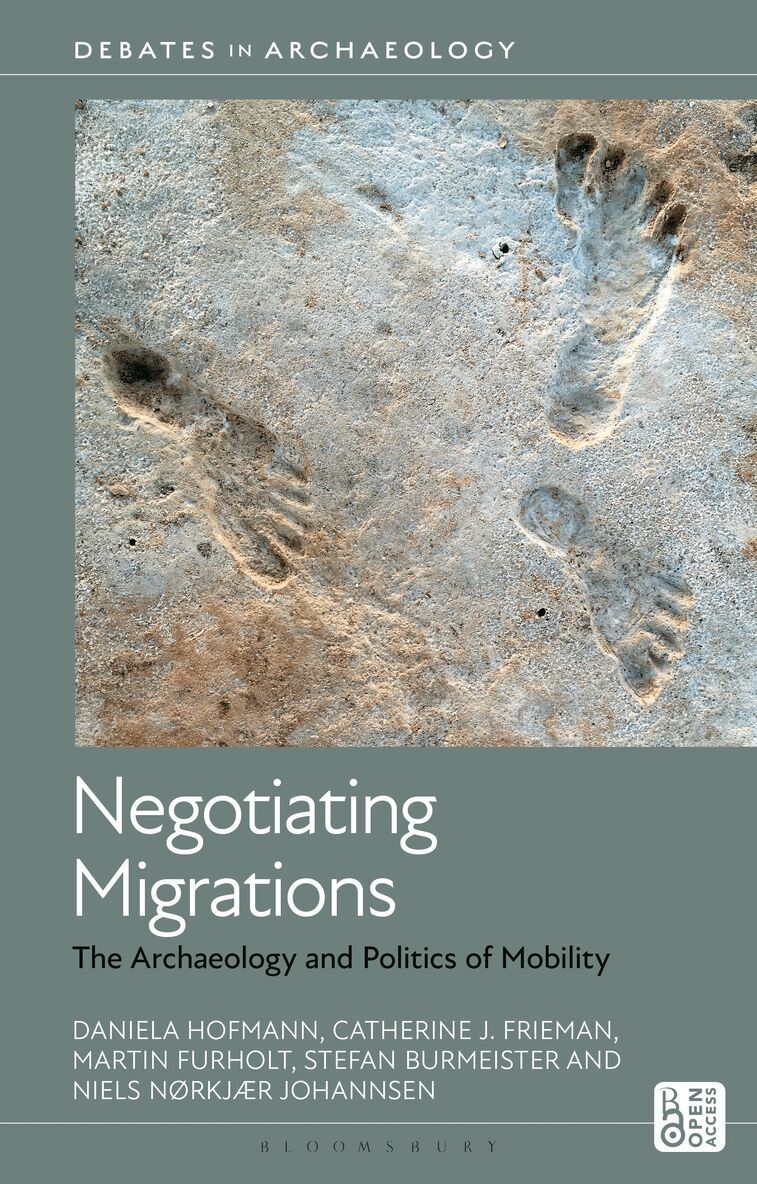
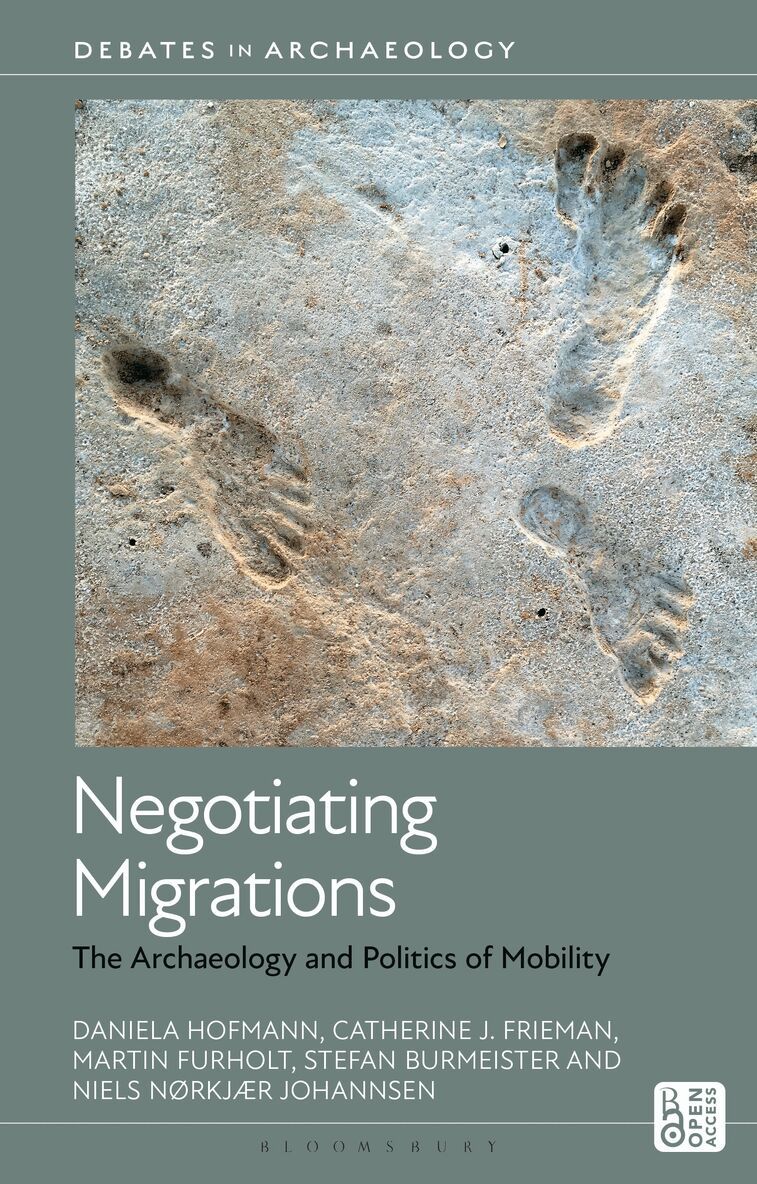
As a species, we have always been mobile and migration was a habitual feature of prehistoric life. This open-access volume uses archaeological case studies mainly from the European Neolithic, but also from the Pacific, the US Southwest, the medieval Migration Period and the historical Great Lakes, to discuss how a focus on small-scale inter-personal relations – on the power struggles, negotiations and choices that people make in everyday settings – can help us understand migration events in archaeology. While much archaeological scholarship, using isotopes and aDNA, focuses on migrations as large-scale phenomena and crisis responses, this book offers a new approach by exploring how moving on was embedded in social practice. This book offers a novel reinterpretation of how the political aspects of migration shaped past people’s worlds in Europe and beyond, drawing on archaeological, historical, linguistic and aDNA evidence. Overall, the conclusion is that a bottom-up approach can help us to understand migration in the past at a variety of scales, in many different regions of the worldThe ebook editions of this book are available open access under a CC BY-NC-ND 4.0 licence on bloomsburycollections.com. Open access was funded by the Centre of Advanced Studies in Oslo.
Häftad, Engelska, 2026
362 kr
Skickas inom 10-15 vardagar
As a species, we have always been mobile and migration was a habitual feature of prehistoric life. This open-access volume uses archaeological case studies mainly from the European Neolithic, but also from the Pacific, the US Southwest, the medieval Migration Period and the historical Great Lakes, to discuss how a focus on small-scale inter-personal relations – on the power struggles, negotiations and choices that people make in everyday settings – can help us understand migration events in archaeology. While much archaeological scholarship, using isotopes and aDNA, focuses on migrations as large-scale phenomena and crisis responses, this book offers a new approach by exploring how moving on was embedded in social practice. This book offers a novel reinterpretation of how the political aspects of migration shaped past people’s worlds in Europe and beyond, drawing on archaeological, historical, linguistic and aDNA evidence. Overall, the conclusion is that a bottom-up approach can help us to understand migration in the past at a variety of scales, in many different regions of the worldThe ebook editions of this book are available open access under a CC BY-NC-ND 4.0 licence on bloomsburycollections.com. Open access was funded by the Centre of Advanced Studies in Oslo.
Inbunden, Engelska, 2021
1 185 kr
Skickas inom 5-8 vardagar
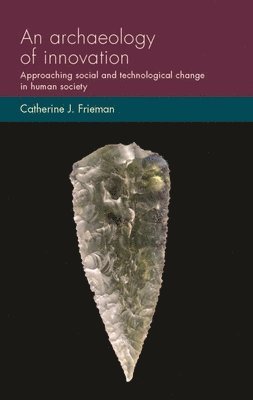
An archaeology of innovation is the first monograph-length investigation of innovation and the innovation process from an archaeological perspective. It interrogates the idea of innovation that permeates our popular media and our political and scientific discourse, setting this against the long-term perspective that only archaeology can offer. Case studies span the entire breadth of human history, from our earliest hominin ancestors to the contemporary world. The book argues that the present narrow focus on pushing the adoption of technical innovations ignores the complex interplay of social, technological and environmental systems that underlies truly innovative societies; the inherent connections between new technologies, technologists and social structure that give them meaning and make them valuable; and the significance and value of conservative social practices that lead to the frequent rejection of innovations.
Häftad, Engelska, 2023
351 kr
Skickas
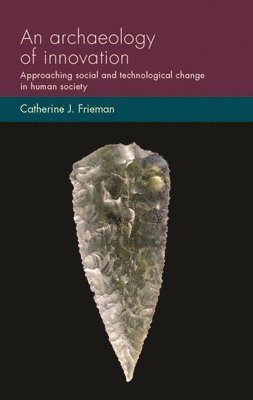
An archaeology of innovation is the first monograph-length investigation of innovation and the innovation process from an archaeological perspective. It interrogates the idea of innovation that permeates our popular media and our political and scientific discourse, setting this against the long-term perspective that only archaeology can offer. Case studies span the entire breadth of human history, from our earliest hominin ancestors to the contemporary world. The book argues that the present narrow focus on pushing the adoption of technical innovations ignores the complex interplay of social, technological and environmental systems that underlies truly innovative societies; the inherent connections between new technologies, technologists and social structure that give them meaning and make them valuable; and the significance and value of conservative social practices that lead to the frequent rejection of innovations.
E-bok
Engelska, 2021123 kr
Läs direkt efter köp
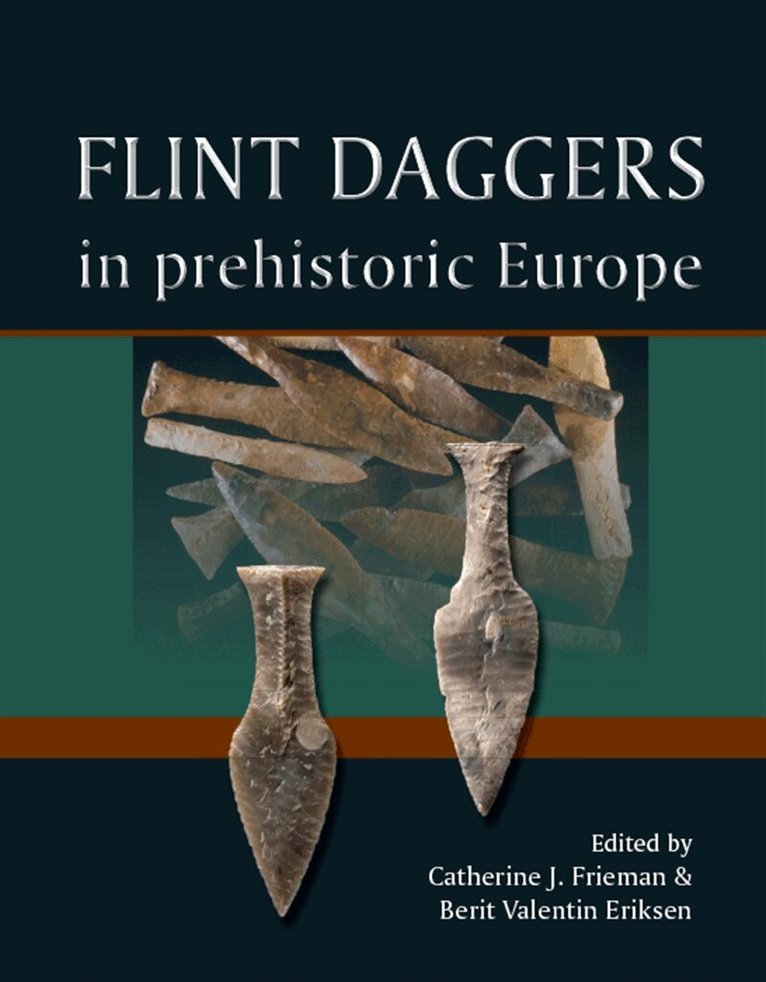
For more than a century flint daggers have been among the most closely studied and most heavily published later prehistoric lithic tools. It is well established that they are found across Europe and beyond, and that many were widely circulated over many generations. Yet, few researchers have attempted to discuss the entirety of the flint dagger phenomenon. The present volume brings together papers that address questions of the regional variability and socio-technical complexity of flint daggers and their production. It focuses on the typology, chronology, technology, functionality and meaning of flint and other lithic daggers produced primarily in Europe, but also in the Eastern Mediterranean and East Asia, in prehistory. The 14 papers by leading researchers provide a comprehensive overview of the state of knowledge concerning various flint dagger corpora as well as potential avenues for the development of a research agenda across national, regional and disciplinary boundaries. The volume originates from a session held at the 2011 meeting of the European Association of Archaeology but includes additional commissioned contributions.