Cathrine Holst – författare
2 195 kr
Skickas inom 10-15 vardagar
727 kr
Skickas
303 kr
Skickas inom 10-15 vardagar
642 kr
Skickas inom 10-15 vardagar
757 kr
Läs direkt efter köp
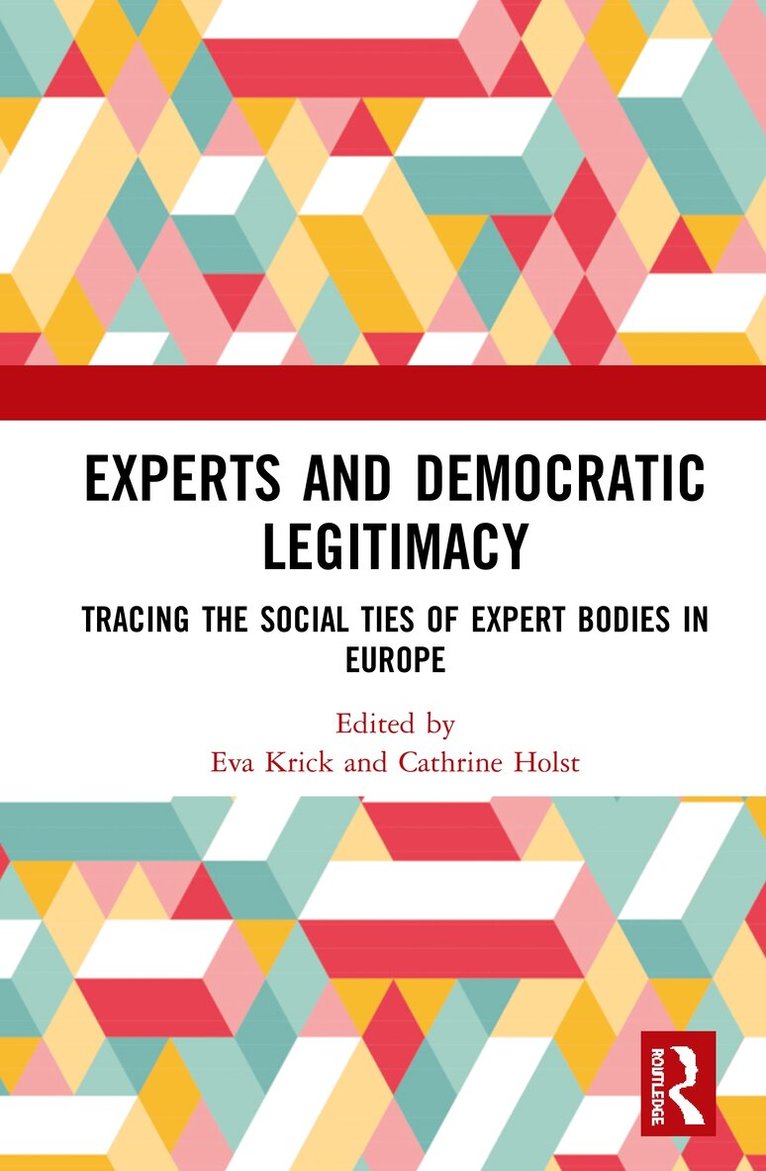
Experts and Democratic Legitimacy challenges the technocratic reading of expert bodies, such as central banks, advisory committees and regulatory agencies.
Expert contributors ask in what way expert bodies are subject to some of the key pressures in contemporary governance, such as democratisation, politicisation and expertisation. Based on empirical studies, the book traces the multiple social ties of expert bodies and refines the common perception of expert bodies as ‘de-politicised’ institutions that are detached from political interference and societal input. It further theorises the tension and reconcilability between reliable, independent expert knowledge on the one hand and the need for accountability and legitimacy in modern policy-making on the other hand.
Refining the detached, de-politicised image of non-majoritarian institutions, Experts and Democratic Legitimacy will be of great interest to scholars of European studies, political and social theory, modern governance and policy-making. This book was originally published as a special issue of European Politics and Society.
730 kr
Läs direkt efter köp
Experts and Democratic Legitimacy challenges the technocratic reading of expert bodies, such as central banks, advisory committees and regulatory agencies.
Expert contributors ask in what way expert bodies are subject to some of the key pressures in contemporary governance, such as democratisation, politicisation and expertisation. Based on empirical studies, the book traces the multiple social ties of expert bodies and refines the common perception of expert bodies as ‘de-politicised’ institutions that are detached from political interference and societal input. It further theorises the tension and reconcilability between reliable, independent expert knowledge on the one hand and the need for accountability and legitimacy in modern policy-making on the other hand.
Refining the detached, de-politicised image of non-majoritarian institutions, Experts and Democratic Legitimacy will be of great interest to scholars of European studies, political and social theory, modern governance and policy-making. This book was originally published as a special issue of European Politics and Society.
643 kr
Skickas inom 10-15 vardagar
2 198 kr
Skickas inom 10-15 vardagar
757 kr
Läs direkt efter köp
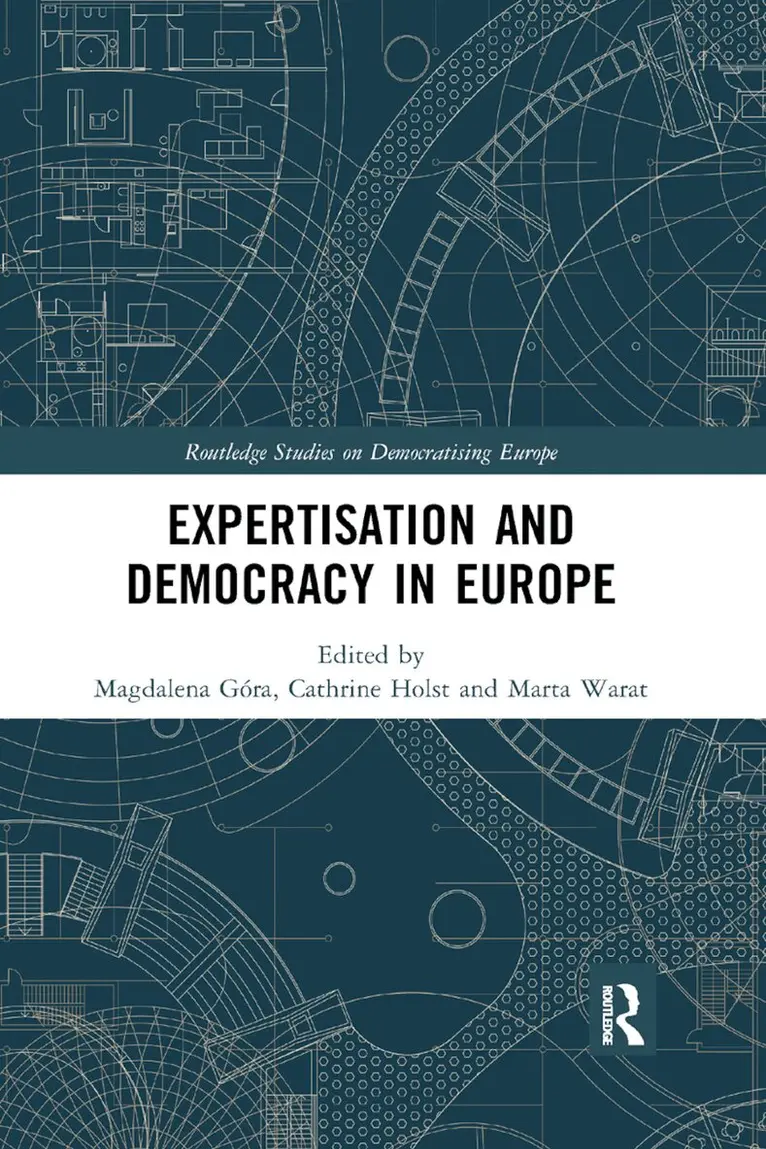
Expertisation and Democracy in Europe provides a much-needed account of the role and re-organisation of expertise and expert knowledge in Europe and the European Union in a broad range of policy spheres, contributing to the debate triggered by the recent crises. It brings novel perspectives to debates on technocracy and our understanding of the relations between knowledge, experts and democracy.
The book explores and assesses new and old linkages between knowledge, expertise and democracy, and expands and deepens the current debates by addressing questions such as: What is the role of expertise in Europe? How is knowledge of different kinds embedded in and decisive for democratic practice in contemporary democracies? How are we to assess recent transformations of the expert-citizens and government-civil society relationships from the perspective of democracy, and which paths are viable in the years to come? Finally, the book engages with and gives flesh to the notion of expertisation not only as a broad political and societal diagnosis, but also as a multidimensional and deeply contested process that enfolds in concrete practices and institutional settings.
This text will be of key interest to scholars and students of European studies, European and European Union politics, democracy, public policy, international relations, sociology, gender studies and media studies.
757 kr
Läs direkt efter köp
Expertisation and Democracy in Europe provides a much-needed account of the role and re-organisation of expertise and expert knowledge in Europe and the European Union in a broad range of policy spheres, contributing to the debate triggered by the recent crises. It brings novel perspectives to debates on technocracy and our understanding of the relations between knowledge, experts and democracy.
The book explores and assesses new and old linkages between knowledge, expertise and democracy, and expands and deepens the current debates by addressing questions such as: What is the role of expertise in Europe? How is knowledge of different kinds embedded in and decisive for democratic practice in contemporary democracies? How are we to assess recent transformations of the expert-citizens and government-civil society relationships from the perspective of democracy, and which paths are viable in the years to come? Finally, the book engages with and gives flesh to the notion of expertisation not only as a broad political and societal diagnosis, but also as a multidimensional and deeply contested process that enfolds in concrete practices and institutional settings.
This text will be of key interest to scholars and students of European studies, European and European Union politics, democracy, public policy, international relations, sociology, gender studies and media studies.
2 815 kr
Skickas inom 5-8 vardagar