Eva Krick - Böcker
Visar alla böcker från författaren Eva Krick. Handla med fri frakt och snabb leverans.
5 produkter
5 produkter
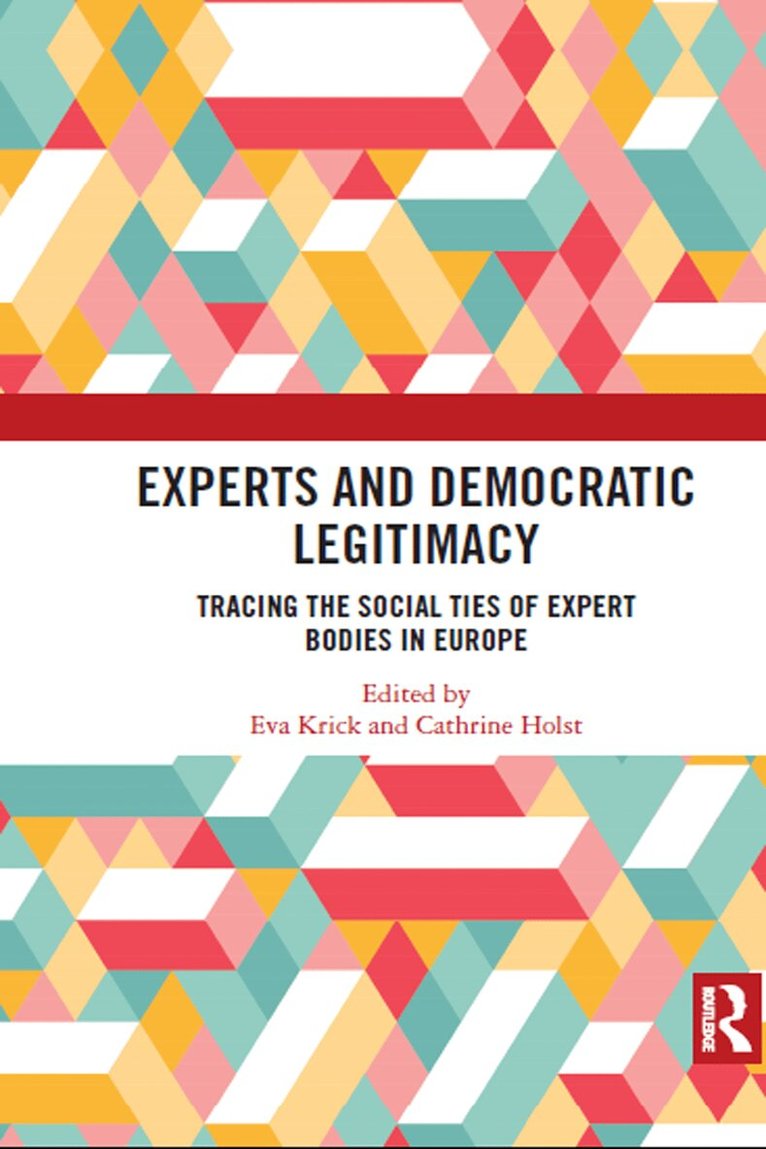
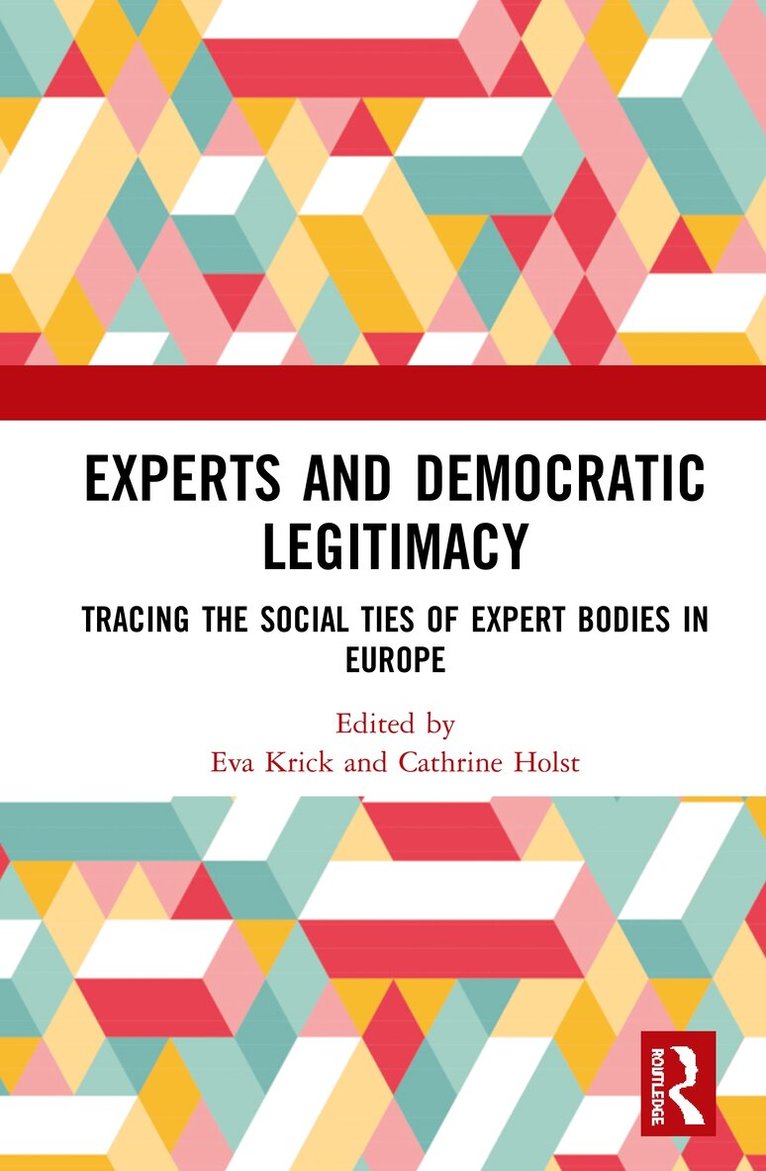
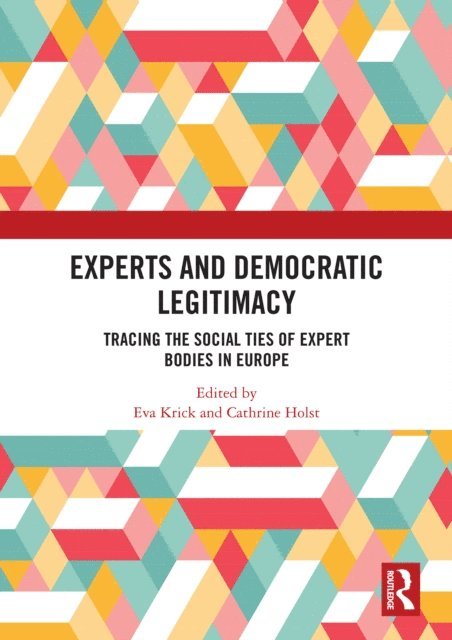
Experts and Democratic Legitimacy
Tracing the Social Ties of Expert Bodies in Europe
Inbunden, Engelska, 2019
2 103 kr
Skickas inom 10-15 vardagar
Experts and Democratic Legitimacy challenges the technocratic reading of expert bodies, such as central banks, advisory committees and regulatory agencies. Expert contributors ask in what way expert bodies are subject to some of the key pressures in contemporary governance, such as democratisation, politicisation and expertisation. Based on empirical studies, the book traces the multiple social ties of expert bodies and refines the common perception of expert bodies as ‘de-politicised’ institutions that are detached from political interference and societal input. It further theorises the tension and reconcilability between reliable, independent expert knowledge on the one hand and the need for accountability and legitimacy in modern policy-making on the other hand.Refining the detached, de-politicised image of non-majoritarian institutions, Experts and Democratic Legitimacy will be of great interest to scholars of European studies, political and social theory, modern governance and policy-making. This book was originally published as a special issue of European Politics and Society.
Experts and Democratic Legitimacy
Tracing the Social Ties of Expert Bodies in Europe
Häftad, Engelska, 2021
621 kr
Skickas inom 10-15 vardagar
Experts and Democratic Legitimacy challenges the technocratic reading of expert bodies, such as central banks, advisory committees and regulatory agencies. Expert contributors ask in what way expert bodies are subject to some of the key pressures in contemporary governance, such as democratisation, politicisation and expertisation. Based on empirical studies, the book traces the multiple social ties of expert bodies and refines the common perception of expert bodies as ‘de-politicised’ institutions that are detached from political interference and societal input. It further theorises the tension and reconcilability between reliable, independent expert knowledge on the one hand and the need for accountability and legitimacy in modern policy-making on the other hand.Refining the detached, de-politicised image of non-majoritarian institutions, Experts and Democratic Legitimacy will be of great interest to scholars of European studies, political and social theory, modern governance and policy-making. This book was originally published as a special issue of European Politics and Society.
Expertise and Participation
Institutional Designs for Policy Development in Europe
Inbunden, Engelska, 2021
1 485 kr
Skickas inom 10-15 vardagar
By zooming in on the coordinated procedures of environmental policy-making in European consensus systems and by interconnecting theories of democracy, knowledge and science, organisation and decision-making, the author develops institutional solutions to the tensions between epistemic and democratic demands on public policy-making.
Expertise and Participation
Institutional Designs for Policy Development in Europe
Häftad, Engelska, 2022
1 485 kr
Skickas inom 10-15 vardagar
By zooming in on the coordinated procedures of environmental policy-making in European consensus systems and by interconnecting theories of democracy, knowledge and science, organisation and decision-making, the author develops institutional solutions to the tensions between epistemic and democratic demands on public policy-making.
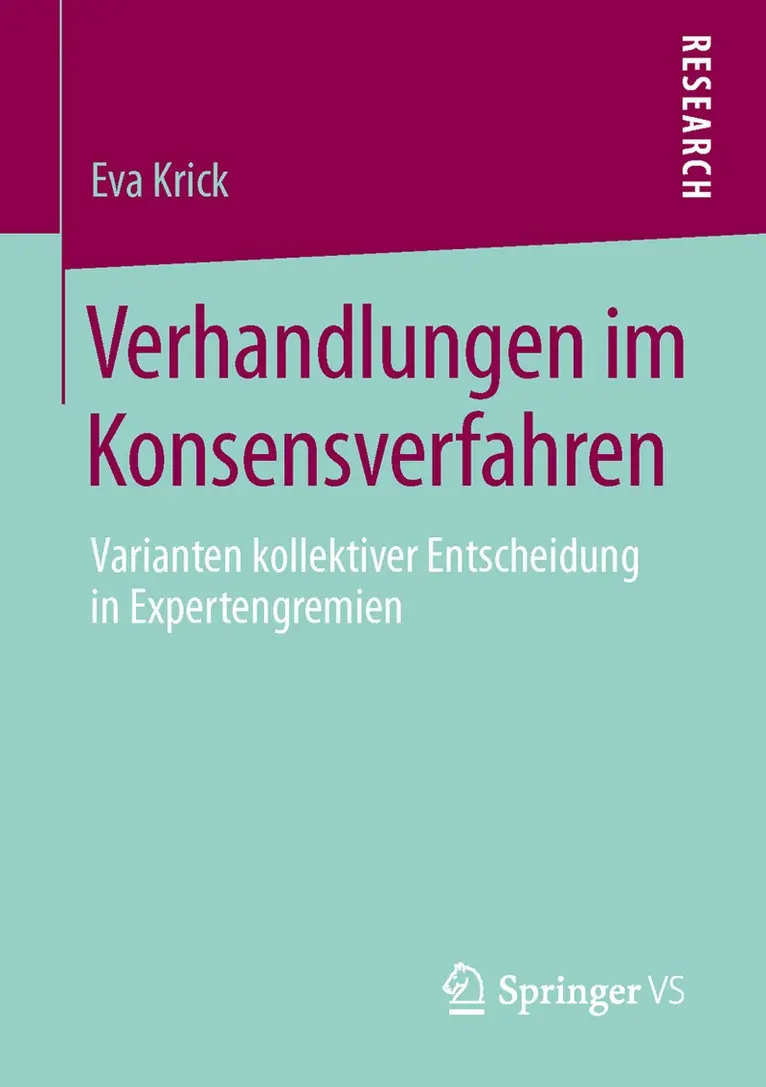
Verhandlungen im Konsensverfahren
Varianten kollektiver Entscheidung in Expertengremien
Häftad, Tyska, 2012
605 kr
Skickas inom 10-15 vardagar
Expertengremien zielen auf Verhandlungsergebnisse, die von einem breiten Spektrum an Fachleuten und Interessenvertretern gemeinsam getragen werden. Ihre Entscheidungsprozesse folgen einem informellen Verfahren, bei dem auf formale Abstimmung in der Regel verzichtet und die kollektive Entscheidung durch das Ausbleiben offener Gegenwehr getroffen wird. Dieser Konsensmodus lässt Machtasymmetrien zwischen den Beteiligten hervortreten und führt zu einer Varianz an tatsächlichen Zustimmungsgraden. Eva Krick zeigt, welche Mechanismen der Einigung im informellen Konsensverfahren wirken, auf welche Weise Akteure ausgeschlossen werden und selektive Zustimmung erreicht wird, unter welchen Umständen aber auch der Interessenausgleich aller Beteiligten möglich wird.