Cathryn Setz - Böcker
Visar alla böcker från författaren Cathryn Setz. Handla med fri frakt och snabb leverans.
3 produkter
3 produkter
1 105 kr
Skickas inom 7-10 vardagar
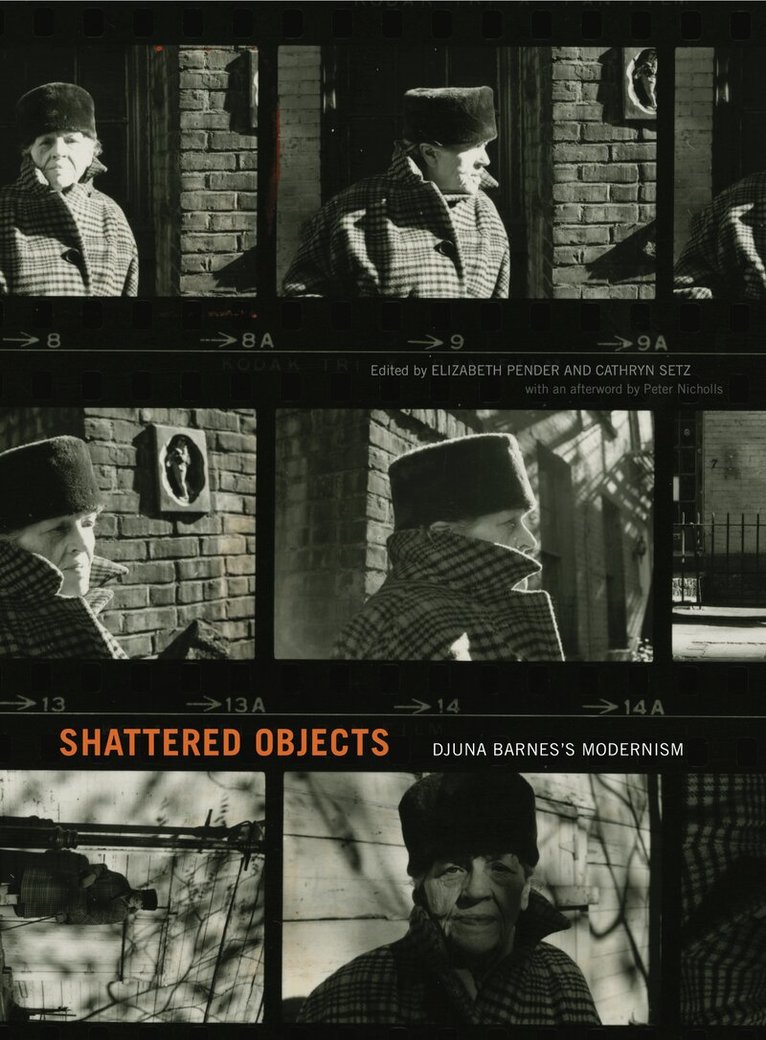
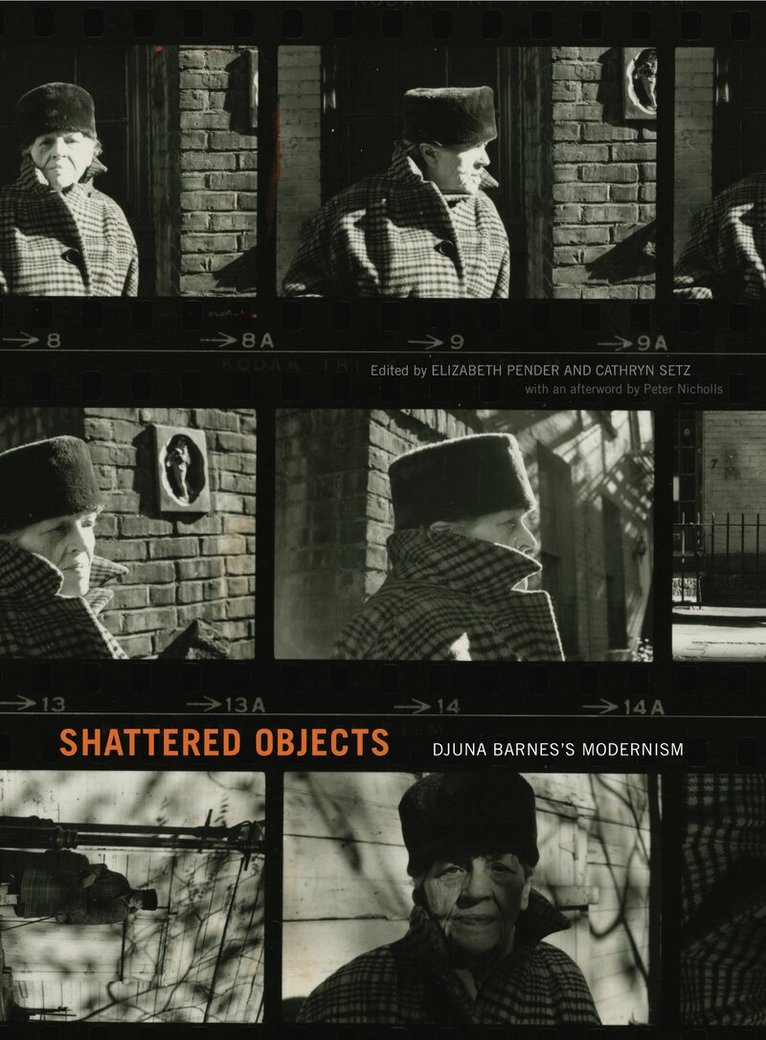
Djuna Barnes once said that “there is always more surface to a shattered object than a whole object,” and the statement is provocative when considering her own writing and art. Arriving as an accomplished writer and journalist in 1920s Paris, Barnes produced an eclectic body of work whose objects and surfaces continue to fascinate readers. In this volume, a series of internationally renowned scholars reassess both Barnes and modernism through a close examination of her prose, poetry, journalism, visual art, and drama.From the modernist classic Nightwood to the late verse play The Antiphon, Barnes’s distinctive voice has long resisted any easy assimilation into specific groupings of authors or texts. Responding to expansions of canons and critical questions that have shaped modernist studies since the late twentieth century, the chapters in this volume bring new thinking to her full oeuvre and collectively demonstrate that the study of modernism necessarily includes the study of Barnes. The essays show Barnes’s significant contributions to twenty-first-century discourses on topics such as the politics of print culture, the representation of animals and the human, queer aesthetics, modernist criticism, authorship, style, affect, and translation between media.Featuring an afterword by Peter Nicholls and a comprehensive bibliography, Shattered Objects provides a timely assessment of Barnes and considers the implications of reading her critically as an important modernist writer and artist. It will be welcomed by scholars of literature, art history, and the modernist era.In addition to the editors, contributors to this volume are Daniela Caselli, Bruce Gardiner, Alex Goody, Melissa Jane Hardie, Tyrus Miller, Drew Milne, Peter Nicholls, Rachel Potter, Julie Taylor, and Joanne Winning.
2 169 kr
Skickas inom 3-6 vardagar
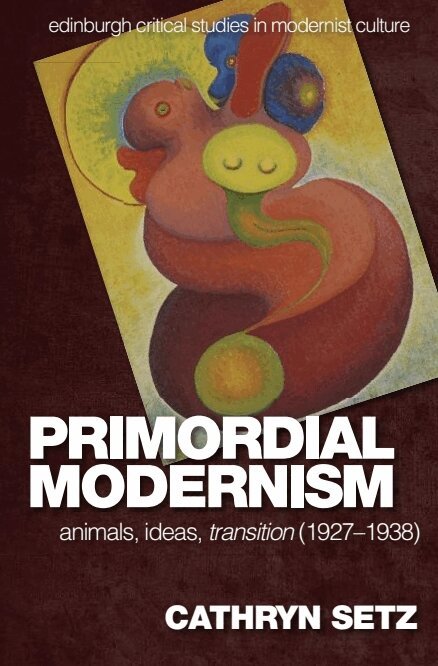
Brings ideas and animals together to shed new light on modernist magazine culture Tests the concept of ‘primordial’ modernism as a tributary of primitivism, Jungian thought, and fraught nationalismsProvides readings of Eugene Jolas’s creative and critical works that place him centre-stage in modernist studiesMoves between unpublished archival material, reception studies, and readings of overlooked authorsConsiders a wide range of modernist authors and artists as befitting to such a rich documentTouches on contemporary scientific discourse as an aspect of animal studiesThis adventurous study focuses on experimental animal writing in the major interwar journal transition (1927–1938), which contains a striking recurrence of metaphors around the most basic forms of life. Amoebas, fish, lizards, birds – some of the ‘lowest’ and ‘oldest’ creatures on earth often emerge at the very places authors seek expressions for the ‘newest’ and the ‘highest’ in art. Discussing works by James Joyce, Henry Miller, Gottfried Benn, Eugene Jolas, Kay Boyle, Bryher, Paul Éluard and more, Cathryn Setz investigates this paradox and provides a new understanding of transition’s contribution to twentieth-century periodical culture.
571 kr
Skickas inom 3-6 vardagar
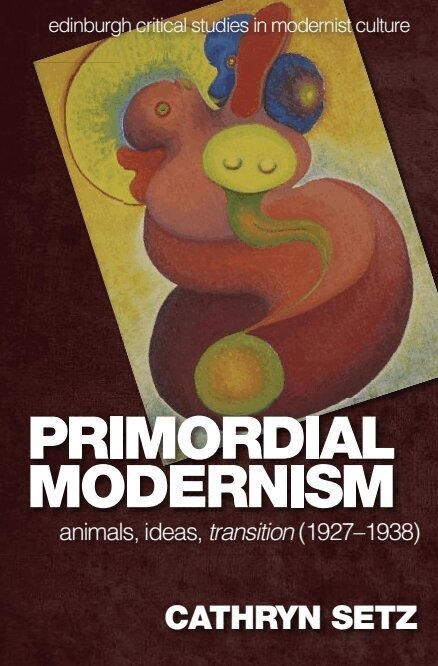
Brings ideas and animals together to shed new light on modernist magazine culture Tests the concept of ‘primordial’ modernism as a tributary of primitivism, Jungian thought, and fraught nationalismsProvides readings of Eugene Jolas’s creative and critical works that place him centre-stage in modernist studiesMoves between unpublished archival material, reception studies, and readings of overlooked authorsConsiders a wide range of modernist authors and artists as befitting to such a rich documentTouches on contemporary scientific discourse as an aspect of animal studiesThis adventurous study focuses on experimental animal writing in the major interwar journal transition (1927–1938), which contains a striking recurrence of metaphors around the most basic forms of life. Amoebas, fish, lizards, birds – some of the ‘lowest’ and ‘oldest’ creatures on earth often emerge at the very places authors seek expressions for the ‘newest’ and the ‘highest’ in art. Discussing works by James Joyce, Henry Miller, Gottfried Benn, Eugene Jolas, Kay Boyle, Bryher, Paul Éluard and more, Cathryn Setz investigates this paradox and provides a new understanding of transition’s contribution to twentieth-century periodical culture.