Cecilia Coale Van Hollen – Författare
Visar alla böcker från författaren Cecilia Coale Van Hollen. Handla med fri frakt och snabb leverans.
5 produkter
5 produkter
283 kr
Skickas inom 7-10 vardagar
Even childbirth is affected by globalization - and in India, as elsewhere, the trend is away from home births, assisted by midwives, toward hospital births with increasing reliance on new technologies. And yet, as this work of critical feminist ethnography clearly demonstrates, the global spread of biomedical models of childbirth has not brought forth one monolithic form of 'modern birth.' Focusing on the birth experiences of lower-class women in the South Indian state of Tamil Nadu, "Birth on the Threshold" reveals the complex and unique ways in which modernity emerges in local contexts. Through vivid description and animated dialogue, this book conveys the birth stories of the women of Tamil Nadu in their own voices, emphasizing their critiques of and aspirations for modern births today. In light of these stories, author Cecilia Van Hollen explores larger questions about how the structures of colonialism and postcolonial international and national development have helped to shape the form and meaning of birth for Indian women today. Ultimately, her book poses the question: How is gender - especially maternity - reconfigured as birth is transformed?
781 kr
Skickas inom 7-10 vardagar
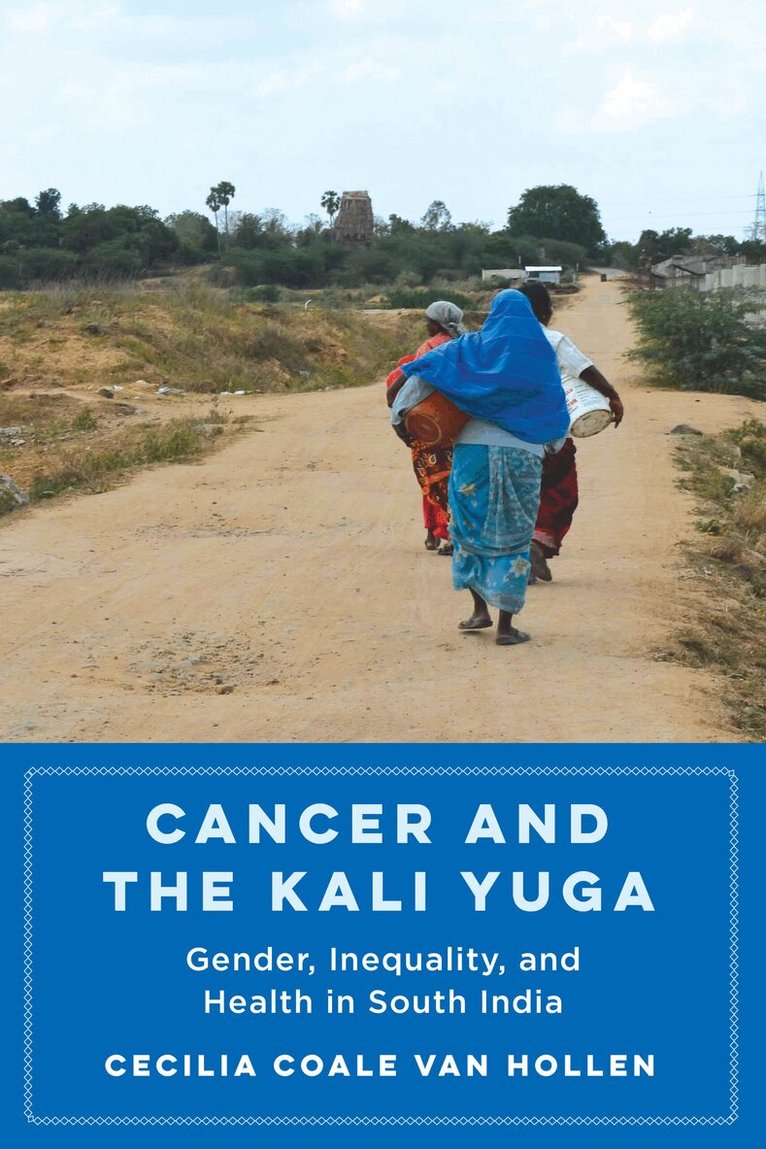
As news spread that more women died from breast and cervical cancer in India than anywhere else in the world in the early twenty-first century, global public health planners accelerated efforts to prevent, screen, and treat these reproductive cancers in low-income Indian communities. Cancer and the Kali Yuga reveals that women who are the targets of these interventions in Tamil Nadu, South India, hold views about cancer causality, late diagnosis, and challenges to accessing treatment that differ from the public health discourse. Cecilia Coale Van Hollen's critical feminist ethnography centers and amplifies the voices of Dalit Tamil women who situate cancer within the nexus of their class, caste, and gender positions. Dalit women's narratives about their experiences with cancer present a powerful and poignant critique of the sociocultural and political-economic conditions that marginalize them and jeopardize their health and well-being in twenty-first-century India.
251 kr
Skickas inom 7-10 vardagar
As news spread that more women died from breast and cervical cancer in India than anywhere else in the world in the early twenty-first century, global public health planners accelerated efforts to prevent, screen, and treat these reproductive cancers in low-income Indian communities. Cancer and the Kali Yuga reveals that women who are the targets of these interventions in Tamil Nadu, South India, hold views about cancer causality, late diagnosis, and challenges to accessing treatment that differ from the public health discourse. Cecilia Coale Van Hollen's critical feminist ethnography centers and amplifies the voices of Dalit Tamil women who situate cancer within the nexus of their class, caste, and gender positions. Dalit women's narratives about their experiences with cancer present a powerful and poignant critique of the sociocultural and political-economic conditions that marginalize them and jeopardize their health and well-being in twenty-first-century India.
1 873 kr
Skickas inom 7-10 vardagar
Provides fresh perspectives on the past, present and future-facing contributions of the anthropology of reproduction. A Companion to the Anthropology of Reproductive Medicine and Technology provides a timely and comprehensive overview of the anthropological study of reproductive practices, technologies, and interventions in a global context. Exploring the medical and technological management of human reproduction through a sociocultural lens, this groundbreaking volume reviews past and current research, discusses contemporary debates and recent theoretical developments, introduces key themes and trends, examines ongoing issues of equity, inclusivity, and reproductive justice around the world, and more. The Companion brings together essays by multidisciplinary scholars in fields including sociocultural anthropology, medical anthropology, reproductive health, global public health, Science and Technology Studies (STS), gender and sexuality studies, critical race studies, and environmental studies, to list but a few. Five thematically organized sections address reproductive practitioners and paradigms, global reproductive health and interventions, reproductive justice, the life-course approach to the study of reproductive health, and the future of reproductive technology and medicine. Using clear, jargon-free language, the authors investigate pregnancy and childbirth; fertility treatments; birth control, contraception and abortion; COVID-19 and reproduction; reproductive cancers; epigenetics; social discrimination; gender and sexualities and reproduction for LGBTQIA+ communities; race and reproduction; migration and reproduction; reproduction and war; reproductive health financing; reproduction and disabilities, reproduction and the environment; and other important contemporary topics. A cutting-edge guide to the modern study of reproduction, this groundbreaking volume: Provides an overview of the links between anthropological study and progressive work in medicine, healthcare, and technologyAddresses both the challenges and opportunities facing researchers in the fieldIdentifies gaps in current scholarship and offers recommendations for future research topics and methodologiesHighlights the importance of ethnographic research combined with critical engagements with other disciplines for the anthropology of reproductionExplores the impact of socioeconomic conditions, environmental challenges, public policy, and legislation on reproductive health outcomesTraces the history of the field and demonstrates how anthropologists have engaged with issues of reproductive justicePart of the acclaimed Wiley Blackwell Companions to Anthropology series, A Companion to the Anthropology of Reproductive Medicine and Technology is an essential resource for undergraduate and graduate students, researchers, and scholars in medical anthropology, science technology and society, cultural anthropology, ethnology, and gender studies, as well as medical practitioners, policymakers, and activists involved in global and public health and reproductive justice.
537 kr
Kommande
Provides fresh perspectives on the past, present and future-facing contributions of the anthropology of reproduction. A Companion to the Anthropology of Reproductive Medicine and Technology provides a timely and comprehensive overview of the anthropological study of reproductive practices, technologies, and interventions in a global context. Exploring the medical and technological management of human reproduction through a sociocultural lens, this groundbreaking volume reviews past and current research, discusses contemporary debates and recent theoretical developments, introduces key themes and trends, examines ongoing issues of equity, inclusivity, and reproductive justice around the world, and more. The Companion brings together essays by multidisciplinary scholars in fields including sociocultural anthropology, medical anthropology, reproductive health, global public health, Science and Technology Studies (STS), gender and sexuality studies, critical race studies, and environmental studies, to list but a few. Five thematically organized sections address reproductive practitioners and paradigms, global reproductive health and interventions, reproductive justice, the life-course approach to the study of reproductive health, and the future of reproductive technology and medicine. Using clear, jargon-free language, the authors investigate pregnancy and childbirth; fertility treatments; birth control, contraception and abortion; COVID-19 and reproduction; reproductive cancers; epigenetics; social discrimination; gender and sexualities and reproduction for LGBTQIA+ communities; race and reproduction; migration and reproduction; reproduction and war; reproductive health financing; reproduction and disabilities, reproduction and the environment; and other important contemporary topics. A cutting-edge guide to the modern study of reproduction, this groundbreaking volume: Provides an overview of the links between anthropological study and progressive work in medicine, healthcare, and technologyAddresses both the challenges and opportunities facing researchers in the fieldIdentifies gaps in current scholarship and offers recommendations for future research topics and methodologiesHighlights the importance of ethnographic research combined with critical engagements with other disciplines for the anthropology of reproductionExplores the impact of socioeconomic conditions, environmental challenges, public policy, and legislation on reproductive health outcomesTraces the history of the field and demonstrates how anthropologists have engaged with issues of reproductive justicePart of the acclaimed Wiley Blackwell Companions to Anthropology series, A Companion to the Anthropology of Reproductive Medicine and Technology is an essential resource for undergraduate and graduate students, researchers, and scholars in medical anthropology, science technology and society, cultural anthropology, ethnology, and gender studies, as well as medical practitioners, policymakers, and activists involved in global and public health and reproductive justice.