Celeste Ray – författare
2 435 kr
Skickas inom 10-15 vardagar
713 kr
Skickas inom 10-15 vardagar
735 kr
Skickas inom 10-15 vardagar
355 kr
Skickas inom 10-15 vardagar
2 511 kr
Skickas inom 10-15 vardagar
377 kr
Skickas inom 5-8 vardagar
377 kr
Skickas inom 5-8 vardagar
662 kr
Läs direkt efter köp
643 kr
Läs direkt efter köp
387 kr
Skickas inom 5-8 vardagar
1 180 kr
Skickas inom 5-8 vardagar
807 kr
Läs direkt efter köp
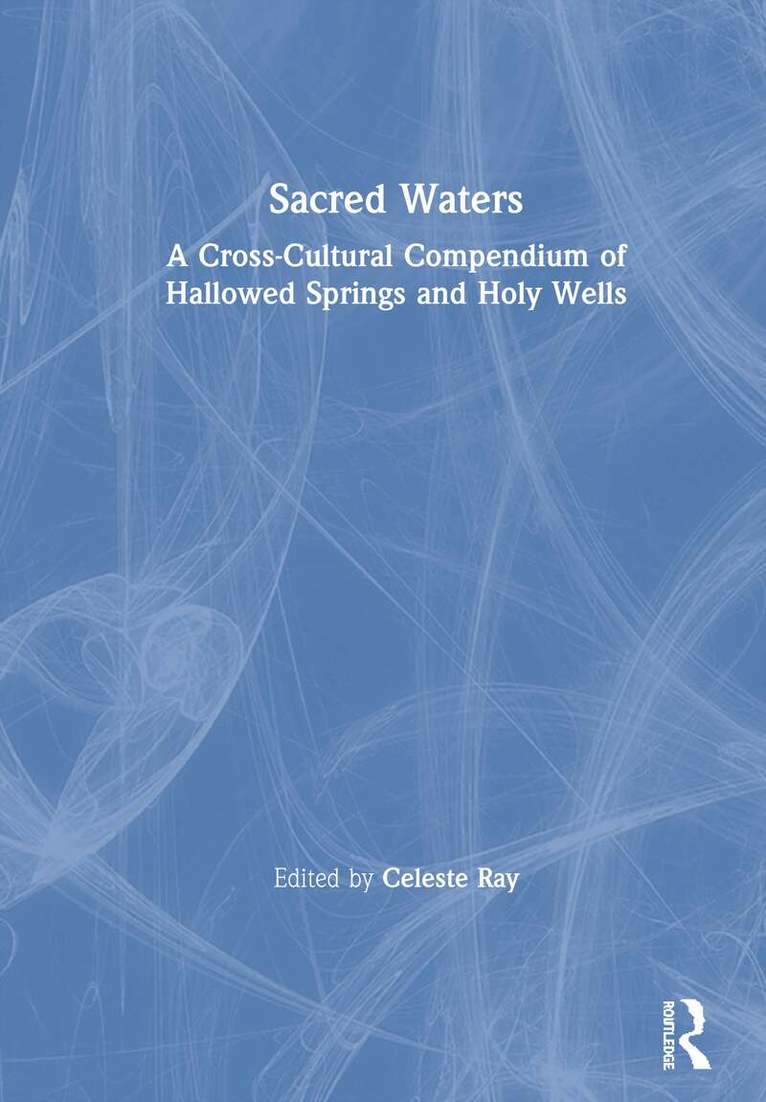
Describing sacred waters and their associated traditions in over thirty countries and across multiple time periods, this book identifies patterns in panhuman hydrolatry. Supplying life’s most basic daily need, freshwater sources were likely the earliest sacred sites, and the first protected and contested resource. Guarded by taboos, rites and supermundane forces, freshwater sources have also been considered thresholds to otherworlds. Often associated also with venerated stones, trees and healing flora, sacred water sources are sites of biocultural diversity. Addressing themes that will shape future water research, this volume examines cultural perceptions of water’s sacrality that can be employed to foster resilient human–environmental relationships in the growing water crises of the twenty-first century. The work combines perspectives from anthropology, archaeology, classics, folklore, geography, geology, history, literature and religious studies.
807 kr
Läs direkt efter köp
Describing sacred waters and their associated traditions in over thirty countries and across multiple time periods, this book identifies patterns in panhuman hydrolatry. Supplying life’s most basic daily need, freshwater sources were likely the earliest sacred sites, and the first protected and contested resource. Guarded by taboos, rites and supermundane forces, freshwater sources have also been considered thresholds to otherworlds. Often associated also with venerated stones, trees and healing flora, sacred water sources are sites of biocultural diversity. Addressing themes that will shape future water research, this volume examines cultural perceptions of water’s sacrality that can be employed to foster resilient human–environmental relationships in the growing water crises of the twenty-first century. The work combines perspectives from anthropology, archaeology, classics, folklore, geography, geology, history, literature and religious studies.
831 kr
Läs direkt efter köp
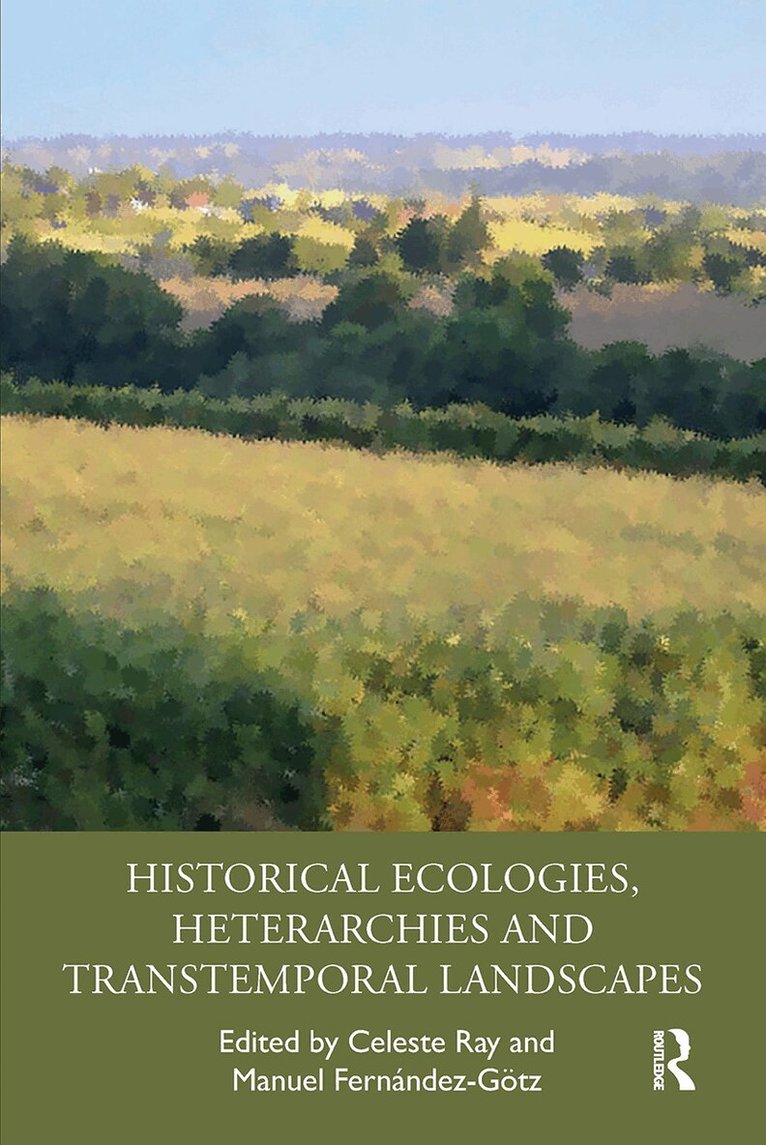
Interlacing varied approaches within Historical Ecology, this volume offers new routes to researching and understanding human–environmental interactions and the heterarchical power relations that shape both socioecological change and resilience over time. Historical Ecology draws from archaeology, archival research, ethnography, the humanities and the biophysical sciences to merge the history of the Earth’s biophysical system with the history of humanity.
Considering landscape as the spatial manifestation of the relations between humans and their environments through time, the authors in this volume examine the multi-directional power dynamics that have shaped settlement, agrarian, monumental and ritual landscapes through the long-term field projects they have pursued around the globe.
Examining both biocultural stability and change through the longue durée in different regions, these essays highlight intersectionality and counterpoised power flows to demonstrate that alongside and in spite of hierarchical ideologies, the daily life of power is heterarchical. Knowledge of transtemporal human–environmental relationships is necessary for strategizing socioecological resilience. Historical Ecology shows how the past can be useful to the future.
831 kr
Läs direkt efter köp
Interlacing varied approaches within Historical Ecology, this volume offers new routes to researching and understanding human–environmental interactions and the heterarchical power relations that shape both socioecological change and resilience over time. Historical Ecology draws from archaeology, archival research, ethnography, the humanities and the biophysical sciences to merge the history of the Earth’s biophysical system with the history of humanity.
Considering landscape as the spatial manifestation of the relations between humans and their environments through time, the authors in this volume examine the multi-directional power dynamics that have shaped settlement, agrarian, monumental and ritual landscapes through the long-term field projects they have pursued around the globe.
Examining both biocultural stability and change through the longue durée in different regions, these essays highlight intersectionality and counterpoised power flows to demonstrate that alongside and in spite of hierarchical ideologies, the daily life of power is heterarchical. Knowledge of transtemporal human–environmental relationships is necessary for strategizing socioecological resilience. Historical Ecology shows how the past can be useful to the future.
347 kr
Läs direkt efter köp
1 558 kr
Läs direkt efter köp
337 kr
Läs direkt efter köp
511 kr
Skickas
337 kr
Läs direkt efter köp
277 kr
Läs direkt efter köp