Manuel Fernandez-Gotz – författare
Visar alla böcker från författaren Manuel Fernandez-Gotz. Handla med fri frakt och snabb leverans.
8 produkter
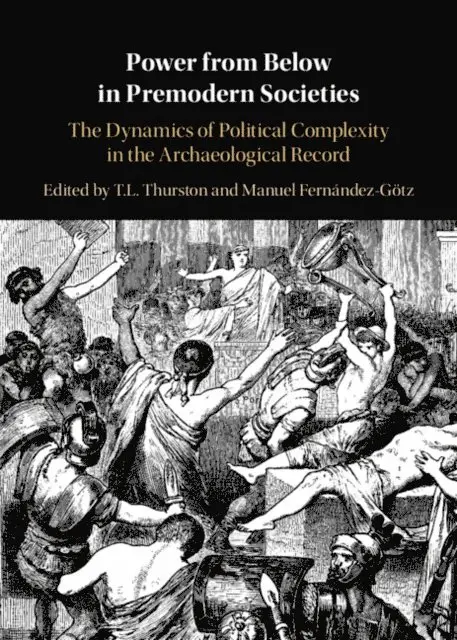
Power from Below in Premodern Societies
The Dynamics of Political Complexity in the Archaeological Record
Av Manuel Fernandez-Gotz, T. L. Thurston
E-bok, 2021
1347 kr
Lägg i varukorg
This volume challenges previous views of social organization focused on elites by offering innovative perspectives on ''power from below.'' Using a variety of archaeological, anthropological, and historical data to question traditional narratives of complexity as inextricably linked to top-down …
Power from Below in Premodern Societies
The Dynamics of Political Complexity in the Archaeological Record
Av Manuel Fernandez-Gotz, T. L. Thurston
E-bok, 2021
1377 kr
Lägg i varukorg
This volume challenges previous views of social organization focused on elites by offering innovative perspectives on ''power from below.'' Using a variety of archaeological, anthropological, and historical data to question traditional narratives of complexity as inextricably linked to top-down …
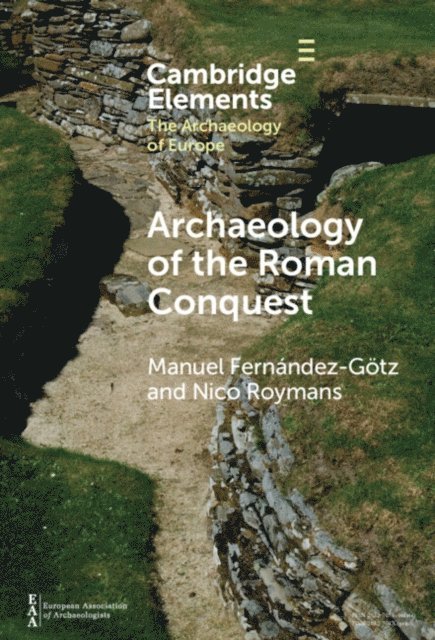
Archaeology of the Roman Conquest
Tracing the Legions, Reclaiming the Conquered
Av Nico Roymans, Manuel Fernandez-Gotz
E-bok, 2024
296 kr
Lägg i varukorg
Archaeology of the Roman Conquest
Tracing the Legions, Reclaiming the Conquered
Av Nico Roymans, Manuel Fernandez-Gotz
E-bok, 2024
303 kr
Lägg i varukorg
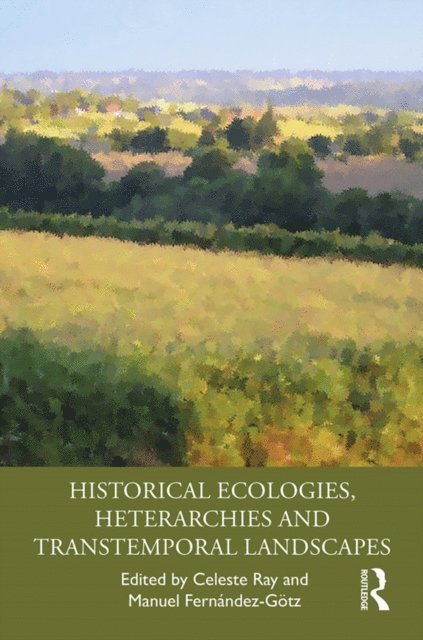
Historical Ecologies, Heterarchies and Transtemporal Landscapes
Av Manuel Fernandez-Gotz, Celeste Ray
E-bok, 2019
892 kr
Lägg i varukorg
Interlacing varied approaches within Historical Ecology, this volume offers new routes to researching and understanding human–environmental interactions and the heterarchical power relations that shape both socioecological change and resilience over time. Historical Ecology draws from archaeology, …
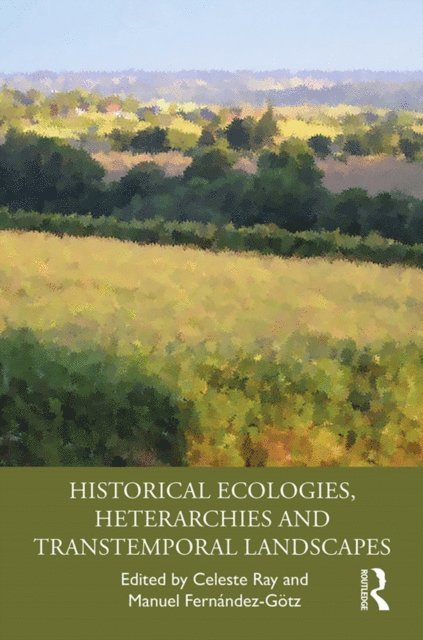
Historical Ecologies, Heterarchies and Transtemporal Landscapes
Av Manuel Fernandez-Gotz, Celeste Ray
E-bok, 2019
873 kr
Lägg i varukorg
Interlacing varied approaches within Historical Ecology, this volume offers new routes to researching and understanding human–environmental interactions and the heterarchical power relations that shape both socioecological change and resilience over time. Historical Ecology draws from archaeology, …
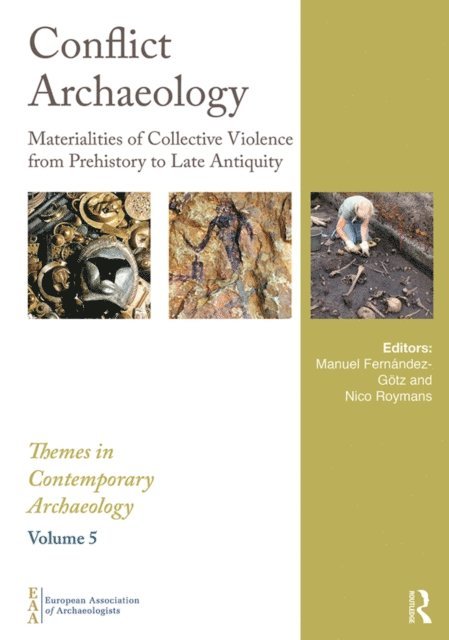
Conflict Archaeology
Materialities of Collective Violence from Prehistory to Late Antiquity
Av Nico Roymans, Manuel Fernandez-Gotz
E-bok, 2017
698 kr
Lägg i varukorg
In the past two decades, conflict archaeology has become firmly established as a promising field of research, as reflected in publications, symposia, conference sessions and fieldwork projects. It has its origins in the study of battlefields and other conflict-related phenomena in the modern Era, …
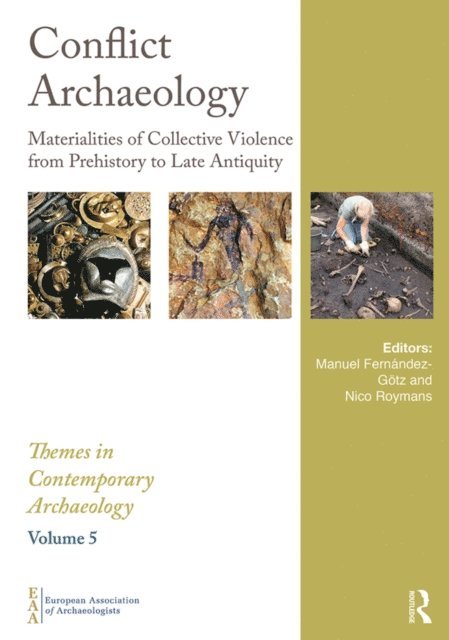
Conflict Archaeology
Materialities of Collective Violence from Prehistory to Late Antiquity
Av Nico Roymans, Manuel Fernandez-Gotz
E-bok, 2017
714 kr
Lägg i varukorg
In the past two decades, conflict archaeology has become firmly established as a promising field of research, as reflected in publications, symposia, conference sessions and fieldwork projects. It has its origins in the study of battlefields and other conflict-related phenomena in the modern Era, …