Cesare Romano - Böcker
Visar alla böcker från författaren Cesare Romano. Handla med fri frakt och snabb leverans.
4 produkter
4 produkter
1 846 kr
Skickas inom 7-10 vardagar
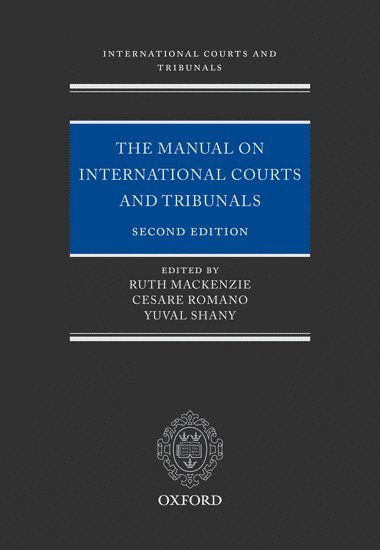
The dramatic rise in the number of international courts and tribunals and the expansion of their legal powers has been one of the most significant developments in international law of the late 20th century. The emergence of an international judiciary provided international law with a stronger than ever law enforcement apparatus, and facilitated the transformation of many aspects of international relations from being power-based to being law-based.The first edition of the Manual on International Courts and Tribunals, published in 1999, was the first book to survey systematically this new institutional landscape, by describing in an accessible and uniformly structured manner the legal powers and operating procedures of all major international judicial and quasi-judicial bodies. In doing so, it laid the groundwork for comparative study and research of the law and practice of international courts and tribunals - an emerging field of international legal research, which has already spurred a series of publications, conferences and academic courses. This second edition updates the first edition by describing the many legal changes that have taken place in the last decade, including important reforms in the laws and procedures of many international courts and tribunals, relevant developments in their increasingly rich jurisprudence and the creation of new judicial fora. Moreover, it assesses the overall record of these judicial bodies. The data and legal analysis offered in the book provide both practitioners and academics with an important basis of knowledge that will help them better understand the details of international adjudication and its context.
1 912 kr
Skickas inom 10-15 vardagar
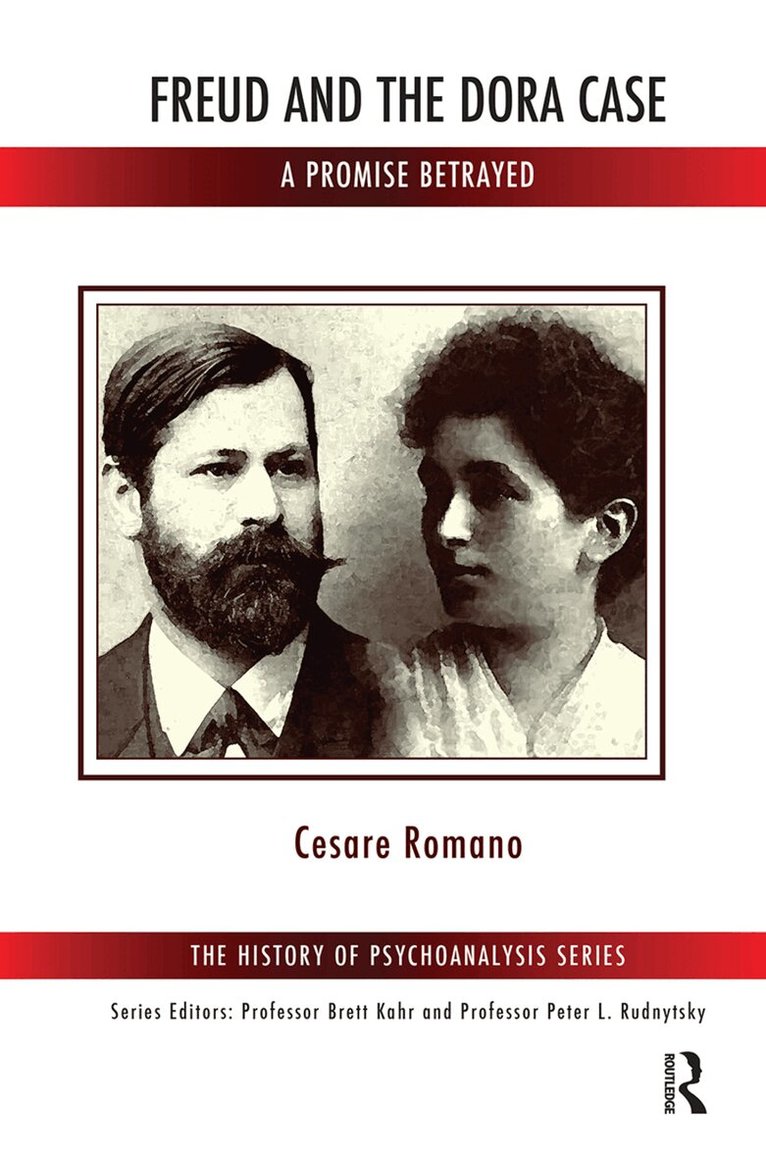
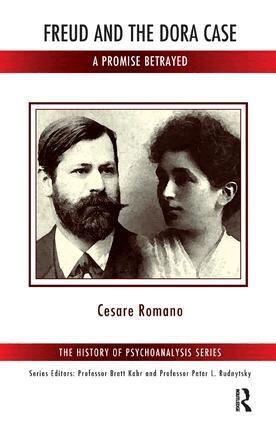
Cesare Romano revisits Dora's clinical case in light of Freud's own seduction theory. His central thesis is that Freud failed to follow through with his initial proposition of confirming his theories on the traumatic aetiology of hysteria. He also suggests a new dating for the duration of Dora's therapy, placing the beginning of the analysis within the context of Freud's concurrent and recent life events. A detailed analysis of Dora's first dream shows that Freud did not go back to Dora's first infantile traumas, but stopped instead at the period of her infantile masturbation. In analysing this dream, Romano's theory begins to take shape around the idea that Dora suffered an early trauma: possibly, a sexual abuse inflicted by her father. Drawing on Ferenczi, the author uses the notion of the 'traumatolytic function of the dream' to show that Dora, through her two dreams, was elaborating her early sexual trauma. Dora's analysis is investigated alongside what was happening in Freud's life at the time of the therapy.
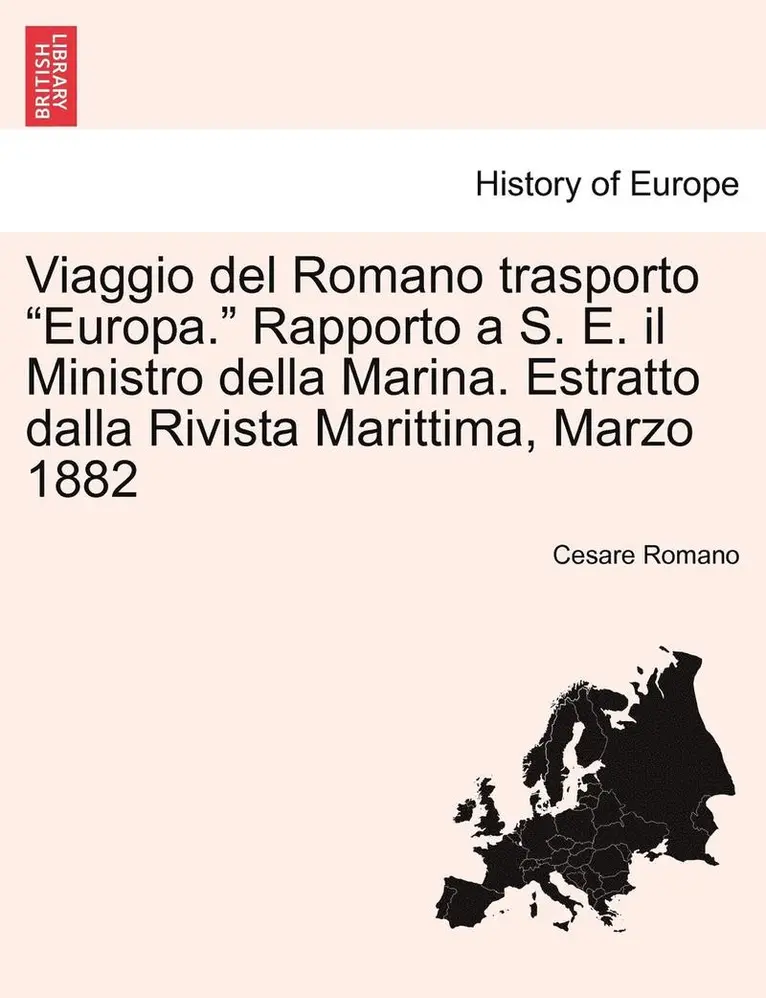
Viaggio del Romano Trasporto Europa. Rapporto A S. E. Il Ministro Della Marina. Estratto Dalla Rivista Marittima, Marzo 1882
Häftad, Italienska, 2015
238 kr
Skickas inom 5-8 vardagar
513 kr
Skickas inom 10-15 vardagar
Cesare Romano revisits Dora's clinical case in light of Freud's own seduction theory. His central thesis is that Freud failed to follow through with his initial proposition of confirming his theories on the traumatic aetiology of hysteria. He also suggests a new dating for the duration of Dora's therapy, placing the beginning of the analysis within the context of Freud's concurrent and recent life events.A detailed analysis of Dora's first dream shows that Freud did not go back to Dora's first infantile traumas, but stopped instead at the period of her infantile masturbation. In analysing this dream, Romano's theory begins to take shape around the idea that Dora suffered an early trauma: possibly, a sexual abuse inflicted by her father. Drawing on Ferenczi, the author uses the notion of the 'traumatolytic function of the dream' to show that Dora, through her two dreams, was elaborating her early sexual trauma.Dora's analysis is investigated alongside what was happening in Freud's life at the time of the therapy. It was a time of upheaval, including the breaking off of his friendship and transferential relationship with Fliess, and the erotically nuanced relationship with his sister-in-law Minna. Romano demonstrates how these real-life events and the experiences they entailed reflect on Dora's therapy, modulating Freud's countertransference.