Char Ullman - Böcker
Visar alla böcker från författaren Char Ullman. Handla med fri frakt och snabb leverans.
6 produkter
6 produkter
560 kr
Skickas inom 10-15 vardagar
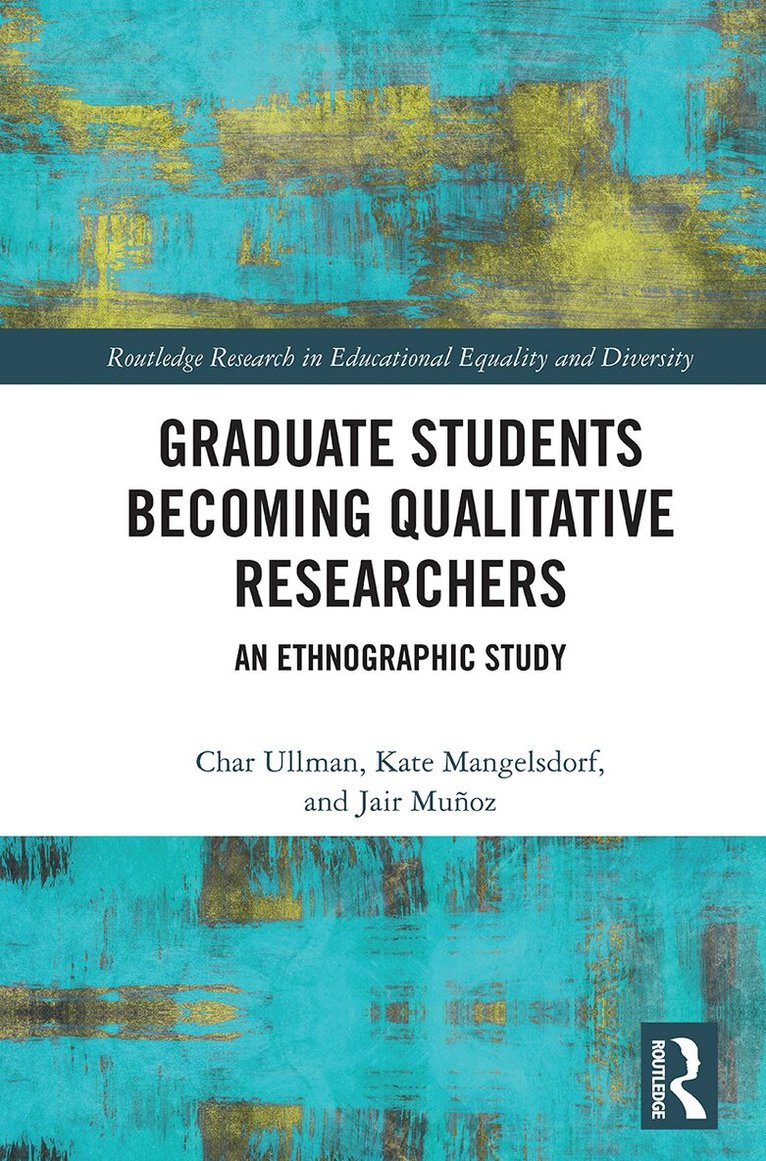
Through conducting an ethnographic study about doctoral students from traditionally underrepresented groups who are learning to conduct ethnographic research, this volume offers unique insight into the challenges and experiences through which these students develop their skills and identities as qualitative researchers. Foregrounding the stories and perspectives of students from minority backgrounds including Latinx, Black, differently abled, and queer students, Graduate Students Becoming Qualitative Researchers identifies how the process of learning to conduct ethnographic research underpins doctoral students’ success, confidence, and persistence in the academy. Chapters follow students during a one-year ethnographic research course during which they learn about ethnography, and also conduct observations, write field notes, interview participants, and gather artifacts. Offering important pedagogical insights into how ethnography and academic writing are communicated, the text also tackles questions of access and diversity within scholarship and highlights barriers to first-generation and minoritized students' success, including impostor syndrome, stereotype vulnerability, and access to time, knowledge, and capital.This volume will prove valuable to doctoral students, postgraduate researchers, scholars, and educators conducting qualitative research across the fields of education and rhetoric, as well as the humanities and social sciences. It will also appeal to those interested in multiculturalism and diversity within the education sector.
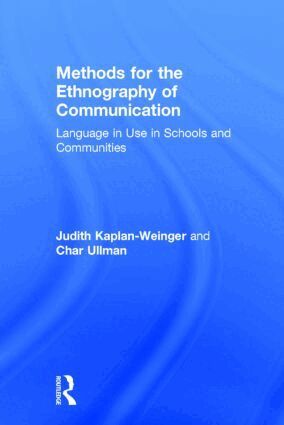
Methods for the Ethnography of Communication
Language in Use in Schools and Communities
Inbunden, Engelska, 2014
1 418 kr
Tillfälligt slut
Methods for the Ethnography of Communication is a guide to conducting ethnographic research in classroom and community settings that introduces students to the field of ethnography of communication, and takes them through the recursive and nonlinear cycle of ethnographic research. Drawing on the mnemonic that Hymes used to develop the Ethnography of SPEAKING, the authors introduce the innovative CULTURES framework to provide a helpful structure for moving through the complex process of collecting and analyzing ethnographic data and addresses the larger "how-to" questions that students struggle with when undertaking ethnographic research. Exercises and activities help students make the connection between communicative events, acts, and situations and ways of studying them ethnographically. Integrating a primary focus on language in use within an ethnographic framework makes this book an invaluable core text for courses on ethnography of communication and related areas in a variety of disciplines.
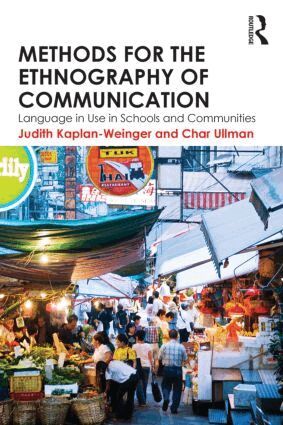
Methods for the Ethnography of Communication
Language in Use in Schools and Communities
Häftad, Engelska, 2014
1 037 kr
Tillfälligt slut
Methods for the Ethnography of Communication is a guide to conducting ethnographic research in classroom and community settings that introduces students to the field of ethnography of communication, and takes them through the recursive and nonlinear cycle of ethnographic research. Drawing on the mnemonic that Hymes used to develop the Ethnography of SPEAKING, the authors introduce the innovative CULTURES framework to provide a helpful structure for moving through the complex process of collecting and analyzing ethnographic data and addresses the larger "how-to" questions that students struggle with when undertaking ethnographic research. Exercises and activities help students make the connection between communicative events, acts, and situations and ways of studying them ethnographically. Integrating a primary focus on language in use within an ethnographic framework makes this book an invaluable core text for courses on ethnography of communication and related areas in a variety of disciplines.
Globalization and Corporatization of Education
Limits and Liminality of the Market Mantra
Inbunden, Engelska, 2013
1 297 kr
Skickas inom 10-15 vardagar
The forces associated with globalization, whether economic or social, have conditioned the ways educators operate, and have profoundly altered people’s experiences of both formal and informal education. Globalization, as a multidimensional, multilevel process, is unequivocally, but not exclusively, based on the economics of neoliberalism. This book chronicles new sites of tension in education that are a result of an ever-globalizing economy and its accompanying neoliberal practices in the United States, Costa Rica, and the US territories in the Caribbean. The contributions are grouped into two areas: institutionalized schooling practices and non-formal educational practices that focus on identities and language.Each chapter questions the neoliberal market mantra that education must be rebranded into a marketable product and consumed by individuals, making a complex and compelling ethnographic argument that the market mantra is bankrupt. The authors argue that globalization produces liminal subjects and leads to the destruction of social institutions like education that are essential to democratic governance. The aim of each article is to uniquely disentangle the dynamics of the process, so as to resolve the mystery of how globally inspired paradigms and policies mix with locally defined structures and cultures. In assessing globalization’s relationship to educational change, we need to know how globalization and its ideological packaging affect schooling, from transnational paradigms, to national policies and to local practices.This book was originally published as a special issue of the International Journal of Qualitative Studies in Education.
2 029 kr
Skickas inom 10-15 vardagar
Through conducting an ethnographic study about doctoral students from traditionally underrepresented groups who are learning to conduct ethnographic research, this volume offers unique insight into the challenges and experiences through which these students develop their skills and identities as qualitative researchers. Foregrounding the stories and perspectives of students from minority backgrounds including Latinx, Black, differently abled, and queer students, Graduate Students Becoming Qualitative Researchers identifies how the process of learning to conduct ethnographic research underpins doctoral students’ success, confidence, and persistence in the academy. Chapters follow students during a one-year ethnographic research course during which they learn about ethnography, and also conduct observations, write field notes, interview participants, and gather artifacts. Offering important pedagogical insights into how ethnography and academic writing are communicated, the text also tackles questions of access and diversity within scholarship and highlights barriers to first-generation and minoritized students' success, including impostor syndrome, stereotype vulnerability, and access to time, knowledge, and capital.This volume will prove valuable to doctoral students, postgraduate researchers, scholars, and educators conducting qualitative research across the fields of education and rhetoric, as well as the humanities and social sciences. It will also appeal to those interested in multiculturalism and diversity within the education sector.
Globalization and Corporatization of Education
Limits and Liminality of the Market Mantra
Häftad, Engelska, 2015
468 kr
Skickas inom 10-15 vardagar
The forces associated with globalization, whether economic or social, have conditioned the ways educators operate, and have profoundly altered people’s experiences of both formal and informal education. Globalization, as a multidimensional, multilevel process, is unequivocally, but not exclusively, based on the economics of neoliberalism. This book chronicles new sites of tension in education that are a result of an ever-globalizing economy and its accompanying neoliberal practices in the United States, Costa Rica, and the US territories in the Caribbean. The contributions are grouped into two areas: institutionalized schooling practices and non-formal educational practices that focus on identities and language.Each chapter questions the neoliberal market mantra that education must be rebranded into a marketable product and consumed by individuals, making a complex and compelling ethnographic argument that the market mantra is bankrupt. The authors argue that globalization produces liminal subjects and leads to the destruction of social institutions like education that are essential to democratic governance. The aim of each article is to uniquely disentangle the dynamics of the process, so as to resolve the mystery of how globally inspired paradigms and policies mix with locally defined structures and cultures. In assessing globalization’s relationship to educational change, we need to know how globalization and its ideological packaging affect schooling, from transnational paradigms, to national policies and to local practices.This book was originally published as a special issue of the International Journal of Qualitative Studies in Education.