Charissa N. Terranova - Böcker
Visar alla böcker från författaren Charissa N. Terranova. Handla med fri frakt och snabb leverans.
10 produkter
10 produkter
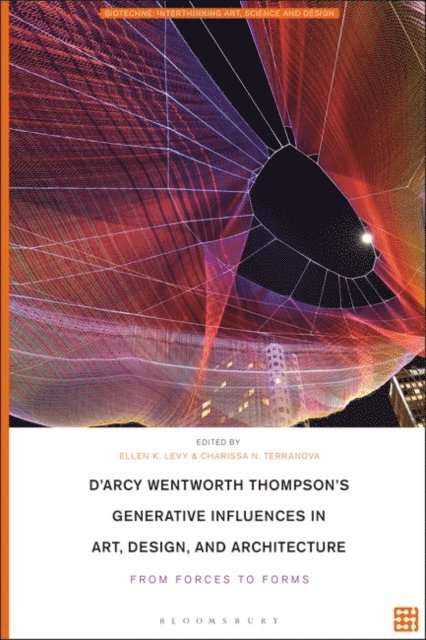
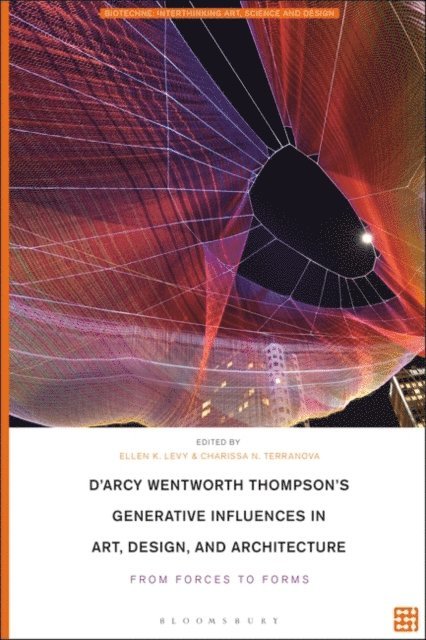
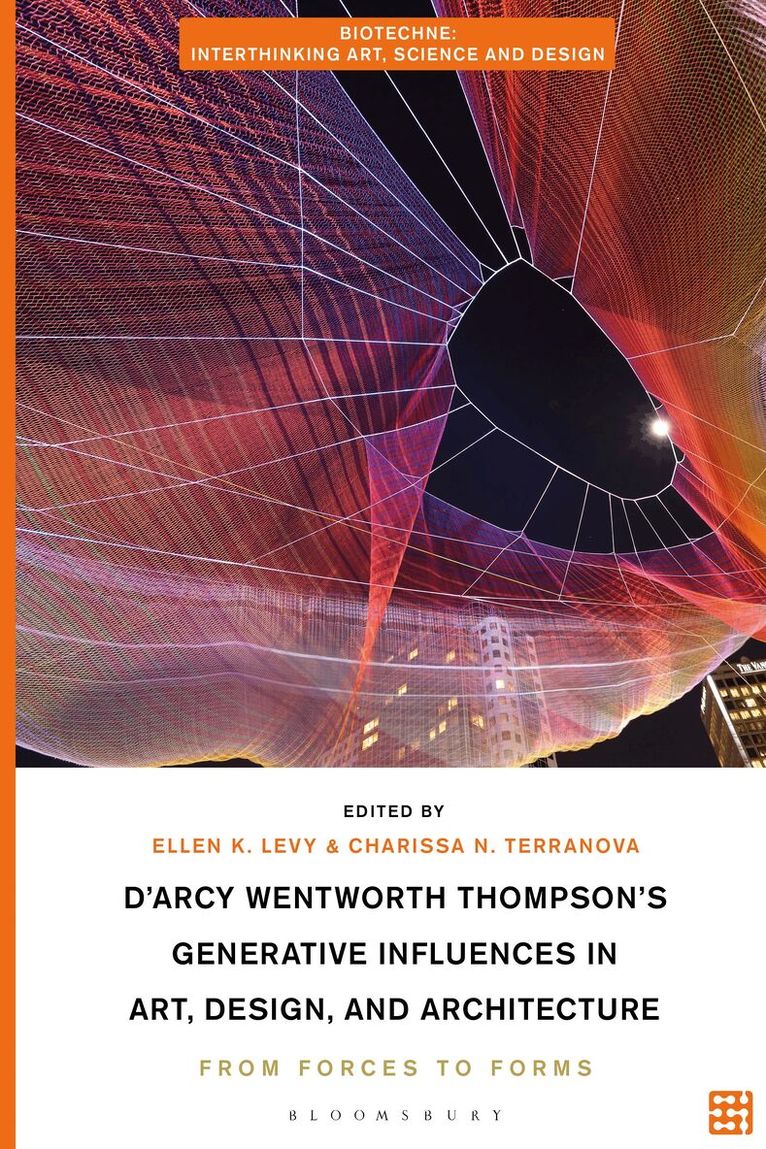
D'Arcy Wentworth Thompson's Generative Influences in Art, Design, and Architecture
From Forces to Forms
Häftad, Engelska, 2023
358 kr
Skickas inom 7-10 vardagar
Scottish zoologist D’Arcy Wentworth Thompson’s visionary ideas in On Growth and Form continue to evolve a century after its publication, aligning it with current developments in art and science. Practitioners, theorists, and historians from art, science, and design reflect on his ongoing influence. Overall, the anthology links evolutionary theory to form generation in both scientific and cultural domains. It offers a close look at the ways cells, organisms, and rules become generative in fields often otherwise disconnected. United by Thompson’s original exploration of how physical forces propel and shape living and nonliving forms, essays range from art, art history, and neuroscience to architecture, design, and biology. Contributors explore how translations are made from the discipline of biology to the cultural arena. They reflect on how Thompson’s study relates to the current sciences of epigenesis, self-organization, biological complex systems, and the expanded evolutionary synthesis. Cross-disciplinary contributors explore the wide-ranging aesthetic ramifications of these sciences. A timeline links the history of evolutionary theory with cultural achievements, providing the reader with a valuable resource.
1 291 kr
Skickas inom 7-10 vardagar
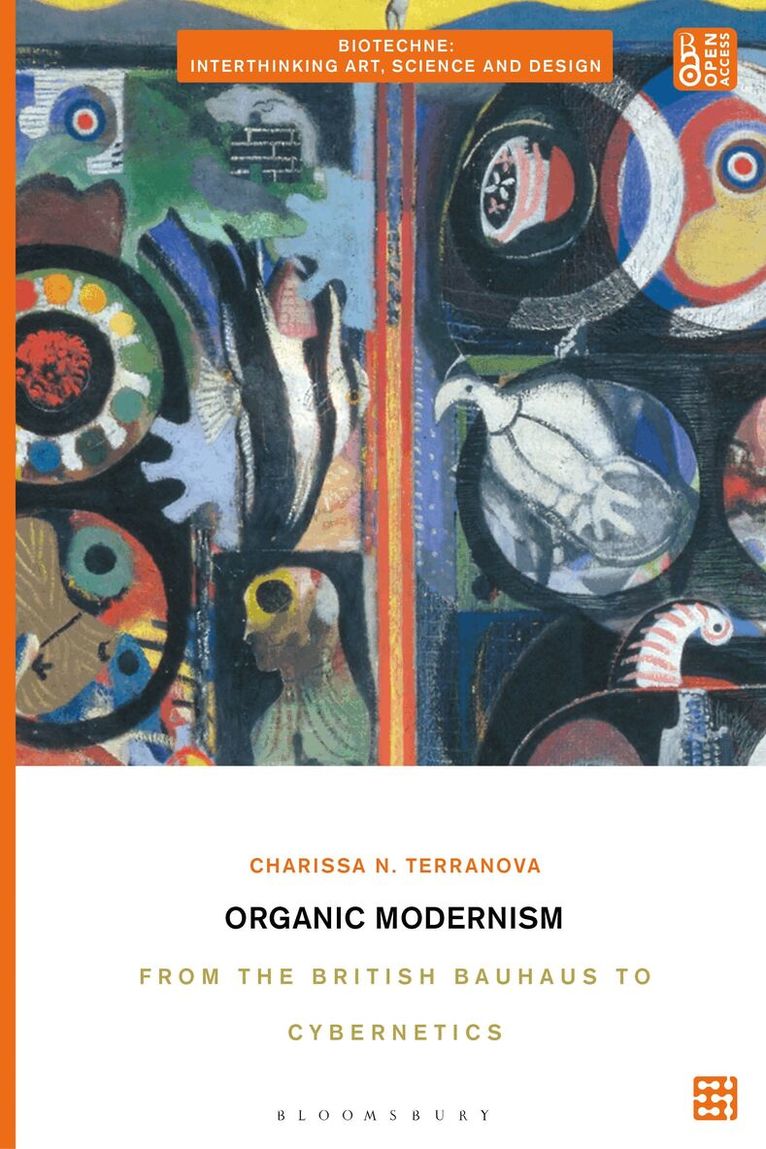
When artists, scientists, and designers unite they create new ways of thinking and alternative paths to problem solving.The first book to trace the story of British "organic modernism", this ground-breaking open access study tells the story of a collective culture of artists, scientists, and designers in 20th century united by a holistic understanding of the organic world and devoted to collaboration, cooperation, and cross-pollination of the arts and biological sciences.Tracing how artists, scientists, and designers cooperated in various capacities from the Great Depression to postwar cybernetics, this book follows the evolution of philosophical organicism from the British Bauhaus, modern architecture, and surrealism; through to post-war socialism, the welfare state, epigenetics, biology-based art exhibitions; robotic art and design, cybernetics and ecology in art. Reacting against blunt reductionism, organic modernists implemented organicist and emergentist philosophies in scientific labs, design studios, and art ateliers, embracing complexity to solve problems in various scales and arenas, from cells to socialism. Their actions offer a template for finding meaningful agency and problem solving in today's world fraught by global climate disaster, ever-expanding economic inequalities, and backsliding democracyA sequel to Terranova's Art as Organism: Biology and the Evolution of the Digital Image (2016), Organic Modernism reveals the biological roots of cybernetics in the British context.The ebook editions of this book are available open access under a CC BY-NC-ND 4.0 licence on bloomsburycollections.com. Open access was funded by the Edith O'Donnell Institute of Art History.
499 kr
Kommande
When artists, scientists, and designers unite they create new ways of thinking and alternative paths to problem solving.The first book to trace the story of British "organic modernism", this ground-breaking open access study tells the story of a collective culture of artists, scientists, and designers in 20th century united by a holistic understanding of the organic world and devoted to collaboration, cooperation, and cross-pollination of the arts and biological sciences.Tracing how artists, scientists, and designers cooperated in various capacities from the Great Depression to postwar cybernetics, this book follows the evolution of philosophical organicism from the British Bauhaus, modern architecture, and surrealism; through to post-war socialism, the welfare state, epigenetics, biology-based art exhibitions; robotic art and design, cybernetics and ecology in art. Reacting against blunt reductionism, organic modernists implemented organicist and emergentist philosophies in scientific labs, design studios, and art ateliers, embracing complexity to solve problems in various scales and arenas, from cells to socialism. Their actions offer a template for finding meaningful agency and problem solving in today's world fraught by global climate disaster, ever-expanding economic inequalities, and backsliding democracyA sequel to Terranova's Art as Organism: Biology and the Evolution of the Digital Image (2016), Organic Modernism reveals the biological roots of cybernetics in the British context.The ebook editions of this book are available open access under a CC BY-NC-ND 4.0 licence on bloomsburycollections.com. Open access was funded by the Edith O'Donnell Institute of Art History.
361 kr
Skickas inom 7-10 vardagar
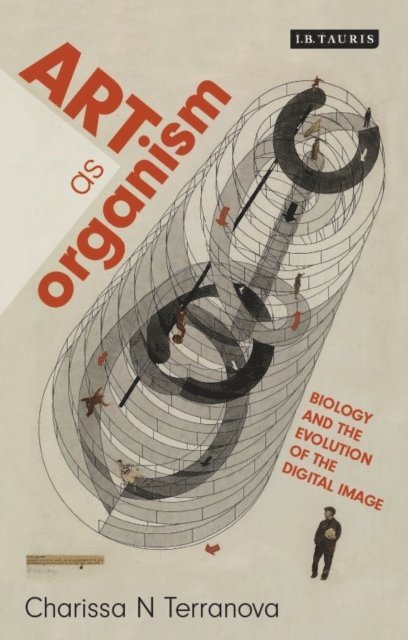
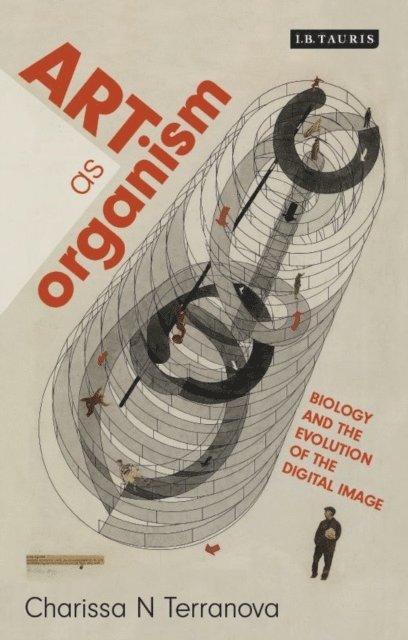
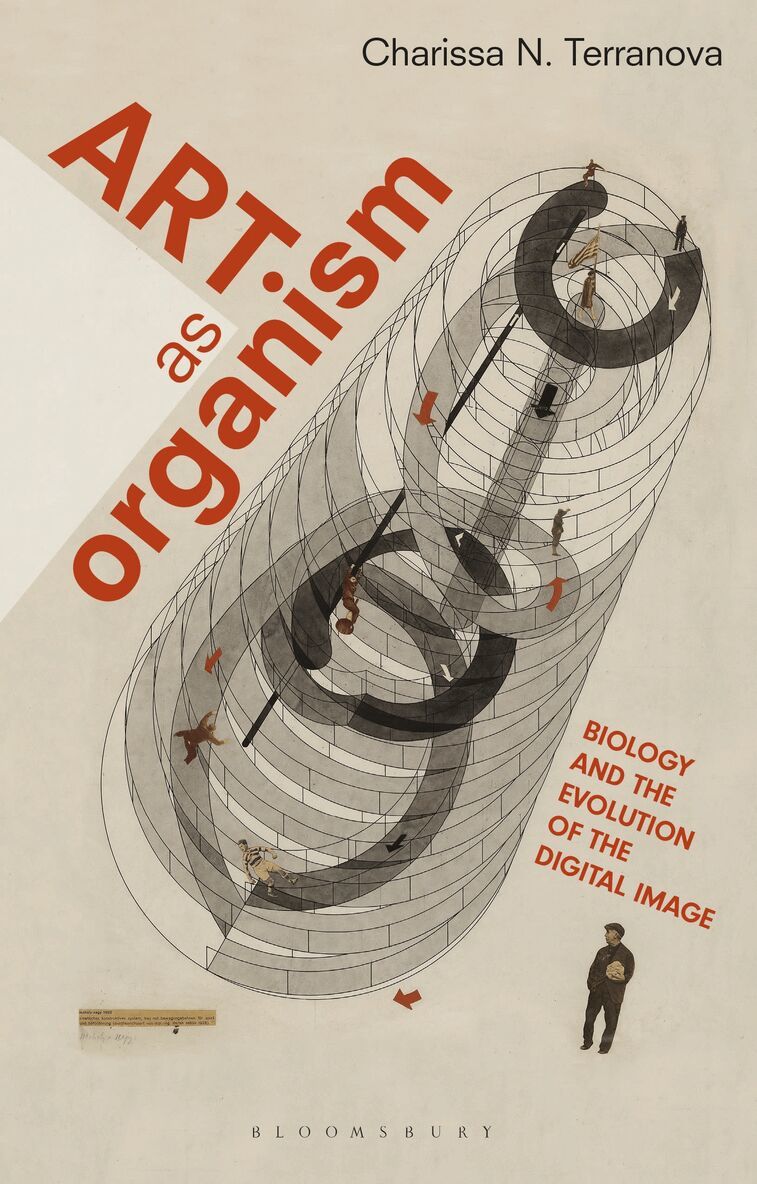
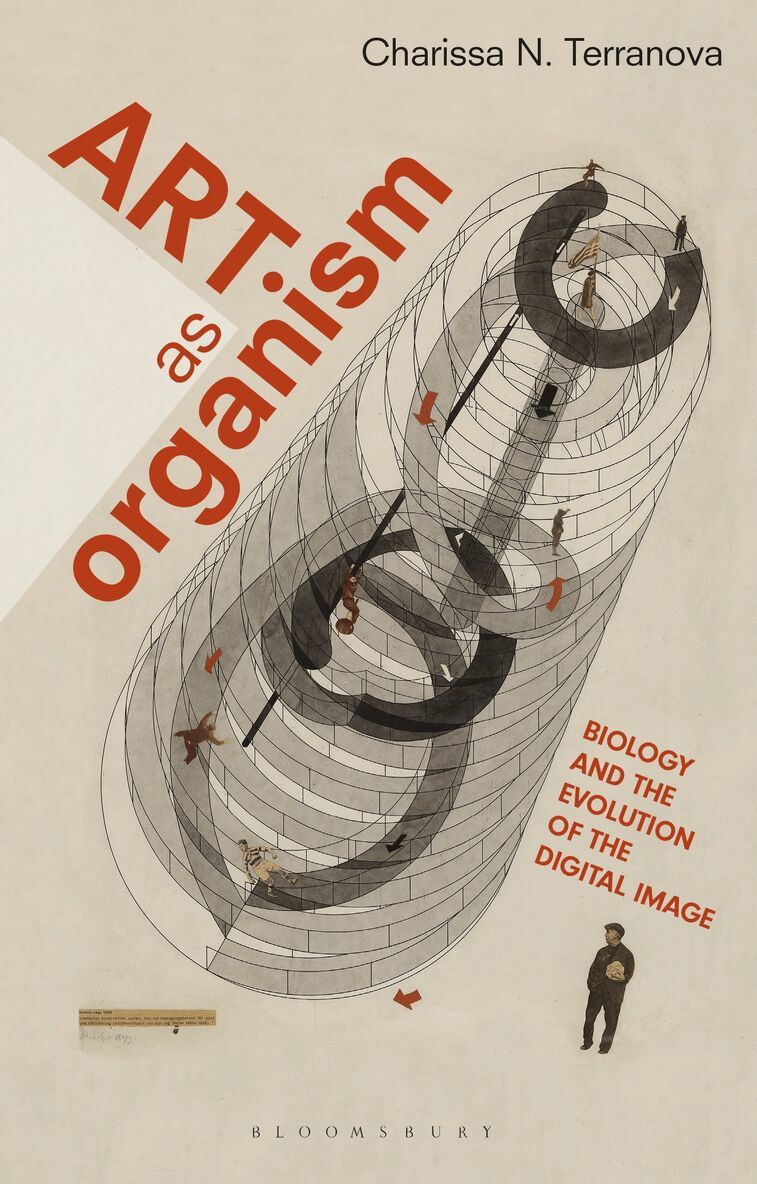
Art as Organism shows that the digital image was a rich and expansive artistic medium of modernism. Linking its emergence to the dispersion of biocentric aesthetic philosophies developed by Bauhaus pedagogue Laszlo Moholy-Nagy, from 1920s Berlin to the Massachusetts Institute of Technology in the 1970s, Charissa Terranova uncovers seminal but overlooked references to biology, the organism, feedback loops, emotions, and the Gestalt, along with an intricate genealogy of related thinkers across disciplines. Unearthing a forgotten narrative of modernism, one which charts the influence that biology, General Systems Theory, and cybernetics had on modern art, Terranova interprets new major art movements such as the Bauhaus, Op Art, and Experiments in Art and Technology by referencing contemporary insights from architects, embryologists, electrical engineers, and computer scientists. From kinetic and interactive art to early computer art and installations spanning an entire city, this book charts complex connections between visual culture, science and technology that comprise the deep history of 20th-century art.
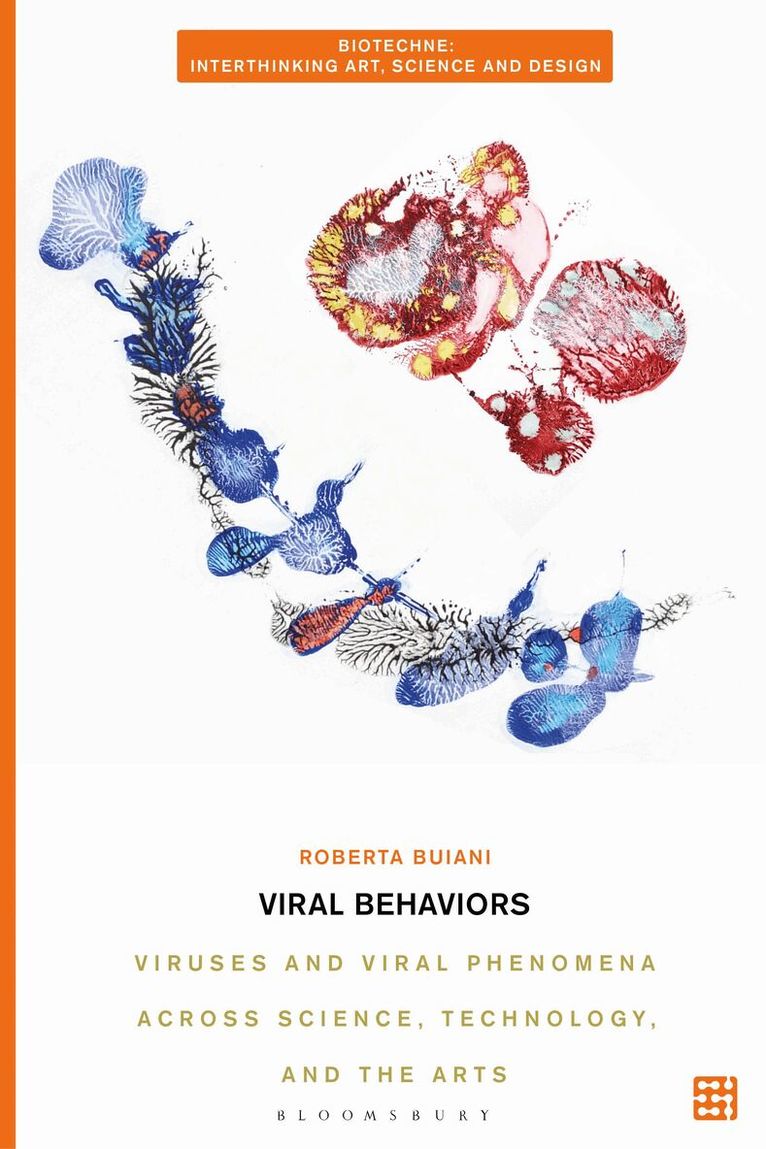
Viral Behaviors
Viruses and Viral Phenomena across Science, Technology, and the Arts
Inbunden, Engelska, 2024
1 291 kr
Skickas inom 7-10 vardagar
In a new era of global virology that requires novel methodologies to improve the comprehension of viruses and viral phenomena, Viral Behaviors explores the cultural, material, and artistic significance of viral agents.Across a rich variety of case studies stemming from different areas of interest—covering literature, the graphic arts and scientific visualization, as well as performance, installation and bioart—this book asks whether embracing the complexity of viruses, rather than obsessively measuring, dissecting, or precisely mapping their parts and manifestations, may provide new methodological directions in the intersection of scientific thinking and artistic practice. The book examines the struggles and successes of science and technology to tame the elusive nature and behavior of viruses, and the potential of art-based and cross-disciplinary collaborations to better communicate their complex making and intense entanglement with the world at large. Combining perspectives from art, philosophy, science and technology, it places biological and informational viruses alongside each other, revealing that, while the two types of agents affect the world in very different ways, their histories and manifestations contain surprising similarities that speak to a cultural continuum. Viral Behaviors unravels the extraordinary mobility of viruses across disciplines, and their intersection with all aspects of culture, rather than their import within one specific disciplinary realm. It shows how the numerous attempts by artists, scientists and professionals to tackle, represent and appropriate viruses, and their intricate dynamism, can lead to new nuanced and sophisticated understandings of these substances and their related phenomena, and reveals the contribution of non-measurable or non-traditional practices in their construction and dissemination.
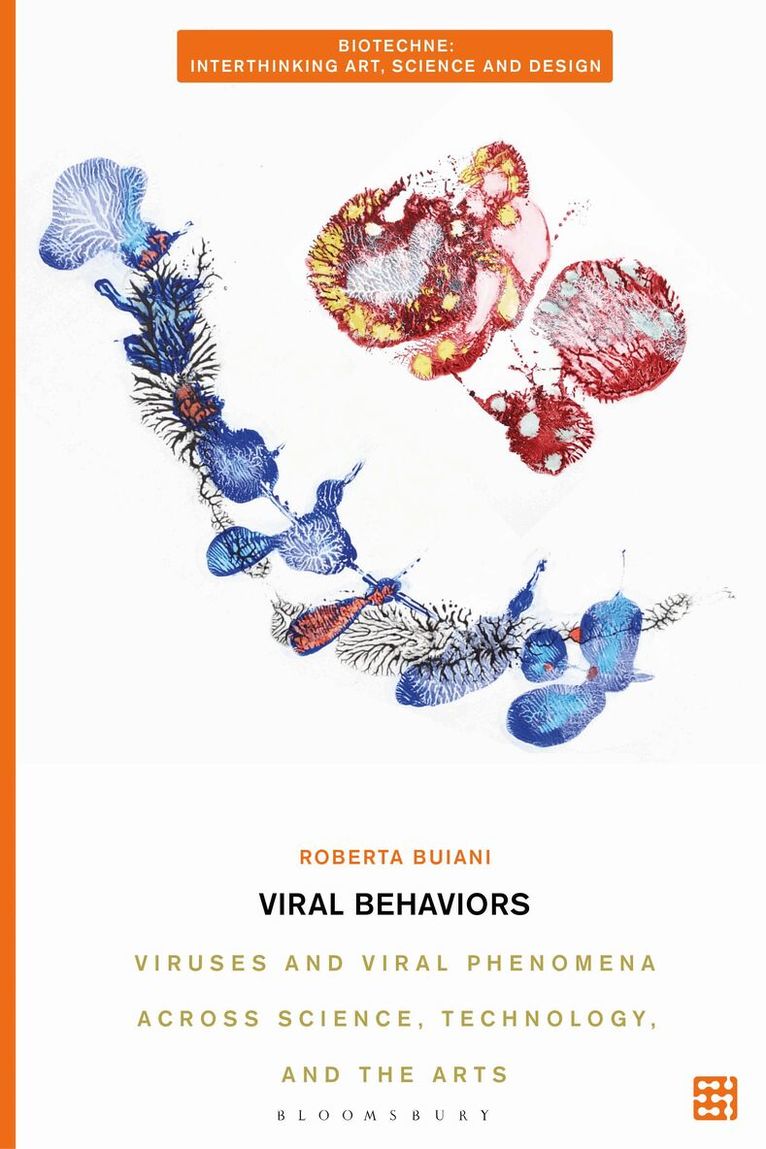
Viral Behaviors
Viruses and Viral Phenomena across Science, Technology, and the Arts
Häftad, Engelska, 2026
406 kr
Skickas inom 10-15 vardagar
In a new era of global virology that requires novel methodologies to improve the comprehension of viruses and viral phenomena, Viral Behaviors explores the cultural, material, and artistic significance of viral agents.Across a rich variety of case studies stemming from different areas of interest—covering literature, the graphic arts and scientific visualization, as well as performance, installation and bioart—this book asks whether embracing the complexity of viruses, rather than obsessively measuring, dissecting, or precisely mapping their parts and manifestations, may provide new methodological directions in the intersection of scientific thinking and artistic practice. The book examines the struggles and successes of science and technology to tame the elusive nature and behavior of viruses, and the potential of art-based and cross-disciplinary collaborations to better communicate their complex making and intense entanglement with the world at large. Combining perspectives from art, philosophy, science and technology, it places biological and informational viruses alongside each other, revealing that, while the two types of agents affect the world in very different ways, their histories and manifestations contain surprising similarities that speak to a cultural continuum. Viral Behaviors unravels the extraordinary mobility of viruses across disciplines, and their intersection with all aspects of culture, rather than their import within one specific disciplinary realm. It shows how the numerous attempts by artists, scientists and professionals to tackle, represent and appropriate viruses, and their intricate dynamism, can lead to new nuanced and sophisticated understandings of these substances and their related phenomena, and reveals the contribution of non-measurable or non-traditional practices in their construction and dissemination.
1 156 kr
Skickas inom 7-10 vardagar
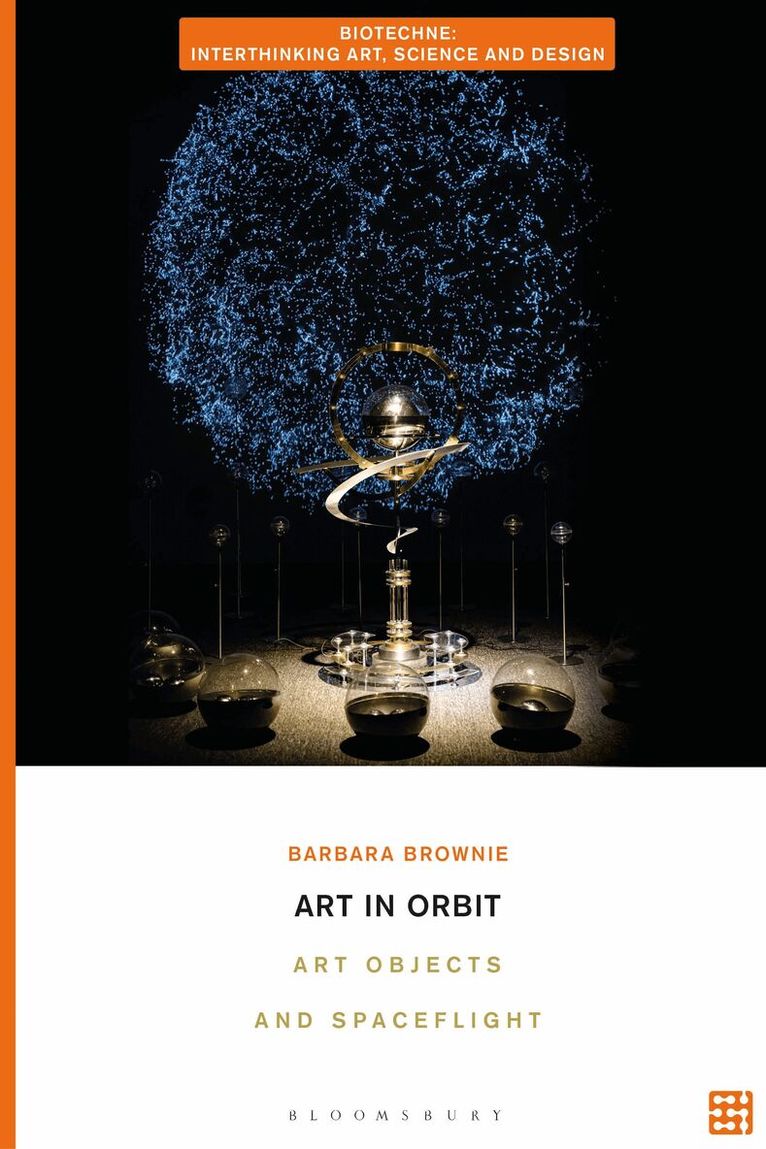
What role do the visual arts play in the emerging commercial spaceflight industry, and vice versa? This book considers the relationship between art practice and space science, presenting new methodologies for art-sci collaboration informed by non-terrestrial contexts. Regarded widely as an irreverent luxury accessible to only a select few, commercial space exploration seems an unlikely setting for contemporary art practice. However, faced with the inevitability of this developing industry and the new environments it presents, a new field of creative practice is emerging. In Art in Orbit design theorist Barbara Brownie argues that these new environments offer novel opportunities that are yet to be fully recognized by the creative industries.Throughout the book, Brownie explores the contexts, questions, challenges and opportunities for creative exploration of form, materials, and the body, in space. Drawing on original research in the STEAM subjects, the book highlights how artists, engineers, and theorists have begun working in close collaboration to reconsider practices that have been taken for granted throughout the history of art practice, demonstrating how ideas about orientation, weight, balance, and the familiar behaviours of art and craft materials are all radically altered in the microgravity of orbital space.The research presented is supplemented by 9 original case studies from sculpture, craft, performance, and land art, together with exclusive interviews with artists who have produced work for space. Taking an original, critical approach to the spaceflight sector, Art in Orbit sets out to define a new field of artistic practice and the real-world impact of art-sci collaboration. It provides a template for developing new narrative strategies for space projects which will engage artists, scientists, and collaborative teams from across disciplines.
499 kr
Kommande
377 kr
Skickas inom 10-15 vardagar
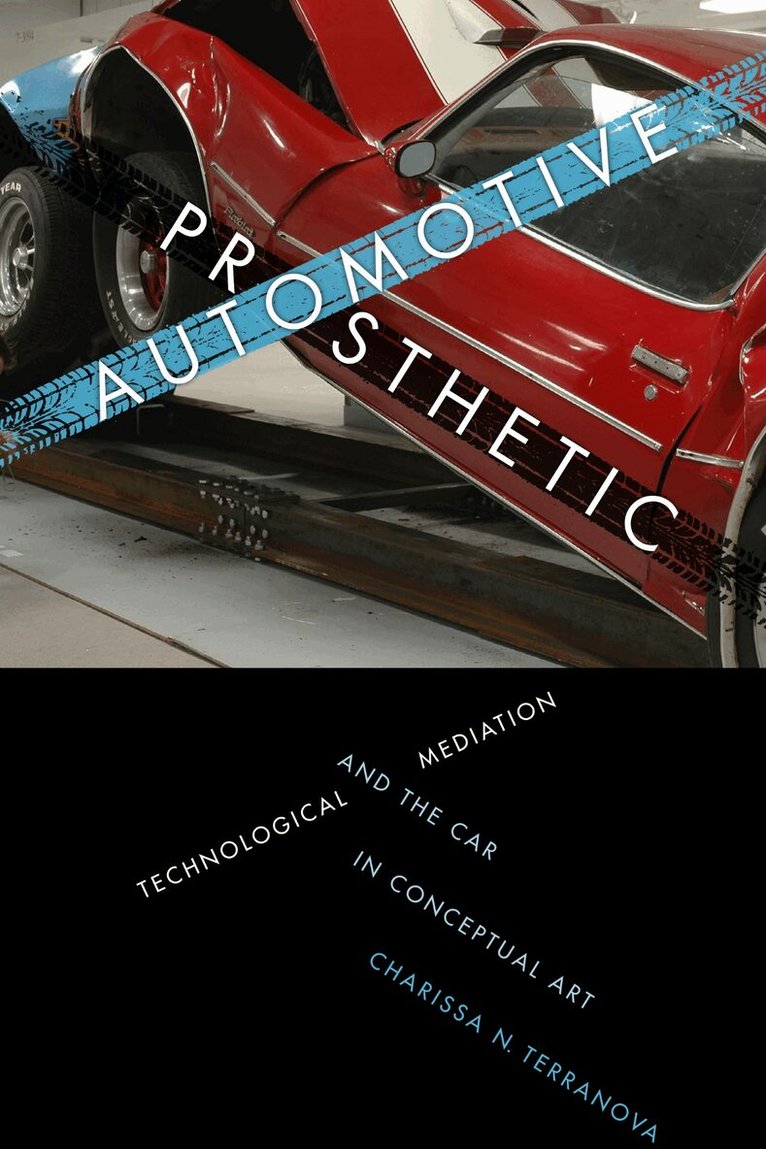
In the twenty-first century, we are continually confronted with the existential side of technology-the relationships between identity and the mechanizations that have become extensions of the self. Focusing on one of humanity’s most ubiquitous machines, Automotive Prosthetic: Technological Mediation and the Car in Conceptual Art combines critical theory and new media theory to form the first philosophical analysis of the car within works of conceptual art. These works are broadly defined to encompass a wide range of creative expressions, particularly in car-based conceptual art by both older, established artists and younger, emerging artists, including Ed Ruscha, Martha Rosler, Richard Prince, Sylvie Fleury, Yael Bartana, Jeremy Deller, and Jonathan Schipper.At its core, the book offers an alternative formation of conceptual art understood according to technology, the body moving through space, and what art historian, curator, and artist Jack Burnham calls “relations.” This thought-provoking study illuminates the ways in which the automobile becomes a naturalized extension of the human body, incarnating new forms of “car art” and spurring a technological reframing of conceptual art. Steeped in a sophisticated take on the image and semiotics of the car, the chapters probe the politics of materialism as well as high/low debates about taste, culture, and art. The result is a highly innovative approach to contemporary intersections of art and technology.
1 888 kr
Skickas inom 10-15 vardagar
In this groundbreaking book, Charissa Terranova unearths a forgotten narrative of modernism, which charts the influence that biology, General Systems Theory and cybernetics had on art in the twentieth century. From kinetic and interactive art to early computer art and installations spanning an entire city, she shows that the digital image was a rich and expansive artistic medium of modernism. This book links the emergence of the digital image to the dispersion of biocentric aesthetic philosophies developed by Bauhaus pedagogue Laszlo Moholy-Nagy, from 1920s Berlin to the Massachusetts Institute of Technology in the 1970s. It uncovers seminal but overlooked references to biology, the organism, feedback loops, emotions and the Gestalt, along with an intricate genealogy of related thinkers across disciplines. Terranova interprets anew major art movements such as the Bauhaus, Op Art and Experiments in Art and Technology (E.A.T.), by referencing contemporary insights from architects, embryologists, electrical engineers and computer scientists, among others.This book reveals the complex connections between visual culture, science and technology that comprise the deep history of twentieth-century art.