Charles E. Orser Jr. - Böcker
Visar alla böcker från författaren Charles E. Orser Jr.. Handla med fri frakt och snabb leverans.
19 produkter
19 produkter
551 kr
Skickas inom 10-15 vardagar
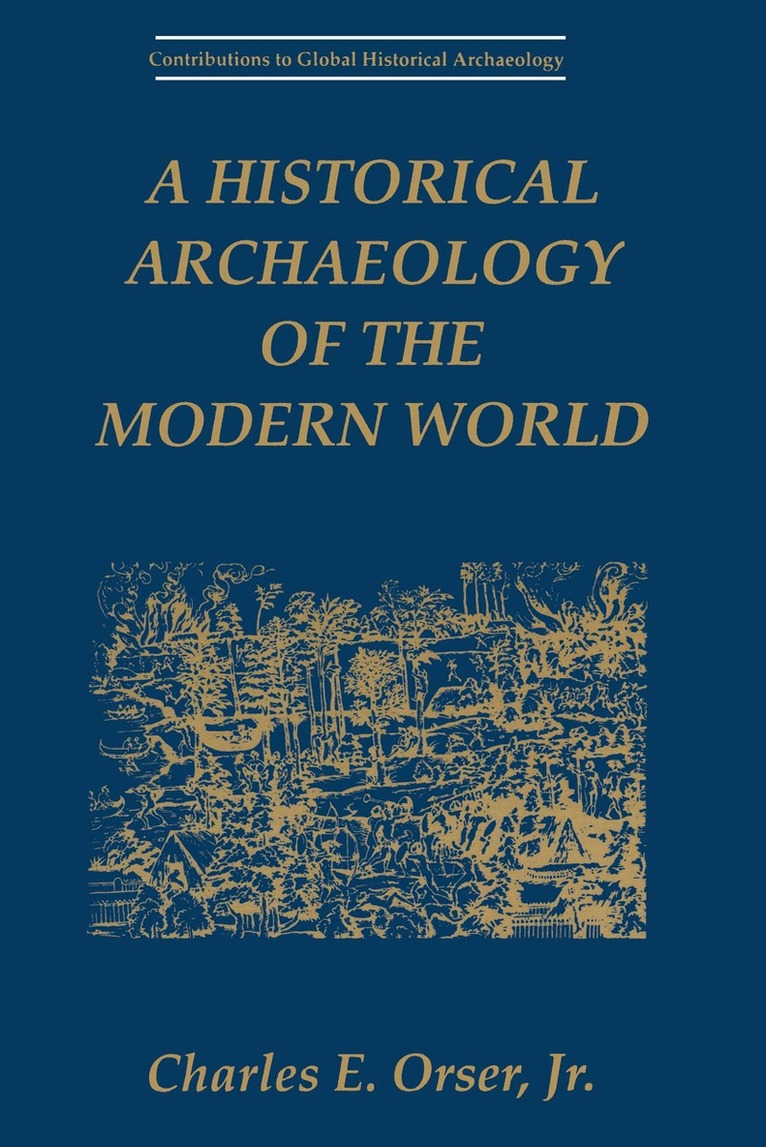
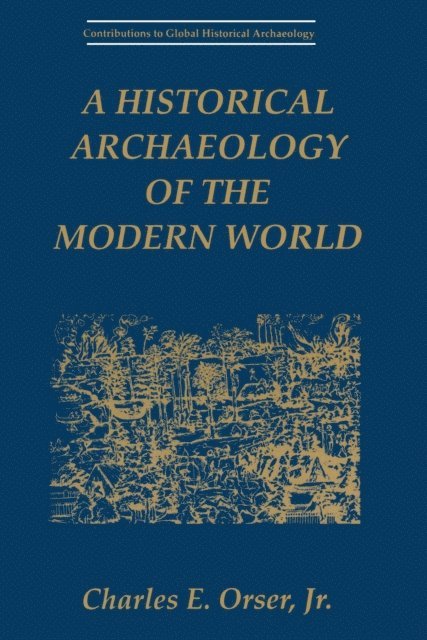
This unique book offers a theoretical framework for historical archaeology that explicitly relies on network theory. Charles E. Orser, Jr., demonstrates the need to examine the impact of colonialism, Eurocentrism, capitalism, and modernity on all archaeological sites inhabited after 1492 and shows how these large-scale forces create a link among all the sites. Orser investigates the connections between a seventeenth-century runaway slave kingdom in Palmares, Brazil and an early nineteenth-century peasant village in central Ireland. Studying artifacts, landscapes, and social inequalities in these two vastly different cultures, the author explores how the archaeology of fugitive Brazilian slaves and poor Irish farmers illustrates his theoretical concepts. His research underscores how network theory is largely unknown in historical archaeology and how few historical archaeologists apply a global perspective in their studies. A Historical Archaeology of the Modern World features data and illustrations from two previously unknown sites and includes such intriguing findings as the provenance of ancient Brazilian smoking pipes that will be new to historical archaeologists.
914 kr
Skickas inom 10-15 vardagar
Scholars who investigate race-a label based upon real or perceived physical differences-realize that they face a formidable task. The concept has been contested and condoned, debated and denied throughout modern history. Presented with the full understanding of the complexity of the issue, Race and Practice in Archaeological Interpretation concentrates on the archaeological analysis of race and how race is determined in the archaeological record.Most archaeologists, even those dealing with recent history, have usually avoided the subject of race, yet Charles E. Orser, Jr., contends that its study and its implications are extremely important for the science of archaeology. Drawing upon his considerable experience as an archaeologist, and using a combination of practice theory as interpreted by Pierre Bourdieu and spatial theory as presented by Henri Lefebvre, Orser argues for an explicit archaeology of race and its interpretation.The author reviews past archaeological usages of race, including a case study from early nineteenth-century Ireland, and explores the way race was used to form ideas about the Mound Builders, the Celts, and Atlantis. He concludes with a proposal that historical archaeology-cast as modern-world archaeology-should take the lead in the archaeological analysis of race because its purview is the recent past, that period during which our conceptions of race developed.
268 kr
Skickas inom 10-15 vardagar
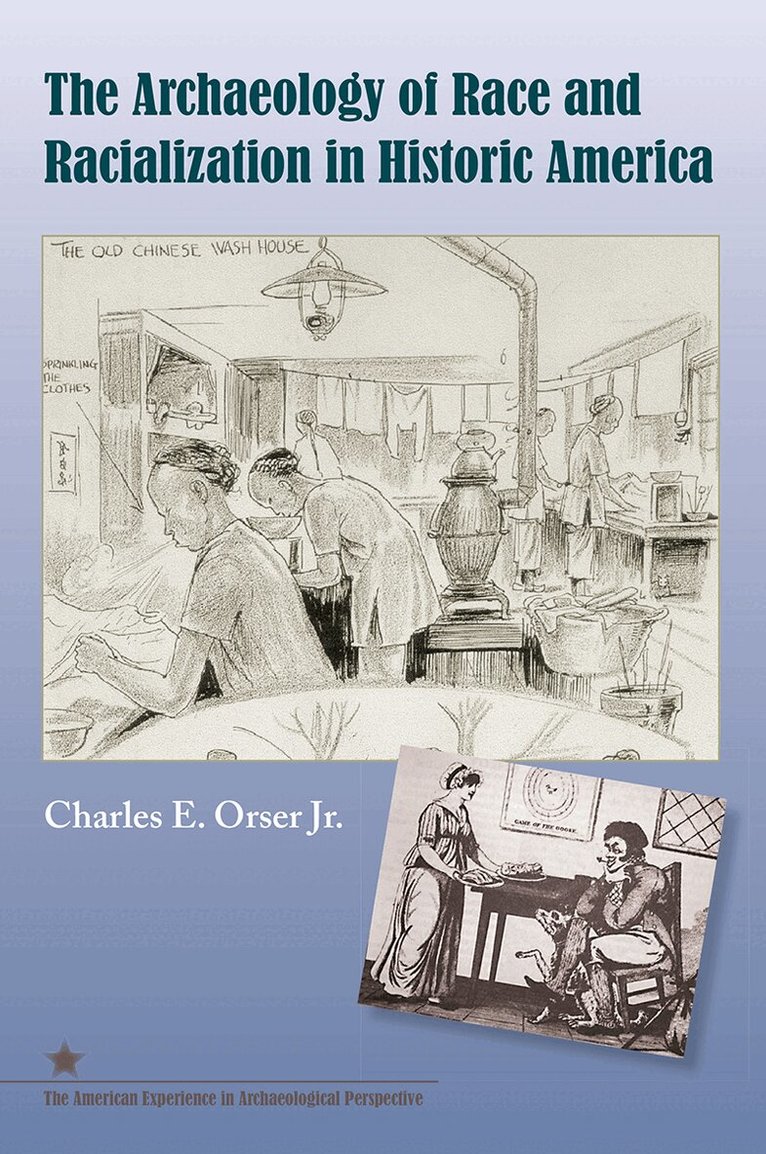
With the advent of this book, the ability of archaeologists to contribute to the study of race no longer can be doubted. By focusing on ""racialization,"" the marginalizing process in which racial categories are imposed on groups of people based on some outward characteristic, Charles Orser shows how historical archaeology can contribute to the study of race through the conscious examination of material culture. He demonstrates this in two case studies, one from the Five Points excavation in New York City focusing on an immigrant Irish population, the second from a Chinese laundry in Stockton, California. Orser argues that race has not always been defined by skin color; through time, its meaning has changed. The process of racialization has marked most groups who came to the United States in the nineteenth and early twentieth centuries; this book demonstrates ways that historical archaeology can contribute to understanding a fundamental element of the American immigrant experience.
941 kr
Skickas inom 10-15 vardagar
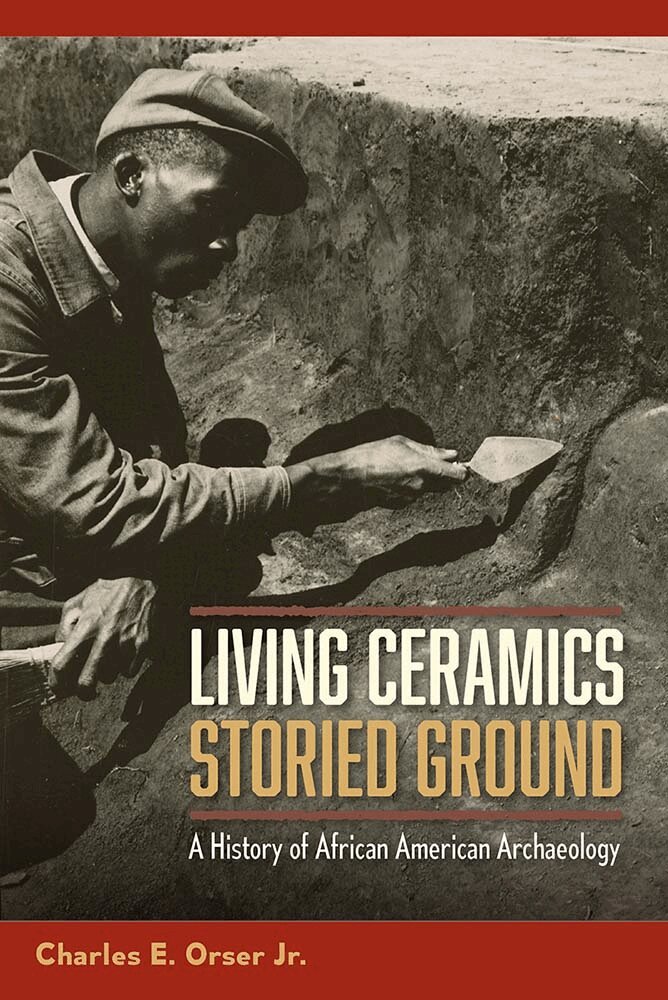
The role of historical archaeology in the study of African diaspora history and culture.Exploring the archaeological study of enslavement and emancipation in the United States, this book discusses significant findings, the attitudes and approaches of past researchers, and the development of the field. Living Ceramics, Storied Ground highlights the ways historical archaeology can contribute to the study of African diaspora history and culture, as much of the daily life of enslaved people was not captured through written records but is evidenced in the materials and objects left behind.Including debates about cultural survivals in the 1920s, efforts to find “Africanisms” at Kingsley plantation in the 1960s, and the realization—as late as the 1970s—that colonoware pottery was created by enslaved people, Charles Orser looks at the influential and often mistaken ideas of prominent anthropologists, archaeologists, and historians. Extending to the present, Orser describes how archaeology better recognizes and appreciates the variety and richness of African American culture during slavery, due in large part to the Black archaeologists, past and present, who have worked to counter racism in the field.While acknowledging the colonial legacy of archaeology, Charles Orser outlines the ways the discipline has benefitted by adopting antiracist principles and partnerships with descendant communities. This book points to the contributions of excavators and researchers whose roles have been overlooked and anticipates exciting future work in African American archaeology. Publication of this work made possible by a Sustaining the Humanities through the American Rescue Plan grant from the National Endowment for the Humanities.
378 kr
Skickas inom 10-15 vardagar
The role of historical archaeology in the study of African diaspora history and culture.Exploring the archaeological study of enslavement and emancipation in the United States, this book discusses significant findings, the attitudes and approaches of past researchers, and the development of the field. Living Ceramics, Storied Ground highlights the ways historical archaeology can contribute to the study of African diaspora history and culture, as much of the daily life of enslaved people was not captured through written records but is evidenced in the materials and objects left behind.Including debates about cultural survivals in the 1920s, efforts to find “Africanisms” at Kingsley plantation in the 1960s, and the realization—as late as the 1970s—that colonoware pottery was created by enslaved people, Charles Orser looks at the influential and often mistaken ideas of prominent anthropologists, archaeologists, and historians. Extending to the present, Orser describes how archaeology better recognizes and appreciates the variety and richness of African American culture during slavery, due in large part to the Black archaeologists, past and present, who have worked to counter racism in the field.While acknowledging the colonial legacy of archaeology, Charles Orser outlines the ways the discipline has benefitted by adopting antiracist principles and partnerships with descendant communities. This book points to the contributions of excavators and researchers whose roles have been overlooked and anticipates exciting future work in African American archaeology. Publication of this work made possible by a Sustaining the Humanities through the American Rescue Plan grant from the National Endowment for the Humanities.
705 kr
Skickas inom 10-15 vardagar
The Routledge Handbook of Global Historical Archaeology is a multi-authored compendium of articles on specific topics of interest to today’s historical archaeologists, offering perspectives on the current state of research and collectively outlining future directions for the field.The broad range of topics covered in this volume allows for specificity within individual chapters, while building to a cumulative overview of the field of historical archaeology as it stands, and where it could go next. Archaeological research is discussed in the context of current sociological concerns, different approaches and techniques are assessed, and potential advances are posited. This is a comprehensive treatment of the sub-discipline, engaging key contemporary debates, and providing a series of specially-commissioned geographical overviews to complement the more theoretical explorations. This book is designed to offer a starting point for students who may wish to pursue particular topics in more depth, as well as for non-archaeologists who have an interest in historical archaeology. Archaeologists, historians, preservationists, and all scholars interested in the role historical archaeology plays in illuminating daily life during the past five centuries will find this volume engaging and enlightening.
552 kr
Skickas inom 10-15 vardagar
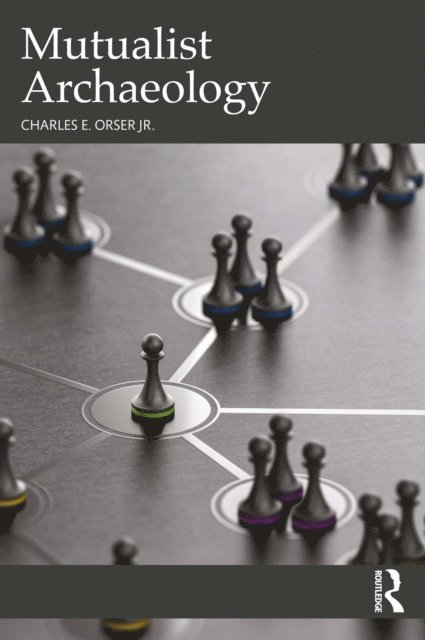
Mutualist Archaeology proposes that the theory of mutualism can transform archaeology from what someconsider to be a discipline in crisis.This book argues that the methodological and practical applications of mutualism can transform both the practice of archaeology and the way that interpretations of the past are created. Nineteenth-century theories of capitalism and Darwinism led many to assume that competition, both in the present and the past, was the most natural process in the world. Despite the tenacity of the competitive argument, this book highlights another way of seeing the natural and human world, beneficial association, or mutualism. Chapters set out how mutualist theory can offer differing perspectives on the many historical contexts archaeologists investigate, such as exchange and social complexity, as well as how archaeologists work together. Until now, no archaeologist has explicitly explored the richness that exists within mutualism, and in addition to providing a useful research perspective, mutualist theory also has profound implications for the practice of contemporary archaeology, including the drive to decolonize archaeological practice.Introducing mutualist theory and its significance for archaeological research, this book is for researchers and students of archaeological theory and archaeologists looking for new ways to view the discipline.
2 012 kr
Skickas inom 10-15 vardagar
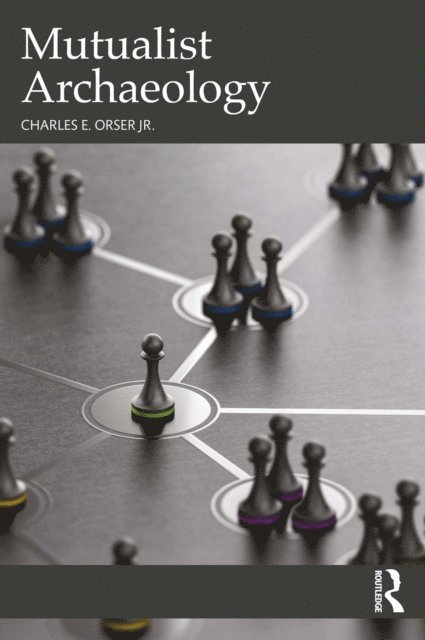
Mutualist Archaeology proposes that the theory of mutualism can transform archaeology from what someconsider to be a discipline in crisis.This book argues that the methodological and practical applications of mutualism can transform both the practice of archaeology and the way that interpretations of the past are created. Nineteenth-century theories of capitalism and Darwinism led many to assume that competition, both in the present and the past, was the most natural process in the world. Despite the tenacity of the competitive argument, this book highlights another way of seeing the natural and human world, beneficial association, or mutualism. Chapters set out how mutualist theory can offer differing perspectives on the many historical contexts archaeologists investigate, such as exchange and social complexity, as well as how archaeologists work together. Until now, no archaeologist has explicitly explored the richness that exists within mutualism, and in addition to providing a useful research perspective, mutualist theory also has profound implications for the practice of contemporary archaeology, including the drive to decolonize archaeological practice.Introducing mutualist theory and its significance for archaeological research, this book is for researchers and students of archaeological theory and archaeologists looking for new ways to view the discipline.
1 802 kr
Kommande
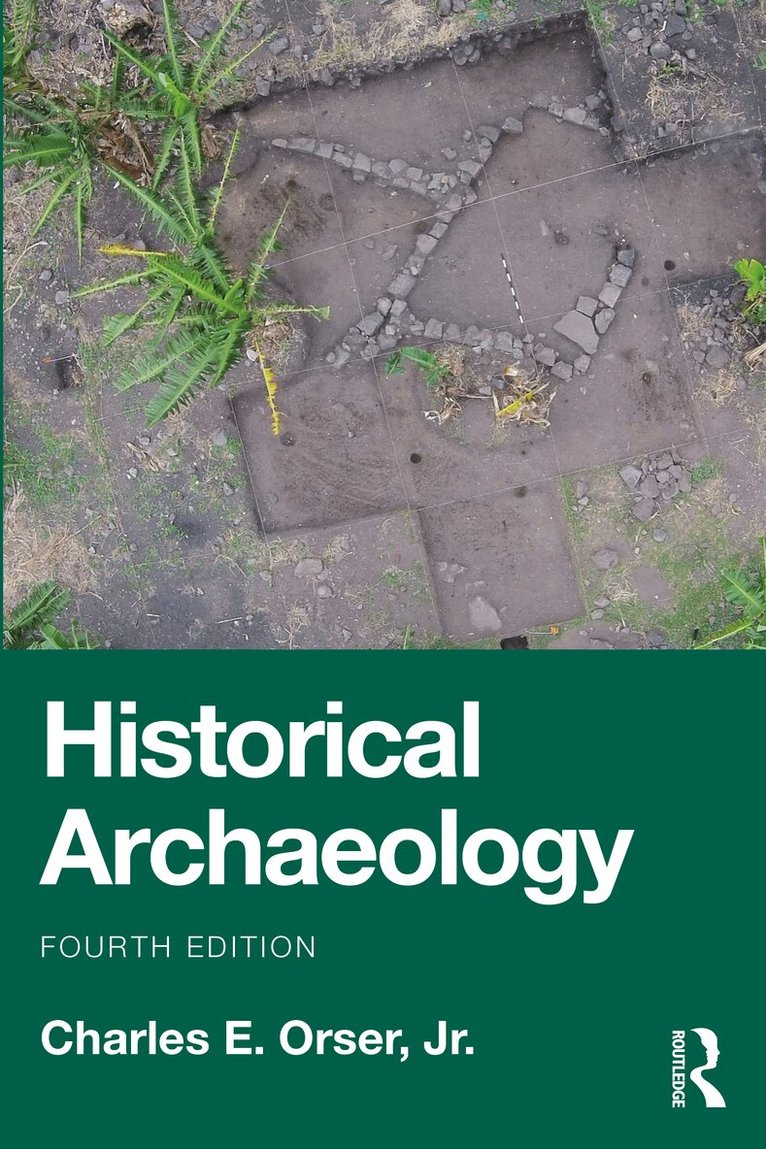
Historical Archaeology offers students a comprehensive and accessible introduction to historical archaeology and highlights the regional, cultural, and ethnic diversity of the modern historical period.This volume covers key methods and concepts, including fundamental theories and principles, the history of the field, and basic definitions; it also includes a practical look at career prospects for interested readers. It discusses central topics of archaeological research such as time and space, survey and excavation methods, and analytical techniques, encouraging readers to consider the possible meanings of artifacts. This fourth edition has been heavily revised to reflect the changes to the discipline. As well as updating the case studies, the many revisions include the following: information on new technological approaches in surveying, excavating, and documenting sites and buildings; a focus on global cultural preservation and heritage; updates on maritime and underwater archaeology; and new additions on conflict archaeology. A new chapter on Indigenous and underserved community voices in archaeology, drawing on recent scholarship, has been added to reflect the importance of this topic in current teaching.Drawing on the author’s extensive experience as an historical archaeologist, Historical Archaeology continues to be an ideal resource for students studying this rapidly expanding global field, demonstrating the real importance of this subject to our understanding of the world in which we live today.
2 849 kr
Kommande
Historical Archaeology offers students a comprehensive and accessible introduction to historical archaeology and highlights the regional, cultural, and ethnic diversity of the modern historical period.This volume covers key methods and concepts, including fundamental theories and principles, the history of the field, and basic definitions; it also includes a practical look at career prospects for interested readers. It discusses central topics of archaeological research such as time and space, survey and excavation methods, and analytical techniques, encouraging readers to consider the possible meanings of artifacts. This fourth edition has been heavily revised to reflect the changes to the discipline. As well as updating the case studies, the many revisions include the following: information on new technological approaches in surveying, excavating, and documenting sites and buildings; a focus on global cultural preservation and heritage; updates on maritime and underwater archaeology; and new additions on conflict archaeology. A new chapter on Indigenous and underserved community voices in archaeology, drawing on recent scholarship, has been added to reflect the importance of this topic in current teaching.Drawing on the author’s extensive experience as an historical archaeologist, Historical Archaeology continues to be an ideal resource for students studying this rapidly expanding global field, demonstrating the real importance of this subject to our understanding of the world in which we live today.
1 743 kr
Skickas inom 7-10 vardagar
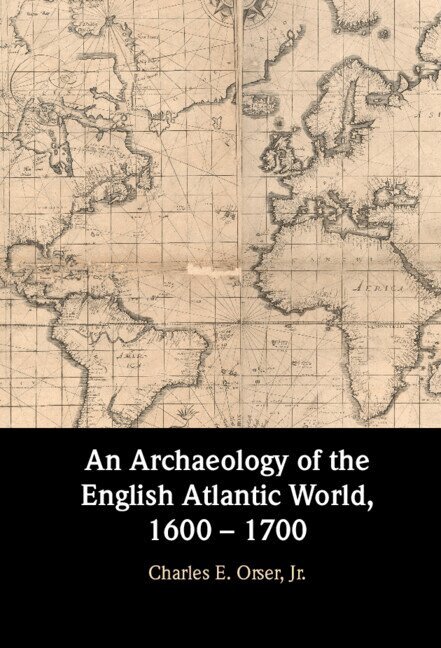
An Archaeology of the British Atlantic World, 1600-1700 is the first book to apply the methods of modern-world archaeology to the study of the seventeenth-century English colonial world. Charles E. Orser, Jr explores a range of material evidence of daily life collected from archaeological excavations throughout the Atlantic region, including England, Ireland, western Africa, Native North America, and the eastern United States. He considers the archaeological record together with primary texts by contemporary writers. Giving particular attention to housing, fortifications, delftware, and stoneware, Orser offers new interpretations for each type of artefact. His study demonstrates how the archaeological record expands our understanding of the Atlantic world at a critical moment of its expansion, as well as to the development of the modern, Western world.
1 736 kr
Skickas inom 10-15 vardagar
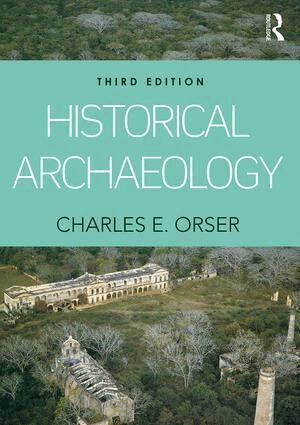
This book provides a short, readable introduction to historical archaeology, which focuses on modern history in all its fascinating regional, cultural, and ethnic diversity. Accessibly covering key methods and concepts, including fundamental theories and principles, the history of the field, and basic definitions, Historical Archaeology also includes a practical look at career prospects for interested readers. Orser discusses central topics of archaeological research such as time and space, survey and excavation methods, and analytical techniques, encouraging readers to consider the possible meanings of artifacts. Drawing on the author’s extensive experience as an historical archaeologist, the book’s perspective ranges from the local to the global in order to demonstrate the real importance of this subject to our understanding of the world in which we live today. The third edition of this popular textbook has been significantly revised and expanded to reflect recent developments and discoveries in this exciting area of study. Each chapter includes updated case studies which demonstrate the research conducted by professional historical archaeologists. With its engaging approach to the subject, Historical Archaeology continues to be an ideal resource for readers who wish to be introduced to this rapidly expanding global field.
3 363 kr
Skickas inom 10-15 vardagar
The Routledge Handbook of Global Historical Archaeology is a multi-authored compendium of articles on specific topics of interest to today’s historical archaeologists, offering perspectives on the current state of research and collectively outlining future directions for the field.The broad range of topics covered in this volume allows for specificity within individual chapters, while building to a cumulative overview of the field of historical archaeology as it stands, and where it could go next. Archaeological research is discussed in the context of current sociological concerns, different approaches and techniques are assessed, and potential advances are posited. This is a comprehensive treatment of the sub-discipline, engaging key contemporary debates, and providing a series of specially-commissioned geographical overviews to complement the more theoretical explorations. This book is designed to offer a starting point for students who may wish to pursue particular topics in more depth, as well as for non-archaeologists who have an interest in historical archaeology. Archaeologists, historians, preservationists, and all scholars interested in the role historical archaeology plays in illuminating daily life during the past five centuries will find this volume engaging and enlightening.
551 kr
Skickas inom 10-15 vardagar
This unique book offers a theoretical framework for historical archaeology that explicitly relies on network theory.
551 kr
Skickas inom 10-15 vardagar
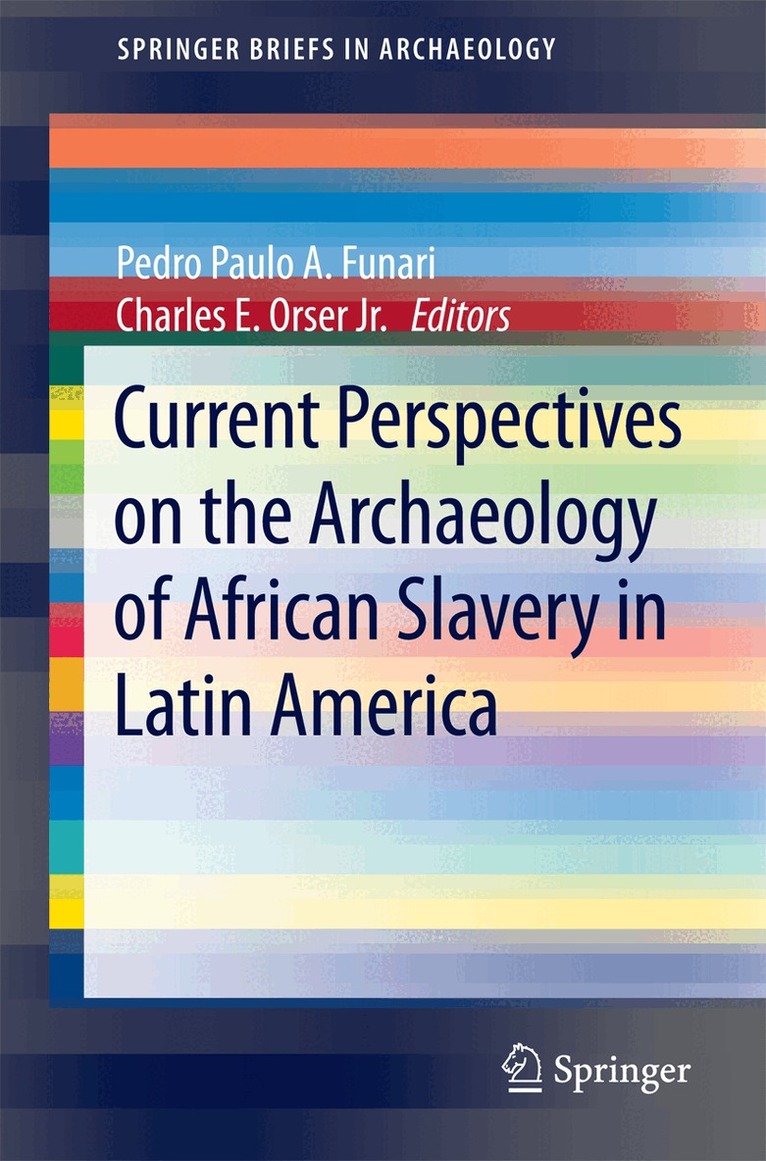
This edited volume aims at exploring a most relevant but somewhat neglected subject in archaeological studies, especially within Latin America: maroons and runaway settlements. Scholarship on runaways is well established and prolific in ethnology, anthropology and history, but it is still in its infancy in archaeology. A small body of archaeological literature on maroons exists for other regions, but no single volume discusses the subject in depth, including diverse eras and geographical areas within Latin American contexts. Thus, a central aim of the volume is to gather together some of the most active, Latin American maroon archaeologists in a single volume. This volume will thus become an important reference book on the subject and will also foster further archaeology research on maroon settlements. The introduction and comments by senior scholars provide a wide-ranging and comprehensive analysis of runaway archaeology that will help to indicate the global importance of this research.
970 kr
Skickas inom 10-15 vardagar
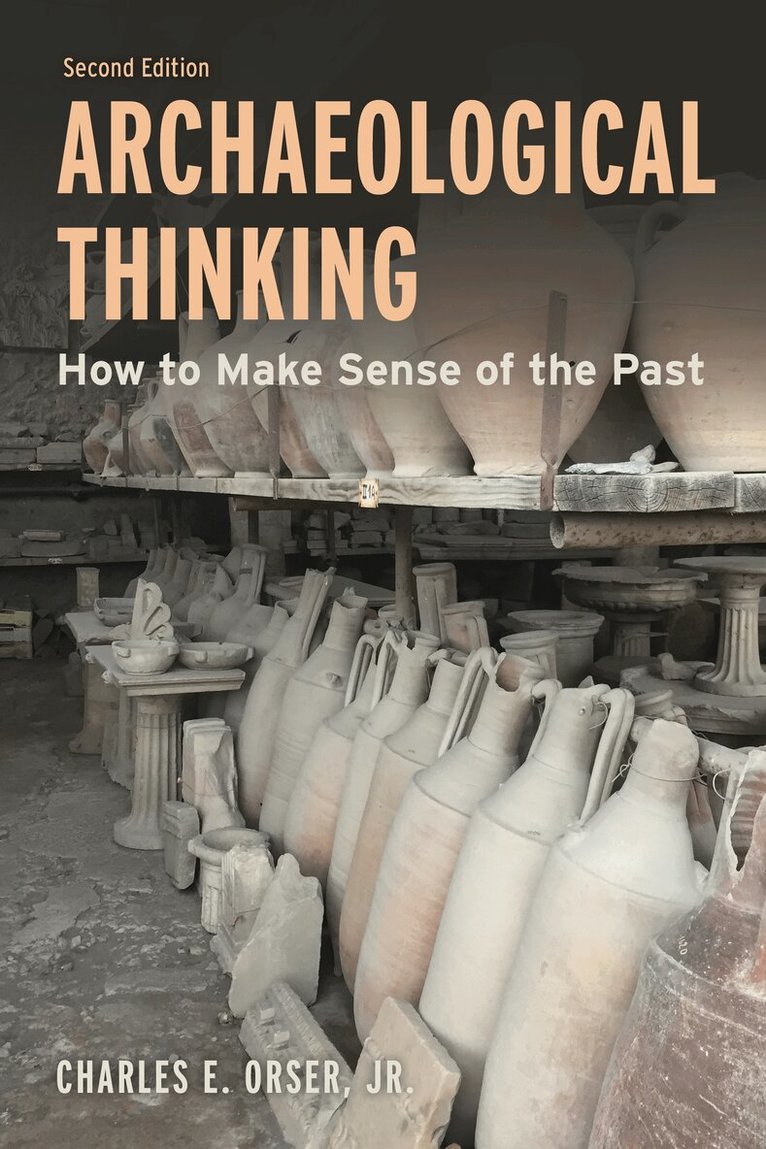
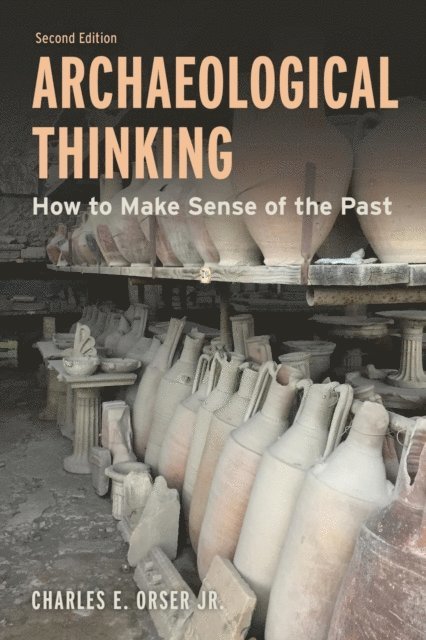
How do archaeologists think? How do archaeologists take the scattered and fragmentary remains collected from past settlements and create meaningful, reasonable interpretations of past human history? In the second edition of Archaeological Thinking, Charles E. Orser, Jr. provides answers to these questions and more by explaining in non-technical language the most basic elements of critical thinking in archaeology. This book explores and explains such topics as:the use of logic in framing argumentsthe curious issue of fact selectionthe use of analogiesthe role of archaeology in contemporary society and among present-day communitiesapproaches to understanding the pastand the dangers of deceitful archaeological thinking.Examples taken from the world of ancient aliens, mythical sunken cities, and mysterious creatures help readers learn how to separate reality from fiction regardless of their desire to become a professional archaeologist.
447 kr
Skickas inom 10-15 vardagar
How do archaeologists think? How do archaeologists take the scattered and fragmentary remains collected from past settlements and create meaningful, reasonable interpretations of past human history? In the second edition of Archaeological Thinking, Charles E. Orser, Jr. provides answers to these questions and more by explaining in non-technical language the most basic elements of critical thinking in archaeology. This book explores and explains such topics as:the use of logic in framing argumentsthe curious issue of fact selectionthe use of analogiesthe role of archaeology in contemporary society and among present-day communitiesapproaches to understanding the pastand the dangers of deceitful archaeological thinking.Examples taken from the world of ancient aliens, mythical sunken cities, and mysterious creatures help readers learn how to separate reality from fiction regardless of their desire to become a professional archaeologist.
1 204 kr
Skickas inom 10-15 vardagar
It will be of interest to historical archaeologists, Mesoamerican archaeologists engaged in pre-contact research, Latin American and global historians, Latin American anthropologists, material culture specialists, cultural geographers, and others interested in the cultural history of colonialism in general and in Latin America in particular.
1 204 kr
Skickas inom 10-15 vardagar
This volume includes chapters by historical archaeologists engaged in original research examining the role of the British Empire in Latin America. The archaeology of Latin America is today a rapidly expanding field, with new research being accomplished every day. Currently, the vast amount of research is being focused on the Spanish Empire and its agents’ interactions with the region’s indigenous peoples. Spain, however, was not the only international power intent on colonizing and controlling Latin America. The British Empire had a smaller albeit significant role in the cultural history of Latin America. This history constitutes an important piece of the historical story of Latin America. Archaeologies of the British in Latin America presents the results of original research and begins a dialogue about the archaeology of the British Empire in Latin America by an international group of archaeological scholars. Fresh insights on the complex history of cultural interaction in one of the world’s most important regions are included. It will be of interest to historical archaeologists, Mesoamerican archaeologists engaged in pre-contact research, Latin American and global historians, Latin American anthropologists, material culture specialists, cultural geographers, and others interested in the cultural history of colonialism in general and in Latin America in particular.