Charles F. Hutchinson – författare
Visar alla böcker från författaren Charles F. Hutchinson. Handla med fri frakt och snabb leverans.
5 produkter
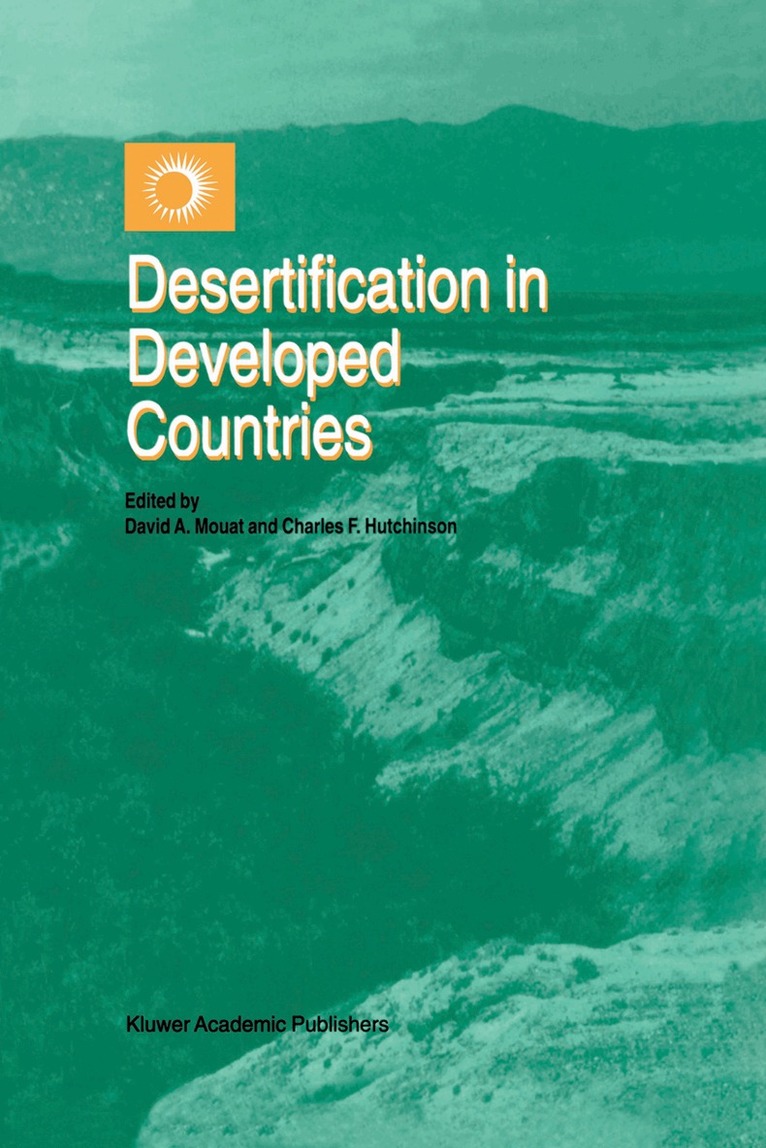
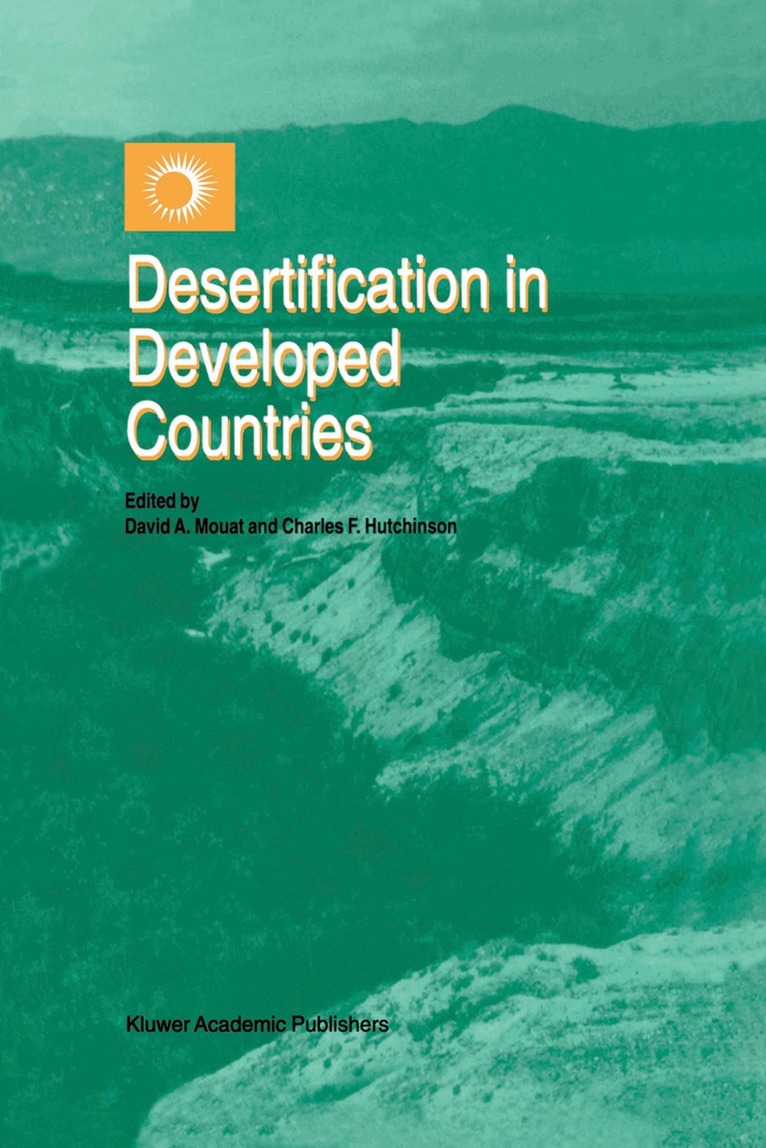
Desertification in Developed Countries
International Symposium and Workshop on Desertification in Developed Countries: Why can’t We Control It?
Av David A. Mouat, Charles F. Hutchinson
Inbunden, 1996
1098 kr
Lägg i varukorg
Desertification has re-emerged as a topic of global significance as a consequence of the United Nations conference on environment and development. When first addressed, attention was drawn to the compelling, spectacular images of sand dunes engulfing farmlands and parched cattle dying around wells. …
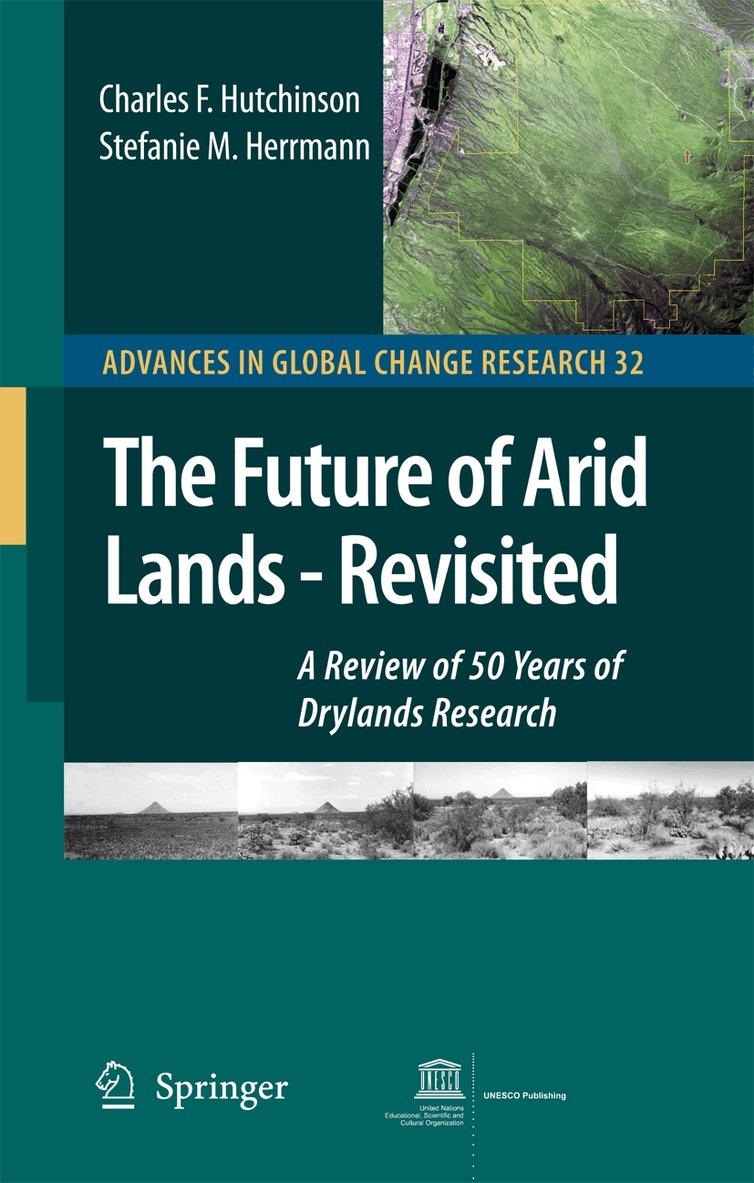
Future of Arid Lands-Revisited
A Review of 50 Years of Drylands Research
Av Charles F. Hutchinson, Stefanie M. Herrmann
Inbunden, 2007
1638 kr
Lägg i varukorg
UNESCO commemorated its sixtieth anniversary in 2005. It was a year for refl- tion – a time to look back on the progress made and the achievements accomplished over the last 60 years. To celebrate the importance and relevance of science at UNESCO a publication entitled Sixty Years of Science at …
Future of Arid Lands-Revisited
A Review of 50 Years of Drylands Research
Av Stefanie M. Herrmann, Charles F. Hutchinson
E-bok, 2007
2111 kr
Lägg i varukorg
UNESCO commemorated its sixtieth anniversary in 2005. It was a year for refl- tion – a time to look back on the progress made and the achievements accomplished over the last 60 years. To celebrate the importance and relevance of science at UNESCO a publication entitled Sixty Years of Science at …
Desertification in Developed Countries
International Symposium and Workshop on Desertification in Developed Countries: Why can’t We Control It?
Av Charles F. Hutchinson, David A. Mouat
E-bok, 2012
1413 kr
Lägg i varukorg
Desertification has re-emerged as a topic of global significance as a consequence of the United Nations Conference on Environment and Development. When first addressed over a generation ago, attention was drawn to the compelling, spectacular images of sand dunes engulfing farmlands and parched …
Desertification in Developed Countries
International Symposium and Workshop on Desertification in Developed Countries: Why can’t We Control It?
Av David A. Mouat, Charles F. Hutchinson
Häftad, 2011
1094 kr
Lägg i varukorg
Desertification has re-emerged as a topic of global significance as a consequence of the United Nations Conference on Environment and Development. When first addressed over a generation ago, attention was drawn to the compelling, spectacular images of sand dunes engulfing farmlands and parched …