Charles Flower - Böcker
Visar alla böcker från författaren Charles Flower. Handla med fri frakt och snabb leverans.
2 produkter
2 produkter
324 kr
Skickas inom 5-8 vardagar
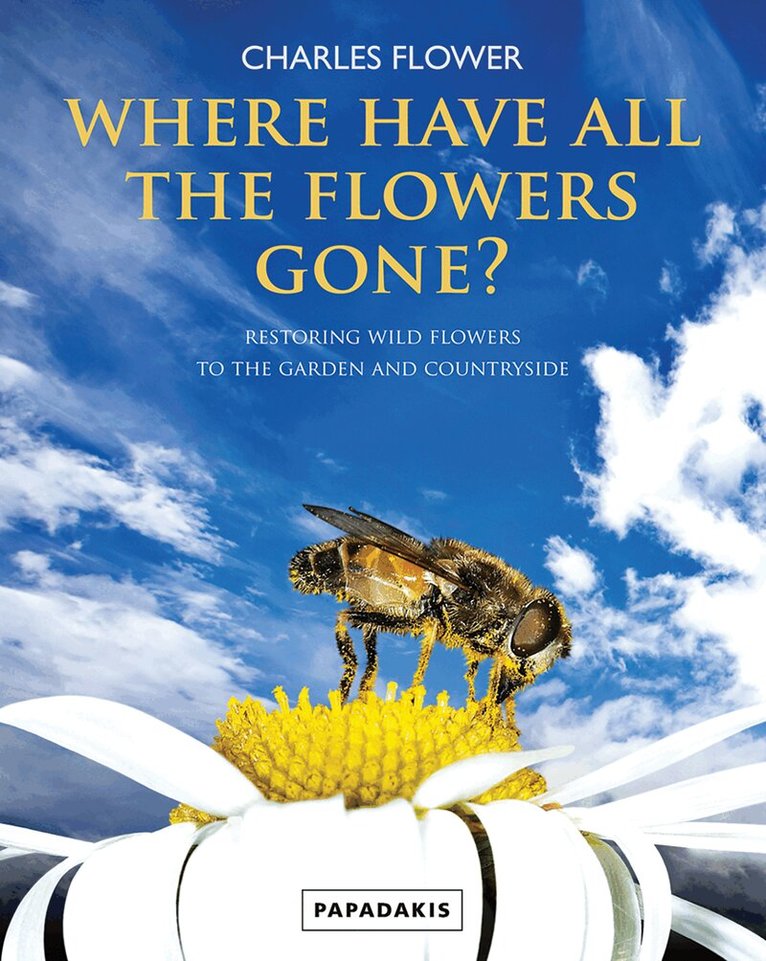
A traditional meadow full of wild flowers is a rare sight today but it is not too late to restore them and to create new ones. Charles Flower is passionate about restoring the countryside. After the appalling destruction provoked by modern farming methods during the 1970s and 1980s he pioneered practical methods of wild flower restoration on his own farm, where he grows wild flower seed crops and runs restoration workshops. We have been through many painful years of seeing our meadows destroyed but Charles Flower has proved that it is possible to plan for diversity, harvest seed, propagate it and create new meadows, woods, hedges and ponds so that wild flowers can be successfully re-established not only in the countryside but also in our gardens, thus ensuring a supply of nectar over a long period – from the woodland primrose in March through to fleabane in the wet meadow in September – that will entice back countless butterflies and other insects. This book is full of practical advice amassed by someone who has devoted all his energy to good management of the countryside for over 20 years. It recounts the story of how he has helped restore the flowers – and thus ensure the return of wildlife – to numerous gardens, farms and estates, a story documented by glorious photographs that cannot fail to inspire.
Irreplaceable Woodlands
Some Practical Steps to Restoring our Wildlife Heritage
Häftad, Engelska, 2024
298 kr
Skickas
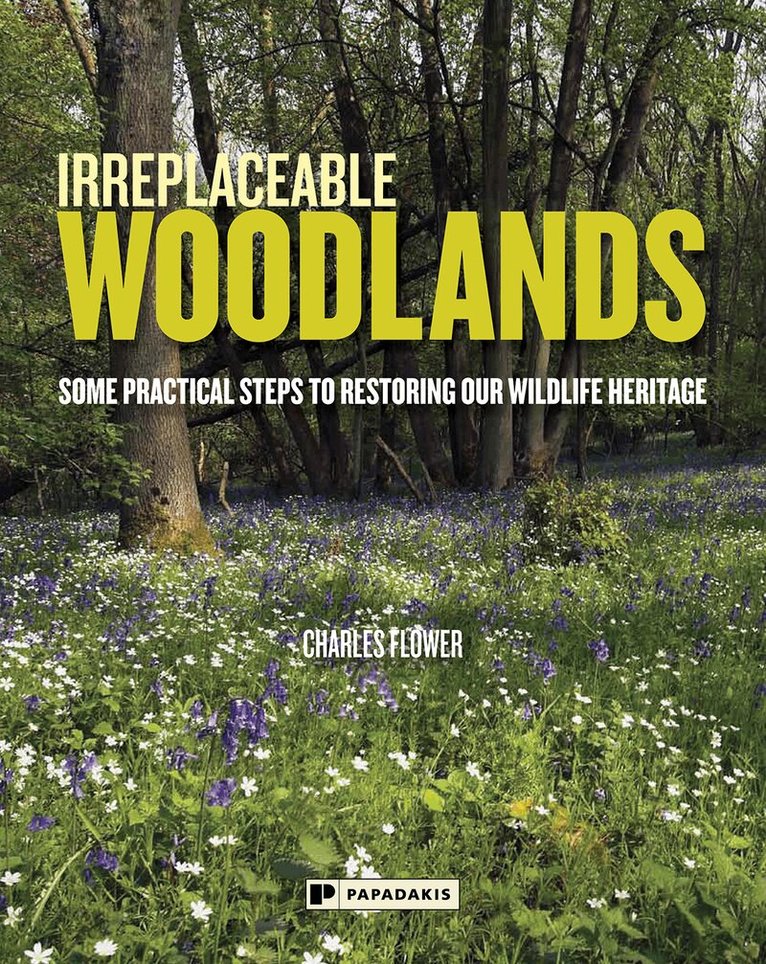
Charles Flower is passionate about restoring the countryside. He has spent many years working on and writing about the restoration of wild flowers to grasslands and has now turned his attention to ancient woodlands, many of which, though derelict, are treasure houses of diversity, an asset unrecognised by almost everyone including those in Government. Yet with a little effort glades and rides, which may represent less than ten per cent of the wood, can be opened up with remarkable results. Once light penetrates some wild flowers will reappear and attract back the insects, birds and animals that once flourished there. What is more, over the last twenty years some 85,000 hectares of new broad-leaved woodland have been planted in England most of it devoid of wildlife, a giant missed opportunity since this land, which greatly exceeds the area of the nature reserves of all the English Wildlife Trusts, is protected from agricultural agrochemicals and would provide the perfect breeding ground for wild flower diversity and the insect, bird and animal life associated with it. Just as introducing the right methods was the key to creating successful wild flower headlands on agricultural land, introducing appropriate methods will establish wild flowers in new woods.This book is not only a beautiful record of the ancient woodlands that, thanks to good management, have continued to thrive, it also constitutes a practical manual and provides inspiration for those working to preserve our existing ancient woodlands and those managing recently planted woods and planting the trees that will constitute our future woodland heritage.