• Fri frakt över 249 kr
  • •
  • Snabba leveranser
  • •
  • Billiga böcker
Kundservice

Du är på sajten för privatpersoner.

Företag, bibliotek eller offentlig verksamhet?

Du handlar på classic.bokus.com, där alla dina funktioner finns intakta.
Till classic.bokus.com
Bokus logotyp. Gå till startsidan.
  • Erbjudanden
  • Nyheter
  • Student
  • Topplistor
  • Barn & ungdom
  • Bokus Play
  • E-böcker
  • Pocketböcker
  • Spel & pussel

10% rabatt på allt med kod NYSTART10 →

Sidfot

Mina sidor

    Hjälp

    • Kundservice
    • Vanliga frågor och svar
    • Frakt och leverans
    • Retur vid ångerrätt
    • Reklamera vara
    • Betalning
    • Köpvillkor
    • Allmänna villkor
    • Information om webbplatsens tillgänglighet

    Om Bokus

    • Om oss
    • Pressrum
    • För studenter
    • För företag
    • För bibliotek och offentlig verksamhet
    • För leverantörer
    • Hållbarhet

    Populärt

    • Aktuella erbjudanden
    • Presentkort
    • Studentlitteratur
    • Nya böcker
    • Topplistor
    • Signerade böcker
    • Engelska böcker

    Inspiration

    • Boktips
    • BookTok
    • Populära bokserier
    • Barnbokskaraktärer
    • Populära författare
    Logotyp för Bokus
    Följ oss på Facebook (extern länk)Följ oss på Instagram (extern länk)Följ oss på YouTube (extern länk)Följ oss på TikTok (extern länk)
    bokus @ CookiesAnpassa cookiesIntegritetspolicyKöpvillkor
    Till Citymail hemsida (extern länk)Till Budbee hemsida (extern länk)Till Postnord hemsida (extern länk)Till Schenker hemsida (extern länk)Till Early Bird hemsida (extern länk)Till Walleys hemsida (extern länk)
    1. Naturvetenskap och teknik
    2. Geovetenskap
    3. Miljövetenskap och miljöpolitik

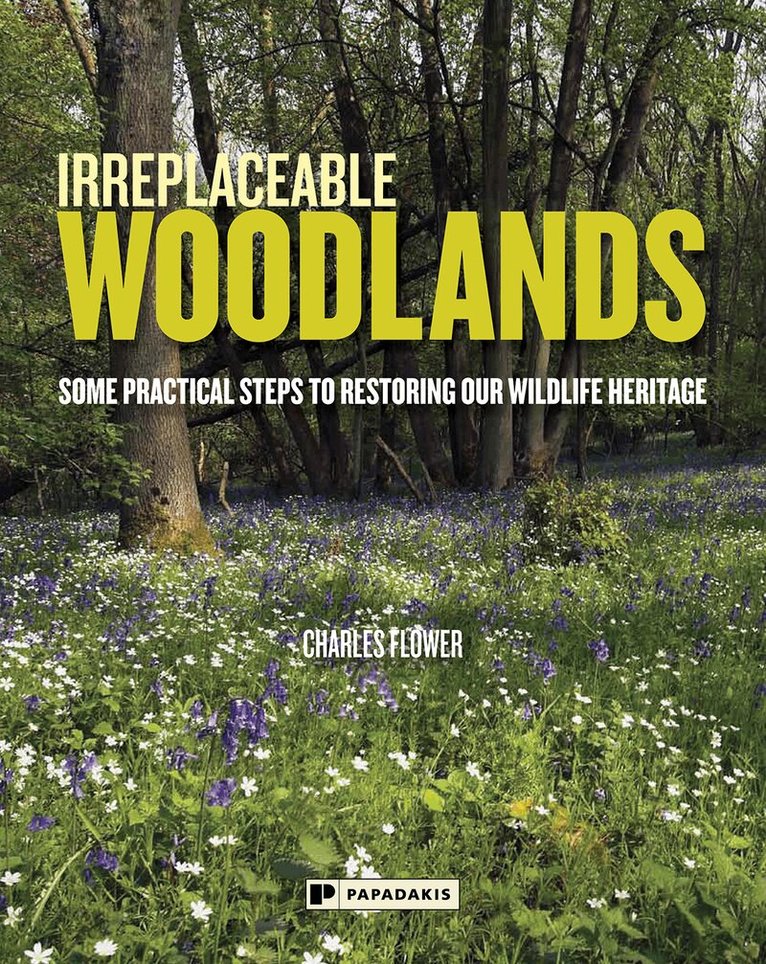
    Irreplaceable Woodlands

    Some Practical Steps to Restoring our Wildlife Heritage

    AvCharles Flower

    Häftad, Engelska, 2024

    Del i serien Papadakis

    303 kr

    Tillfälligt slut

    Beskrivning

    Charles Flower is passionate about restoring the countryside. He has spent many years working on and writing about the restoration of wild flowers to grasslands and has now turned his attention to ancient woodlands, many of which, though derelict, are treasure houses of diversity, an asset unrecognised by almost everyone including those in Government. Yet with a little effort glades and rides, which may represent less than ten per cent of the wood, can be opened up with remarkable results. Once light penetrates some wild flowers will reappear and attract back the insects, birds and animals that once flourished there. What is more, over the last twenty years some 85,000 hectares of new broad-leaved woodland have been planted in England most of it devoid of wildlife, a giant missed opportunity since this land, which greatly exceeds the area of the nature reserves of all the English Wildlife Trusts, is protected from agricultural agrochemicals and would provide the perfect breeding ground for wild flower diversity and the insect, bird and animal life associated with it. Just as introducing the right methods was the key to creating successful wild flower headlands on agricultural land, introducing appropriate methods will establish wild flowers in new woods.This book is not only a beautiful record of the ancient woodlands that, thanks to good management, have continued to thrive, it also constitutes a practical manual and provides inspiration for those working to preserve our existing ancient woodlands and those managing recently planted woods and planting the trees that will constitute our future woodland heritage.

    Produktinformation

    • Utgivningsdatum:2024-06-01
    • Mått:265 x 210 x 21 mm
    • Vikt:1 042 g
    • Format:Häftad
    • Språk:Engelska
    • Serie:Papadakis
    • Antal sidor:240
    • Förlag:Papadakis
    • ISBN:9781906506537

    Utforska kategorier

    • Miljövetenskap och miljöpolitik inom Naturvetenskap och teknik
    • Geografi inom Naturvetenskap och teknik
    • Skogsbruk inom Naturvetenskap och teknik

    Mer om författaren

    Charles Flower is a consultant working with individuals, farmers and landowners as well as parishes and other groups to safeguard wild flowers and increase plant and animal diversity. He manages his own 25 acre hazel copse. His first book 'Where Have all the Flowers Gone? Restoring Wild Flowers to the Countryside' was published to great acclaim in 2008.

    Innehållsförteckning

    • CHAPTER 1: INTRODUCTIONHow to maintain the incredible diversity of an ancient woodlandCHAPTER 2: HISTORY OF MAPLEASH COPSEThe fascinating history of the copse managed by Charles Flower and an overview of the woodland clearance sinceMan’s earliest farming.CHAPTER 3: MEDIEVAL WOODLAND PRODUCTSHow the key species of oak, ash and hazel supplied the essentials of medieval rural life.CHAPTER 4: WOODLAND TREES AND SHRUBSThe most important species of trees and shrubs, their characteristics and dispersal strategies.CHAPTER 5: RESTORING DERELICT HAZELA detailed account of the techniques required to restore a derelict hazel copse with all the trials and tribulations ofoutwitting deer and rabbits.CHAPTER 6: DEAD WOOD, CAVITIES AND FUNGIThe vitally important role of dead wood, standing and fallen, with descriptions of some of the extraordinary fungi whichhelp convert dead wood into woodland soil.CHAPTER 7: WOODLAND WILD FLOWERSA detailed account of the wild flowers, 90 per cent of which depend on rides and glades for their survival, and theeffects of coppicing on the ground flora.CHAPTER 8: FERNS, MOSSES AND LIVERWORTSThe amazing world of ferns, mosses and lichens and how to encourage these often over-looked organisms.CHAPTER 9: INSECTSA photographic glimpse of the fascinating insects that inhabit ancient woodland and their specialised requirements.CHAPTER 10: OTHER OCCUPANTS OF THE WOODThe rich diversity of animal life in an ancient woodland, much of which is nocturnal, from birds to dormice andbadgers, and the clues to its presence.CHAPTER 11: MANAGING A WOOD FOR DIVERSITYNine practical steps to safeguarding the diversity of the woodland including the detailed management of rides andglades.CHAPTER 12: ESTABLISHING WILD FLOWERS IN WOODLAND AND GARDENSHow to encourage wild flowers in new broad-leaved woodland when shade levels develop and how woodland wildflowers can solve gardeners’ shade problems, while also establishing a vital nectar supply for wildlife.