Charlie Qiuli Xue - Böcker
Visar alla böcker från författaren Charlie Qiuli Xue. Handla med fri frakt och snabb leverans.
5 produkter
5 produkter
1 377 kr
Skickas inom 10-15 vardagar
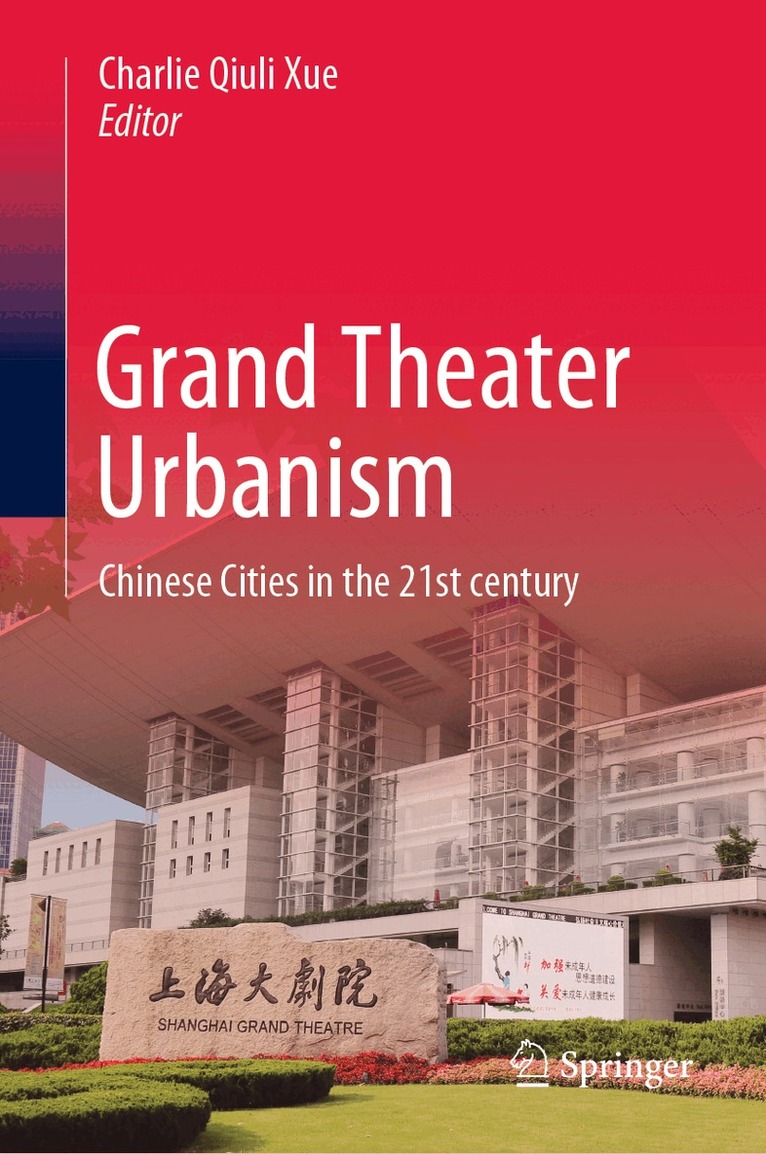
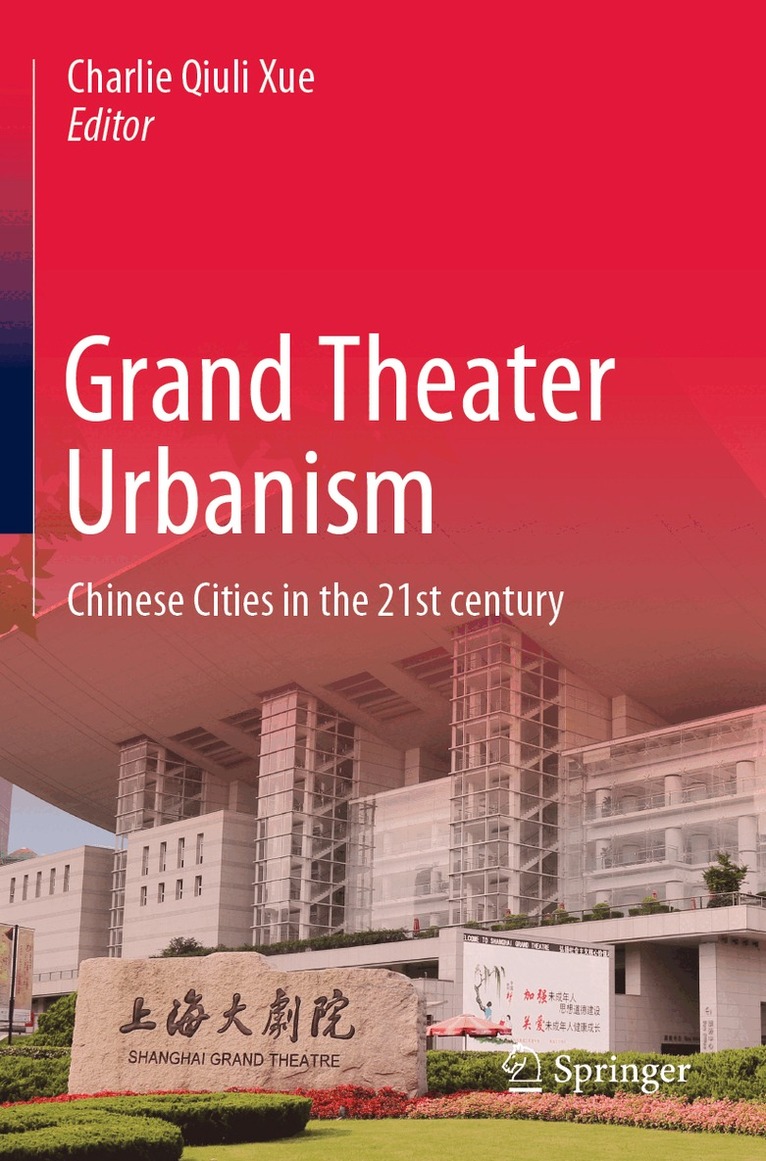
This volume explores the phenomenon and trend of cultural buildings by investigating 10 typical cities in China from the first, second, and third tiers, and from the Chinese diaspora. Each grand theater design was the result of a high-profile international competition and created by global architects in collaboration with Chinese design institutes. The national and international significance of these iconic projects lies in the fact that they not only reflect the dynamics of global design ideas, but also represent a particular historical moment in China’s modernization process. The development, histories, and purposes of constructing cultural buildings are carefully outlined and colorfully presented. Given China’s tremendous population, the development trajectory of its urban construction will provide insights for other regions that hope to embark on the high-speed track in the 21st century.“In 'Grand Theater Urbanism', Professor Charlie Xue and his team document China’s current shift towards a culture of consumption and leisure, symbolized by the construction of multi-use Grand Theaters in major cities. 'Grand Theater Urbanism' reveals the unexpected variety and complexity of this contemporary cultural drive in a series of exemplary chapters with highly detailed, local, case studies.”--Professor David Grahame Shane, Columbia University, New York "Jane Jacobs likened city life to a performance. This book goes a stage further and analyses the actual performance spaces within cities in China. In doing so it makes a valuable connection between urban design and the cultural life in cities. This is an important and often forgotten dimension of urbanism and I heartily commend this book to readers.'"--Professor Matthew Carmona, The Bartlett, University College London
1 377 kr
Skickas inom 10-15 vardagar
This volume explores the phenomenon and trend of cultural buildings by investigating 10 typical cities in China from the first, second, and third tiers, and from the Chinese diaspora. Each grand theater design was the result of a high-profile international competition and created by global architects in collaboration with Chinese design institutes. The national and international significance of these iconic projects lies in the fact that they not only reflect the dynamics of global design ideas, but also represent a particular historical moment in China’s modernization process. The development, histories, and purposes of constructing cultural buildings are carefully outlined and colorfully presented. Given China’s tremendous population, the development trajectory of its urban construction will provide insights for other regions that hope to embark on the high-speed track in the 21st century.“In 'Grand Theater Urbanism', Professor Charlie Xue and his team document China’s current shift towards a culture of consumption and leisure, symbolized by the construction of multi-use Grand Theaters in major cities. 'Grand Theater Urbanism' reveals the unexpected variety and complexity of this contemporary cultural drive in a series of exemplary chapters with highly detailed, local, case studies.”--Professor David Grahame Shane, Columbia University, New York "Jane Jacobs likened city life to a performance. This book goes a stage further and analyses the actual performance spaces within cities in China. In doing so it makes a valuable connection between urban design and the cultural life in cities. This is an important and often forgotten dimension of urbanism and I heartily commend this book to readers.'"--Professor Matthew Carmona, The Bartlett, University College London
1 635 kr
Skickas inom 10-15 vardagar
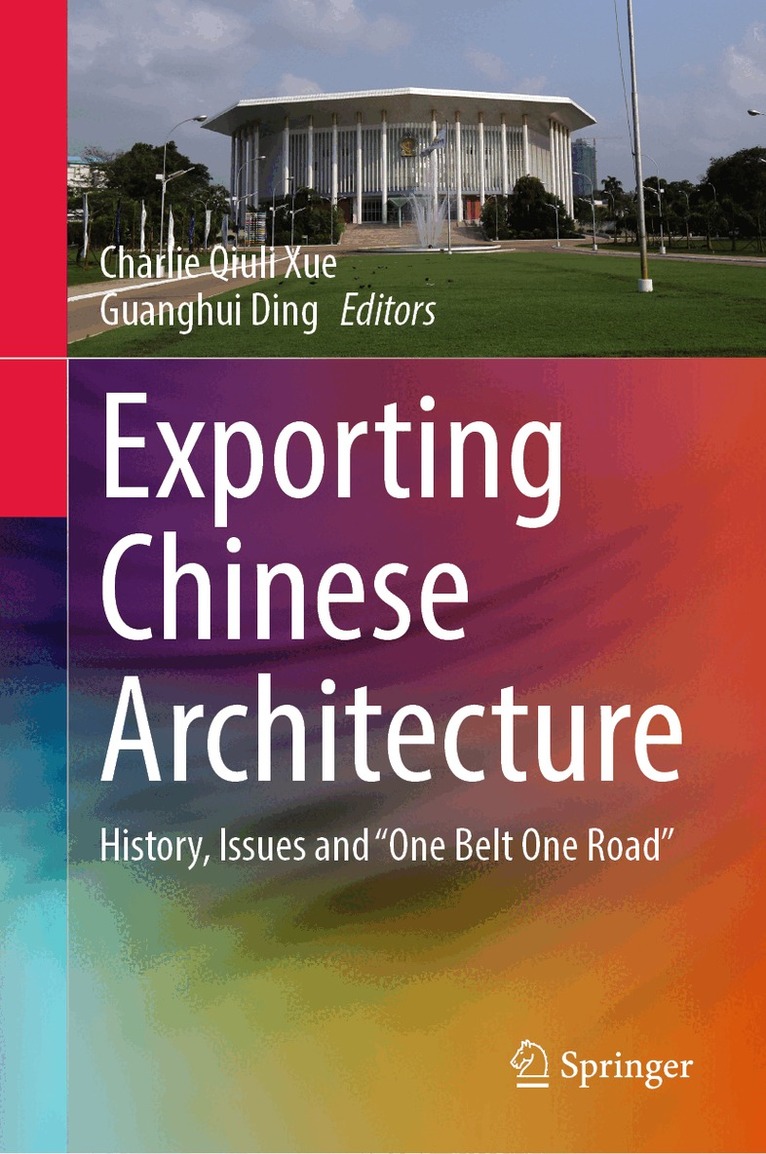
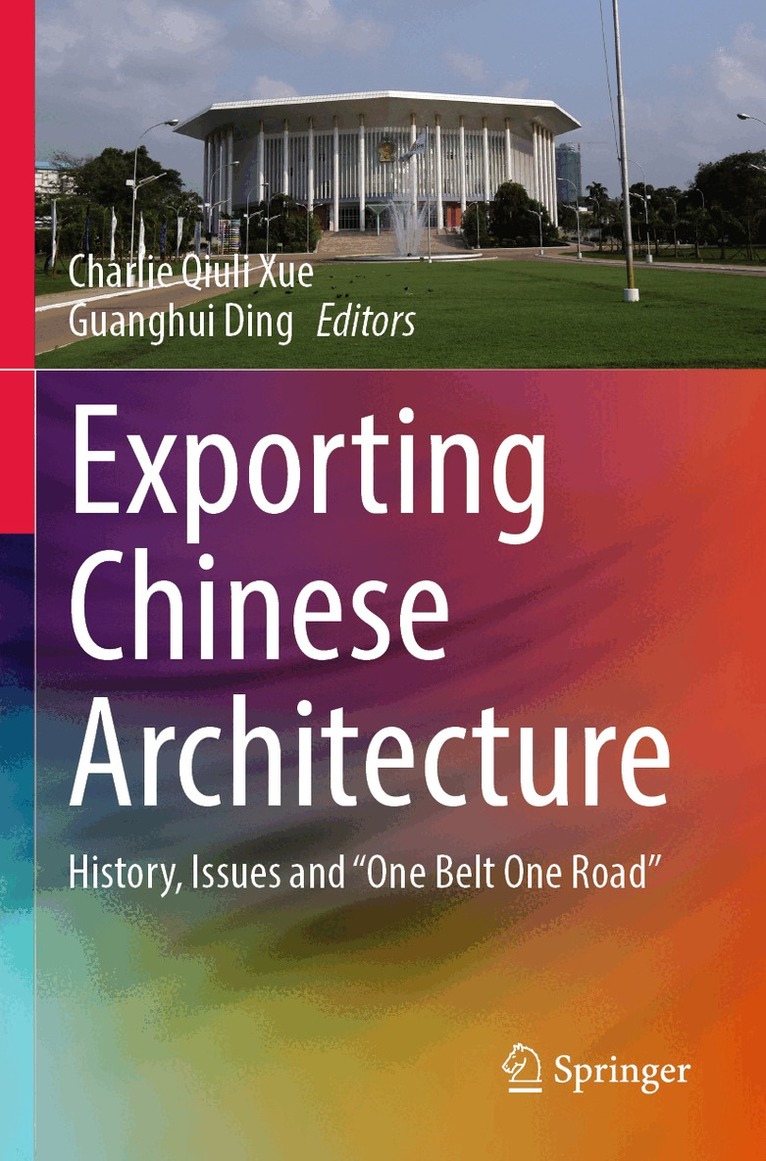
This book studies the unexplored history of China-aided architecture erected in the developing world since the 1950s. By 2019, over 1,000 buildings had been delivered to more than 160 countries, including parliament houses, convention centers, stadiums, gymnasiums, theaters, schools, hospitals, libraries, railways, and stations. These projects, which have played a significant role in promoting economic transformation, cultural engagement and social and environmental well-being, have largely been overlooked or misunderstood by the international community. Why did China donate so many foreign-aid buildings? How were these buildings built in the remote land of developing countries with intricate influences and limited resources? Have they helped modernize the recipient countries? The authors of this book use a wide range of representative projects built in different historic periods and geographical locations as case studies to address the above questions from various perspectives.This book fills an enormous gap in modern architecture in China and the world. It offers architectural students and scholars in various disciplines the necessary knowledge on "diplomatic architecture"; informs architects the appropriate methods of cross-border design and low-tech building; teaches government officials the best practice of donating and receiving foreign-aid buildings; and enhances public awareness of cultural diversity in Asia, Africa, Oceania, and Latin America. With abundant first-hand materials, historical pictures, and drawings, the book is a must-read for those who are interested in modern architecture and developmental aid in the world.China’s architecture abroad, notably in Africa and Asia, has been perceived with both fascination and anxiety. Based on a wealth of sources often difficult to access for scholars from outside China, this book links the history and present of China’s architectural mobilities in ways that will stimulate new debates in architectural history and urban studies.- Łukasz Stanek, Professor of Architectural History, The University of Manchester, UK
1 635 kr
Skickas inom 10-15 vardagar
This book studies the unexplored history of China-aided architecture erected in the developing world since the 1950s. By 2019, over 1,000 buildings had been delivered to more than 160 countries, including parliament houses, convention centers, stadiums, gymnasiums, theaters, schools, hospitals, libraries, railways, and stations. These projects, which have played a significant role in promoting economic transformation, cultural engagement and social and environmental well-being, have largely been overlooked or misunderstood by the international community. Why did China donate so many foreign-aid buildings? How were these buildings built in the remote land of developing countries with intricate influences and limited resources? Have they helped modernize the recipient countries? The authors of this book use a wide range of representative projects built in different historic periods and geographical locations as case studies to address the above questions from various perspectives.This book fills an enormous gap in modern architecture in China and the world. It offers architectural students and scholars in various disciplines the necessary knowledge on "diplomatic architecture"; informs architects the appropriate methods of cross-border design and low-tech building; teaches government officials the best practice of donating and receiving foreign-aid buildings; and enhances public awareness of cultural diversity in Asia, Africa, Oceania, and Latin America. With abundant first-hand materials, historical pictures, and drawings, the book is a must-read for those who are interested in modern architecture and developmental aid in the world.China’s architecture abroad, notably in Africa and Asia, has been perceived with both fascination and anxiety. Based on a wealth of sources often difficult to access for scholars from outside China, this book links the history and present of China’s architectural mobilities in ways that will stimulate new debates in architectural history and urban studies.- Łukasz Stanek, Professor of Architectural History, The University of Manchester, UK
789 kr
Skickas