655 kr
Skickas
655 kr
Skickas
908 kr
Läs direkt efter köp
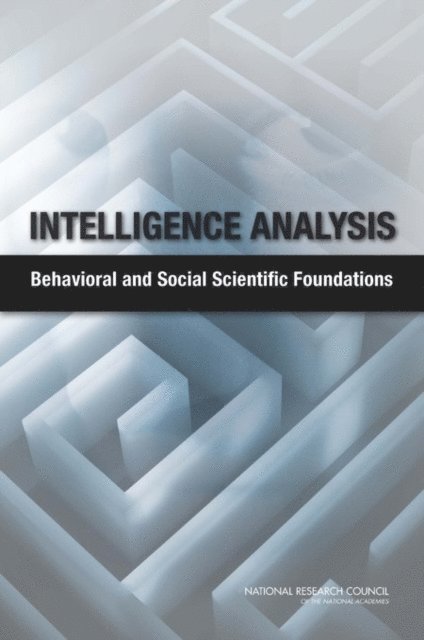
The U.S. intelligence community (IC) is a complex human enterprise whose success depends on how well the people in it perform their work. Although often aided by sophisticated technologies, these people ultimately rely on their own intellect to identify, synthesize, and communicate the information on which the nation''s security depends. The IC''s success depends on having trained, motivated, and thoughtful people working within organizations able to understand, value, and coordinate their capabilities.Intelligence Analysis provides up-to-date scientific guidance for the intelligence community (IC) so that it might improve individual and group judgments, communication between analysts, and analytic processes. The papers in this volume provide the detailed evidentiary base for the National Research Council''s report, Intelligence Analysis for Tomorrow: Advances from the Behavioral and Social Sciences. The opening chapter focuses on the structure, missions, operations, and characteristics of the IC while the following 12 papers provide in-depth reviews of key topics in three areas: analytic methods, analysts, and organizations.Informed by the IC''s unique missions and constraints, each paper documents the latest advancements of the relevant science and is a stand-alone resource for the IC''s leadership and workforce. The collection allows readers to focus on one area of interest (analytic methods, analysts, or organizations) or even one particular aspect of a category. As a collection, the volume provides a broad perspective of the issues involved in making difficult decisions, which is at the heart of intelligence analysis.
390 kr
Läs direkt efter köp
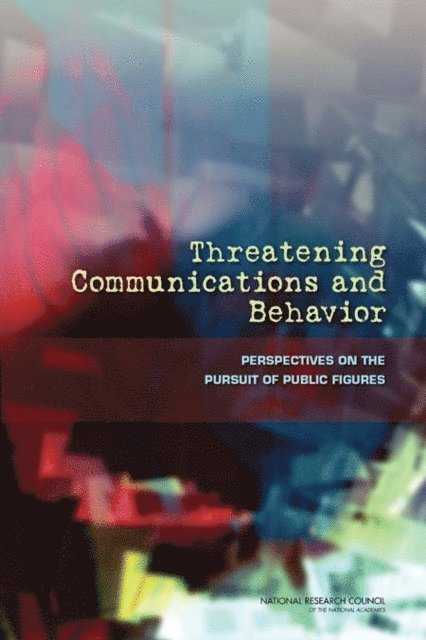
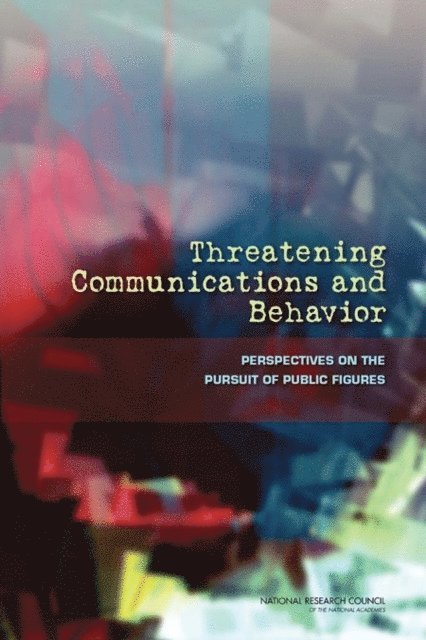
Today''s world of rapid social, technological, and behavioral change provides new opportunities for communications with few limitations of time and space. Through these communications, people leave behind an ever-growing collection of traces of their daily activities, including digital footprints provided by text, voice, and other modes of communication. Meanwhile, new techniques for aggregating and evaluating diverse and multimodal information sources are available to security services that must reliably identify communications indicating a high likelihood of future violence.
In the context of this changed and changing world of communications and behavior, the Board on Behavioral, Cognitive, and Sensory Sciences of the National Research Council presents this volume of three papers as one portion of the vast subject of threatening communications and behavior. The papers review the behavioral and social sciences research on the likelihood that someone who engages in abnormal and/or threatening communications will actually then try to do harm. The focus is on how the scientific knowledge can inform and advance future research on threat assessments, in part by considering the approaches and techniques used to analyze communications and behavior in the dynamic context of today''s world.
The papers in the collection were written within the context of protecting high-profile public figures from potential attach or harm. The research, however, is broadly applicable to U.S. national security including potential applications for analysis of communications from leaders of hostile nations and public threats from terrorist groups. This work highlights the complex psychology of threatening communications and behavior, and it offers knowledge and perspectives from multiple domains that contribute to a deeper understanding of the value of communications in predicting and preventing violent behaviors.
953 kr
Läs direkt efter köp
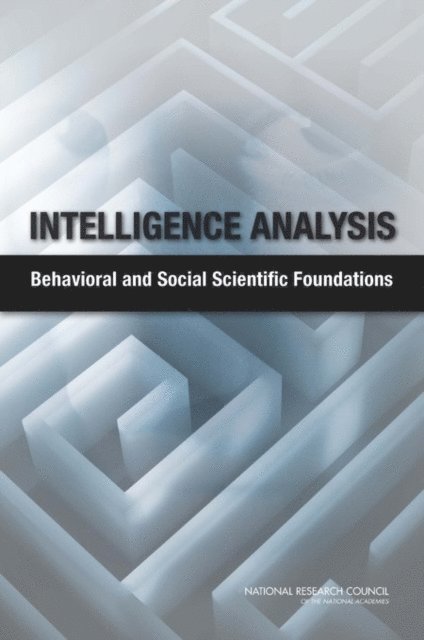
The U.S. intelligence community (IC) is a complex human enterprise whose success depends on how well the people in it perform their work. Although often aided by sophisticated technologies, these people ultimately rely on their own intellect to identify, synthesize, and communicate the information on which the nation''s security depends. The IC''s success depends on having trained, motivated, and thoughtful people working within organizations able to understand, value, and coordinate their capabilities.Intelligence Analysis provides up-to-date scientific guidance for the intelligence community (IC) so that it might improve individual and group judgments, communication between analysts, and analytic processes. The papers in this volume provide the detailed evidentiary base for the National Research Council''s report, Intelligence Analysis for Tomorrow: Advances from the Behavioral and Social Sciences. The opening chapter focuses on the structure, missions, operations, and characteristics of the IC while the following 12 papers provide in-depth reviews of key topics in three areas: analytic methods, analysts, and organizations.Informed by the IC''s unique missions and constraints, each paper documents the latest advancements of the relevant science and is a stand-alone resource for the IC''s leadership and workforce. The collection allows readers to focus on one area of interest (analytic methods, analysts, or organizations) or even one particular aspect of a category. As a collection, the volume provides a broad perspective of the issues involved in making difficult decisions, which is at the heart of intelligence analysis.
559 kr
Läs direkt efter köp
Today''s world of rapid social, technological, and behavioral change provides new opportunities for communications with few limitations of time and space. Through these communications, people leave behind an ever-growing collection of traces of their daily activities, including digital footprints provided by text, voice, and other modes of communication. Meanwhile, new techniques for aggregating and evaluating diverse and multimodal information sources are available to security services that must reliably identify communications indicating a high likelihood of future violence.
In the context of this changed and changing world of communications and behavior, the Board on Behavioral, Cognitive, and Sensory Sciences of the National Research Council presents this volume of three papers as one portion of the vast subject of threatening communications and behavior. The papers review the behavioral and social sciences research on the likelihood that someone who engages in abnormal and/or threatening communications will actually then try to do harm. The focus is on how the scientific knowledge can inform and advance future research on threat assessments, in part by considering the approaches and techniques used to analyze communications and behavior in the dynamic context of today''s world.
The papers in the collection were written within the context of protecting high-profile public figures from potential attach or harm. The research, however, is broadly applicable to U.S. national security including potential applications for analysis of communications from leaders of hostile nations and public threats from terrorist groups. This work highlights the complex psychology of threatening communications and behavior, and it offers knowledge and perspectives from multiple domains that contribute to a deeper understanding of the value of communications in predicting and preventing violent behaviors.