Chin Wei Lai – författare
Visar alla böcker från författaren Chin Wei Lai. Handla med fri frakt och snabb leverans.
4 produkter
4 produkter
Häftad, Engelska, 2025
1 765 kr
Skickas inom 10-15 vardagar
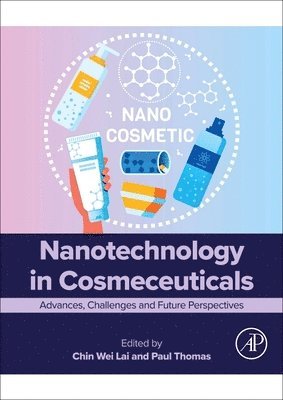
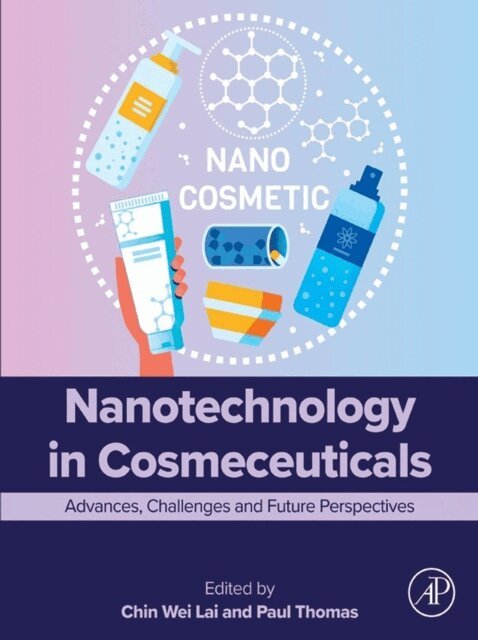
Nanotechnology in Cosmeceuticals: Advances, Challenges and Future Perspectives explores the fundamental principles of nanotechnology in cosmetics required to understand chemistry related formulation and the dermatological effects of these products. This book by provides an in-depth analysis of nanotechnology in cosmeceuticals, covering pharmaceutical, chemical, and toxicological aspects. The contents of this book are divided in seven parts. The first lays the foundations of cosmetics, and nanotechnology applications. The second part focuses no nano-metaloxides, including titanium, zinc, gold, silver and others. The third part covers carbon-based products in cosmeceuticals with chapters on graphene, nano-hydroxyapatite, and general carbon-based products. The next part focuses on nano-organics, nanocellulose and biodegradable materials. Part five is dedicated to formulations of liposomes, lipids in drug delivery. Part six covers recent trends, advances, applications and progress of nanotechnology and nano products in cosmeceuticals. The final part focuses on safety and toxicity aspects of nano-cosmeceuticals. Nanotechnology in Cosmeceuticals: Advances, Challenges and Future Perspectives is an ideal reference for pharmacologists, cosmetic scientists, and chemists in academic research and corporate settings looking into leveraging nanoscience to improve the performance of cosmetics. Dermatologists and food scientists may also benefit from the foundational content present in the first part of the book.Covers the nanoscience, nanotechnology, and chemistry approaches in preparation, function, and interaction of cosmetic products with the skinIncludes examples of how nanostructures increase the efficacy of cosmetics productsSystematically describes the production procedures of oral care cosmetics and body cosmeticsAddresses issues of cosmetics' safety and environmental impact
E-bok
Engelska, 20252 314 kr
Läs direkt efter köp
Nanotechnology in Cosmeceuticals: Advances, Challenges and Future Perspectives explores the fundamental principles of nanotechnology in cosmetics required to understand chemistry related formulation and the dermatological effects of these products. This book by provides an in-depth analysis of nanotechnology in cosmeceuticals, covering pharmaceutical, chemical, and toxicological aspects. The contents of this book are divided in seven parts. The first lays the foundations of cosmetics, and nanotechnology applications. The second part focuses no nano-metaloxides, including titanium, zinc, gold, silver and others. The third part covers carbon-based products in cosmeceuticals with chapters on graphene, nano-hydroxyapatite, and general carbon-based products. The next part focuses on nano-organics, nanocellulose and biodegradable materials. Part five is dedicated to formulations of liposomes, lipids in drug delivery. Part six covers recent trends, advances, applications and progress of nanotechnology and nano products in cosmeceuticals. The final part focuses on safety and toxicity aspects of nano-cosmeceuticals. Nanotechnology in Cosmeceuticals: Advances, Challenges and Future Perspectives is an ideal reference for pharmacologists, cosmetic scientists, and chemists in academic research and corporate settings looking into leveraging nanoscience to improve the performance of cosmetics. Dermatologists and food scientists may also benefit from the foundational content present in the first part of the book. - Covers the nanoscience, nanotechnology, and chemistry approaches in preparation, function, and interaction of cosmetic products with the skin- Includes examples of how nanostructures increase the efficacy of cosmetics products- Systematically describes the production procedures of oral care cosmetics and body cosmetics- Addresses issues of cosmetics' safety and environmental impact
Inbunden, Engelska, 2025
1 841 kr
Skickas inom 5-8 vardagar
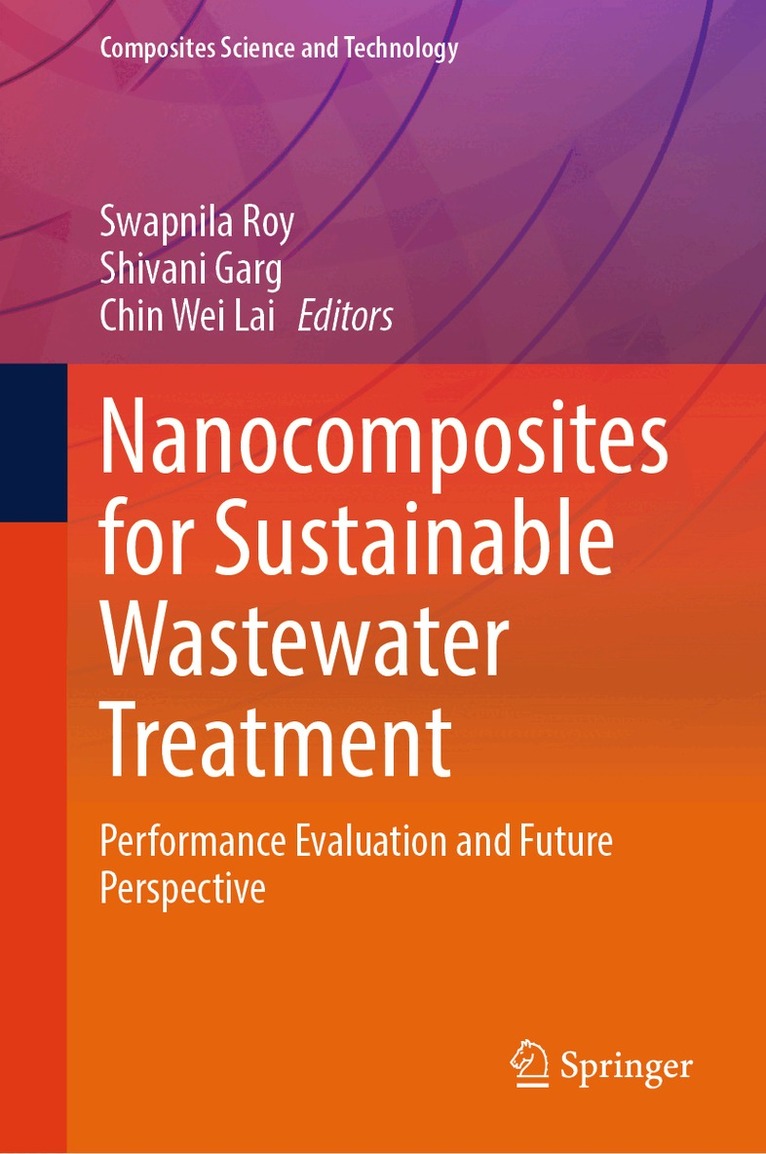
This book focuses on creating and utilizing eco-friendly nanocomposites for efficient wastewater treatment. This book explores these cutting-edge materials' synthesis, characterization, and performance assessment, highlighting their contribution to the advancement of environmentally friendly water purification methods. It outlines comprehensive methods for creating environmentally friendly nanocomposites, incorporating green chemistry strategies, as well as sophisticated characterization procedures to assess their functional, chemical, and structural attributes. Detailed examination of how well the nanocomposites remove organic pollutants, heavy metals, and pathogens from wastewater is also explored. Lastly, it looks at how this field of study will develop going forward, taking into account new developments in technology, possible obstacles, and the wider effects of these materials on international water management plans. The book caters primarily to researchers and academics who are interested in the most recent developments in sustainable water treatment technologies. These scholars include those in the fields of environmental science, materials science, nanotechnology, and chemical engineering. They will get a thorough grasp of the synthesis, characterization, and uses of environmentally friendly nanocomposites from the book.
E-bok
Engelska, 20252 283 kr
Läs direkt efter köp
This book focuses on creating and utilizing eco-friendly nanocomposites for efficient wastewater treatment. This book explores these cutting-edge materials' synthesis, characterization, and performance assessment, highlighting their contribution to the advancement of environmentally friendly water purification methods. It outlines comprehensive methods for creating environmentally friendly nanocomposites, incorporating green chemistry strategies, as well as sophisticated characterization procedures to assess their functional, chemical, and structural attributes. Detailed examination of how well the nanocomposites remove organic pollutants, heavy metals, and pathogens from wastewater is also explored. Lastly, it looks at how this field of study will develop going forward, taking into account new developments in technology, possible obstacles, and the wider effects of these materials on international water management plans. The book caters primarily to researchers and academics who are interested in the most recent developments in sustainable water treatment technologies. These scholars include those in the fields of environmental science, materials science, nanotechnology, and chemical engineering. They will get a thorough grasp of the synthesis, characterization, and uses of environmentally friendly nanocomposites from the book.