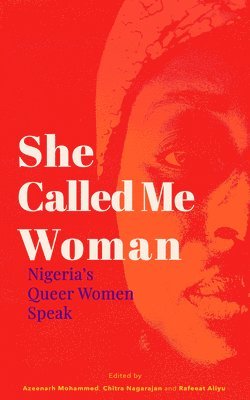
“We put together this collection of twenty-five narratives to correct the invisibility, the confusion, the caricaturising and the writing out of queer women from history.”This stirring and intimate collection brings together 25 captivating narratives to paint a vivid portrait of what it means to be a queer Nigerian woman. Covering an array of experiences - the joy and excitement of first love, the agony of lost love and betrayal, the sometimes-fraught relationship between sexuality and spirituality, addiction and suicide, childhood games and laughter - She Called Me Woman sheds light on how Nigerian queer women, despite their differences, attempt to build a life together in a climate of fear.Through first-hand accounts, She Called Me Woman challenges us to rethink what it means to be a Nigerian ‘woman’, negotiating relationships, money, sexuality and freedom, identifying outside the gender binary, and the difficulties of achieving hopes and dreams under the constraints of societal expectations and legal terrorism.These beautifully told stories of resistance and resilience reveal the realities of a community that refuses to be invisible any longer.
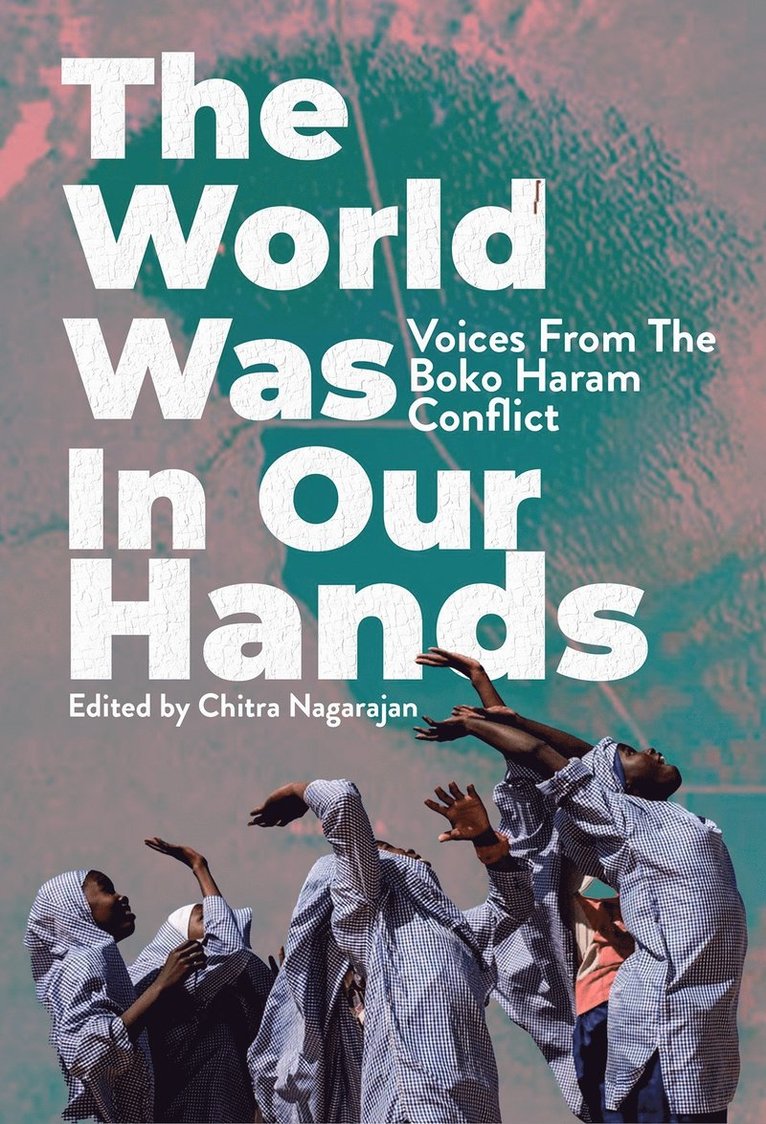
A ground-breaking collection of first-hand accounts from people of all walks of life living through the Boko Haram conflict. The World was in Our Hands features interviews with 47 people of all genders, ages and a variety of religious backgrounds, whose lives have been forever changed by the Boko Haram Conflict. It goes beyond news reels and familiar events like the Chibok girls, to show the foreground the realities of those who are living through the conflict and presenting the humanity of all concerned. These narratives explore patriarchy, the economy, climate change and corruption, presenting a nuanced and comprehensive understanding of the conflict.Chitra Nagarajan is a journalist and writer who writes on climate change, conflict, feminism, foreign policy, migration, Nigeria and the wider Lake Chad region, race and sexual orientation, gender identity and gender expression. She draws from her extensive experience in conflict zones in this collection, conducting interviews across refugee camps and other areas impacted by the conflict.The World was in Our Hands is an essential historical archive, perfect for readers interested in personal narratives that go beyond the headlines. A testament to the strength of the human story, it appeals to readers looking for powerful and inspirational stories of resilience.
“We put together this collection of twenty-five narratives to correct the invisibility, the confusion, the caricaturising and the writing out of queer women from history.”This stirring and intimate collection brings together 25 captivating narratives to paint a vivid portrait of what it means to be a queer Nigerian woman. Covering an array of experiences - the joy and excitement of first love, the agony of lost love and betrayal, the sometimes-fraught relationship between sexuality and spirituality, addiction and suicide, childhood games and laughter - She Called Me Woman sheds light on how Nigerian queer women, despite their differences, attempt to build a life together in a climate of fear.Through first-hand accounts, She Called Me Woman challenges us to rethink what it means to be a Nigerian ‘woman’, negotiating relationships, money, sexuality and freedom, identifying outside the gender binary, and the difficulties of achieving hopes and dreams under the constraints of societal expectations and legal terrorism.These beautifully told stories of resistance and resilience reveal the realities of a community that refuses to be invisible any longer.
A ground-breaking collection of first-hand accounts from people of all walks of life living through the Boko Haram conflict. The World was in Our Hands features interviews with 47 people of all genders, ages and a variety of religious backgrounds, whose lives have been forever changed by the Boko Haram Conflict. It goes beyond news reels and familiar events like the Chibok girls, to show the foreground the realities of those who are living through the conflict and presenting the humanity of all concerned. These narratives explore patriarchy, the economy, climate change and corruption, presenting a nuanced and comprehensive understanding of the conflict.Chitra Nagarajan is a journalist and writer who writes on climate change, conflict, feminism, foreign policy, migration, Nigeria and the wider Lake Chad region, race and sexual orientation, gender identity and gender expression. She draws from her extensive experience in conflict zones in this collection, conducting interviews across refugee camps and other areas impacted by the conflict.The World was in Our Hands is an essential historical archive, perfect for readers interested in personal narratives that go beyond the headlines. A testament to the strength of the human story, it appeals to readers looking for powerful and inspirational stories of resilience.