Chris Durante - Böcker
Visar alla böcker från författaren Chris Durante. Handla med fri frakt och snabb leverans.
4 produkter
4 produkter
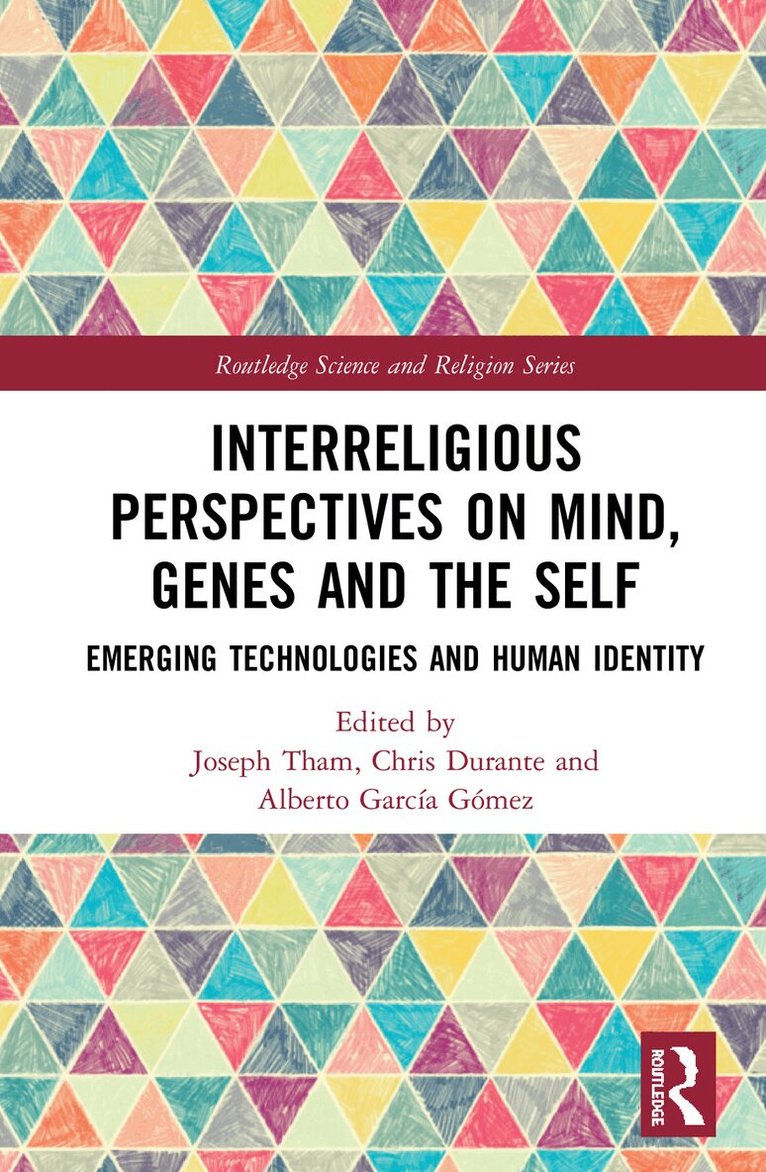
Interreligious Perspectives on Mind, Genes and the Self
Emerging Technologies and Human Identity
Häftad, Engelska, 2020
629 kr
Skickas inom 10-15 vardagar
Attitudes towards science, medicine and the body are all profoundly shaped by people’s worldviews. When discussing issues of bioethics, religion often plays a major role. In this volume, the role of genetic manipulation and neurotechnology in shaping human identity is examined from multiple religious perspectives. This can help us to understand how religion might affect the impact of the initiatives such as the UNESCO Declaration in Bioethics and Human Rights. The book features bioethics experts from six major religions: Buddhism, Confucianism, Christianity, Islam, Hinduism, and Judaism. It includes a number of distinct religious and cultural views on the anthropological, ethical and social challenges of emerging technologies in the light of human rights and in the context of global bioethics. The contributors work together to explore issues such as: cultural attitudes to gene editing; neuroactive drugs; the interaction between genes and behaviours; the relationship between the soul, the mind and DNA; and how can clinical applications of these technologies benefit the developing world. This is a significant collection, demonstrating how religion and modern technologies relate to one another. It will, therefore, be of great interest to academics working in bioethics, religion and the body, interreligious dialogue, and religion and science, technology and neuroscience.
Interreligious Perspectives on Mind, Genes and the Self
Emerging Technologies and Human Identity
Inbunden, Engelska, 2018
2 103 kr
Skickas inom 10-15 vardagar
Attitudes towards science, medicine and the body are all profoundly shaped by people’s worldviews. When discussing issues of bioethics, religion often plays a major role. In this volume, the role of genetic manipulation and neurotechnology in shaping human identity is examined from multiple religious perspectives. This can help us to understand how religion might affect the impact of the initiatives such as the UNESCO Declaration in Bioethics and Human Rights. The book features bioethics experts from six major religions: Buddhism, Confucianism, Christianity, Islam, Hinduism, and Judaism. It includes a number of distinct religious and cultural views on the anthropological, ethical and social challenges of emerging technologies in the light of human rights and in the context of global bioethics. The contributors work together to explore issues such as: cultural attitudes to gene editing; neuroactive drugs; the interaction between genes and behaviours; the relationship between the soul, the mind and DNA; and how can clinical applications of these technologies benefit the developing world. This is a significant collection, demonstrating how religion and modern technologies relate to one another. It will, therefore, be of great interest to academics working in bioethics, religion and the body, interreligious dialogue, and religion and science, technology and neuroscience.
Del 9 - Advancing Global Bioethics
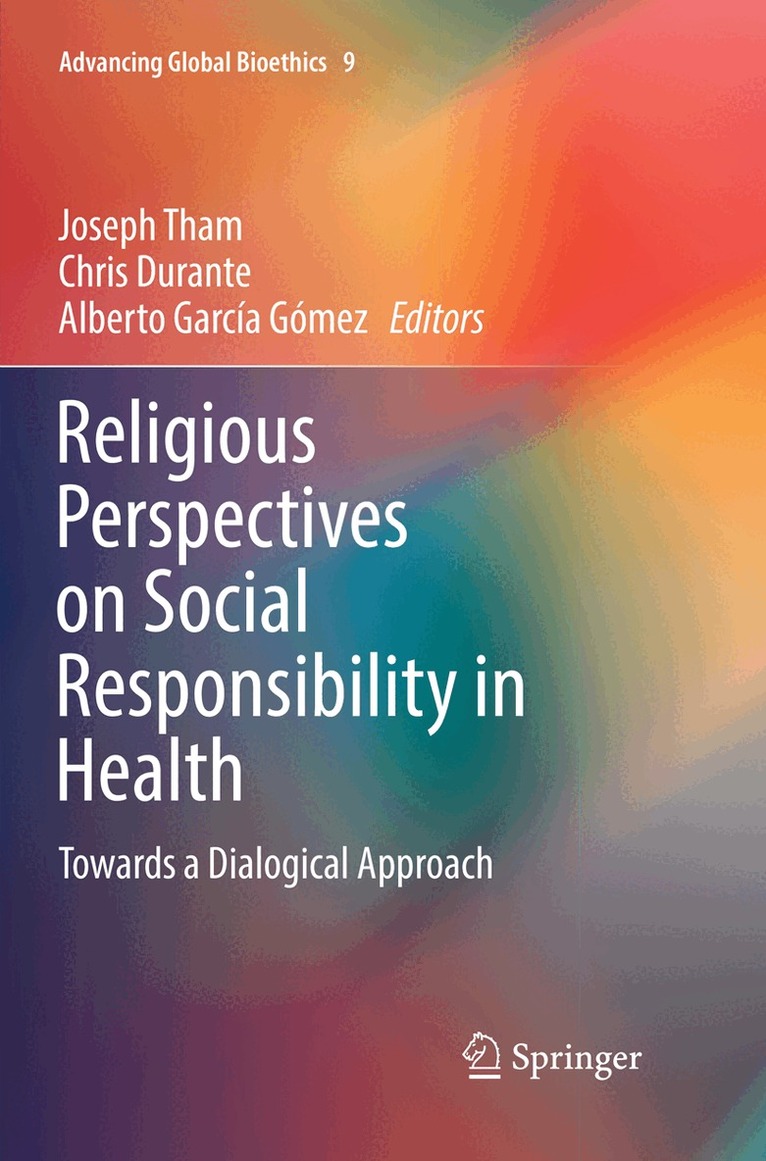
Religious Perspectives on Social Responsibility in Health
Towards a Dialogical Approach
Häftad, Engelska, 2018
1 064 kr
Skickas inom 10-15 vardagar
This book discuss the meaning and implications of the social and ethical implications of the notion of social responsibility in healthcare in six major world religions — Buddhism, Christianity, Confucianism, Hinduism, Islam, & Judaism.
Del 9 - Advancing Global Bioethics
Religious Perspectives on Social Responsibility in Health
Towards a Dialogical Approach
Inbunden, Engelska, 2018
1 064 kr
Skickas inom 10-15 vardagar
This book discuss the meaning and implications of the social and ethical implications of the notion of social responsibility in healthcare in six major world religions — Buddhism, Christianity, Confucianism, Hinduism, Islam, & Judaism. This collection of papers is based on a four-day workshop where bioethics experts from various religious traditions gathered. They discussed the ways in which their respective traditions could, or could not, uphold the tenets of Article 14 of UNESCO's Universal Declaration of bioethics and Human Rights. The different papers presented in this book are based on this interchange of ideas at the workshop. The book explores the potential points of convergence among the various perspectives presented, as well as a discussion on the ways in which their moral differences may be managed. The managing of these moral differences through international socio-ethical mechanisms, contributes significantly to the UNESCO Universal Declaration of Bioethics and Human Rights’ goal of simultaneously respecting religio-cultural pluralism while upholding a commitment to human rights.