Christian Dayé – författare
1 125 kr
Skickas inom 10-15 vardagar
1 408 kr
Läs direkt efter köp
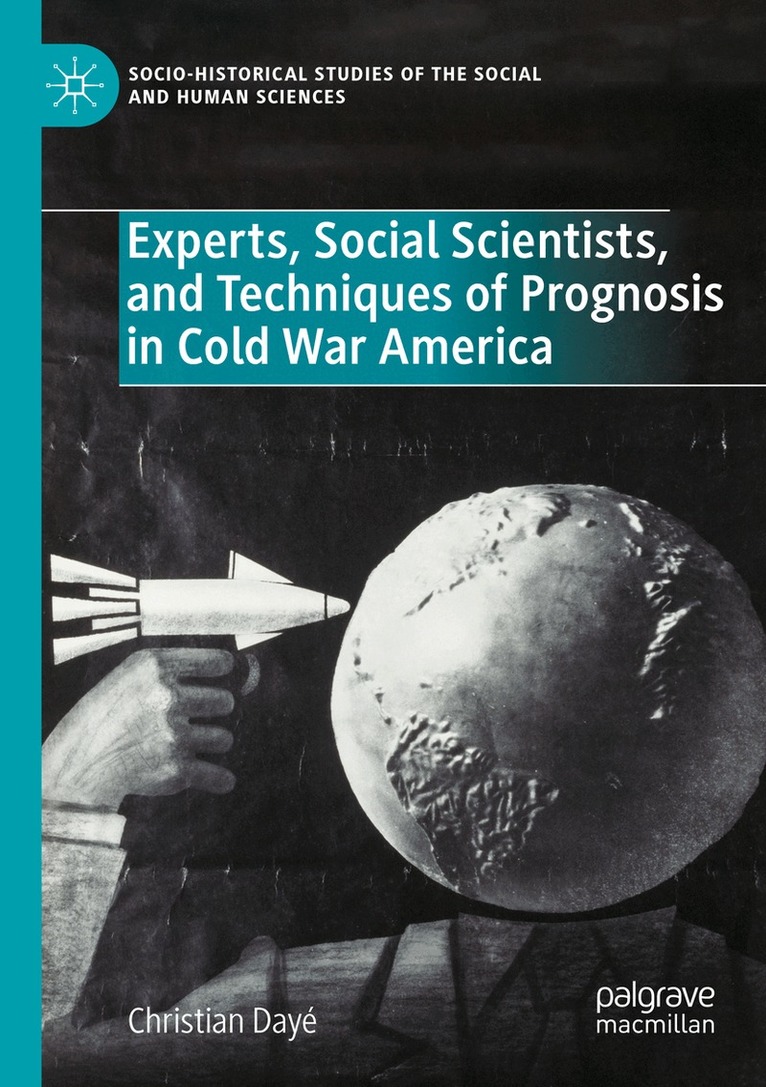
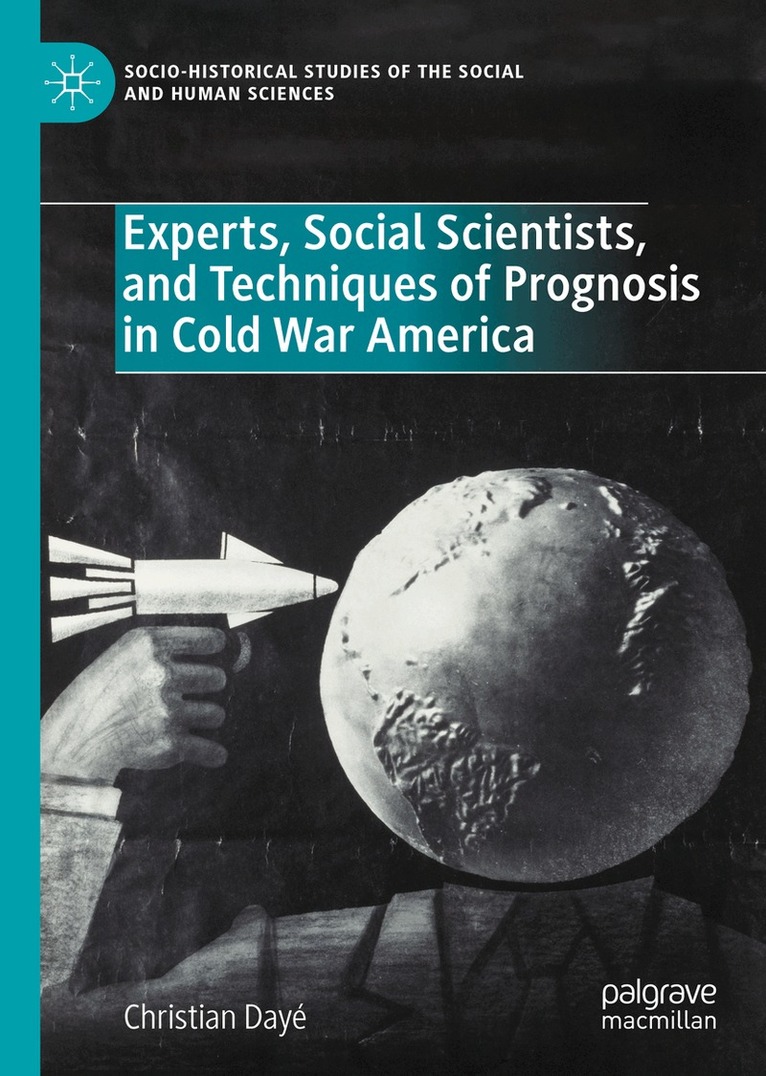
This book describes how Cold War researchers used expert opinions to construct foreknowledge of geopolitical relevance. Focusing on the RAND Corporation, an American think tank with close relations to the armed forces, Dayé analyses the development of two techniques of prognosis, the Delphi technique and Political Gaming.
Based on archival research and interviews, the chapters explore the history of this series of experiments to understand how contemporary social scientists conceived of one of the core categories of the Cold War, the expert, and uncover the systematic use of expert opinions to craft prognoses.
This consideration of the expert’s role in Cold War society and what that can tell us about the role of the expert today will be of interest to students and scholars across the history of science, the sociology of knowledge, future studies, the history of the Cold War, social science methodology, and social policy.
790 kr
Skickas inom 10-15 vardagar
1 796 kr
Skickas inom 10-15 vardagar
2 273 kr
Läs direkt efter köp
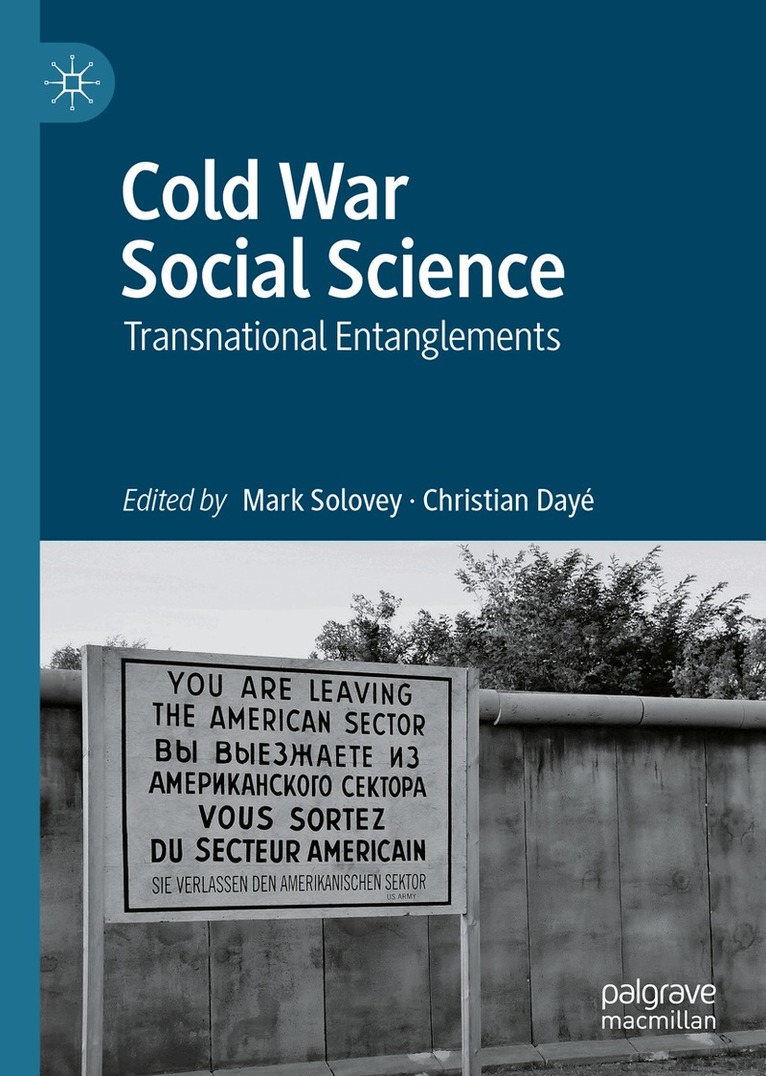
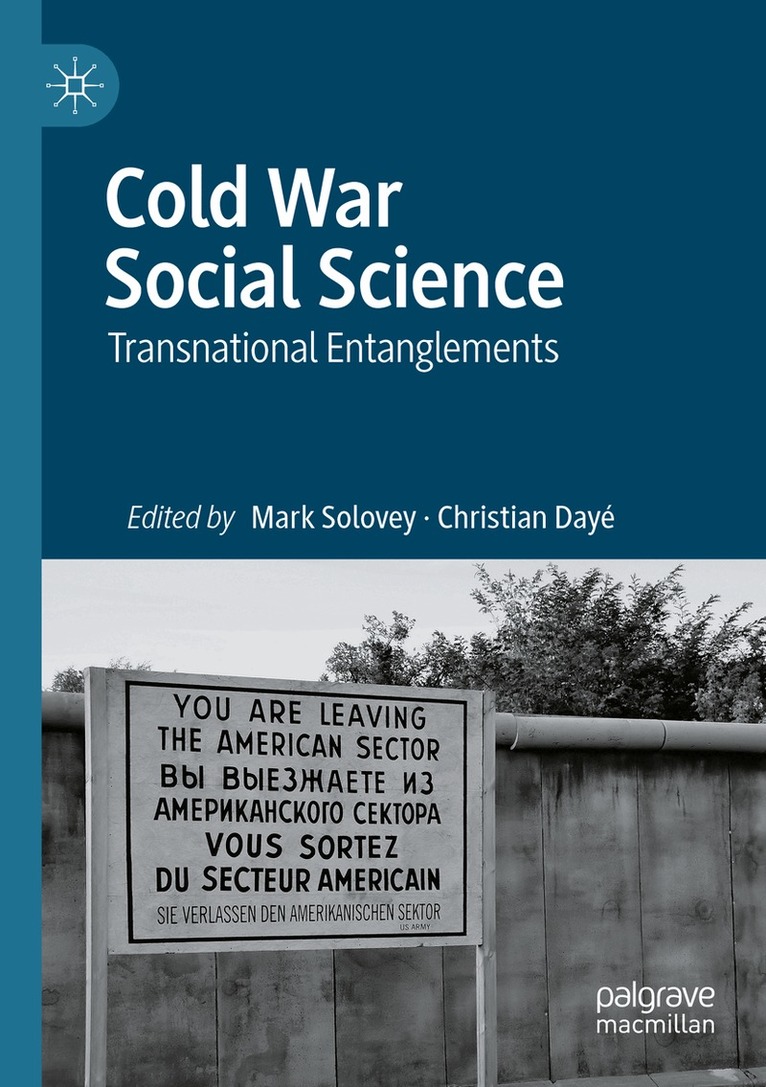
This book explores how the social sciences became entangled with the global Cold War. While duly recognizing the realities of nation states, national power, and national aspirations, the studies gathered here open up new lines of transnational investigation. Considering developments in a wide array of fields – anthropology, development studies, economics, education, political science, psychology, science studies, and sociology – that involved the movement of people, projects, funding, and ideas across diverse national contexts, this volume pushes scholars to rethink certain fundamental points about how we should understand – and thus how we should study – Cold War social science itself.
1 796 kr
Skickas inom 10-15 vardagar
1 052 kr
Skickas inom 10-15 vardagar
1 059 kr
Läs direkt efter köp
In diesem Buch wird beschrieben, wie Forscher:innen in der Zeit des Kalten Kriegs die Meinungen von Expert:innen nutzten, um Prognosen über Entwicklungen von geopolitischer Bedeutung zu konstruieren. Am Beispiel der RAND Corporation, einer US-amerikanischen Denkfabrik mit engen Beziehungen zu Militär und Pentagon, analysiert der Autor die Entwicklung von zwei Prognosetechniken, der Delphi-Befragung und dem politischen Planspiel.
Auf der Grundlage von Archivrecherchen und Interviews untersuchen die Kapitel die Entwicklung dieser Techniken. Dabei wird freigelegt, wie zeitgenössische Sozialwissenschaftler:innen eine der zentralen Kategorien der Kultur des Kalten Krieges, nämlich jene der:s Expert:in, auffassten. Die damals entwickelten Methoden der Sozialprognose dienen somit als Quellen einer breiteren Erörterung des Stellenwerts von Wissen und Wissenschaft in der Gesellschaft zur Zeit des Kalten Kriegs.
550 kr
Skickas inom 10-15 vardagar
687 kr
Läs direkt efter köp