Christian Salas – författare
Visar alla böcker från författaren Christian Salas. Handla med fri frakt och snabb leverans.
9 produkter
9 produkter
Häftad, Engelska, 2021
528 kr
Skickas inom 10-15 vardagar
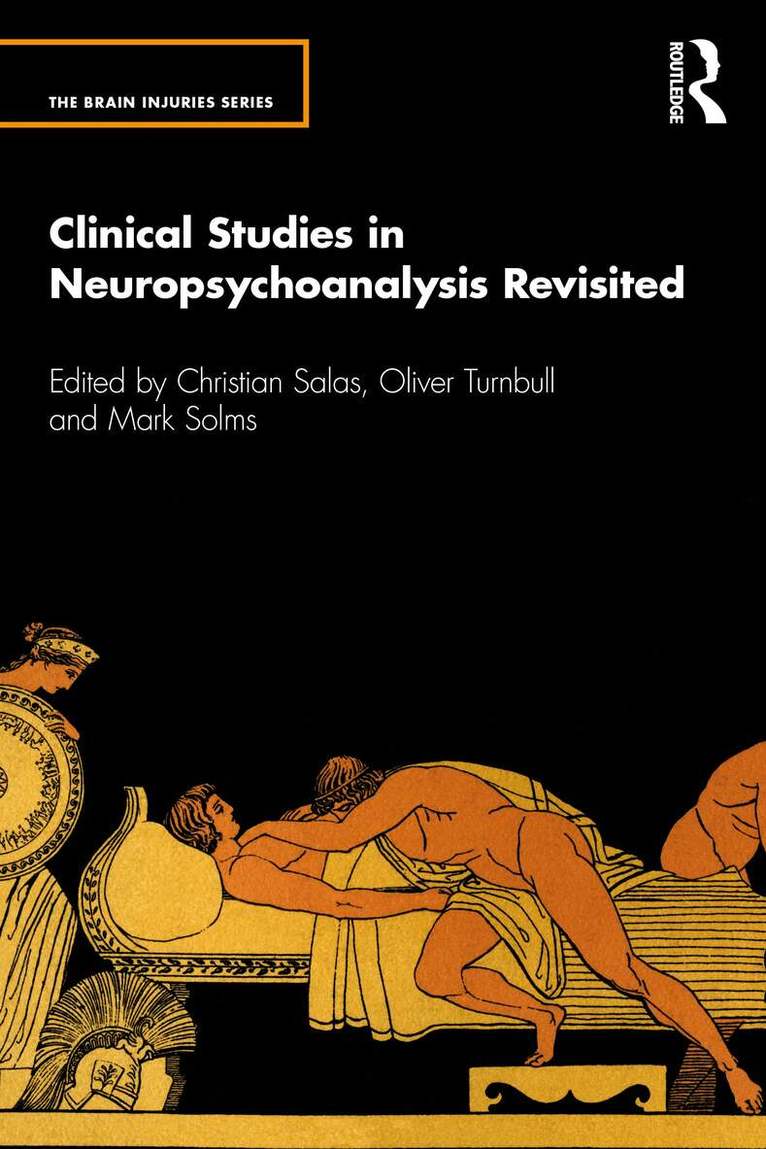
In the past few decades, we have accumulated an impressive amount of knowledge regarding the neural basis of the mind. One of the most important sources of this knowledge has been the in-depth study of individuals with focal brain damage and other neurological disorders. This book offers a unique perspective, in that it uses a combination of neuropsychology and psychoanalytic knowledge from diverse schools (Freudian, Kleinian, Lacanian, Relational, etc.), to explore how damage to specific areas of the brain can change the mind.Twenty years after the publication of Clinical Studies in Neuro-Psychoanalysis, this book continues the pioneering work of Mark Solms and Karen Kaplan-Solms, bringing together clinicians and researchers from all over the world to report key developments in the field. They present a rich set of new case studies, from a diverse range of brain injuries, neuropsychological impairments and even degenerative and paediatric pathologies.This volume will be of immense value to those working with neurological populations that want to incorporate psychoanalytic ideas in case formulations, as well as for those who want to introduce themselves in the neurological basis of psychoanalytic models of the mind and the broader psychoanalytic community.
Inbunden, Engelska, 2021
1 943 kr
Skickas inom 10-15 vardagar
In the past few decades, we have accumulated an impressive amount of knowledge regarding the neural basis of the mind. One of the most important sources of this knowledge has been the in-depth study of individuals with focal brain damage and other neurological disorders. This book offers a unique perspective, in that it uses a combination of neuropsychology and psychoanalytic knowledge from diverse schools (Freudian, Kleinian, Lacanian, Relational, etc.), to explore how damage to specific areas of the brain can change the mind.Twenty years after the publication of Clinical Studies in Neuro-Psychoanalysis, this book continues the pioneering work of Mark Solms and Karen Kaplan-Solms, bringing together clinicians and researchers from all over the world to report key developments in the field. They present a rich set of new case studies, from a diverse range of brain injuries, neuropsychological impairments and even degenerative and paediatric pathologies.This volume will be of immense value to those working with neurological populations that want to incorporate psychoanalytic ideas in case formulations, as well as for those who want to introduce themselves in the neurological basis of psychoanalytic models of the mind and the broader psychoanalytic community.
Häftad, Engelska, 2023
506 kr
Skickas inom 10-15 vardagar
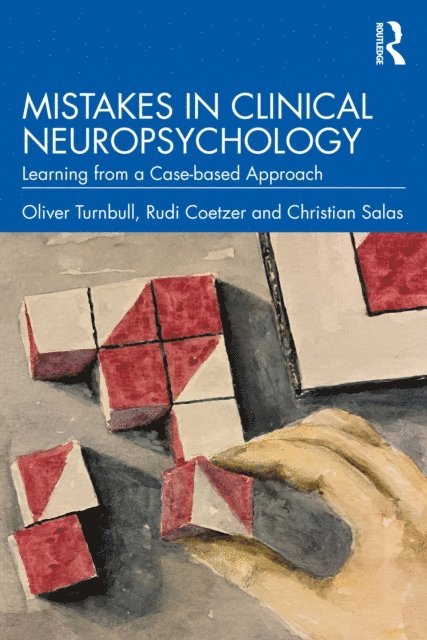
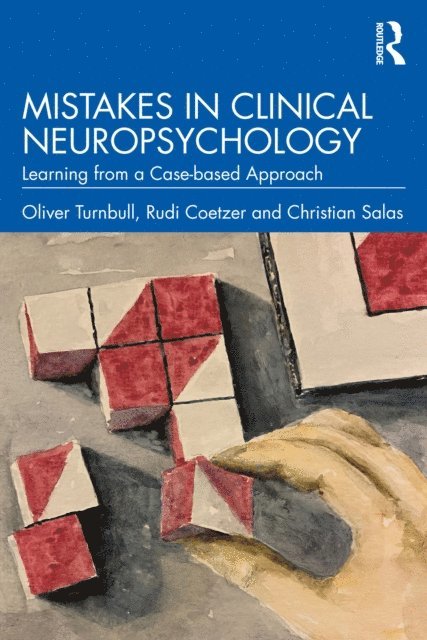
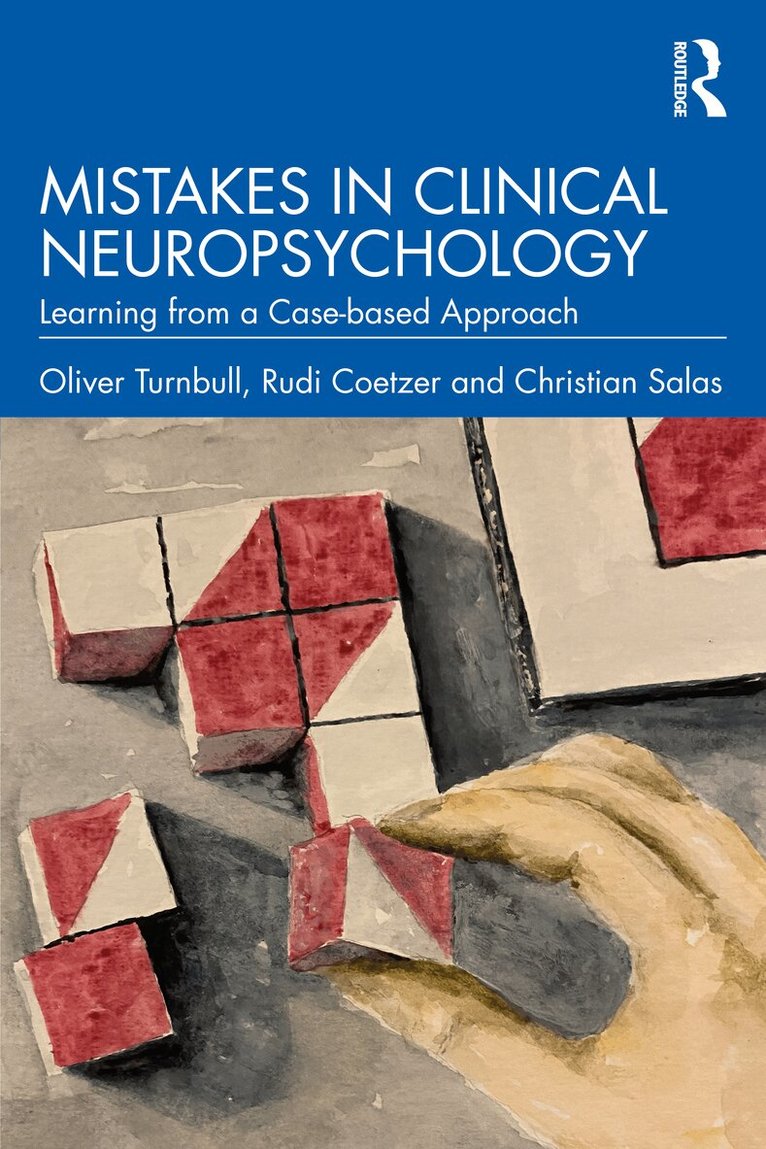
This innovative book uses a case-based approach to discuss mistakes made in the practice of clinical neuropsychology to form a helpful tool in the training of early career clinicians. By allowing readers space for critical reflection during clinical practice, the book teaches competency in clinical neuropsychology, through the examination of errors as a central part of the learning process.The core of this book is a diverse series of mistakes, each embedded as a patient narrative. Each chapter is based around an example error, typically one that was made, by the authors, as early career clinicians. Early chapters focus on mistakes in neuropsychological assessment, and the diagnostic process. Later chapters focus on errors in rehabilitation and management. Each chapter is framed to reflect the situational context, for example the role of history, what constitutes normal performance, the way that complex tasks rely on foundational skills, or the treatment of patients with dysexecutive impairment. Towards the end of each chapter there is reflection on the nature of each error type. As such, each chapter follows the structure SEER (Situation, Example, Error, Reflection), helping the reader to imagine the situation around the mistake, its nature and relevance. The book especially emphasises small phrases of insight (axioms, or gnomes) that are widely used by experienced clinicians. This is valuable reading for students of clinical neuropsychology, occupational therapy and speech and language therapy as well as professionals in these fields such as neurologists, psychiatrists and other rehabilitation therapists. It is especially appropriate for those in the earlier stages of their career in clinical neuropsychology, or in related disciplines which involve the assessment and treatment of patients with neurological disorders that impair cognition or disrupt the regulation of emotion. However, experienced clinicians will also find it includes interesting insights to improve their practice.
Inbunden, Engelska, 2023
2 002 kr
Skickas inom 10-15 vardagar
This innovative book uses a case-based approach to discuss mistakes made in the practice of clinical neuropsychology to form a helpful tool in the training of early career clinicians. By allowing readers space for critical reflection during clinical practice, the book teaches competency in clinical neuropsychology, through the examination of errors as a central part of the learning process.The core of this book is a diverse series of mistakes, each embedded as a patient narrative. Each chapter is based around an example error, typically one that was made, by the authors, as early career clinicians. Early chapters focus on mistakes in neuropsychological assessment, and the diagnostic process. Later chapters focus on errors in rehabilitation and management. Each chapter is framed to reflect the situational context, for example the role of history, what constitutes normal performance, the way that complex tasks rely on foundational skills, or the treatment of patients with dysexecutive impairment. Towards the end of each chapter there is reflection on the nature of each error type. As such, each chapter follows the structure SEER (Situation, Example, Error, Reflection), helping the reader to imagine the situation around the mistake, its nature and relevance. The book especially emphasises small phrases of insight (axioms, or gnomes) that are widely used by experienced clinicians. This is valuable reading for students of clinical neuropsychology, occupational therapy and speech and language therapy as well as professionals in these fields such as neurologists, psychiatrists and other rehabilitation therapists. It is especially appropriate for those in the earlier stages of their career in clinical neuropsychology, or in related disciplines which involve the assessment and treatment of patients with neurological disorders that impair cognition or disrupt the regulation of emotion. However, experienced clinicians will also find it includes interesting insights to improve their practice.
Häftad, Engelska, 2026
523 kr
Kommande
Interviewing Neuropsychological Rehabilitation: (Volume I: Beginnings) offers a reflective and dialogical exploration of the origins of neuropsychological rehabilitation through the voices of those who helped shape its early development. Compiled and edited by Dr. Christian Salas, this volume brings together a series of in-depth interviews that trace how the field emerged—not as a predefined discipline, but as a set of practices, ideas, and encounters that gradually took form across time and contexts.Focusing on the formative years of neuropsychological rehabilitation, Beginnings examines the intellectual, clinical, and personal trajectories that contributed to its foundation. Through conversations with leading figures such as George Prigatano, Barbara Wilson, Anne-Lise Christensen, Lance Trexler, Masahiro Nochi, Mark Ylvisaker, Pamela Klonoff, Jill Winegardner, Tedd Judd, Jennie Ponsford and Elena Márquez, the volume highlights how the field was shaped by interdisciplinary influences, institutional developments, and the lived experiences of clinicians and patients alike. Rather than presenting a linear history, the book reveals a field constructed through dialogue, experimentation, and the ongoing negotiation between theory and practice.Set against the backdrop of Chile—whose name means “the ends of the earth”—the book adopts a decolonial and cross-cultural perspective, situating these stories within a broader global context and foregrounding the relational and situated nature of knowledge production. In doing so, it portrays neuropsychological rehabilitation not as a finished body of knowledge, but as a discipline whose beginnings remain present in its current practices.This volume will be of interest to clinicians, researchers, and students in clinical neuropsychology, rehabilitation, psychotherapy, and allied health fields seeking to understand how the discipline came into being and how its foundational ideas continue to shape contemporary practice.
Häftad, Engelska, 2026
523 kr
Kommande
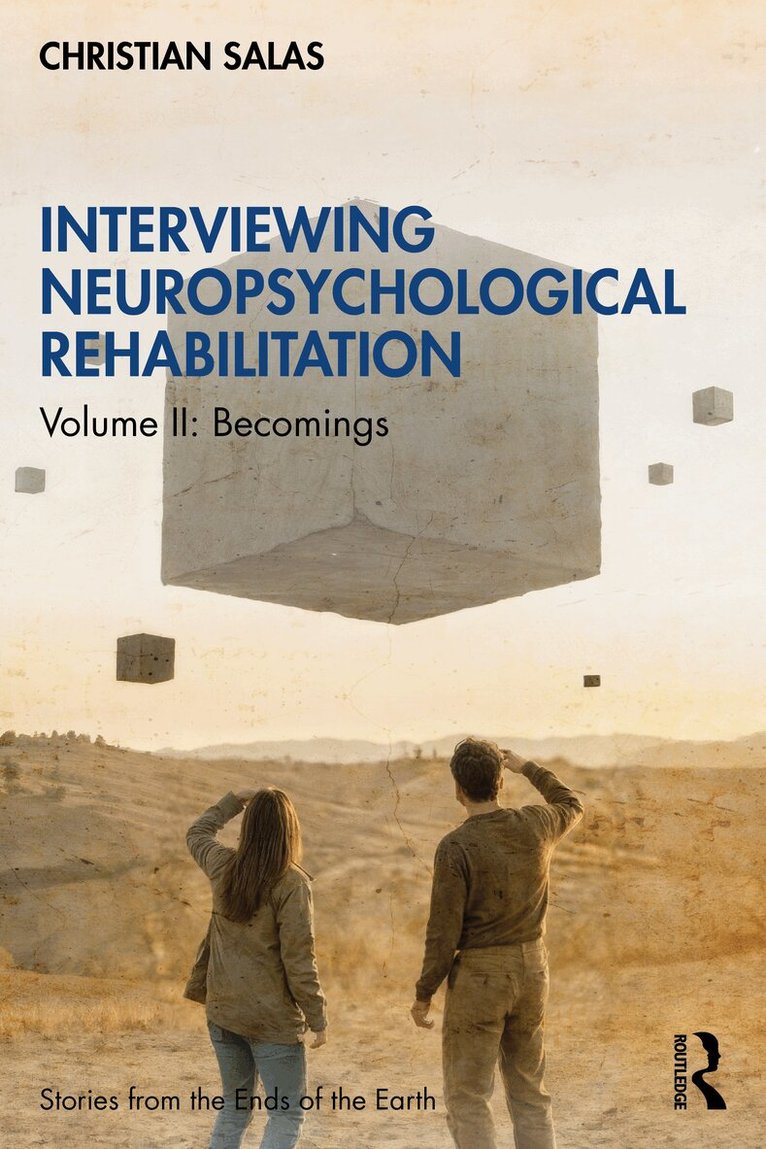
Interviewing Neuropsychological Rehabilitation: Volume II Becomings, in the Stories from the Ends of the Earth series, offers a reflective and dialogical exploration of neuropsychological rehabilitation through the voices of those who have shaped—and continue to shape—the field. Compiled and edited by Dr. Christian Salas, this volume brings together a series of in-depth interviews that illuminate how the discipline has evolved not as a finished body of knowledge, but as an ongoing process of construction, adaptation, and expansion.While the first volume traced the origins and foundational developments of neuropsychological rehabilitation, Becomings focuses on what the field is becoming. It captures a moment in which the discipline is widening its scope—moving beyond its traditional cognitive and functional focus to engage more explicitly with dimensions that were historically present but often underemphasized. Through conversations with leading figures such as Jon Evans, Rudi Coetzer, Urvashi Shah, Ann Watts, Sofía Braga, Barbara Wilson, Ann Norup, Giles Yeates, Fergus Gracey and Skye McDonald, this volume highlights the growing relevance of themes such as identity reconstruction, emotional life, interpersonal relationships, and the role of family and community in recovery.Set against the backdrop of Chile—whose name means “the ends of the earth”—the book maintains a decolonial and cross-cultural perspective, foregrounding voices and practices that extend beyond traditional centers of knowledge production. In doing so, it portrays neuropsychological rehabilitation as a dynamic, evolving, and deeply human practice.This volume will be of interest to clinicians, researchers, and students in clinical neuropsychology, rehabilitation, psychotherapy, and allied health fields seeking to understand not only where the discipline comes from, but where it is going.
Inbunden, Engelska, 2026
2 292 kr
Kommande
Interviewing Neuropsychological Rehabilitation: Volume II Becomings, in the Stories from the Ends of the Earth series, offers a reflective and dialogical exploration of neuropsychological rehabilitation through the voices of those who have shaped—and continue to shape—the field. Compiled and edited by Dr. Christian Salas, this volume brings together a series of in-depth interviews that illuminate how the discipline has evolved not as a finished body of knowledge, but as an ongoing process of construction, adaptation, and expansion.While the first volume traced the origins and foundational developments of neuropsychological rehabilitation, Becomings focuses on what the field is becoming. It captures a moment in which the discipline is widening its scope—moving beyond its traditional cognitive and functional focus to engage more explicitly with dimensions that were historically present but often underemphasized. Through conversations with leading figures such as Jon Evans, Rudi Coetzer, Urvashi Shah, Ann Watts, Sofía Braga, Barbara Wilson, Ann Norup, Giles Yeates, Fergus Gracey and Skye McDonald, this volume highlights the growing relevance of themes such as identity reconstruction, emotional life, interpersonal relationships, and the role of family and community in recovery.Set against the backdrop of Chile—whose name means “the ends of the earth”—the book maintains a decolonial and cross-cultural perspective, foregrounding voices and practices that extend beyond traditional centers of knowledge production. In doing so, it portrays neuropsychological rehabilitation as a dynamic, evolving, and deeply human practice.This volume will be of interest to clinicians, researchers, and students in clinical neuropsychology, rehabilitation, psychotherapy, and allied health fields seeking to understand not only where the discipline comes from, but where it is going.
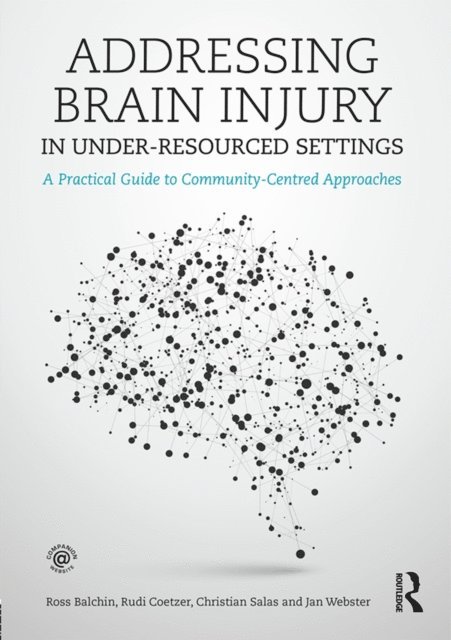
Addressing Brain Injury in Under-Resourced Settings
A Practical Guide to Community-Centred Approaches
Inbunden, Engelska, 2017
2 002 kr
Skickas inom 10-15 vardagar
Many of the world’s population have no access to appropriate diagnostic, neurorehabilitative or support services following brain injury. Addressing Brain Injury in Under-Resourced Settings: A Practical Guide to Community-Centred Approaches tackles this unacceptable gap in service provision by empowering the reader to provide basic care, education and support for patients with brain injuries and their families.Written for an audience which does not necessarily have any prior knowledge of the brain, neurorehabilitation or brain injuries/pathologies, this practical guide first examines the global context of brain injury, considering the cross-cultural realities across communities worldwide. The book goes on to explore the reality of brain injury and how to work with its consequences, offering practical knowledge and advice in a user-friendly, richly illustrated format. It provides easily digestible information about the brain, including its normal functioning and the ways in which it can be damaged through injury and disease. The book also covers the basic skills needed to identify neurological difficulties and provides guidance on basic rehabilitation input and support. The final section of the book covers how to provide services, including working with organisations and communities, volunteering, initiating and developing community-based projects and programmes, and caring for patients and their families from emergency to recovery to rehabilitation.This book is an invaluable resource for community health workers, voluntary sector workers and all professional healthcare providers who work with brain-injured patients around the world. It will also be important reading for policy developers, fundraising organisations and those who work with global humanitarian initiatives.
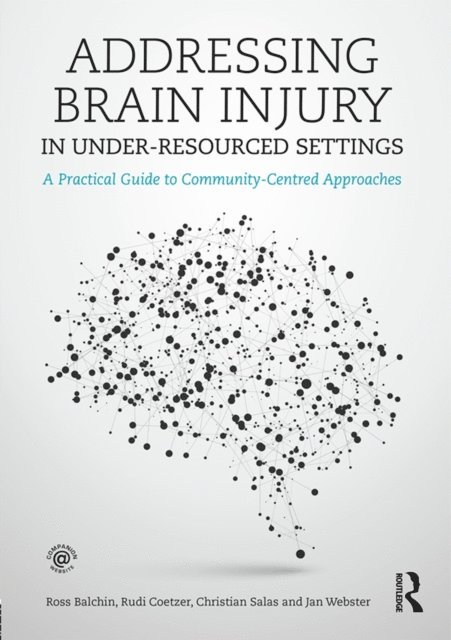
Addressing Brain Injury in Under-Resourced Settings
A Practical Guide to Community-Centred Approaches
Häftad, Engelska, 2017
520 kr
Skickas inom 10-15 vardagar
Many of the world’s population have no access to appropriate diagnostic, neurorehabilitative or support services following brain injury. Addressing Brain Injury in Under-Resourced Settings: A Practical Guide to Community-Centred Approaches tackles this unacceptable gap in service provision by empowering the reader to provide basic care, education and support for patients with brain injuries and their families.Written for an audience which does not necessarily have any prior knowledge of the brain, neurorehabilitation or brain injuries/pathologies, this practical guide first examines the global context of brain injury, considering the cross-cultural realities across communities worldwide. The book goes on to explore the reality of brain injury and how to work with its consequences, offering practical knowledge and advice in a user-friendly, richly illustrated format. It provides easily digestible information about the brain, including its normal functioning and the ways in which it can be damaged through injury and disease. The book also covers the basic skills needed to identify neurological difficulties and provides guidance on basic rehabilitation input and support. The final section of the book covers how to provide services, including working with organisations and communities, volunteering, initiating and developing community-based projects and programmes, and caring for patients and their families from emergency to recovery to rehabilitation.This book is an invaluable resource for community health workers, voluntary sector workers and all professional healthcare providers who work with brain-injured patients around the world. It will also be important reading for policy developers, fundraising organisations and those who work with global humanitarian initiatives.