Christiane Kuptsch – författare
Visar alla böcker från författaren Christiane Kuptsch. Handla med fri frakt och snabb leverans.
4 produkter
4 produkter
Häftad, Engelska, 2014
294 kr
Skickas inom 5-8 vardagar
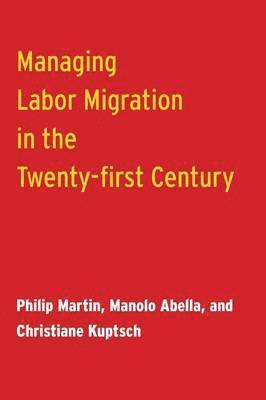
Why have ninety million workers around the globe left their homes for employment in other countries? What can be done to ensure that international labor migration is a force for global betterment? This groundbreaking book presents the most comprehensive analysis of the causes and effects of labor migration available, and it recommends sensible, sustainable migration policies that are fair to migrants and to the countries that open their doors to them.The authors survey recent trends in international migration for employment and demonstrate that the flow of authorized and illegal workers over borders presents a formidable challenge in countries and regions throughout the world. They note that not all migration is from undeveloped to developed countries and discuss the murky relations between immigration policies and politics. The book concludes with specific recommendations for justly managing the world’s growing migrant workforce.
Inbunden, Engelska, 2014
1 091 kr
Skickas inom 10-15 vardagar
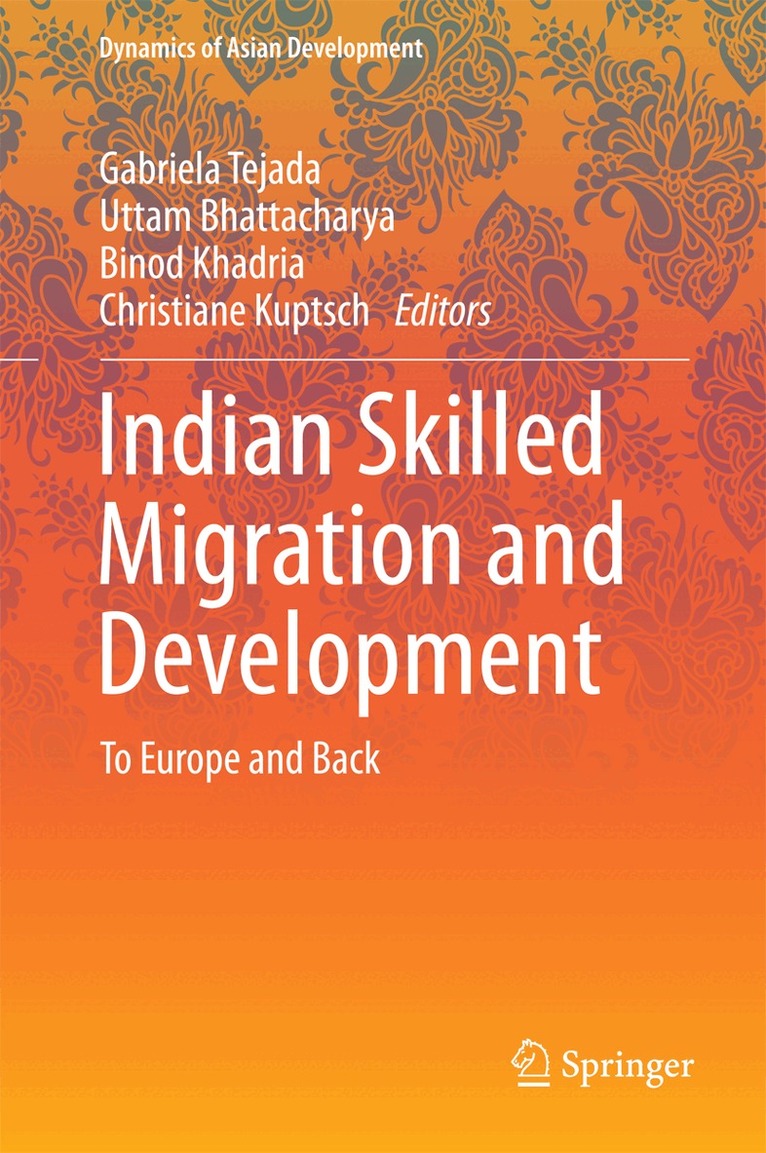
This edited contribution explores strategies and measures for leveraging the potential of skilled diasporas and for advancing knowledge-based evidence on return skilled migration and its impact on development. By taking the example of Indian skilled migration, this study identifies ways of involving returned skilled migrants in home country development as well as proposes approaches to engage the diaspora in development. As high-skill immigration from India to mainland Europe is a rather recent phenomenon, the activities of Indian professionals in Europe are under-researched. The findings have wider application in contributing to the policy dialogue on migration and development, specifically to the advantage for developing and emerging economies. The book employs an interdisciplinary, two-fold approach: The first part of the research looks at how international exposure affects the current situation of skilled returnees in India. The second, European, part of the research examines migration policies, labour market regulations and other institutional settings that enable or hinder skilled Indians’ links with the country of origin. Structural differences between the host countries may facilitate different levels of learning opportunities; thus, this book identifies good practices to promote the involvement of Indian skilled diaspora in socio-economic development. In applying the framework of diaspora contributions as well as the return channel to study the impact on India, the book draws on qualitative and quantitative research methods consisting of policy analysis, in-depth interviews with key experts and skilled migrants and on data sets collected specifically for this study.
E-bok
PDF, Engelska, 20141 367 kr
Läs direkt efter köp
This edited contribution explores strategies and measures for leveraging the potential of skilled diasporas and for advancing knowledge-based evidence on return skilled migration and its impact on development. By taking the example of Indian skilled migration, this study identifies ways of involving returned skilled migrants in home country development as well as proposes approaches to engage the diaspora in development. As high-skill immigration from India to mainland Europe is a rather recent phenomenon, the activities of Indian professionals in Europe are under-researched. The findings have wider application in contributing to the policy dialogue on migration and development, specifically to the advantage for developing and emerging economies. The book employs an interdisciplinary, two-fold approach: The first part of the research looks at how international exposure affects the current situation of skilled returnees in India. The second, European, part of the research examines migration policies, labour market regulations and other institutional settings that enable or hinder skilled Indians’ links with the country of origin. Structural differences between the host countries may facilitate different levels of learning opportunities; thus, this book identifies good practices to promote the involvement of Indian skilled diaspora in socio-economic development. In applying the framework of diaspora contributions as well as the return channel to study the impact on India, the book draws on qualitative and quantitative research methods consisting of policy analysis, in-depth interviews with key experts and skilled migrants and on data sets collected specifically for this study.
Häftad, Engelska, 2016
1 091 kr
Skickas inom 10-15 vardagar
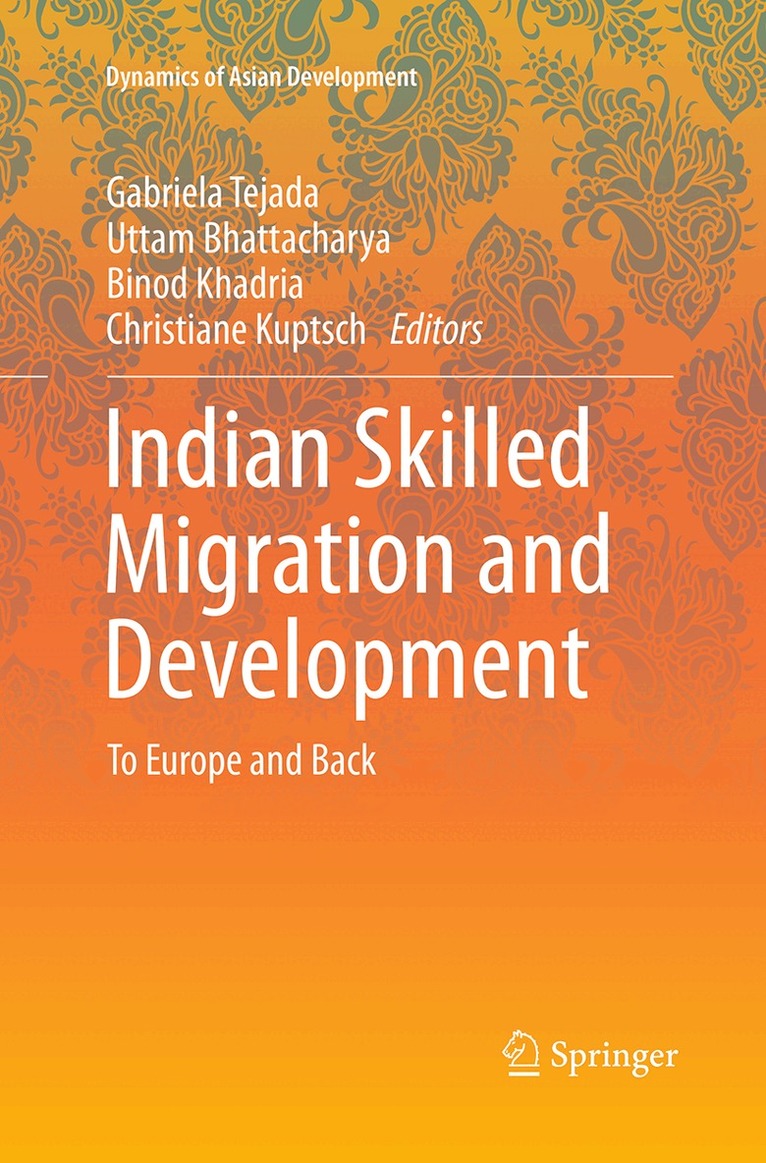
This edited contribution explores strategies and measures for leveraging the potential of skilled diasporas and for advancing knowledge-based evidence on return skilled migration and its impact on development. By taking the example of Indian skilled migration, this study identifies ways of involving returned skilled migrants in home country development as well as proposes approaches to engage the diaspora in development. As high-skill immigration from India to mainland Europe is a rather recent phenomenon, the activities of Indian professionals in Europe are under-researched. The findings have wider application in contributing to the policy dialogue on migration and development, specifically to the advantage for developing and emerging economies. The book employs an interdisciplinary, two-fold approach: The first part of the research looks at how international exposure affects the current situation of skilled returnees in India. The second, European, part of the research examines migration policies, labour market regulations and other institutional settings that enable or hinder skilled Indians’ links with the country of origin. Structural differences between the host countries may facilitate different levels of learning opportunities; thus, this book identifies good practices to promote the involvement of Indian skilled diaspora in socio-economic development. In applying the framework of diaspora contributions as well as the return channel to study the impact on India, the book draws on qualitative and quantitative research methods consisting of policy analysis, in-depth interviews with key experts and skilled migrants and on data sets collected specifically for this study.